
Silicon Carbide Ceramic Components for Thermal Service
Send a drawing, service conditions, and acceptance criteria to discuss silicon carbide ceramics thermal performance for your component.
Featured Silicon Carbide Ceramic Components

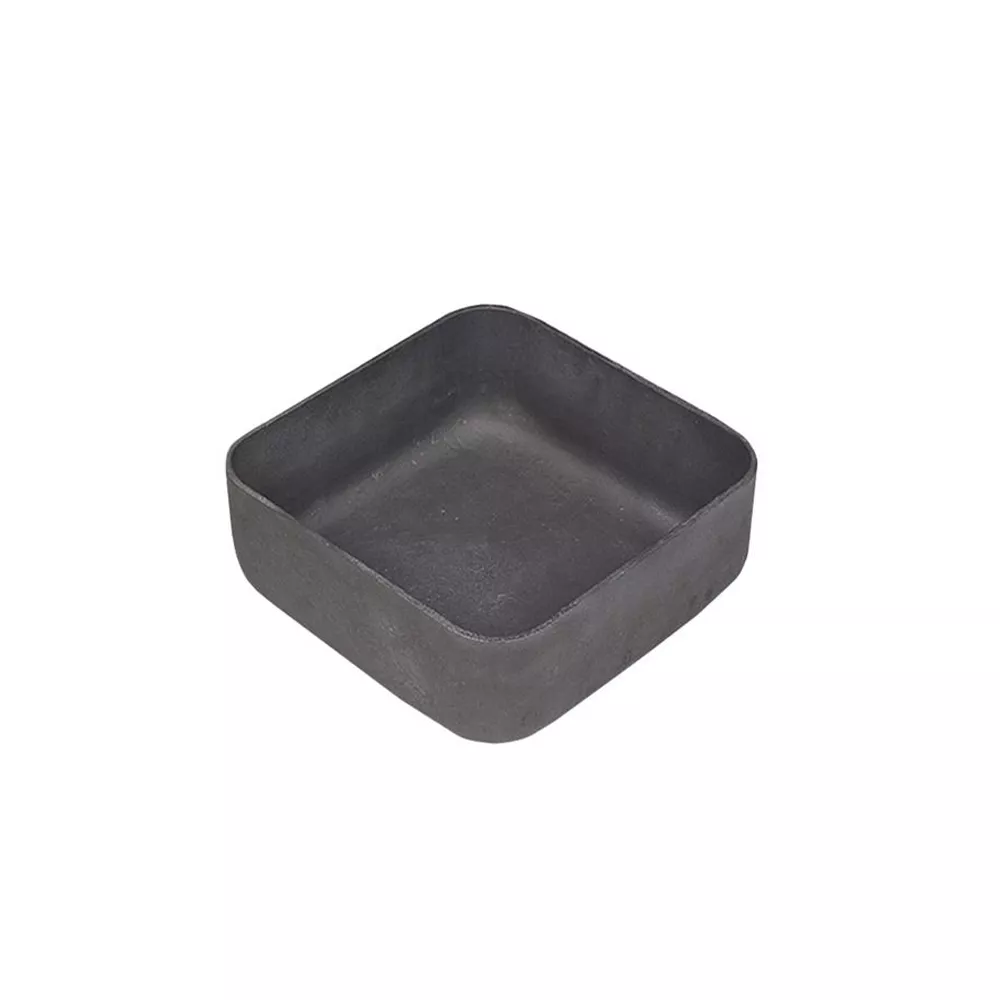
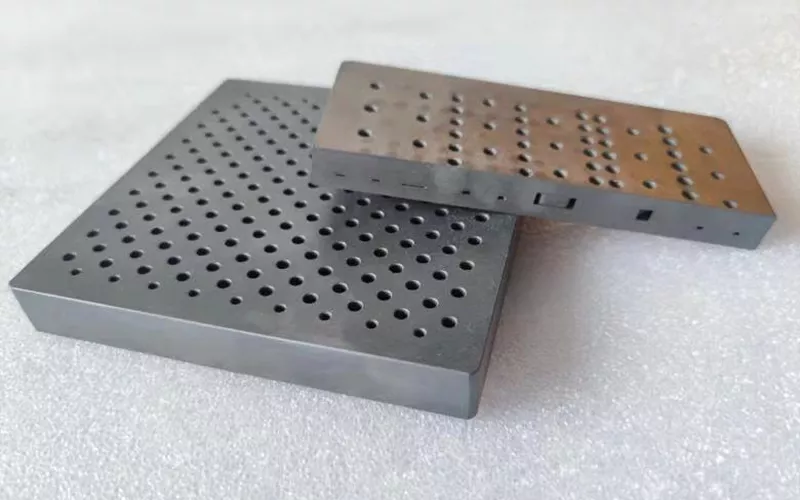
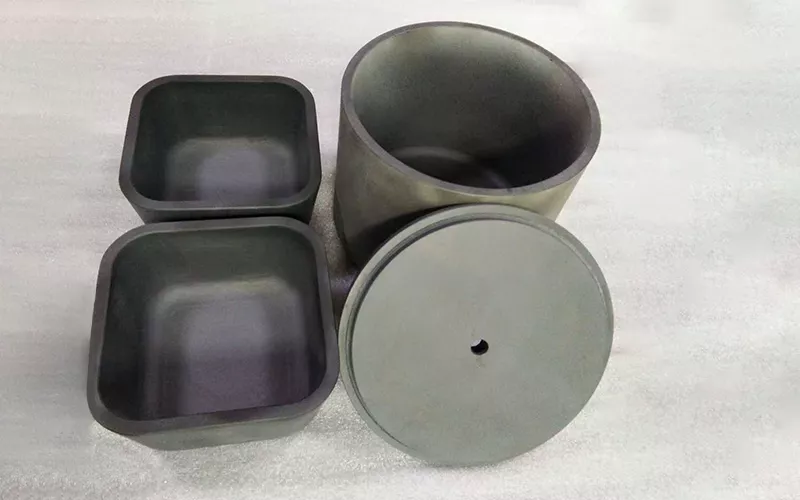

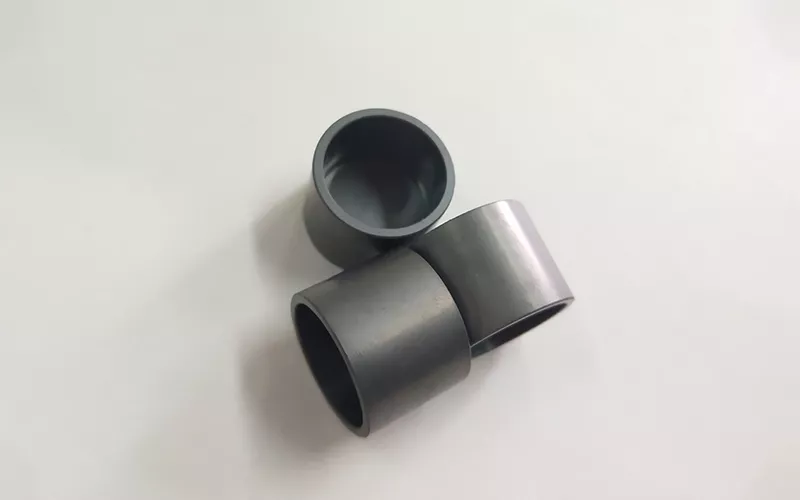






Related Product Catalogue and Quotation




Define Thermal Requirements by Part
Build a quotation discussion around the drawing, service environment, assembly interfaces, and evidence needed for approval.
Current Drawing Revision
Share the current drawing revision so dimensions, tolerances, notes, and controlled changes can anchor the discussion before material or manufacturing assumptions are made.
Grade for the Application
Identify the silicon carbide grade if known, then relate it to silicon carbide ceramics thermal performance, operating media, temperature exposure, and project-specific priorities.
Assembly-Critical Geometry
Clarify the features that determine fit, including bores, wall sections, flatness needs, threads, and interfaces with adjacent components or fixtures.
Suitable Process Route
Discuss the intended component form and practical processing route early, so the proposed approach reflects geometry, surface needs, and the application context.
Functional Surface Requirements
Mark surfaces that seal, slide, locate, conduct heat, or mate with another part, and distinguish critical requirements from nonfunctional appearance preferences.
Acceptance Evidence Needed
State the inspection records, dimensional checks, material information, packaging expectations, and other documentation required for your internal review or incoming acceptance process.
Define Ceramic Component Requirements Clearly
Explore material, component and application pathways that turn operating conditions, drawings and acceptance needs into a focused sourcing discussion.

Ceramic Manufacturing Capabilities
Discuss manufacturing routes in relation to the part: geometry, wall thickness, mating surfaces, tolerances, quantity and inspection needs. Share the current drawing revision so the quotation conversation can identify the process and requirements that need confirmation.
Discuss Your Ceramic Part
Ceramic Solutions by Industry
Review advanced ceramics applications through the operating job: heat, wear, electrical insulation, thermal management, chemical exposure or mechanical loading. Application context helps determine which component features, material options and performance questions should guide the inquiry.
Discuss Your Ceramic Part
Advanced Ceramic Materials
Compare advanced ceramic materials including alumina, zirconia, silicon carbide, silicon nitride, aluminum nitride and boron nitride. Material families provide a starting point; the grade, geometry, service conditions and documentation requirements must be confirmed for the project.
Discuss Your Ceramic Part
Technical Ceramic Components
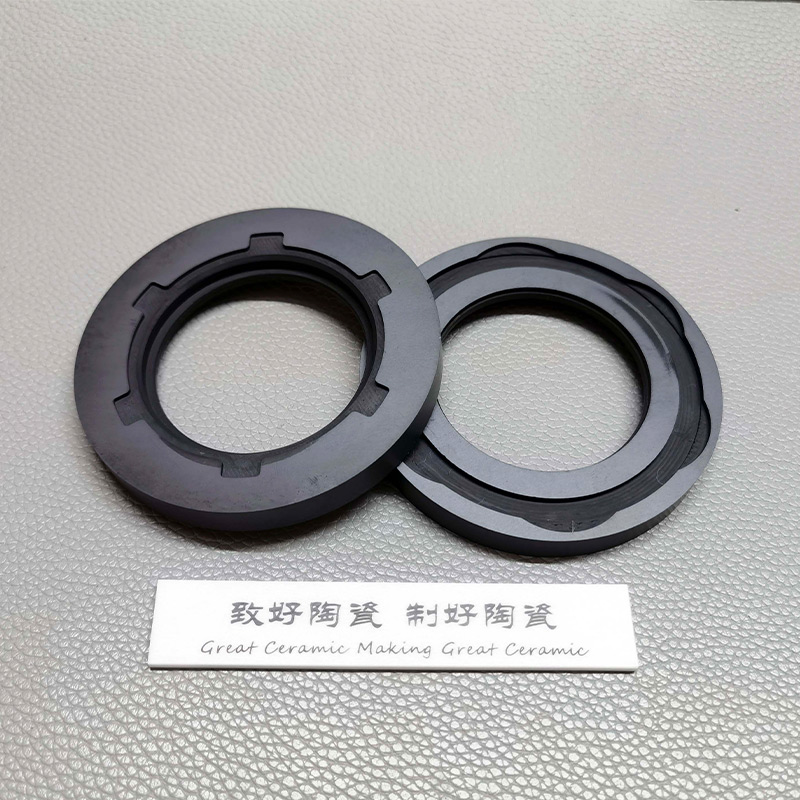
Explore technical ceramic components and industrial ceramic parts such as tubes, rods, rings, substrates, and replacement components. For custom ceramic components, identify assembly-critical dimensions, mating interfaces, and acceptance criteria before production terms are agreed.
Discuss Your Ceramic Part
Technical Ceramic Resources
Use technical ceramics guidance to prepare a clearer inquiry. Include a drawing or part description, material designation if known, quantity, service environment, critical dimensions, tolerances and required documentation; then contact Porcecore by email or WhatsApp to discuss next steps.
Discuss Your Ceramic PartSilicon Carbide and Related Technical Ceramics


Silicon Nitride
Often reviewed for mechanically loaded parts where toughness, thermal behavior, and rolling or sliding contact matter. Discuss the component drawing, mating surfaces, load conditions, and required dimensional acceptance criteria before selection.

Aluminum Nitride
A ceramic family commonly considered for electronic substrates and heat-transfer components. Material selection should account for thermal requirements, electrical needs, mounting interfaces, surface finish, and the project-specific grade designation.
Alumina Ceramics
A widely used oxide ceramic for insulating, wear, and structural component applications. Confirm the alumina grade, dimensions, tolerances, service temperature, and documentation expectations against the individual drawing-led inquiry.

Zirconia Ceramics
A ceramic option for parts requiring strength, wear resistance, or precise assembly features. Suitability depends on grade, geometry, contact conditions, operating environment, and the acceptance requirements agreed for the specific component.
Processing Considerations for Your Ceramic Part

Material Grade Selection
Confirm the silicon carbide grade or material designation, intended service environment, and any thermal priorities before quoting. Grade-specific properties should be reviewed against the drawing and application rather than assumed from a general material family.

Near-Net Forming
Discuss the preferred starting form for the component, such as a tube, ring, rod, plate, or custom profile. Early geometry review helps identify critical dimensions, wall sections, and features that may affect the production route.

Precision Machining
Identify dimensions that control assembly, mating surfaces, holes, grooves, and edge conditions on the current drawing revision. Define tolerances where they matter most so a quotation conversation can distinguish essential requirements from general preferences.

Surface Finishing
Specify the surfaces that require a particular finish, flatness, or interface condition. Include the component’s contact function and any inspection method so finish expectations can be evaluated as part of the project-specific requirement.

Final Inspection
State the acceptance criteria, requested records, and inspection points needed for approval. A clear requirement should connect drawing dimensions, material identification, visible-condition expectations, and any documentation required before an order is confirmed.
Component Features and Add-Ons to Specify

Mating Surface Details
Identify sealing, bearing, contact, or assembly surfaces on the drawing. Include critical dimensions, flatness or finish expectations, and the counterpart material so the functional interface can be reviewed with the component requirement.

Surface Finish Requirements
Specify where a machined, ground, or other surface condition matters. Clarifying the relevant areas helps distinguish functional surfaces from noncritical areas and keeps finish expectations tied to the part’s intended service.

Part Identification Marks
Discuss any part number, revision reference, orientation mark, or traceability label needed for receiving and assembly. State the marking location and approval expectation so identification does not interfere with critical geometry or surfaces.

Protective Packaging Options
Describe handling, separation, moisture protection, and packaging needs for brittle ceramic components. Packaging details are especially useful when parts have finished edges, critical faces, or must arrive organized for inspection and assembly.

Inspection Documentation Needs
List the dimensions, material designation, inspection records, or other documents required for your approval process. Connecting documentation to acceptance criteria gives the quotation discussion a practical basis before an order is confirmed.
About Porcecore
Founded by Andy Yuan, Porcecore helps industrial buyers turn a material question into a defined component conversation. For silicon carbide ceramics thermal performance, that means considering the part’s geometry, mating surfaces, operating environment, and inspection expectations together rather than relying on a material name alone.
Our coverage spans oxide, nitride, carbide, and specialty ceramic components for equipment builders, procurement teams, and distributors. We work from current drawings, application details, or replacement-part needs, helping clarify which grade, dimensions, tolerances, documentation, and acceptance criteria require project-specific confirmation.
Porcecore is different by putting clarity before commitment. Product listings help start the discussion; they are not contractual specifications. Send the drawing revision, quantity, service conditions, critical assembly surfaces, and required documentation to give a quotation discussion a practical, drawing-led basis.

Define Thermal Service Requirements First
Map the Service Environment
Silicon carbide ceramics thermal performance should be considered alongside operating temperature, atmosphere, heat flow, cycling rate, and chemical exposure. These conditions help frame the material-grade discussion and identify where general property data may not represent the finished component.
- State normal, peak, and cycling temperatures
- Identify oxidizing, inert, vacuum, or process-gas conditions
- Describe heat source, heat path, and thermal gradients
- Note corrosive media or deposits

Protect Critical Geometry
Thermal behavior is only useful when the part still assembles and performs as intended. Share the current drawing revision and identify interfaces, wall transitions, holes, and flatness requirements so geometry, mating surfaces, and inspection priorities can be discussed together.
- Mark assembly-critical dimensions and datums
- Identify fitted, sealing, and bearing surfaces
- Call out thin sections and sharp transitions
- Specify tolerances tied to function

Confirm the Material Question
Silicon carbide ceramics thermal performance varies with grade, processing route, density, microstructure, and application conditions. A material name alone does not complete a specification. Explain the operating need, then confirm the grade and relevant property values for the individual quotation discussion.
- Provide the material designation if known
- Clarify whether heat spreading or heat resistance leads
- Compare replacement-part performance needs
- Separate required values from preferred values

Set Acceptance Evidence
Define how the finished ceramic component will be evaluated before commercial commitment. Quantities, dimensional inspection, material identification, documentation, packaging, delivery, and acceptance criteria give a drawing-led inquiry a clearer basis and reduce open questions during quotation review.
- Attach the current drawing revision
- List required inspection records or documents
- Define sampling and acceptance expectations
- Include quantity, delivery, and packaging needs

A Drawing-Led Start for Ceramic Components
Compare a drawing-led Porcecore inquiry with a material-only starting point for project-specific ceramic components.
← Swipe left or right to view →
From Requirement Review to Shipment
A drawing-led path for aligning material, geometry, inspection, packing, and delivery expectations before commitment.
Review Part Requirements
Share the current drawing, intended application, operating temperatures, mating surfaces, quantity, and any known material designation to establish the project basis.
Align Thermal Considerations
Clarify the silicon carbide ceramics thermal performance needs alongside geometry, thermal cycling, environment, dimensional priorities, and acceptance criteria relevant to the component.
Confirm Quotation Scope
Review the proposed material and part scope, requested documentation, inspection expectations, commercial details, and open questions before a quotation discussion moves forward.
Approve Production Details
Confirm the drawing revision, agreed requirements, quantities, tolerances, delivery expectations, and other project-specific details needed to establish the production order.
Discuss Inspection And Delivery
Align on agreed inspection requirements, packing needs, delivery arrangements, and documentation before shipment, keeping the final handoff tied to the confirmed project scope.
Define Silicon Carbide Ceramics Thermal Performance Requirements
Move from a current part requirement to a clearer quotation and production discussion.
Send Your Drawing
Share the current drawing revision, component form, quantity, known material designation, and the surfaces or dimensions that control fit within your assembly.
Describe Service Conditions
Identify temperatures, thermal cycling, media exposure, loads, mating parts, and relevant silicon carbide ceramics thermal performance expectations for the intended operating environment.
Clarify Open Requirements
Review grade options, geometry, tolerances, inspection needs, documentation, and acceptance criteria so essential requirements are distinguished from preferences before quotation.
Confirm the Order Basis
Confirm the agreed part requirements, commercial terms, delivery expectations, and production details for the individual project before moving forward with the production order.
Documentation Requirements to Discuss

Project Evidence Is Published Only When Authorized
Approved customer feedback and project outcomes will be published here when substantiated and authorized for release.
Future examples will describe the drawing, service conditions, material-grade discussion, and acceptance criteria relevant to the specific ceramic part.
Porcecore will not publish numerical outcomes, endorsements, or performance claims until they are verified for the individual project.
Silicon Carbide Ceramics Thermal Performance FAQ
Clarify the drawing, service conditions, commercial inputs, and evidence needed for a project-specific quotation discussion.
How should we evaluate silicon carbide ceramics thermal performance for our component?
Which grade best supports silicon carbide ceramics thermal performance requirements?
What drawing details affect silicon carbide ceramics thermal performance in an assembled part?
Can Porcecore quote custom quantities, samples, and production volumes?
What should we provide to confirm lead time for a silicon carbide component?
How are packaging and shipping requirements handled for ceramic parts?
When are payment terms and pricing confirmed?
How should we handle confidential drawings and inspection requirements?
Silicon Carbide Ceramics Thermal Performance: Complete Buyer’s Guide
Use a practical decision framework to compare SiC grades, thermal requirements, quality controls, supplier qualifications, and total-cost tradeoffs while avoiding specification mistakes that can shorten component life or delay production.
1. Silicon Carbide Ceramics Thermal Performance Defined
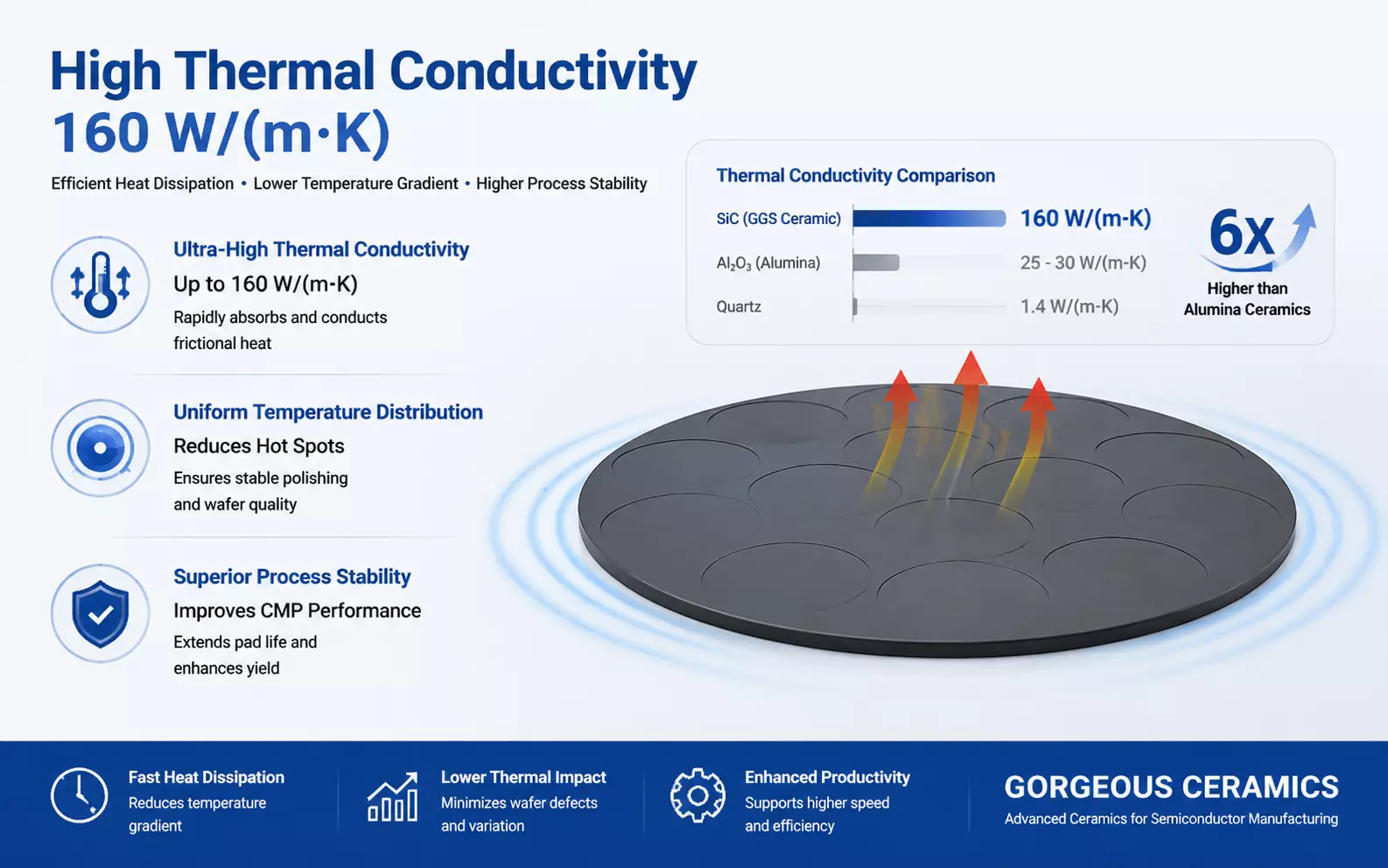
Thermal conductivity, expansion, oxidation behavior, and thermal-cycle performance depend on the proposed SiC grade, density, geometry, atmosphere, and test conditions. For heat-transfer or heat-facing parts, define the operating-temperature range, heat-flow path, thermal-cycle profile, mating materials, and post-test dimensional acceptance criteria. Confirm relevant values against the proposed grade and finished component rather than relying on general material-family data.
2. Evolution of Silicon Carbide Thermal Applications
1891 marked the commercial breakthrough for silicon carbide through the Acheson process, and early demand centered on abrasives and refractory service. Those uses established SiC as a practical material where heat, wear, and furnace exposure occurred together.
By the mid-20th century, kiln furniture, burner nozzles, tubes, and heat-treatment fixtures turned silicon carbide ceramics thermal performance into a component-level sourcing issue. Buyers increasingly needed to specify section thickness, support geometry, atmosphere, thermal cycling, and mating surfaces—not merely request SiC.
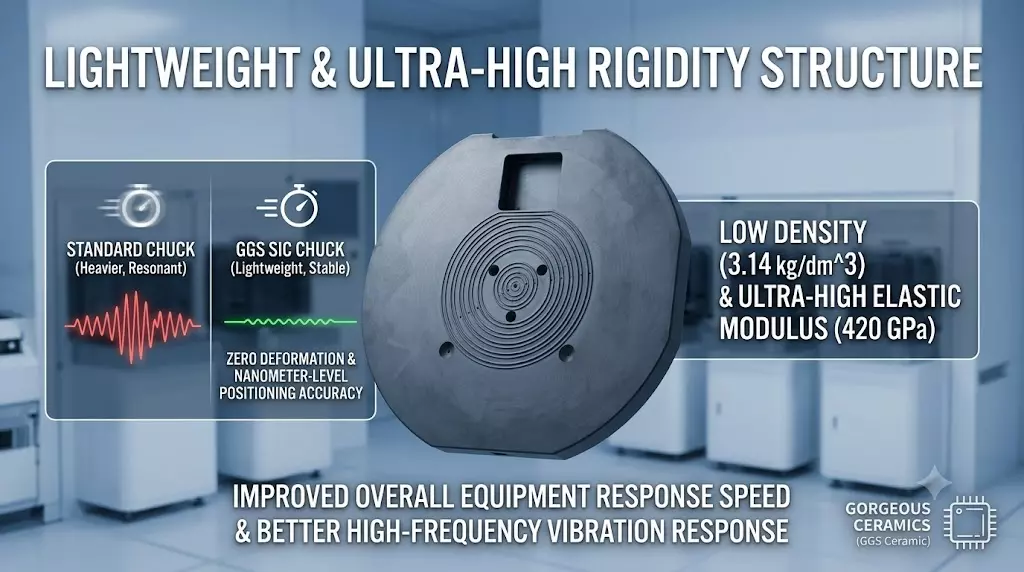
Since the 1970s, power electronics and semiconductor equipment have raised expectations for heat removal, dimensional stability, and contamination control. Sintering, reaction bonding, and chemical-vapor-deposition routes can yield materially different purity, residual phases, porosity, and achievable geometry; source selection should therefore begin with the drawing, service environment, and acceptance criteria. https://mrceramicpart.com/knowledge/silicon-carbide-ceramics-are-widely-used-in-the-semiconductor-industry.htm
3. Types of Silicon Carbide Ceramics Thermal Performance
Four SiC families differ chiefly in residual silicon, density, pores, and grain bonding. Match silicon carbide ceramics thermal performance to atmosphere, heat flux, thermal cycling, and required geometry.
| Family | Thermal Character | Best Duty | Machining |
|---|---|---|---|
| Reaction-bonded | Residual silicon | Complex furnace shapes | Near-net preferred |
| Sintered | Dense SiC | Corrosive hot service | Diamond finishing |
| Recrystallized | Porous coarse grains | Thermal cycling | Limited finishing |
| CVD | Dense high purity | Clean-process hardware | Costly finishing |
| Porous/composite | Lower heat transfer | Filters or insulation | Design-specific |
Reaction-Bonded And Sintered
Reaction-bonded SiC retains silicon, supporting complex near-net shapes but limiting some high-temperature chemical duties.
Sintered SiC is dense and silicon-free; select it for corrosive, high-temperature seals, tubes, and heat-transfer parts.
Recrystallized And CVD
Recrystallized SiC has an open, coarse-grain structure that tolerates thermal cycling in kiln furniture and radiant hardware.
CVD SiC is high-purity and dense; reserve it for contamination-sensitive semiconductor equipment where machining cost is justified.
Porous And Composite Options
Porous SiC lowers heat flow and mass while increasing gas permeability; use it for filters or burners, not structural heat spreaders.
Composite designs require verification of interfaces, thermal expansion, and cycling duty before release.
4. Materials Behind Silicon Carbide Thermal Performance
SiC purity, phase, and pore structure should appear on the inquiry or material data sheet. Silicon carbide ceramics thermal performance is governed by the finished microstructure, not the material name alone.
| Variable | Buyer Review | Thermal-Service Effect |
|---|---|---|
| SiC purity | Impurity limits | Contamination and heat flow |
| Porosity and density | Open versus closed pores | Conductivity and cycling strength |
| Residual silicon | Amount and location | Expansion and oxidation behavior |
| Coating | Composition and adhesion | Surface protection under cycling |
Phase And Powder
Alpha or beta phase may affect isotropy, grain growth, and thermal expansion behavior. Ask for the specified phase only when the application or drawing makes it relevant.
Densification And Residuals
Fine particle size, binders, and sintering additives influence densification and grain-boundary chemistry. Residual silicon and open porosity can change heat flow, oxidation response, and contamination suitability.
Thermal Cycling Reliability
Dense sections reduce pathways for process media, while pores and weak interfaces can concentrate stress during temperature cycling. Protective coatings require separate review for adhesion, thermal-expansion compatibility, and service atmosphere.
5. Customizing Silicon Carbide Thermal Performance Components
One drawing package should connect silicon carbide ceramics thermal performance to the component’s heat path and restraints. Two matching parts can experience different gradients when wall thickness, channels, or contact area change.
Geometry And Heat Paths
One tube, plate, beam, nozzle, or kiln-furniture profile should avoid abrupt section changes that concentrate thermal stress.
Two internal channels with unequal flow paths can create uneven temperatures; specify channel layout, inlet location, and minimum wall requirements.
Interfaces And Surfaces
One joining interface needs its mating material, support method, and allowable movement identified before tolerance selection.
Two finish requirements—functional contact faces and noncritical exterior surfaces—should be separated; diamond post-machining adds capability, time, and inspection points.
Coatings And Quote Inputs
One coating request should state its service atmosphere, target surface, and any masking or thickness limits.
Five quote inputs improve review accuracy: drawing revision, quantity, grade designation, service temperature, and acceptance criteria for semiconductor-facing fixtures or heat-exchanger parts.
6. Construction Quality for Thermal Service
Two parts made from the same SiC family can behave differently in thermal service because construction quality governs local stress and heat flow. For silicon carbide ceramics thermal performance, approve the part definition and evidence together.
Density And Microstructure
Define density, open-porosity, grain-size, and phase-consistency requirements only where they are relevant to the application. Ask the supplier to identify the test method, sampling plan, and lot-specific results; general material data are not acceptance evidence.
Geometry And Surface Control
0 sharp internal corners should remain where the drawing can specify a functional radius. Define nominal and minimum wall thickness, critical tolerances, surface finish, edge condition, and permitted chip or crack limits; uneven sections concentrate thermal stress.
Approval Records
1 controlled drawing revision should name mating surfaces, datums, dimensions, material designation, and inspection criteria. Request first-article measurements, visual-inspection records, density or porosity results where required, and lot traceability linking each shipment to its production records.
7. Choosing a Silicon Carbide Manufacturer
Qualify an OEM against the actual furnace, fluid, vacuum, or thermal-cycle environment—not a generic silicon carbide ceramics thermal performance claim. Request evidence tied to the proposed grade, geometry, and acceptance criteria.
| Evaluation Area | Evidence To Request | Unsupported Claim |
|---|---|---|
| Process experience | Comparable environment and part evidence | Works in all high heat |
| Grade selection | Grade-specific rationale and data | Best SiC grade |
| Production control | First article, records, change notice | Consistent quality |
Evidence Before Claims
3 evidence types matter: comparable application records, grade datasheets, and inspection reports. Marketing phrases such as high-temperature resistant are not substitutes for documented test conditions.
- Ask which atmosphere and temperature range informed the recommendation
- Request traceable material, dimensional, and surface-finish records
- Confirm stated values are grade-specific, not family averages
Capability And Control
4 capability areas should align with the drawing: forming route, diamond machining, metrology, and sample validation. Define first-article approval, lot documentation, capacity expectations, communication contacts, and written change control before release.
- Verify critical dimensions and mating surfaces are measurable
- Ask how thermal cycling or relevant service testing is performed
- Require approval before grade, process, or drawing-revision changes
8. Common Silicon Carbide Thermal Performance Mistakes
A maximum-temperature figure is only one input to silicon carbide ceramics thermal performance. Procurement should require a service profile before comparing quotations.
Temperature Is Not Service
Atmosphere and ramp rate can change the relevant risk. Ask: what gases, pressure, dwell time, and heating and cooling rates will the part experience?
Generic Data Misleads
Conductivity values are grade-, density-, temperature-, and direction-dependent. Specify the required test temperature, material designation, and acceptable property basis rather than copying a catalog value.
Geometry drives thermal gradients, restraint, and stress at corners, bores, and joints. Provide the current drawing, mating conditions, and thermal-cycle profile for design review.
Acceptance Must Be Defined
Tight tolerances can add cost without improving assembly. Mark functional dimensions and surfaces, then state tolerances, datum scheme, measurement method, and inspection records required.
Production approval should follow application-representative testing. Define sample quantity, pass-fail criteria, and the approval gate before releasing a production order.
9. Steps to Launch a Custom SiC Component
A custom SiC launch begins with the duty cycle, not a catalog grade. Define the temperature range, heating and cooling rate, atmosphere, load, media exposure, mating materials, annual volume, and required delivery date for silicon carbide ceramics thermal performance.
Review The Drawing
Revision-controlled drawings should identify critical dimensions, datum scheme, fit surfaces, allowable defects, and inspection records. Flag unsupported features before a quotation or material recommendation is treated as a commitment.
Validate The Prototype
Prototype review follows the material recommendation. Test thermal cycling and assembly fit under representative conditions, then agree measurable acceptance criteria before first-article inspection and a pilot order.
Release And Improve
First-article approval supports a controlled pilot run, production release, and agreed documentation. Record installation results, breakage modes, dimensional feedback, and delivery performance so later revisions address verified field evidence.
10. Silicon Carbide Component Pricing and Cost
1 current drawing revision is the starting point for a defensible quote: grade, geometry, tolerances, testing, documentation, and order volume can all change cost.
3 total-cost measures matter beyond piece price: installed life, replacement downtime, and scrap or maintenance exposure. Compare like-for-like acceptance criteria before selecting a route for silicon carbide ceramics thermal performance.
| Quantity tier | Component complexity | Material route | Machining and inspection | Lead-time drivers | Unit-cost direction |
|---|---|---|---|---|---|
| Prototype or small batch | Simple tube, rod, or ring | Candidate route confirmed by application | Basic finished dimensions; agreed visual checks | Drawing review, setup, and material availability | Highest |
| Low production | Moderate features or mating faces | Route selected after service review | Diamond finishing on critical surfaces; dimensional report | Programming, tooling, and tolerance review | High to moderate |
| Repeat production | Complex geometry or multiple interfaces | Grade locked to approved requirement | Precision grinding; defined inspection plan | Process qualification and inspection capacity | Moderate |
| Higher volume | Stable, drawing-controlled design | Qualified material route | Sampling plan matched to acceptance criteria | Batch scheduling and documentation scope | Lowest relative |
Discuss Silicon Carbide Ceramics Thermal Performance Requirements
Email your drawing, service conditions, quantity, and acceptance criteria to discuss silicon carbide ceramics thermal performance for your part.