
Zirconia Ceramics Thermal Performance, Defined by Your Part
Connect zirconia ceramics thermal performance to geometry, service conditions, mating surfaces, and acceptance criteria before requesting a quotation.
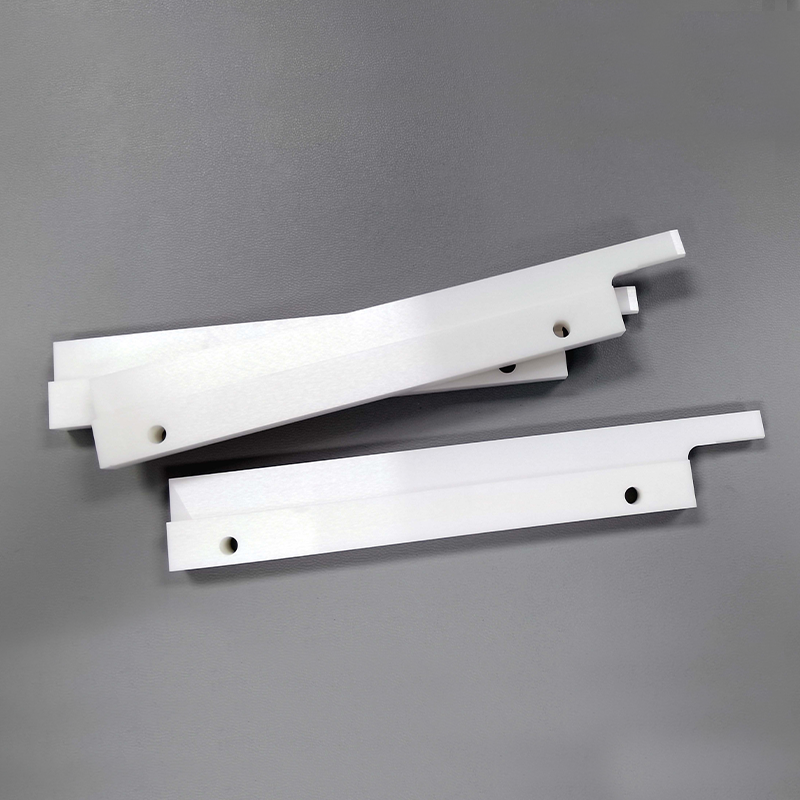
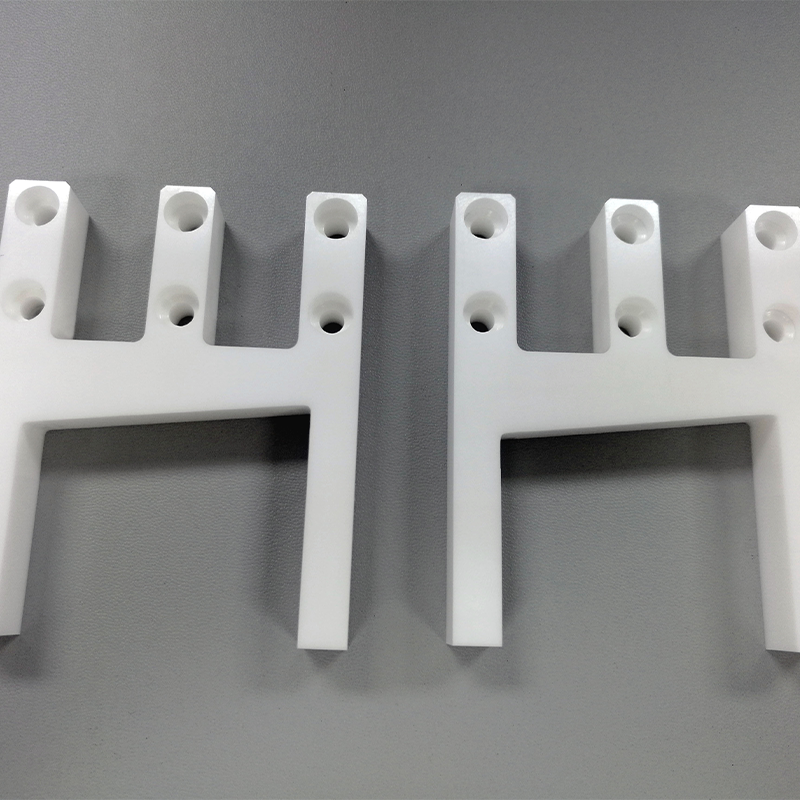
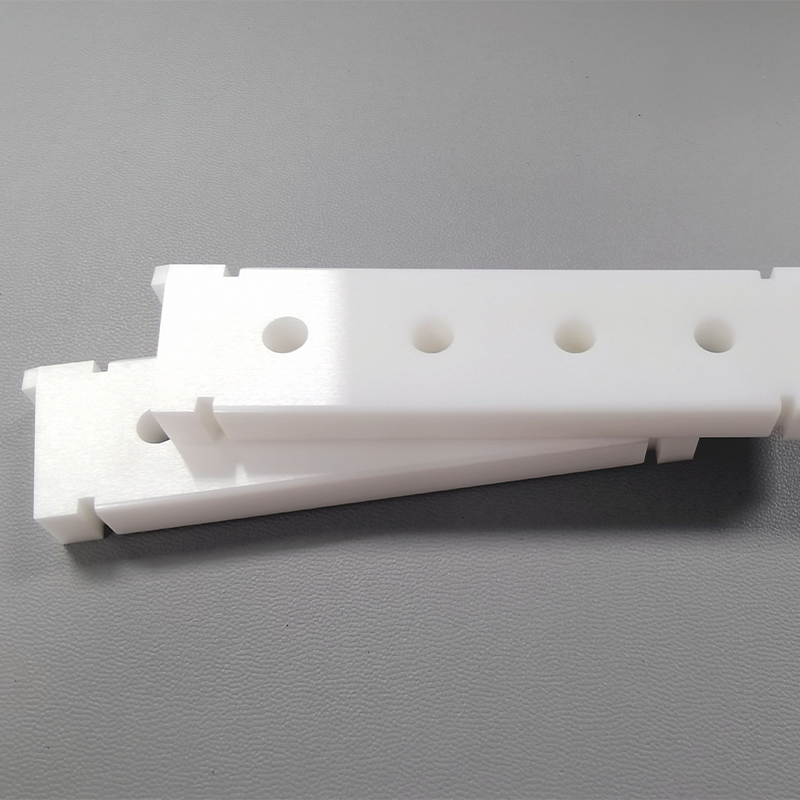
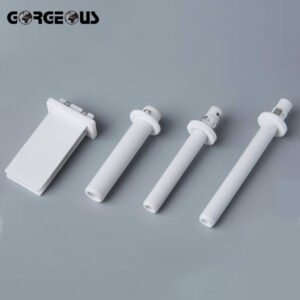
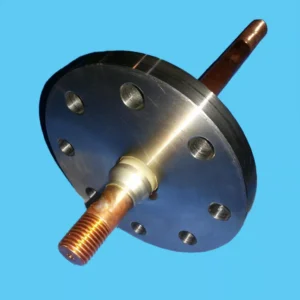
Zirconia Ceramic Component Reference Gallery








Related Product Catalogue and Quotation


Define the Part Requirements Before Requesting a Zirconia Quote
Evaluate the component as a project-specific requirement before material, geometry, inspection, and commercial details are confirmed.
Current Drawing Revision
Share the current drawing revision so dimensions, datum references, notes, and assembly-critical features can guide the quotation discussion from the beginning.
Specified Material Grade
Identify the zirconia grade or known material designation, then review whether zirconia ceramics thermal performance aligns with the operating environment and functional objective.
Geometry and Assembly Interfaces
Clarify component form, wall sections, holes, radii, and mating features so the ceramic part can be considered in relation to its installation.
Service Condition Context
Describe temperatures, thermal cycling, media exposure, loads, and electrical conditions to frame material selection around the application rather than a material name alone.
Functional Surface Priorities
Mark surfaces that seal, locate, slide, or contact another part, distinguishing essential functional requirements from cosmetic or noncritical preferences before review.
Inspection Evidence Expectations
State required dimensions, acceptance criteria, and documentation needs early, giving the project discussion a clearer basis for inspection planning and approval.
Zirconia Components for Thermal Performance
Start with the component form, then define the material grade, operating conditions, drawing details and acceptance requirements for a project-specific quotation discussion.

Ceramic Manufacturing Capabilities
Review ceramic manufacturing capabilities against the part requirement: zirconia geometry, wall thickness, interfaces, tolerances, surface condition and inspection needs. Share the current drawing revision and quantity so the quotation discussion can address feasible process routes and project-specific requirements.
Discuss Your Ceramic Part
Ceramic Solutions by Industry
Explore advanced ceramics applications by operating challenge, including thermal cycling, insulating interfaces, wear exposure and equipment assembly conditions. Describe the service environment, mating parts and failure concern to connect a zirconia component inquiry with the relevant application requirements.
Discuss Your Ceramic Part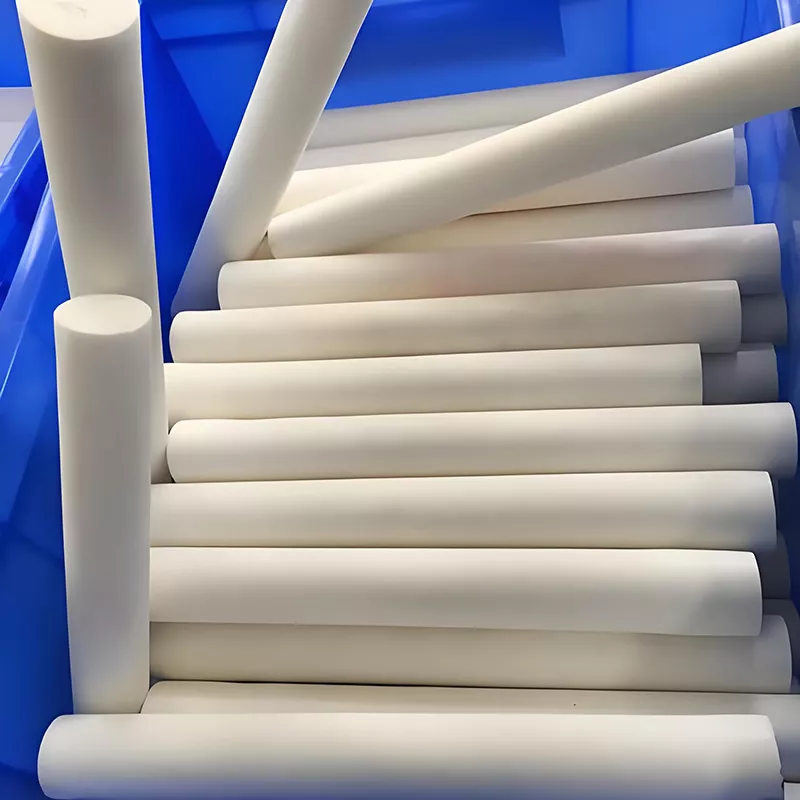
Advanced Ceramic Materials
Compare advanced ceramic materials as candidates for the stated job, not as interchangeable catalog labels. Zirconia grade, geometry, temperature exposure, mechanical loading and mating surfaces should be reviewed together before material selection or quotation assumptions are made.
Discuss Your Ceramic Part
Technical Ceramic Products
Identify technical ceramic components and industrial ceramic parts by familiar forms such as tubes, rods, rings, plates, and custom drawing-based parts. Confirm assembly-critical dimensions, material designation, quantity, and acceptance criteria for a zirconia sourcing discussion.
Discuss Your Ceramic Part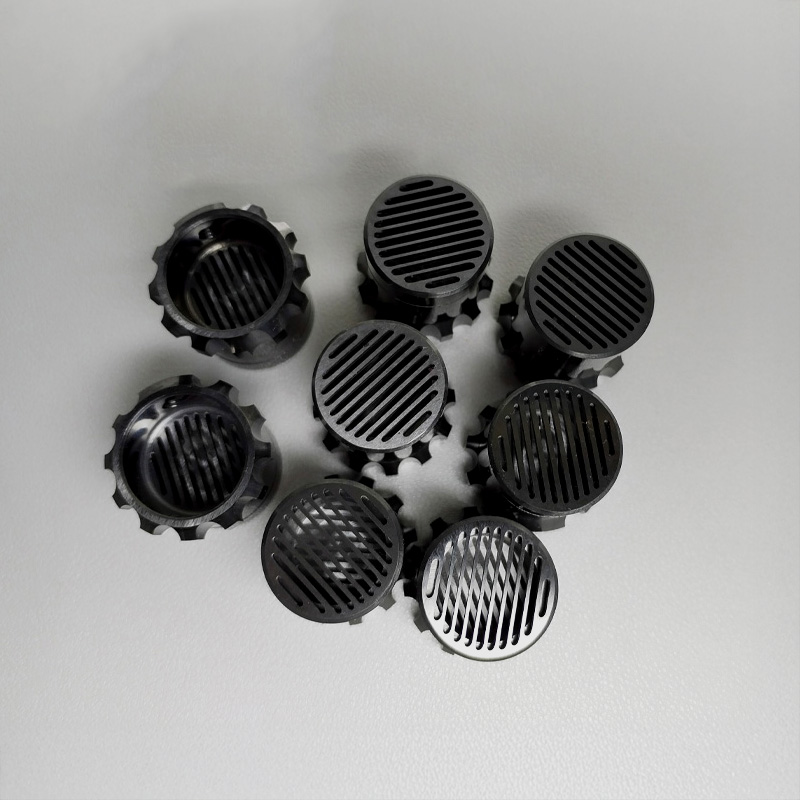
Technical Ceramic Resources
Use this technical ceramics guide to prepare a clearer inquiry: provide the drawing, intended service conditions, required documentation and inspection expectations. It helps distinguish general material information from the grade-specific and dimensional details that require project confirmation.
Discuss Your Ceramic PartMaterials for Zirconia Ceramics Thermal Performance


Alumina Ceramics
A widely used oxide ceramic option for insulating parts, structural supports, and process hardware. Grade selection should account for thermal exposure, electrical needs, dimensional tolerances, and the component’s assembly interfaces.

Silicon Carbide Ceramics
A carbide ceramic family to assess for parts exposed to heat transfer, wear, corrosion, or demanding process environments. Material grade, section thickness, operating atmosphere, and inspection requirements need project-specific review.

Silicon Nitride
A nitride ceramic option for mechanically loaded components where thermal conditions, fracture behavior, and assembly geometry matter. Evaluate the required grade alongside contact surfaces, load direction, temperature profile, and acceptance criteria.

Aluminum Nitride
A nitride ceramic family often assessed for electronic substrates and insulating components that must manage heat flow. Confirm grade, substrate dimensions, thermal interface conditions, and documentation expectations with a drawing-led inquiry.

Boron Nitride
A specialty ceramic material family to consider for high-temperature fixtures, insulating elements, and process-contact parts. Operating atmosphere, part shape, mechanical loading, and compatibility with adjoining materials guide the evaluation.
Zirconia Ceramics Thermal Performance: Processes Considered for Your Part

Forming Review
Review the component form, wall sections, internal features, and dimensional priorities to identify a forming approach worth evaluating. Final feasibility depends on the selected grade, geometry, quantity, and project requirements.

Sintering Planning
Consider sintering requirements alongside material designation, section thickness, dimensional change, and critical interfaces. This helps frame realistic discussions around finished dimensions, machining allowance, and thermal-service expectations for the requested part.
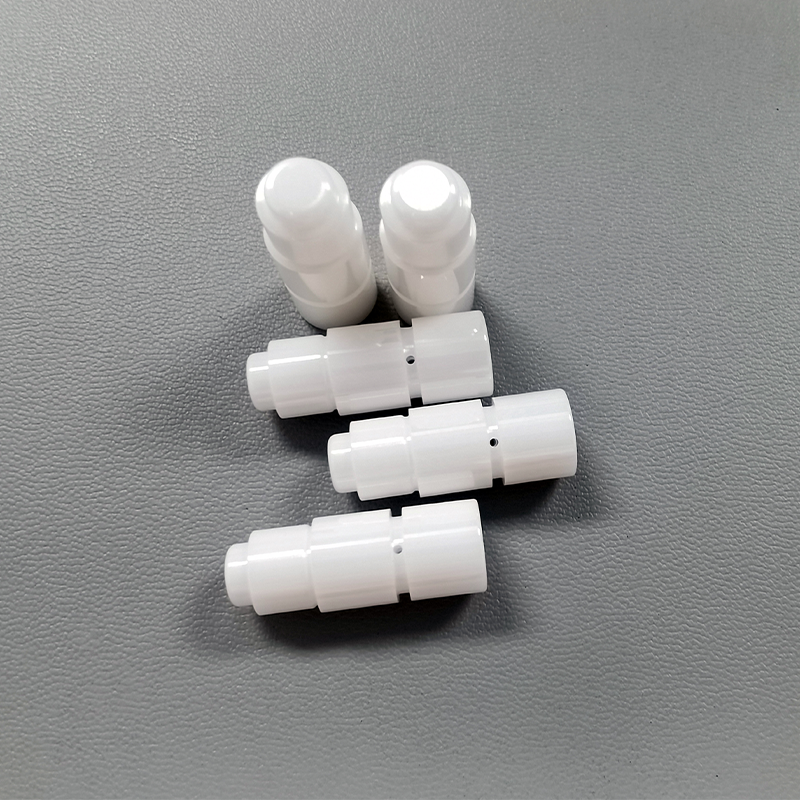
Precision Machining
Evaluate grinding or other finishing operations for fit surfaces, bores, faces, and assembly-critical dimensions. Share the current drawing revision and tolerance callouts so machining needs can be assessed against the intended component geometry.

Surface Finishing
Discuss surface condition where it affects sealing, sliding contact, mating parts, cleanliness, or inspection. Define the relevant areas on the drawing and distinguish essential functional requirements from cosmetic preferences before quotation review.

Inspection Planning
Align inspection points with the dimensions, geometry, material documentation, and acceptance criteria that matter to approval. Clear measurement expectations help focus the project discussion on verifiable part-level requirements rather than general material descriptions.
Zirconia Ceramics Thermal Performance: Functional Features

Mating Surfaces
Identify sealing, bearing, locating, or contact faces on the drawing. Surface finish, flatness, and the counterpart material help frame how the zirconia component must assemble and perform in service.

Precision Holes
Specify through-holes, blind holes, counterbores, and their functional dimensions. Include position tolerances, mating hardware, and any inspection requirement so the inquiry reflects the component’s assembly role.

Threaded Features
Show internal or external thread requirements, inserts, or threaded interfaces clearly. State the mating part and expected loading conditions, allowing thread geometry and manufacturing suitability to be reviewed project by project.

Functional Grooves
Document grooves for seals, retention, fluid paths, or assembly clearance. Provide dimensions, edge conditions, and the related mating feature to clarify which details are essential to component function.

Part Marking
Describe identification marks, orientation references, lot tracking needs, or handling labels. Note the marking location and acceptance expectations so documentation and component identification can be discussed with the quotation request.
Zirconia Ceramics Thermal Performance at Porcecore
Porcecore was founded by Andy Yuan to make technical ceramic sourcing more understandable for industrial buyers, equipment builders, and project teams. Our mission begins with the component and its working conditions, helping turn a material question into a clearer, better-informed part requirement.
For zirconia ceramics thermal performance projects, we consider more than a material name. A tube, rod, ring, substrate, or custom component must be discussed alongside its geometry, mating surfaces, service environment, and inspection expectations. Our coverage spans oxide, nitride, carbide, and specialty ceramic families.
What distinguishes Porcecore is an application-first, drawing-led approach guided by clarity before commitment. Send a current drawing revision, known material designation, quantity, operating conditions, and acceptance criteria so the quotation discussion can identify essential requirements, open questions, and the next practical decision.
A Drawing-Led Approach to Zirconia Component Sourcing
Review the Service Environment
Start with the heat path, operating cycle, atmosphere, adjacent materials, and mechanical loads. Zirconia ceramics thermal performance should be assessed as part of the complete assembly, so the discussion can identify which conditions are essential to the component decision.
- Identify continuous, peak, and cycling temperatures
- Note contact surfaces, mounting method, and thermal gradients
- Describe atmosphere, media exposure, and mechanical loading
- Flag insulation, heat-flow, or dimensional-stability priorities

Interpret the Drawing First
A material label alone does not define a usable ceramic part. Porcecore reviews the current drawing revision alongside critical geometry, interfaces, and tolerances, helping procurement and engineering teams turn a general zirconia requirement into a quotation-ready component discussion.
- Share the current drawing revision
- Mark assembly-critical dimensions and mating surfaces
- Clarify tolerances, finish expectations, and reference datums
- Include quantity, application notes, and replacement-part context

Discuss Grade-Specific Behavior
Thermal properties can vary with zirconia formulation and stabilizing system, while published values are typically grade-specific rather than universal. Discuss the material designation, service temperature, and application needs before treating a general property as a final part specification.
- State the zirconia grade if it is known
- Compare thermal needs with strength and toughness priorities
- Confirm whether phase stability is application-relevant
- Use published property data as a starting point, not a contractual value
- Source: https://www.syalons.com/materials/zirconia

Align Acceptance Criteria
Close the gap between a promising material choice and an acceptable delivered part. Define what will be checked, documented, and approved for the project, including critical dimensions, material identification, surface requirements, and any records needed for your internal release process.
- Separate essential requirements from preferences
- Define inspection points and acceptance limits
- Specify requested material or inspection documentation
- Confirm commercial, delivery, and approval expectations before order commitment

Compare Drawing-Led and Material-First Ceramic Inquiries
Compare a drawing-led inquiry with a material-name-only starting point before requesting a quotation.
← Swipe left or right to view →
Zirconia Ceramics Thermal Performance Project Path
Move from operating conditions and drawing review to confirmed acceptance, packing, and delivery terms for the individual component requirement.
Define Service Conditions
Share the part function, temperature exposure, thermal cycling, mating conditions, quantity, and known material designation to frame the zirconia discussion.
Review Grade Options
Discuss zirconia ceramics thermal performance alongside geometry, thermal expansion considerations, and application constraints before treating any material property as project-specific.
Confirm Drawing Details
Provide the current drawing revision and identify assembly-critical dimensions, fit surfaces, tolerances, and any features that affect manufacturing or inspection.
Set Acceptance Expectations
Clarify the required grade, inspection scope, documentation, surface condition, and acceptance criteria so the quotation conversation has a defined technical basis.
Align Packing And Delivery
Confirm packing needs, delivery expectations, commercial terms, and remaining open points before an individual production order is agreed.
Define Zirconia Ceramics Thermal Performance Requirements
A drawing-led path from initial part details to confirmed project terms.
Send Your Drawing
Send the current drawing revision, known material designation, annual or batch quantity, and operating conditions so the starting requirement is clear.
Identify Critical Conditions
Identify assembly-critical dimensions, mating surfaces, thermal exposure, cycling conditions, atmosphere, and acceptance criteria to focus discussion on the zirconia part’s actual job.
Review Open Requirements
Review open questions on grade, geometry, inspection expectations, documentation, delivery, and commercial terms with Porcecore before a project-specific quotation discussion takes shape.
Confirm Project Terms
Confirm the agreed drawing, material grade, tolerances, documentation, delivery, and commercial terms before production commitments are made for the individual project.
Certification and Documentation Requirements
Customer Project Evidence
Approved customer feedback will be published here only after the project, outcome, and attribution have been verified. Each example will identify 1 defined component requirement and the documented sourcing result.
This space is reserved for verified project evidence from procurement and engineering teams. Future feedback will describe the drawing revision, operating conditions, and 1 measurable outcome approved for publication.
Porcecore will add customer examples when written approval and attributable details are available. Each published testimonial will distinguish a material discussion from a confirmed part specification and documented project outcome.
Zirconia Ceramics Thermal Performance FAQ
Clarify the drawing, service environment, acceptance evidence, and commercial inputs before requesting a project-specific quotation.
What should we provide to evaluate zirconia ceramics thermal performance for our part?
How is zirconia ceramics thermal performance connected to grade selection?
Can you quote zirconia ceramics thermal performance parts from a sample?
Which tolerances and functional surfaces should appear on the drawing?
What inspection evidence can be requested for a zirconia component order?
How should we state quantity, sampling, and approval expectations?
How are packaging, shipping, delivery, and payment handled?
How can we protect drawings and project information during an inquiry?
The Complete Buyer’s Guide to zirconia ceramics thermal performance
Use a practical decision framework to compare zirconia grades, thermal limits, design constraints, and supplier evidence, while avoiding specification mistakes that can shorten component life or delay an OEM project.
1. What Is Zirconia Ceramics Thermal Performance?
2.0 W/(m·K), 10 × 10⁻⁶ K⁻¹, a 250°C quenched ΔT, and 1000°C maximum use temperature are typical figures reported for one yttria-stabilized grade, not universal zirconia limits (https://www.syalons.com/materials/zirconia). Zirconia ceramics thermal performance means the finished part’s combined ability to limit heat flow, accommodate expansion, survive gradients, resist phase change, and retain adequate strength and toughness.
1000°C is therefore not a purchasing specification by itself: wall thickness, heat-up rate, mating-metal restraint, atmosphere, cyclic duty, surface flaws, and stabilizer system can govern failure earlier or alter suitability. Specify hot- and cold-face temperatures, ramp and quench profile, expansion match, conductivity target, required phase stability, and mechanical acceptance criteria against the drawing revision.
2. Evolution of Zirconia Thermal Engineering
1789 marks the identification of zirconia, which later became an engineering ceramic rather than a single, fixed material. Pure ZrO2 changes crystal structure with temperature; that phase behavior can limit thermal reliability. Source: https://www.preciseceramic.com/blog/zirconia-ceramic-properties-a-summary.html
Yttria- and magnesia-stabilized formulations were developed to control phase transitions and retain useful strength and toughness in more demanding thermal service. Stabilizer choice, microstructure, firing route, geometry, and atmosphere still affect the result; no zirconia grade is universally suitable. Source: https://www.syalons.com/materials/zirconia
Today, zirconia ceramics thermal performance is specified by the formulation and the component duty, not by the word zirconia alone. A buyer should state the grade or stabilizer where known, operating temperature and cycle, atmosphere, thermal gradients, mating surfaces, drawing revision, and acceptance criteria before a supplier confirms suitability.
3. Types of Zirconia Ceramics Thermal Performance
Zirconia ceramics thermal performance depends chiefly on stabilizer chemistry and service history. Compare phase stability with expansion mismatch, mechanical load, and the temperature-change rate before selecting a family.
| Family | Phase Strategy | Best Evaluation Profile |
|---|---|---|
| Unstabilized | Transitions uncontrolled | Avoid repeated cycling |
| YSZ | Yttria stabilized | Heat plus load |
| MSZ | Magnesia stabilized | Sustained heat |
| ZTA | Alumina matrix | Wear plus mismatch |
Unstabilized Zirconia
Pure ZrO2 changes crystal form during heating and cooling, creating disruptive volume change. It is rarely the first choice for repeatedly cycled structural parts.
Yttria-Stabilized Zirconia
YSZ offers controlled tetragonal or cubic stability and useful transformation toughening. Evaluate it for loaded fixtures, insulating parts, and cycling duties after confirming grade-specific limits.
Magnesia-Stabilized Zirconia
MSZ generally prioritizes high-temperature phase stability and thermal-duty robustness. Consider it where sustained heat and larger sections outweigh maximum room-temperature strength.
Partially Stabilized Grades
Partially stabilized zirconia retains transformable tetragonal grains that can resist crack growth. It suits impact-prone thermal components, but aging, atmosphere, and cycling profile require review.
Zirconia-Toughened Alumina
ZTA combines alumina wear resistance with zirconia-derived toughness and lower expansion than many zirconias. Screen it for wear-loaded hot hardware where thermal mismatch matters. Source context: https://ggsceramic.com/news-item/the-top-10-high-temperature-ceramic-and-their-operating-temperature
4. Materials Behind Zirconia Ceramics Thermal Performance
Grade identity controls zirconia ceramics thermal performance before geometry is considered. Stabilizer chemistry, density, grain size, impurities, and firing history must be reviewed as one material system.
| Material Variable | Likely Thermal Effect | Verification | Buyer Question |
|---|---|---|---|
| Stabilizer content | Changes phase stability and expansion | Chemistry report | Which grade and range? |
| Grain size | Affects strength retention and aging | Microstructure report | What acceptance range? |
| Porosity and sintering | Raises insulation; can reduce strength | Density and porosity test | Open or closed porosity? |
| Composite design | Can redirect heat flow | Grade-specific data sheet | Which phase carries heat? |
| Conductivity benchmark | Grade-specific, not universal | Test temperature and method | At which temperature? |
| Reference | Published YSZ example: 2.0 W/mK | https://www.syalons.com/materials/zirconia | Comparable grade and test body? |
Insulate Or Dissipate
Low-conductivity zirconia suits thermal barriers; a heat-spreading duty may require a different ceramic family or a validated composite. Specify heat-flow direction, temperature range, gradient, and allowable expansion mismatch.
- State insulation or heat-dissipation target
- Name mating-material expansion limits
- Request property test temperatures
Data Sheet Review
100% dense is not a substitute for a density target, test method, or lot acceptance rule. Request stabilizer type and content, grain-size range, open porosity, purity limits, sintering profile, thermal conductivity, expansion, retained strength, and aging-test conditions.
5. Customizing Zirconia for Thermal Duty
One thermal-duty part starts with its heat path, constraints, and mating hardware. A custom request should translate zirconia ceramics thermal performance into drawing-controlled features and service conditions.
Geometry And Wall Sections
One wall-thickness change can alter through-section temperature differences and sintering distortion. Specify sections, bores, transitions, and unsupported spans.
Two generous internal radii reduce sharp geometric transitions that concentrate thermally induced stress. Identify any geometry that cannot change.
Interfaces And Finishes
One interface drawing should mark locating diameters, contact faces, fastener regions, and mounting clearance. State mating-material expansion, assembly temperature, and whether the joint floats or clamps.
Two surface requirements should distinguish sealing, sliding, and nonfunctional faces. Provide finish targets only where function requires them, since tighter tolerances and finishing affect manufacturability.
Grade And Quotation Inputs
One material designation is insufficient without the operating profile. Supply peak and normal temperature, ramp rate, cycle count, atmosphere, loads, and likely contaminants.
Two acceptance records can clarify the quotation basis: current drawing revision and inspection criteria. Include quantity, required documentation, critical dimensions, and replacement-part samples where available.
6. Construction Elements That Protect Thermal Reliability
Thermal-cycle reliability is built before final inspection. For zirconia ceramics thermal performance, request objective records that connect powder, forming, firing, finishing, and the released production lot.
Powder And Forming Control
Each powder lot should have an identified formulation, conditioning record, and moisture-control method. Consistent pressing or forming reduces local density variation that can concentrate thermal stress.
Sintering And Porosity Evidence
Each firing batch should be tied to a defined thermal cycle and density result. Density and porosity checks help identify incomplete consolidation, which can increase crack initiation during repeated heating and cooling.
Finishing And Release Records
Every critical edge, bore, and mating surface should have a drawing-based inspection result. Request machining, edge-treatment, dimensional, and lot-traceability records so any thermal-cycle failure can be investigated against its production history.
7. Choosing a Zirconia Thermal Performance Manufacturer
One supplier review should begin with the actual duty cycle: ramp rate, peak temperature, dwell time, atmosphere, load path, and cooling method. A competent discussion turns those conditions into drawing, material, inspection, and prototype questions.
Map The Thermal Duty
One application review should identify every thermal transition and constraint point, including mating metal, mounting preload, and local heat source.
Two suppliers may quote the same grade yet assume different atmospheres or fixture conditions; document the assumptions before comparison.
Compare Relevant Data
Two data sheets are comparable only when specimen geometry, test temperature, direction, and method match.
One brochure maximum is not a component limit. Request grade-specific values and the operating assumptions behind zirconia ceramics thermal performance.
Prove Control Before Production
One prototype lot should be inspected against assembly-critical dimensions after the proposed thermal exposure.
Two controls matter before release: traceable inspection records and written approval for material, process, drawing, or supplier changes.
8. Common Zirconia Ceramics Thermal Performance Mistakes
One maximum-temperature figure cannot define zirconia ceramics thermal performance. Failure often begins when the drawing omits heat flow, mating materials, edge geometry, and the acceptance test.
Temperature Is Not The Load
1 temperature limit ignores gradients and cycling; local tensile stress can crack an otherwise suitable part. Ask: What are the ramp rate, hot-face and cold-face temperatures, cycle count, and atmosphere?
Data Must Match Conditions
2 typical values are not guaranteed design values, and comparisons fail when specimen, temperature range, or quench method differs. Ask: Which grade, test method, temperature range, and acceptance limit apply to this geometry?
Assembly Needs Validation
3 expansion mismatch, sharp internal corners, and skipped prototypes concentrate stress at fits and transitions. Ask: What are mating-material expansions, edge radii, preload, and prototype thermal-cycle results before release?
9. Steps to Launch a Thermal Ceramic Project
A low-risk launch converts zirconia ceramics thermal performance into testable part requirements before a purchase order. Engineering owns duty definition; purchasing owns traceability, commercial alignment, and release controls.
Define The Duty
Step 1 records temperature range, ramp rate, atmosphere, load, cycling, and expected life. Step 2 ranks likely failures: cracking, distortion, wear, chemical attack, or heat leakage.
Align Design And Grade
Step 3 compares candidate grades against the actual duty rather than generic property tables. Step 4 sends the current drawing, mating materials, critical interfaces, quantity, and documentation needs for manufacturability feedback.
Prototype Then Release
Step 5 prototypes the agreed geometry and defines acceptance criteria for dimensions, surfaces, material identification, and inspection records. Step 6 validates representative thermal cycling, then purchasing releases production only after engineering approves results and revision control.
10. Zirconia Thermal Component Pricing and Cost
Two pricing decisions usually dominate: the required material grade and the amount of post-sinter machining. Porcecore does not publish fixed component prices; a quote depends on the current drawing, tolerances, testing, inspection scope, and order volume.
Four schedule inputs merit early review: tooling, geometry, machining, and approval documentation. For zirconia ceramics thermal performance, tight fits, thin walls, complex bores, and expedited delivery can increase both cost and project timing.
| Quantity tier | Geometry and machining | Grade and inspection | Lead-time category |
|---|---|---|---|
| Prototype or low volume | Complex form; extensive grinding | Specified grade; first-article or added testing | Longer: tooling and approval review |
| Small production | Moderate geometry; critical surfaces machined | Grade confirmation; dimensional inspection | Standard: capacity-dependent |
| Repeat production | Stable geometry; limited finish machining | Agreed grade; routine inspection | Shorter: approved drawing reused |
| Higher volume | Tooling-efficient geometry; minimized grinding | Defined acceptance plan; sampling as agreed | Shorter: planning still required |
Discuss Zirconia Ceramics Thermal Performance Requirements
Email your drawing or describe the component, operating environment, and acceptance needs to info@zlrsmaterials.com. You can also contact Porcecore by WhatsApp at +86 130 6482 5920.