
Technical Ceramics for Electric Vehicles, Clearer OEM Sourcing
Technical ceramics for electric vehicles, aligned with your drawing, material requirements, geometry and acceptance criteria for a clearer quotation conversation.
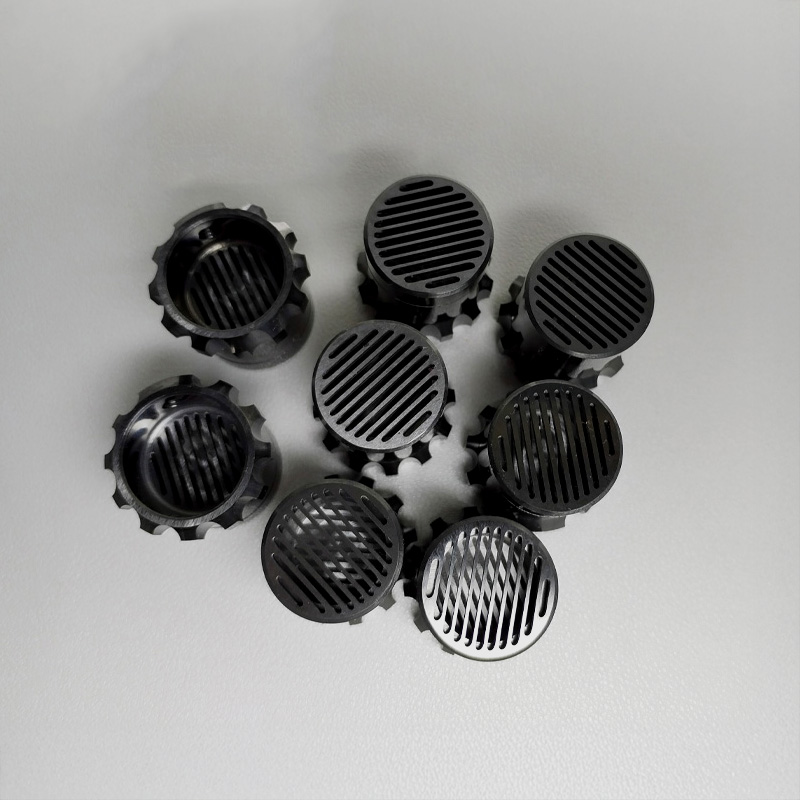
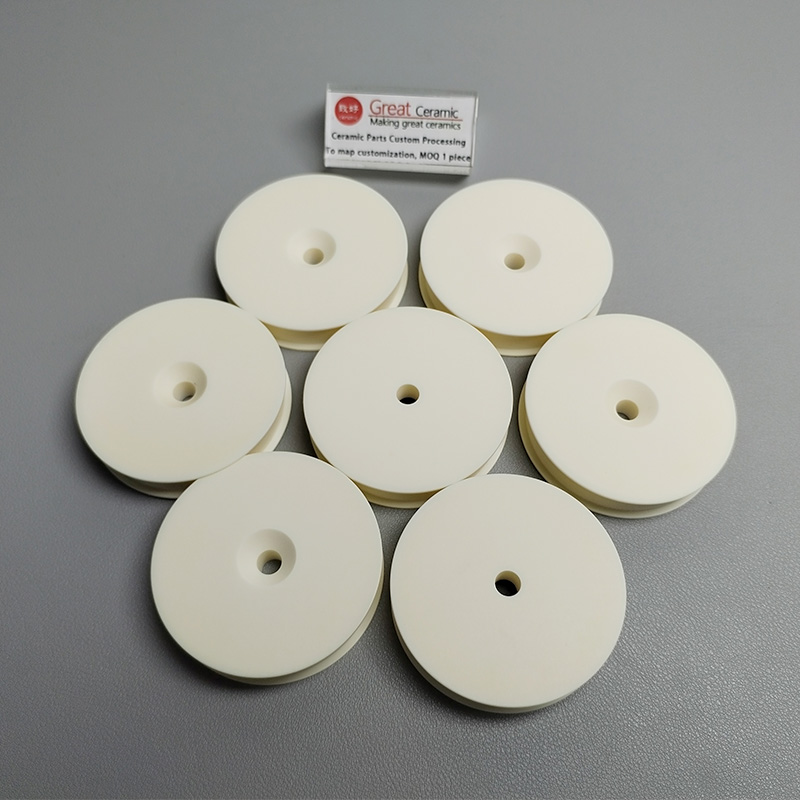
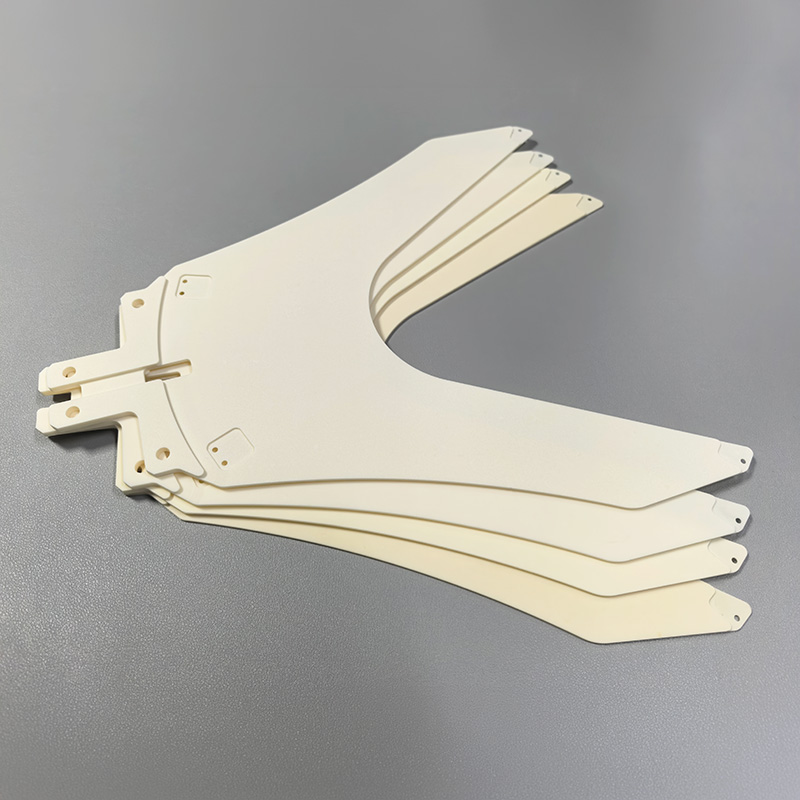
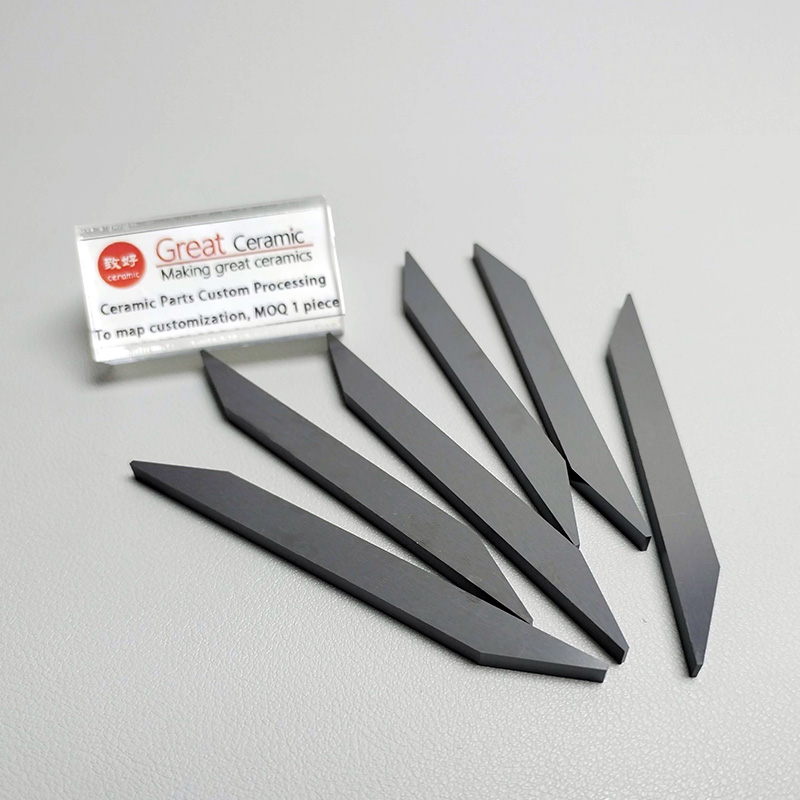
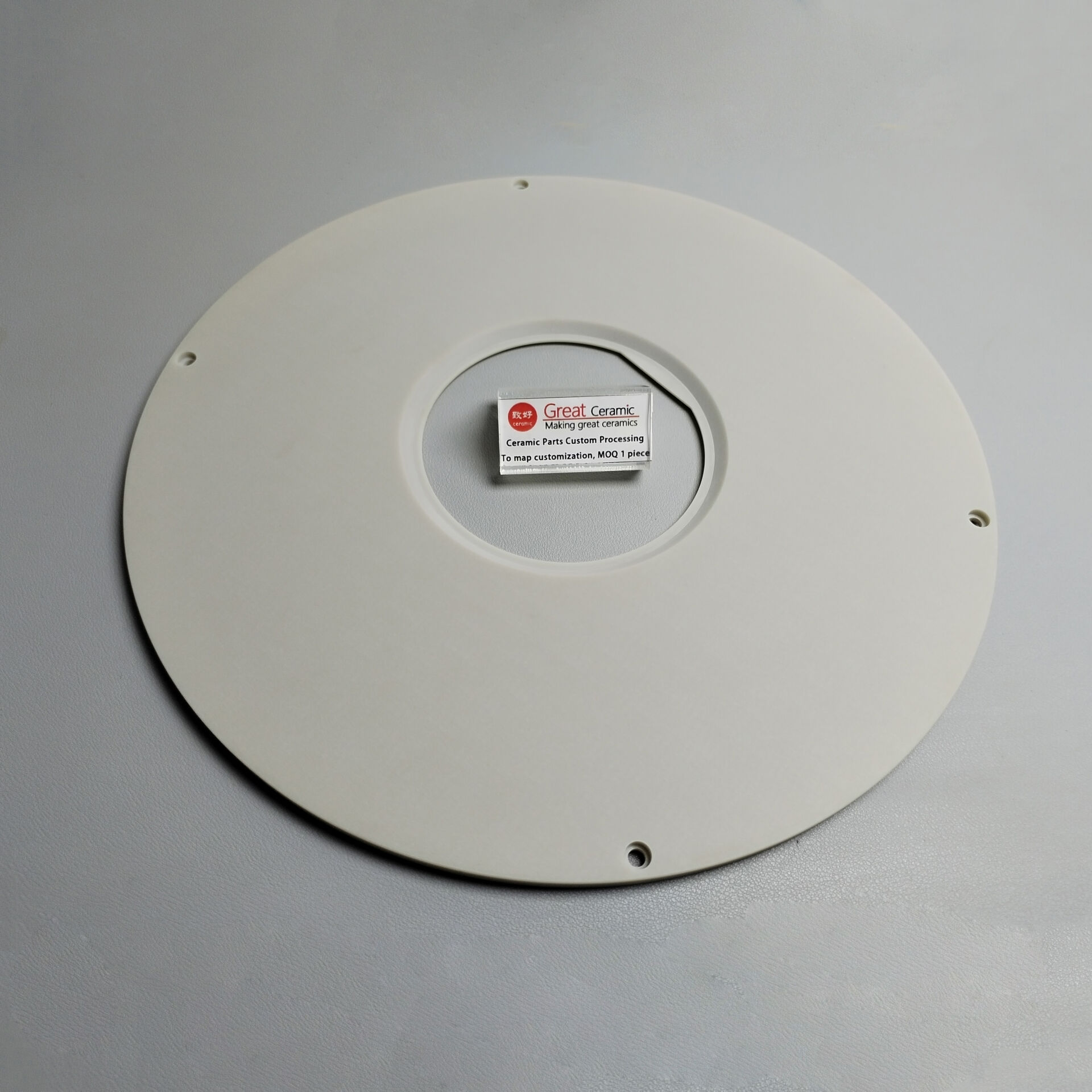
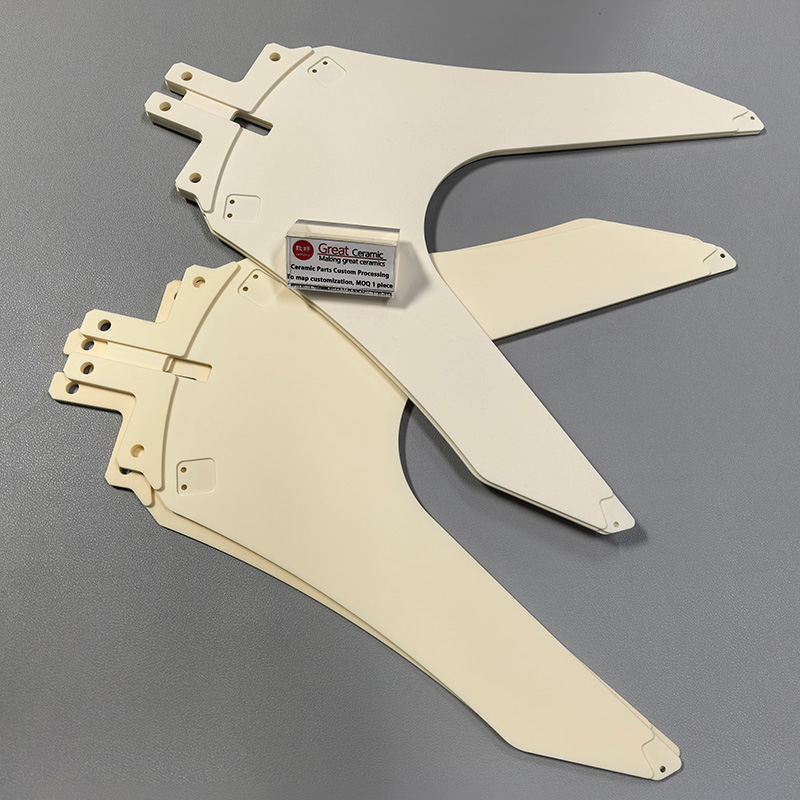
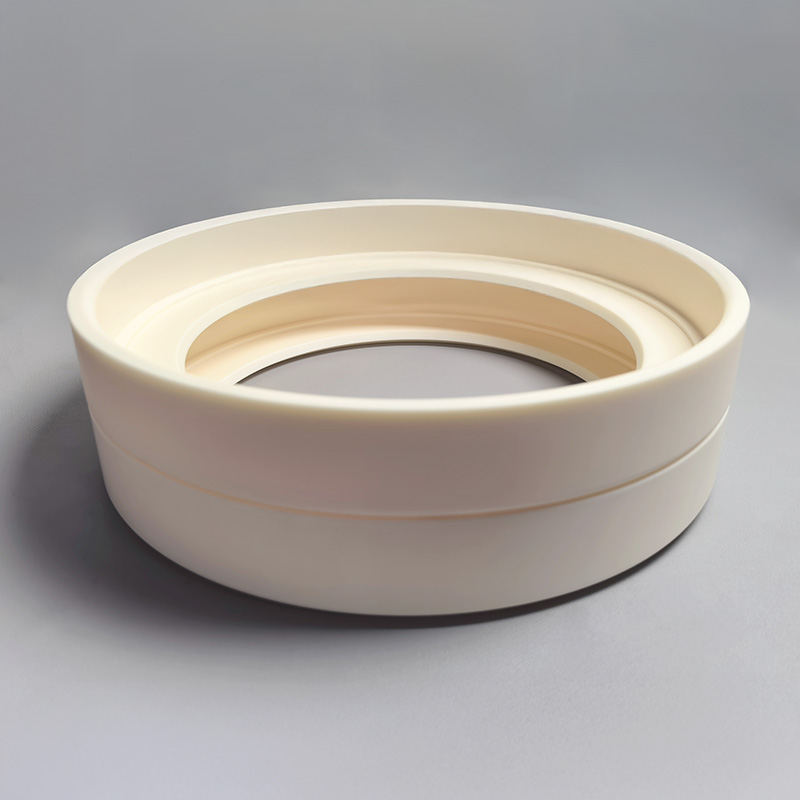
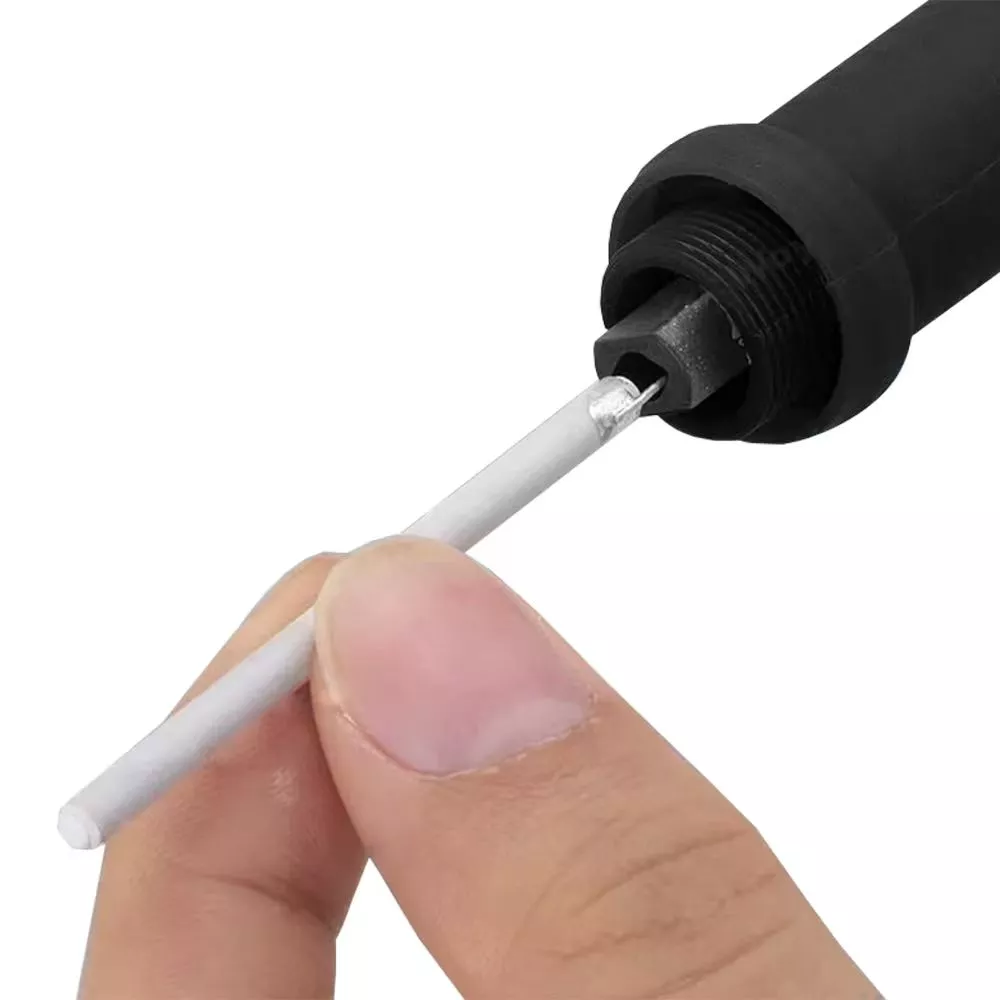
Featured Ceramic Components for EV Development






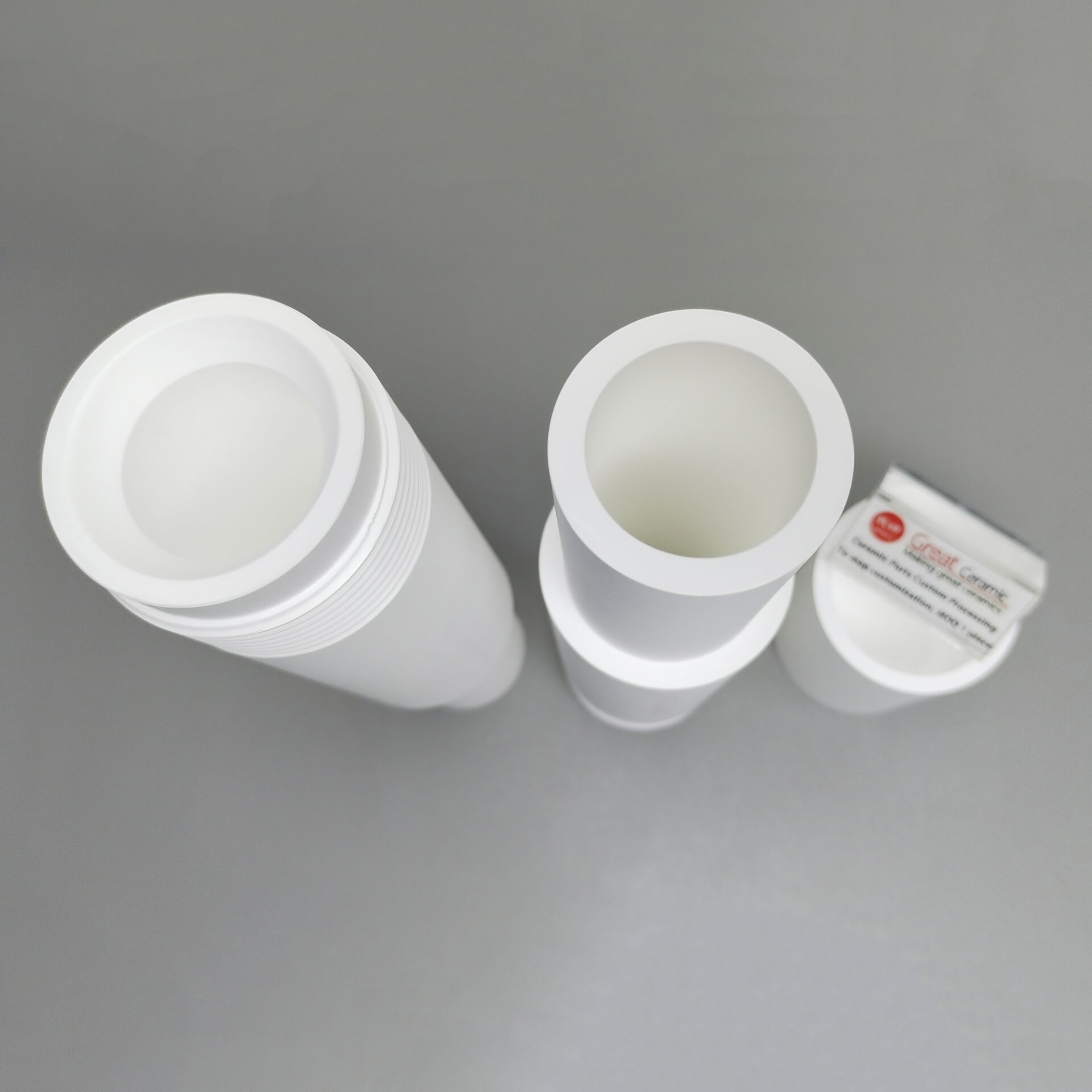

Related Technical Ceramic Parts and Quotation




Drawing-Led Sourcing Criteria for EV Ceramic Parts
Evaluate the requirements behind each ceramic component before turning an inquiry into a quotation discussion.
Control Drawing Revisions
Start with the current drawing revision, critical dimensions and open questions so a technical ceramics for electric vehicles quotation reflects the part under review.
Confirm Material Grade
Confirm the required ceramic family and grade against electrical, thermal, mechanical and environmental conditions; material names alone do not define a project-ready specification.
Review Component Geometry
Review tube, rod, ring, substrate or other geometry alongside mating features, tolerances and assembly dimensions to separate essential fit requirements from preferences.
Clarify Process Route
Discuss the likely process route and finishing needs with the component requirement, keeping manufacturability questions visible before quotation assumptions become commitments.
Specify Functional Surfaces
Identify functional surfaces that contact, seal, insulate, transfer heat or locate the part, then connect each surface requirement to the relevant operating condition.
Define Inspection Evidence
Define inspection evidence, acceptance criteria and required documentation early, giving procurement and engineering teams a clearer basis for comparing the quoted ceramic component.
Ceramic Components and Materials for EV Projects
Explore material families, component forms and sourcing resources that help EV teams define requirements and move technical inquiries toward review.

Ceramic Manufacturing Capabilities
Ceramic manufacturing capabilities should be evaluated against the part’s geometry, tolerances, mating surfaces and inspection needs. For EV projects, a drawing-led inquiry helps clarify the suitable forming, machining, finishing and verification route before quotation or production discussions begin.
Discuss Your Ceramic Part
Ceramic Solutions by Industry
Advanced ceramics applications in EV engineering may include battery systems, power electronics, electrical insulation, thermal management and wear-resistant assemblies. Connecting the application to operating temperature, voltage, mechanical loading and environmental exposure helps procurement teams identify open requirements before selecting a component or material.
Discuss Your Ceramic Part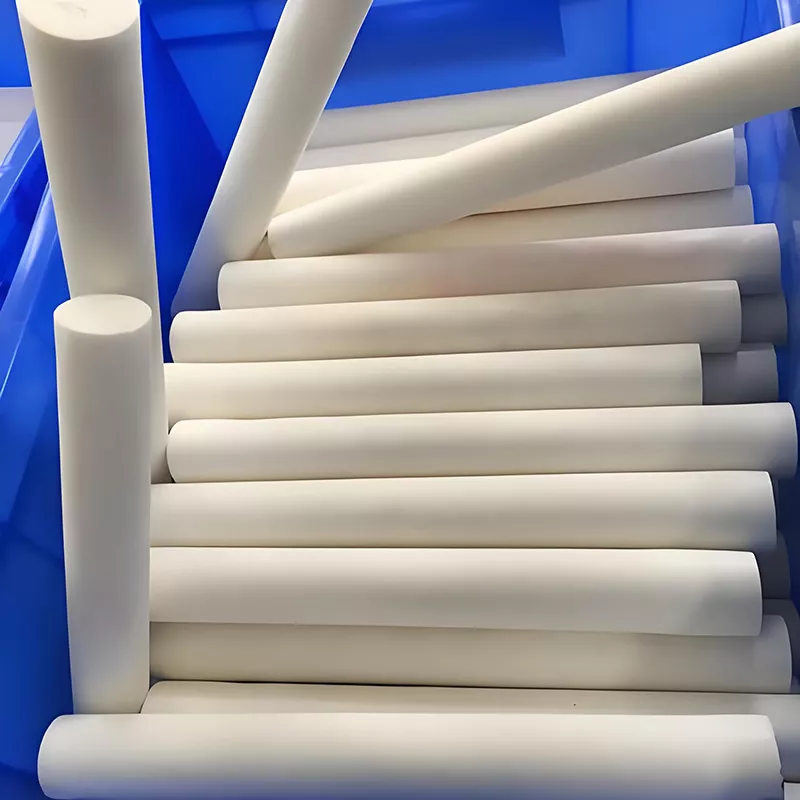
Advanced Ceramic Materials
Advanced ceramic materials include alumina, zirconia, silicon carbide, silicon nitride, aluminum nitride, boron nitride and other specialty families. Each project should relate the material choice to thermal, electrical, mechanical and chemical requirements, with grade-specific properties confirmed rather than inferred from a general material name.
Discuss Your Ceramic Part
Technical Ceramic Products
Technical ceramic components and industrial ceramic parts include tubes, rods, rings, substrates and other engineered forms used within industrial equipment and EV-related assemblies. Dimensions, tolerances, surface condition and interfaces determine whether a standard form is relevant or a drawing-based custom quotation is required.
Discuss Your Ceramic Part
Technical Ceramic Resources
Technical ceramic resources can support early comparison of material families, component forms and specification terms. Use a technical ceramics guide to frame the inquiry, then confirm the current drawing revision, grade, quantity, service conditions, documentation and acceptance criteria with the Porcecore team.
Discuss Your Ceramic PartEV Ceramic Material Families

Alumina Ceramics
A widely used electrical insulating ceramic for substrates, insulators and wear-resistant components. Alumina offers a practical balance of hardness, dielectric performance and cost, with grade and geometry confirmed against the application.

Zirconia Ceramics
Zirconia is suited to applications requiring toughness, hardness and wear resistance, including precision components and demanding interfaces. Stabilizer system, surface finish, dimensions and operating conditions should be confirmed for each part.

Silicon Carbide Ceramics
Silicon carbide supports components exposed to heat, wear, corrosion or demanding thermal conditions. Its suitability depends on grade, porosity, geometry, mating surfaces and the inspection requirements defined for the project.
Silicon Nitride
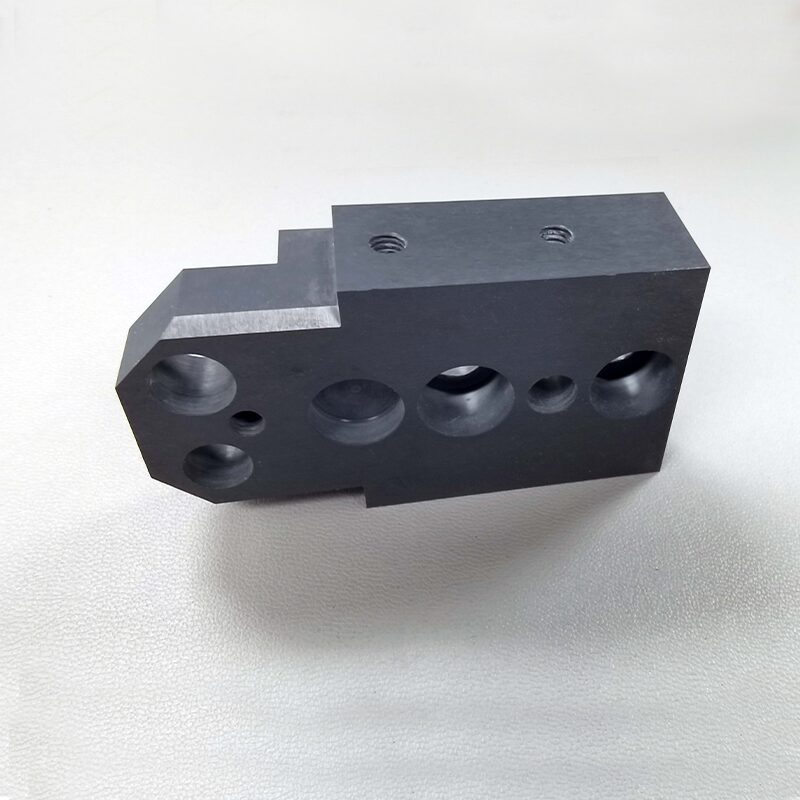
Silicon nitride can fit rotating, bearing-related and thermally demanding components where strength, wear resistance and thermal-shock performance matter. Material grade, lubrication environment, dimensions and surface requirements require project-specific confirmation.

Aluminum Nitride
Aluminum nitride is considered for electrically insulating components that also require thermal management, such as substrates and heat-spreading parts. Thermal performance, metallization, flatness, dimensions and grade must be reviewed against the design.

Boron Nitride
Boron nitride is evaluated for electrically insulating, thermally demanding or release-oriented applications, depending on grade and form. Purity, machinability, thermal conditions, geometry and acceptance criteria should be aligned before quotation.
Manufacturing and Finishing Processes for EV Ceramic Parts

Powder Pressing
Powder pressing forms repeatable ceramic blanks from prepared material blends. It can suit defined component geometries and production volumes, with dimensions, density expectations and allowable variation confirmed against the project drawing.

Injection Molding
Ceramic injection molding shapes complex small components using a feedstock and mold-based process. Parting lines, shrinkage, wall sections and post-processing requirements should be reviewed before confirming suitability for a specific design.

CNC Machining
CNC machining refines fired or partially fired ceramic components to defined dimensions and interfaces. It is useful for reviewing holes, steps, grooves and mating surfaces, subject to material behavior and drawing requirements.

Diamond Grinding
Diamond grinding supports controlled finishing of ceramic faces, bores and functional surfaces after firing. Surface finish, flatness, parallelism and tolerance targets remain project-specific and require confirmation from the current drawing revision.

Lapping And Polishing
Lapping and polishing can improve the finish and geometry of selected ceramic surfaces used in close-fit or interface-sensitive assemblies. The achievable result depends on material, area, geometry and specified inspection criteria.

Metallization And Joining
Metallization and joining options may support electrical interfaces, brazed assemblies or other defined part features. The ceramic material, metallization system, joint design and performance requirements must be reviewed together before quotation.
Interfaces and Part Features for EV Ceramic Components

Mating Surfaces
Define the ceramic surfaces that fit housings, pins, seals or adjacent metal parts. Discuss diameter, flatness, finish, clearance and interface priorities so the quotation reflects assembly requirements for the intended EV component.

Mounting Features
Specify holes, slots, shoulders, grooves or other geometry needed to position and retain a tube, rod, ring or substrate. Drawing-led review helps separate essential assembly features from optional preferences.

Electrical Interfaces
Identify insulation zones, conductive contact areas, creepage expectations and connection geometry where ceramic parts support power electronics, sensors or other EV assemblies. Confirm the relevant grade and acceptance requirements for each application.
Thermal Interfaces
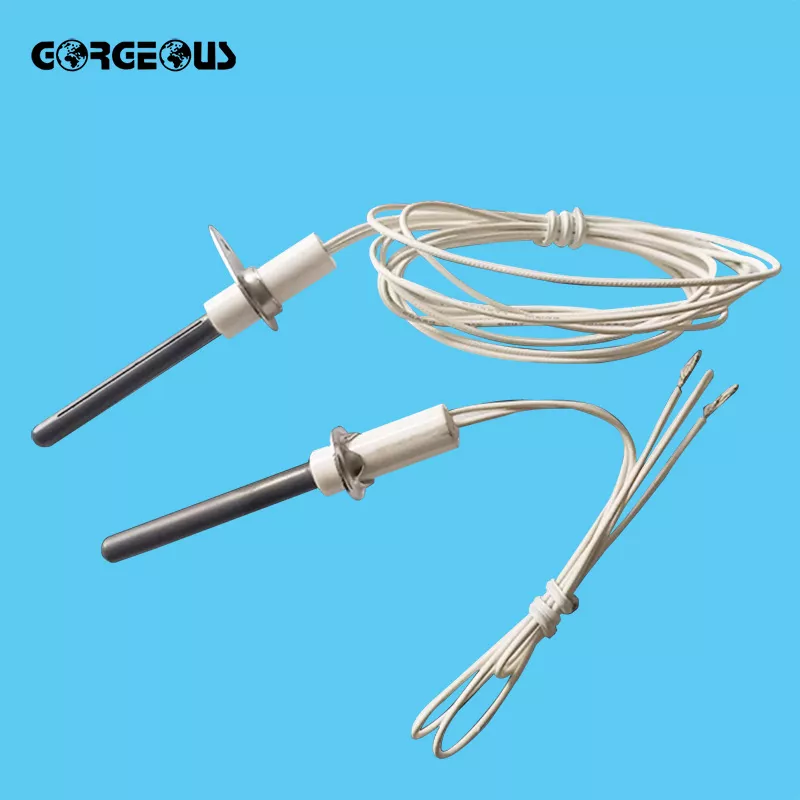
Describe the surfaces that transfer or manage heat, including contact location, flatness, mating pressure and operating conditions. This gives project teams a clearer basis for discussing substrates, insulators or custom replacement parts.

Identification & Docs
Add part markings, revision references, inspection points and documentation needs to support receiving, assembly and approval workflows. Share the current drawing, quantity, service conditions and acceptance criteria with your inquiry.
About Porcecore
Founded by Andy Yuan, Porcecore helps industrial buyers connect technical ceramic materials with the part requirements behind an electric vehicle project. Our scope covers oxide, nitride, carbide and specialty ceramics in familiar forms such as tubes, rods, rings and substrates, with each inquiry considered according to its intended application.
Our difference is a clearer starting point for procurement and engineering discussions. Product illustrations and material families provide direction, but they are not confirmed specifications. Geometry, mating surfaces, operating conditions, grade, tolerances, inspection expectations and documentation must be reviewed for the individual project. Drawing-led communication helps define what needs confirmation before commitment.
For technical ceramics for electric vehicles, Porcecore welcomes a current drawing revision, known material designation, quantity, service conditions and acceptance criteria. Email info@zlrsmaterials.com or contact us on WhatsApp at +86 130 6482 5920 to begin a focused conversation about the component you need.
Core Capabilities for Technical Ceramics for Electric Vehicles
Material Selection With Context
Start with the component’s job, then compare suitable oxide, nitride, carbide and specialty ceramic families against the project requirements. Porcecore helps buyers frame material questions around electrical, thermal, mechanical and environmental conditions without treating a general material description as a confirmed grade.
- Match ceramic families to the part’s service requirements
- Separate general properties from grade-specific values
- Review known material designations and open questions
- Keep application needs central to the inquiry

Geometry and Mating Surfaces
A ceramic tube, rod, ring or substrate must fit the assembly it serves. Drawing-led communication brings dimensions, tolerances, interfaces and mating surfaces into one discussion, helping equipment builders and engineers identify which features control installation, alignment, sealing or electrical connection.
- Share the current drawing revision when available
- Identify critical dimensions and tolerance requirements
- Mark surfaces that fit or contact another part
- Clarify assembly features before quotation review

Operating Conditions Define Requirements
Electric vehicle components may face demanding combinations of temperature, voltage, mechanical loading, moisture, chemicals or thermal cycling. Porcecore uses the stated service environment to guide the sourcing conversation, keeping proposed ceramic components connected to the conditions they must withstand in the project.
- Describe temperature ranges and thermal cycling
- Note voltage, insulation or dielectric requirements
- Include mechanical loads and environmental exposure
- Distinguish essential conditions from expected preferences

Inspection and Quotation Clarity
A useful quotation needs more than a material name and estimated quantity. Include acceptance criteria, inspection expectations, documentation needs and delivery context so the project team can distinguish an initial inquiry from confirmed production requirements and make the next sourcing decision with greater confidence.
- State quantity, acceptance criteria and documentation needs
- Confirm inspection points for critical features
- Review delivery and commercial requirements separately
- Email a drawing or component description to begin

Why Buyers Use Porcecore for EV Ceramic Parts
Compare a clearer, drawing-led approach for sourcing ceramic components against a typical alternative supplier.
← Swipe left or right to view →
From Requirement to Shipment: EV Ceramic Parts
A buyer-visible workflow connecting material review, manufacturing coordination, inspection, documentation and delivery, with project-specific details confirmed for each order.
Define the Requirement
Share the current drawing revision, component form, material designation if known, quantity, service conditions, mating surfaces and acceptance criteria for review.
Review Material Options
Review oxide, nitride, carbide and specialty ceramic options against geometry, electrical, thermal, mechanical and interface requirements; open questions remain visible before quotation.
Coordinate Production
Coordinate manufacturing details, approved revisions and project-specific grade, geometry, tolerances, finishing, quantity and delivery expectations before production begins for the order.
Inspect and Document
Inspect dimensions, surfaces and agreed acceptance points, then compile available records and documentation needed for engineering review, approval or incoming inspection.
Pack and Ship
Confirm packing, shipping details and commercial terms for the individual order, keeping the final handoff aligned with approved requirements and agreed delivery arrangements.
How to Source Custom Ceramic Components for EV Projects
A drawing-led path from EV ceramic part requirements to confirmed production terms.
Send the Drawing
Share the current drawing revision, component form, quantity, service conditions and any known material designation so Porcecore can frame the inquiry.
Clarify Requirements
Review critical geometry, mating surfaces, operating conditions, grade preferences and acceptance criteria, separating essential project requirements from open questions or preferences.
Review the Quotation
Assess the proposed material, geometry, documentation basis, sampling plan and commercial assumptions, then identify revisions needed before approving the next project stage.
Confirm Production Terms
Confirm the agreed grade, dimensions, tolerances, inspection expectations, delivery terms and quantity before production begins on the electric vehicle ceramic part.
Technical Ceramics for Electric Vehicles: Verified Documentation
Customer Evidence for Technical Ceramics for Electric Vehicles
No approved customer testimonial has been supplied for publication. Porcecore can add a verified quote after the customer approves the wording, role, company attribution, and any measurable outcome that may be published.
No documented EV ceramic component case study is currently available with verified project details. A drawing, application requirement, and approved result can provide the basis for a publishable example.
Porcecore does not present unverified performance figures or customer endorsements as fact. Contact the team to discuss a ceramic part requirement and confirm which project evidence can be shared.
FAQ: Technical Ceramics for Electric Vehicles Procurement
Practical answers for drawing-led sourcing, project-specific requirements and clearer quotation discussions.
What information should we provide when requesting technical ceramics for electric vehicles?
How is the material grade selected for technical ceramics for electric vehicles?
Can you support custom geometries and tight tolerances for technical ceramics for electric vehicles?
Is there a minimum order quantity for an EV ceramic component?
What lead time, sampling cost and payment terms should we expect?
What inspection evidence and acceptance criteria can we request?
How should packaging and shipping be planned for technical ceramics for electric vehicles?
Can you support custom ceramic components and project-specific requirements?
The Complete Guide to technical ceramics for electric vehicles
Use this buyer’s guide to evaluate ceramic types, material performance, customization, quality controls, supplier capabilities, cost drivers, and common sourcing mistakes before approving technical ceramics for electric vehicle applications.
1. What Are Technical Ceramics for Electric Vehicles?
Technical ceramics for electric vehicles are engineered around electrical, thermal, mechanical, chemical and dimensional requirements. Buyers apply ceramic components in batteries, power-electronic substrates, sensors, thermal-management hardware, bearings, seals and insulation where the part’s operating conditions demand a defined material, geometry and inspection basis.
Battery voltage, concentrated heat loads and assembly interfaces make insulation integrity, heat dissipation and dimensional control project requirements rather than material-label preferences.
2. Evolution of Technical Ceramics for Electric Vehicles
Early automotive ceramics were used mainly for electrical insulation, wear resistance, bearings, seals and sensor protection. As electrified powertrains developed, ceramic components moved closer to batteries, inverters, motors and high-temperature interfaces, where electrical isolation and dimensional stability became joint requirements.
Higher-voltage systems and more compact power electronics increase demands on insulation coordination, creepage, clearance and thermal management. Today, automated assembly and tighter reliability expectations make geometry, mating surfaces, tolerances, cleanliness and inspection evidence as important as the material family.
3. Types of Technical Ceramics for Electric Vehicles
EV ceramic component types are best separated by the job they perform, not by material name alone.
Substrates And Insulators
Power-electronics substrates and insulating spacers manage voltage isolation and heat flow. Ask whether the drawing defines creepage, clearance, flatness, metallization, and mating pressure.
Feedthroughs And Sensors
Feedthroughs protect high-voltage connections; piezoelectric discs and sensor elements detect pressure, vibration, flow, or position. Ask how hermeticity, sensitivity, polarity, and lead attachment are controlled. Relevant stresses include voltage, temperature cycling, moisture, vibration, and chemical exposure.
Bearings Seals And Thermal Parts
Plain bearings, sealing discs, heat sinks, and pump or valve parts address friction, leakage, and heat rejection. Ask about shaft compatibility, coolant chemistry, contact load, thermal resistance, and surface finish.
Battery And Mechanical Components
Ceramic separators or housings support battery insulation and containment, while wear-resistant rings, guides, and structural parts handle repeated motion. Ask which surfaces assemble, what fault conditions apply, and whether impact tolerance is critical.
4. Materials for Technical Ceramics for Electric Vehicles
Material selection links EV duty conditions to the part requirement.
| Material | Key properties | Common EV uses | Limitations | Buyer validation questions |
|---|---|---|---|---|
| Alumina | Insulating; hard | Insulators; substrates | Lower thermal conductivity | Grade; finish; dielectric test? |
| AlN | Insulating; thermally conductive | Power substrates | Moisture; processing cost | Thermal value; metallization? |
| Si3N4 | Tough; wear resistant | Bearings; seals | Machining cost | Shock; finish; runout? |
| Zirconia | Tough; precise | Bushings; insulators | Low heat transfer | Phase stability; tolerance? |
| SiC | Heat; wear; chemical resistance | Heat spreaders; seals | Brittleness; joining | Flatness; coolant compatibility? |
| Steatite | Economical insulation | Spacers; terminals | Lower strength | Frequency; voltage; finish? |
| Other | BN, mullite, composites | Special thermal/electrical parts | Grade-specific behavior | Application evidence? |
Electrical And Thermal Fit
Alumina insulates economically; aluminum nitride and silicon carbide move heat faster. Validate dielectric strength, thermal cycling, metallization, and coolant exposure for substrates, insulators, and power modules.
Mechanical And Chemical Fit
Silicon nitride suits wear, shock, and bearings; zirconia suits tough, precise small parts. Steatite is cost-effective for insulation, while SiC handles heat, wear, and corrosive environments.
Manufacturing And Validation
Sintering shrinkage, grinding allowance, flatness, surface finish, brazing, metallization, and inspection capability can determine feasibility.
5. Customization Options for EV Ceramic Components
A current drawing should connect each EV ceramic component to its mating surfaces, service conditions and inspection needs.
Geometry And Tooling
A current 2D drawing plus native CAD file should define datums, tolerances, holes, grooves, radii and assembly features. Design-for-manufacture review can identify fragile walls, difficult sintering shrinkage or inaccessible inspection surfaces. Prototype quantities may use temporary tooling or machining; production volumes may justify dedicated tooling.
Surfaces And Assembly Features
Holes, grooves, lapped surfaces, metallization, coatings and bonded features are functional choices when they control insulation, heat transfer, sealing or assembly. Color is usually secondary unless it supports identification or inspection. Tight tolerances, complex features and added finishing steps can reduce yield, extend lead time or require process qualification.
Documentation And Change Control
Revision-controlled drawings should state material designation, critical dimensions, acceptance criteria, inspection reports, packaging requirements and any required traceability. Confirm whether samples, test coupons or first-article approval are needed. A signed revision baseline should govern production, with engineering changes reviewed for fit, function, tooling, qualification and delivery impact.
6. Construction Quality Elements That Matter
Eight production stages—from powder preparation through packaging—can alter ceramic performance.
Process Control And Material Integrity
Powder characterization, forming records, debinding profiles, and sintering charts establish whether density, porosity, cracks, warpage, thermal performance, and strength are controlled. Request grade identification, batch records, and representative test results. For technical ceramics for electric vehicles, general material data is not a component guarantee.
Inspection, Traceability, And Lot Release
Machining and finishing records should address dimensional tolerances, mating surfaces, edge condition, and surface defects. Cleaning and packaging evidence should define contamination controls, handling protection, labeling, and storage conditions.
7. How to Choose a Technical Ceramics Manufacturer
Three evidence groups should shape supplier selection: application fit, manufacturing control, and project discipline.
Verify Engineering And Application Fit
Three RFQ questions expose fit: Which EV-relevant applications and ceramic families match this geometry? What mating surfaces, loads, voltage, temperature, and media can the proposed grade tolerate? Require drawing review, material datasheets, prototype feedback, and documented assumptions.
Check Process And Quality Control
Four review areas matter: tooling, forming, sintering, and finishing. Ask for process capability, inspection equipment, dimensional reports, lot traceability, nonconformance handling, and change-control procedures tied to the approved revision. Sample reviews should compare critical dimensions and interfaces against acceptance criteria.
Test Delivery And Program Readiness
A qualification plan should define prototype quantity, approval gates, repeat samples, documentation, and production release criteria. Request realistic lead times, capacity by process, export documentation, packaging controls, and escalation contacts. Confirm how engineering changes, material substitutions, tooling modifications, and delivery risks are communicated before implementation.
8. Common Mistakes When Buying EV Technical Ceramics
Nine recurring errors can turn a technically suitable ceramic part into an unusable procurement result.
Define The Complete Requirement
1. A material name alone does not define performance; voltage, thermal cycling, geometry, mating surfaces, and contamination limits must be stated. Prevention: attach the current drawing and service conditions. 2. Tolerances, joining compatibility, and cosmetic requests are often under-specified or conflicting.
Compare Like With Like
3. Three quotations may cover different grades, machining, inspection, packaging, or documentation. Prevention: issue one aligned scope and compare exclusions line by line. 4. A visually acceptable sample can fail under representative voltage, temperature cycling, load, or contamination exposure.
Control Changes After Approval
5. One unannounced change in material grade, tooling, process, supplier, or inspection can affect fit and reliability.
9. Steps to Launch an EV Ceramic Component Program
A launch sequence should convert the EV part requirement into evidence: defined risks, controlled drawings, tested samples, and approved production controls.
Capture Requirements And Risks
Start with the current drawing revision, quantity, mating surfaces, voltage, temperature, loads, chemistry, duty cycle, cleanliness, and acceptance criteria. Engineering and quality should identify insulation, thermal, mechanical, and environmental failure risks before material selection. Record unresolved assumptions as decisions, not informal notes.
Select Material And Define Design
Compare candidate ceramic families against the actual operating envelope, geometry, tolerances, and joining method. Engineering owns the material decision; manufacturing engineering reviews forming, sintering, machining, and prototype-tooling implications. Release a drawing that identifies critical-to-function dimensions, datums, surface finish, inspection methods, and revision status.
Prototype, Inspect, And Test
Prototype tooling and sample production should follow the released drawing, with deviations documented before manufacture. Quality verifies dimensions, material identification, visual condition, and agreed documentation against a recorded inspection plan. Functional testing should reproduce the relevant electrical, thermal, mechanical, and environmental stresses.
Qualify, Pilot, And Monitor
Supplier qualification should assess process control, inspection capability, traceability, capacity, and change notification—not only sample conformity. Procurement, quality, and engineering jointly approve the supplier and pilot-production criteria. An RFQ package should give every bidder the same drawing, quantity tiers, forecast, material requirement, test plan, documentation list, Incoterms, and delivery milestones.
10. Pricing and Cost of EV Technical Ceramics
1 drawing revision is the minimum basis for a meaningful quote. Material grade, geometry, tolerances, machining, metallization or coating, inspection, testing, packaging, yield, and qualification can materially change cost; final pricing requires an approved specification. 2 commercial variables also need definition: order volume, tooling or setup treatment, logistics, and required lead time.
| Cost or Quantity Tier | Indicative Pricing Field | Tooling or Setup | Lead-Time Implication | Assumptions to Confirm |
|---|---|---|---|---|
| Prototype / low volume | Quote required | Charge or amortization to confirm | Often longer per-part cycle | Drawing, grade, inspection scope |
| Pilot batch | Quote required | Setup allocation to confirm | Depends on process validation | Yield, testing, packaging |
| Production volume | Quote required | May be amortized by quantity | Planning improves with forecast | Annual demand, tolerances, logistics |
| Special processing | Quote required | Machining, coating, metallization, or fixtures | Additional process and qualification time | Surface requirements and acceptance criteria |
Discuss Technical Ceramics for Electric Vehicles
Email a drawing or describe your component, operating environment and acceptance needs to start a focused Porcecore quotation discussion.