
Technical Ceramics for Robotics and Automation, Defined by Your Part
Discuss technical ceramics for robotics and automation with requirements for geometry, material, mating surfaces, service conditions, and acceptance criteria.
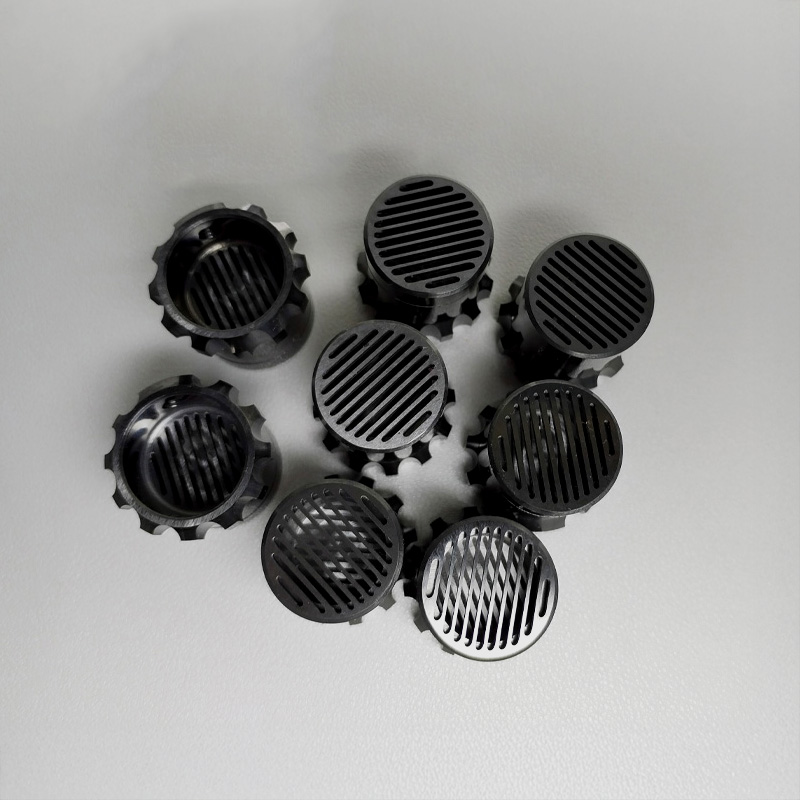
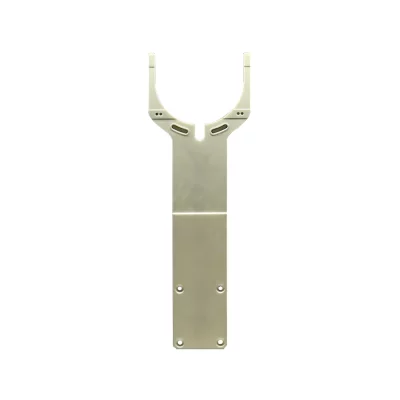
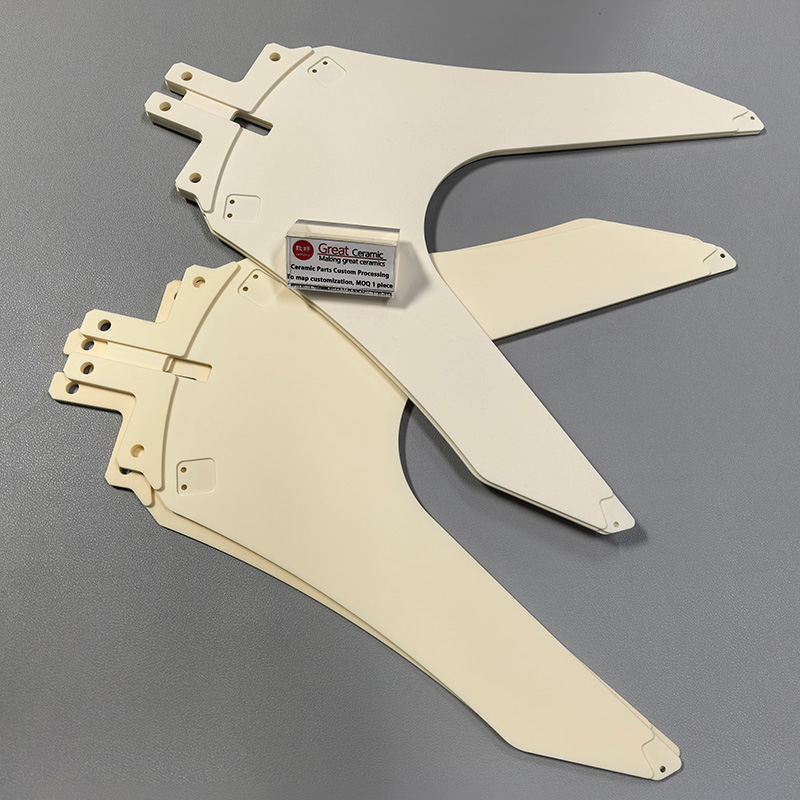
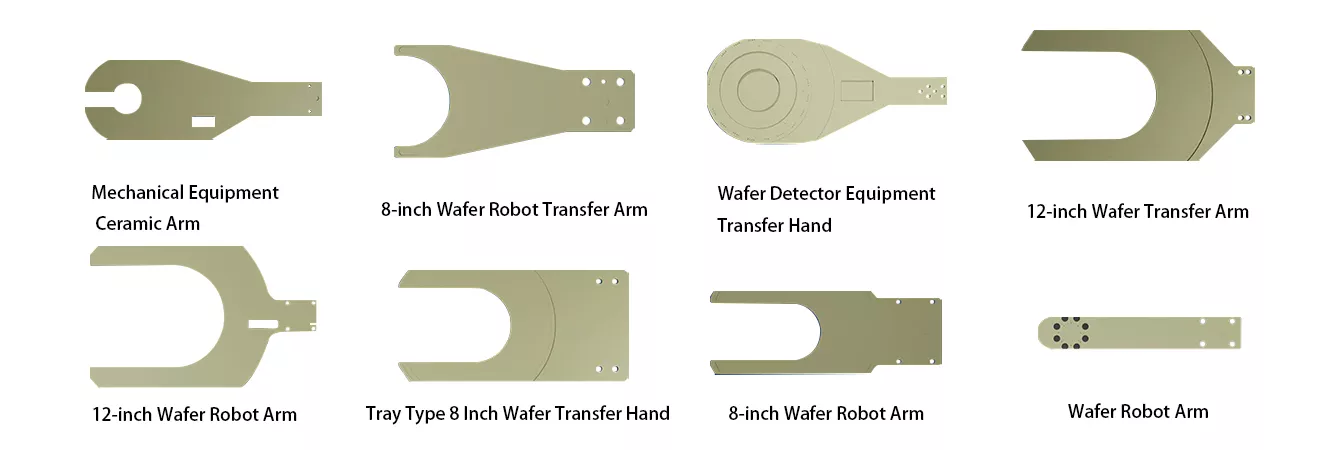
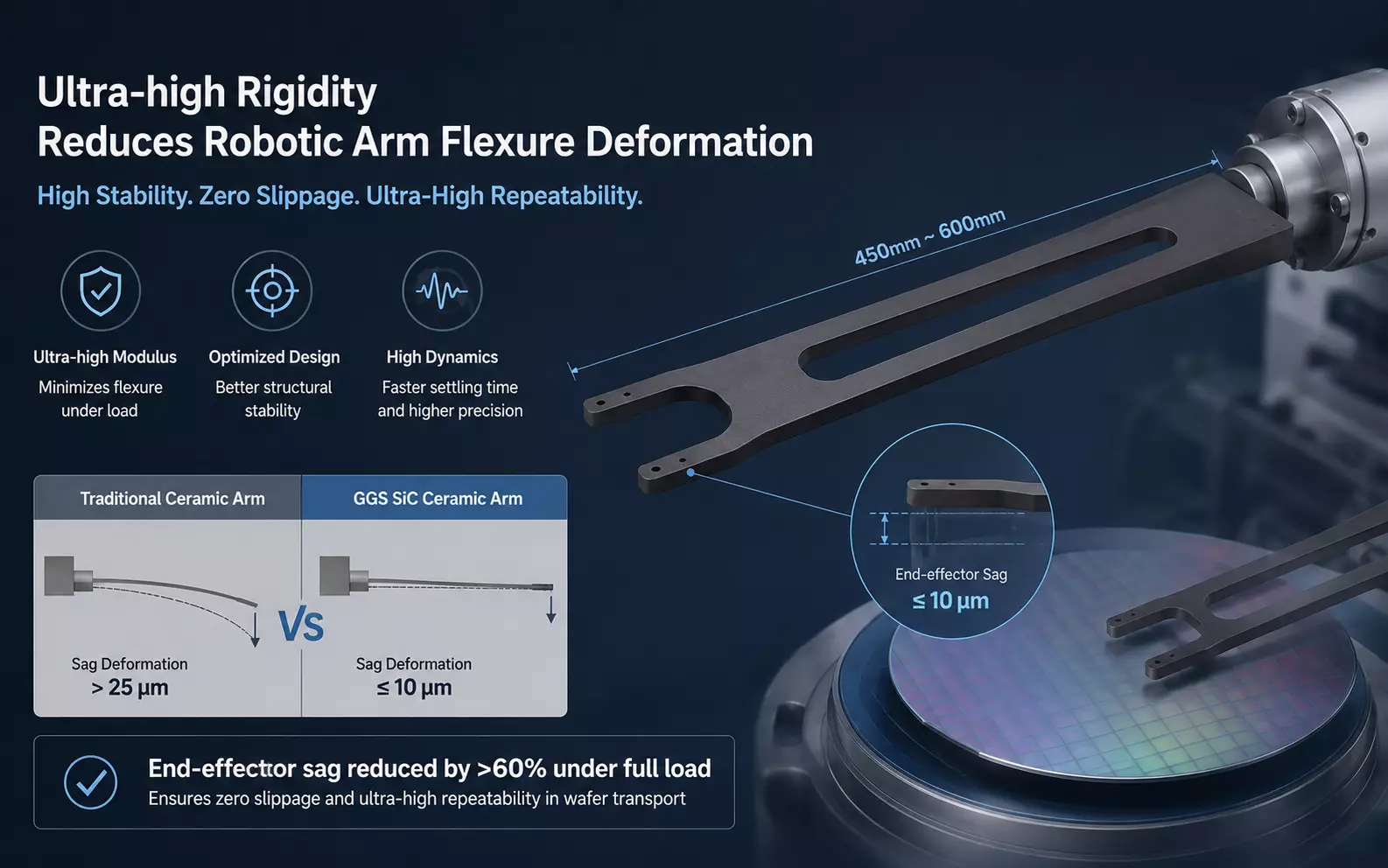
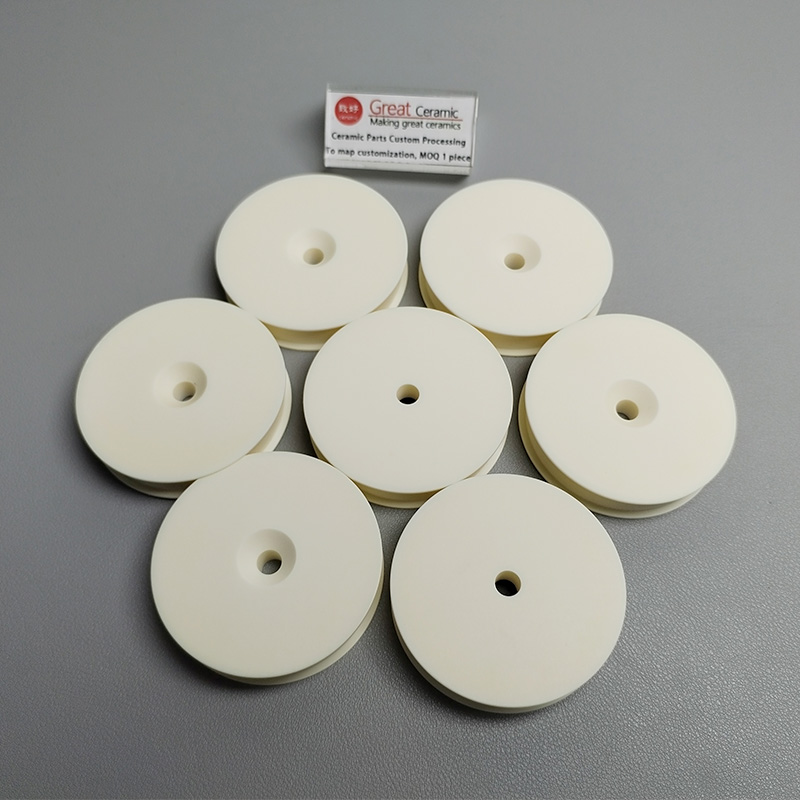
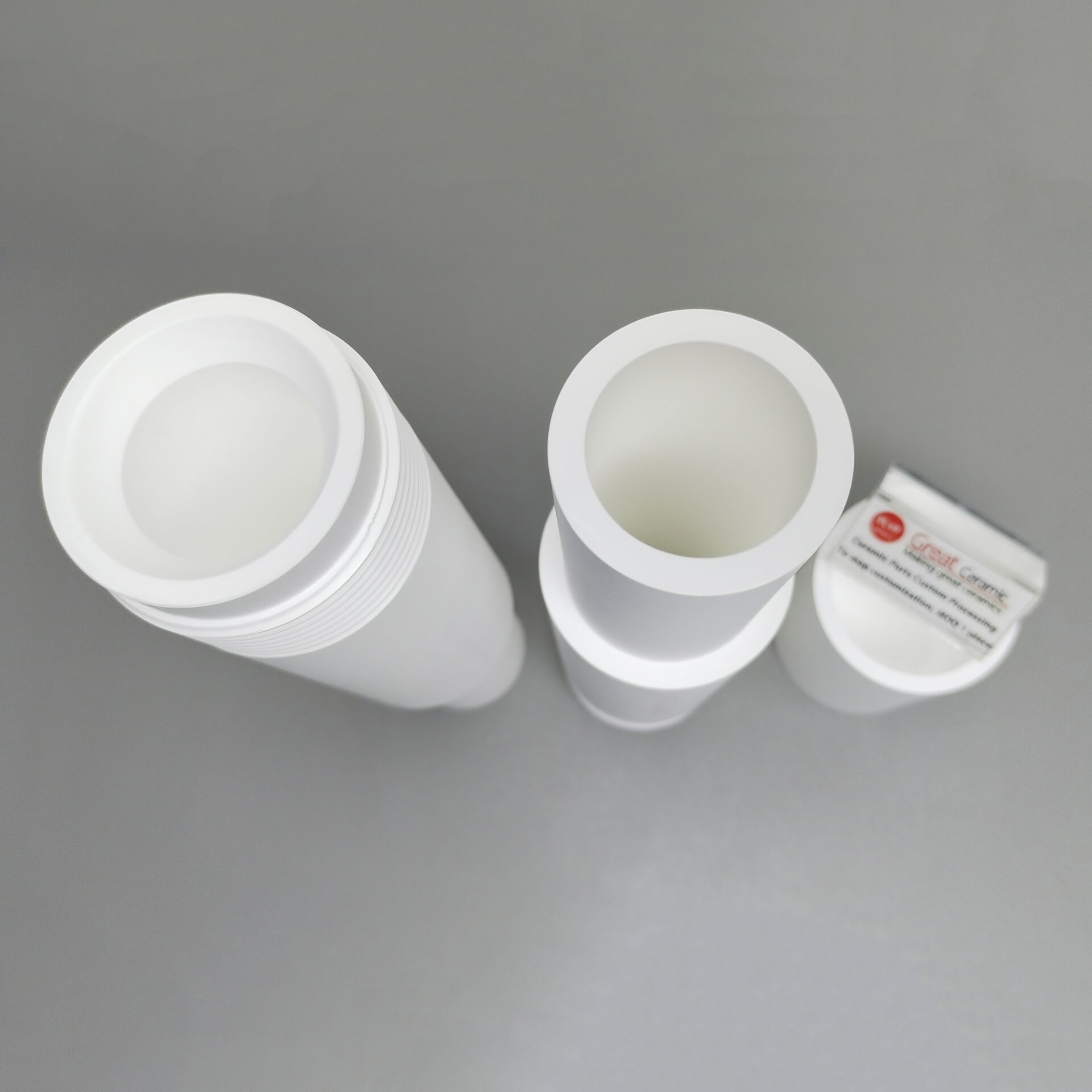
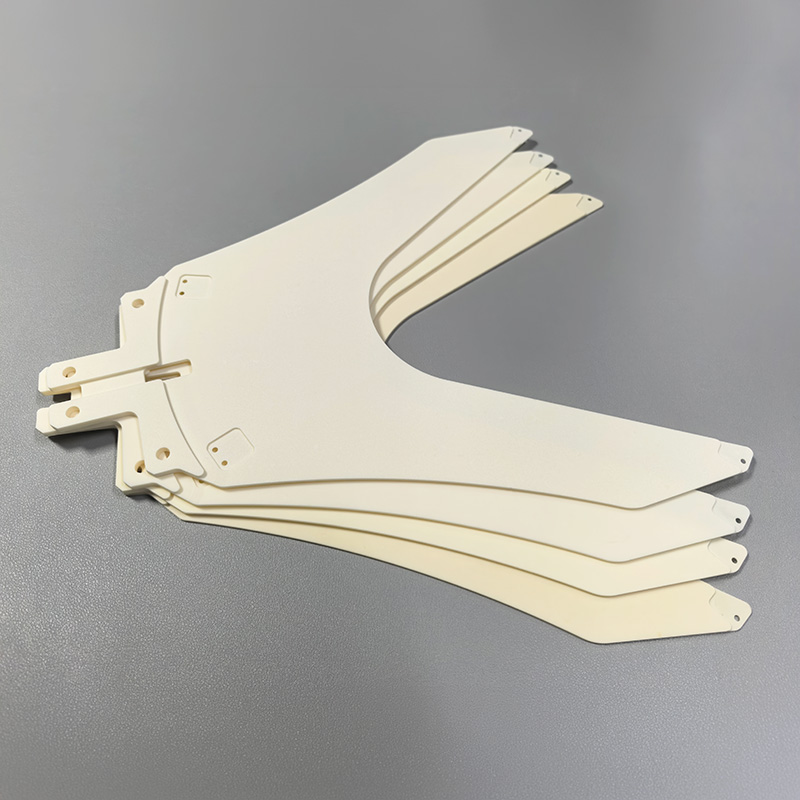
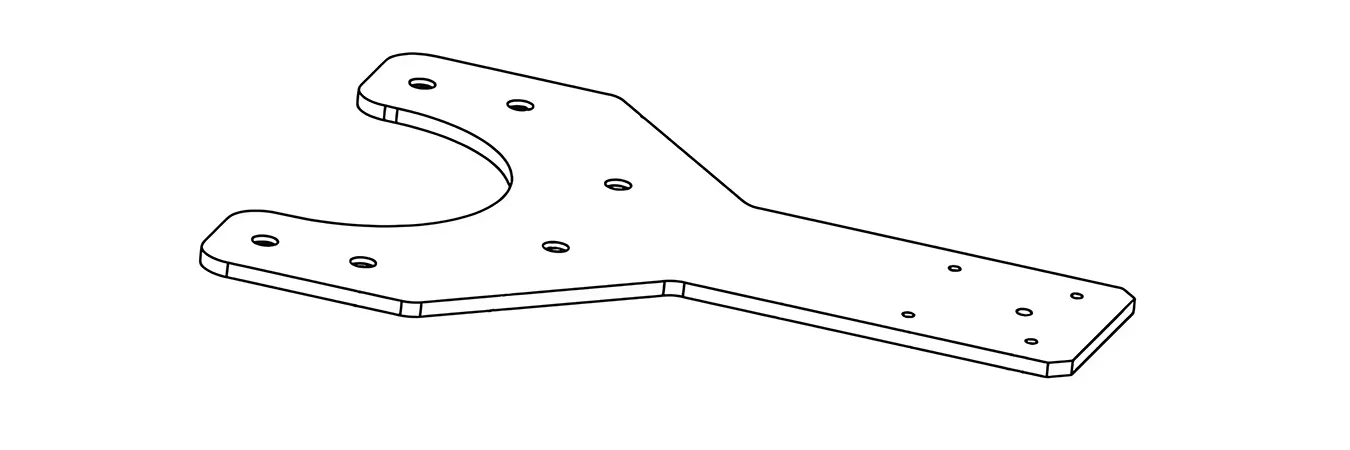
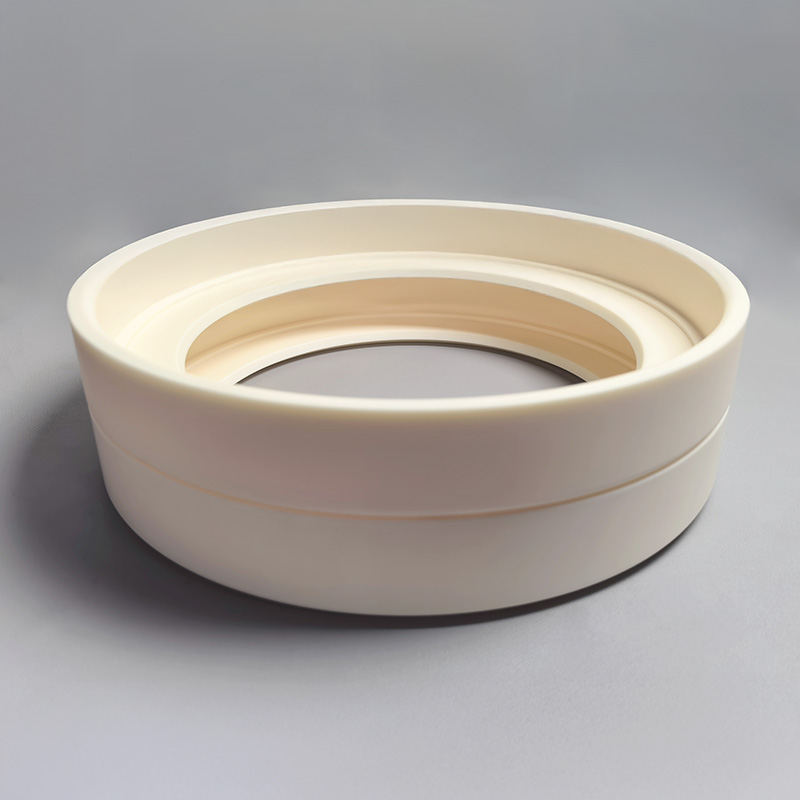
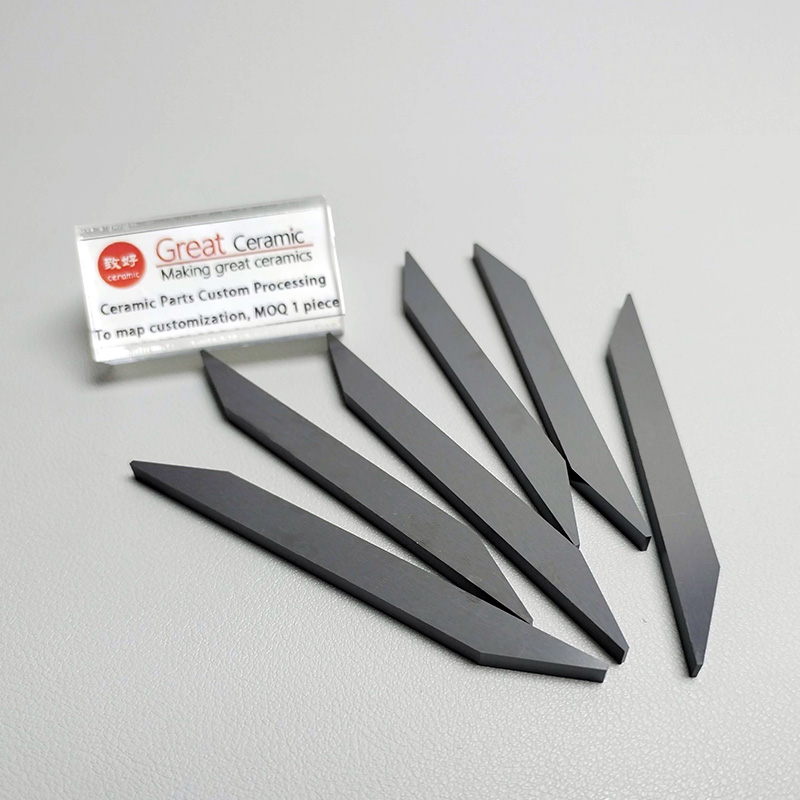
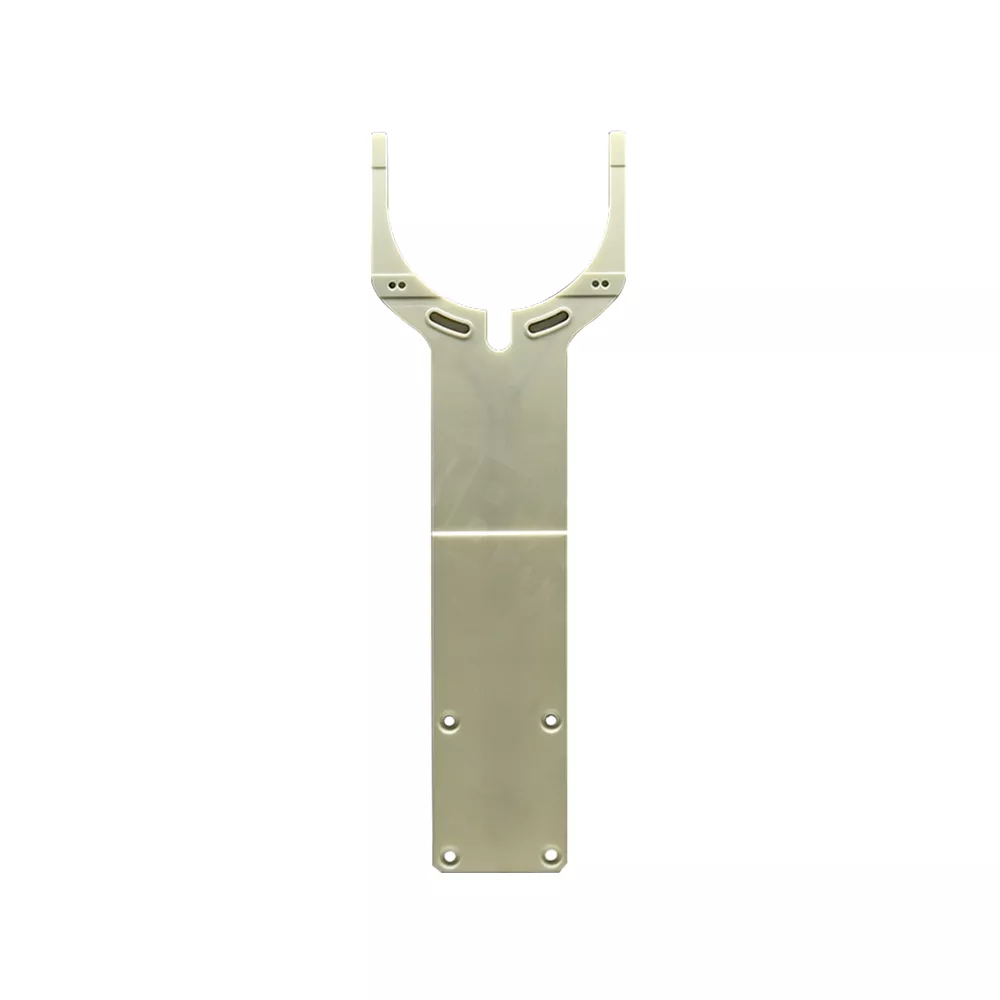
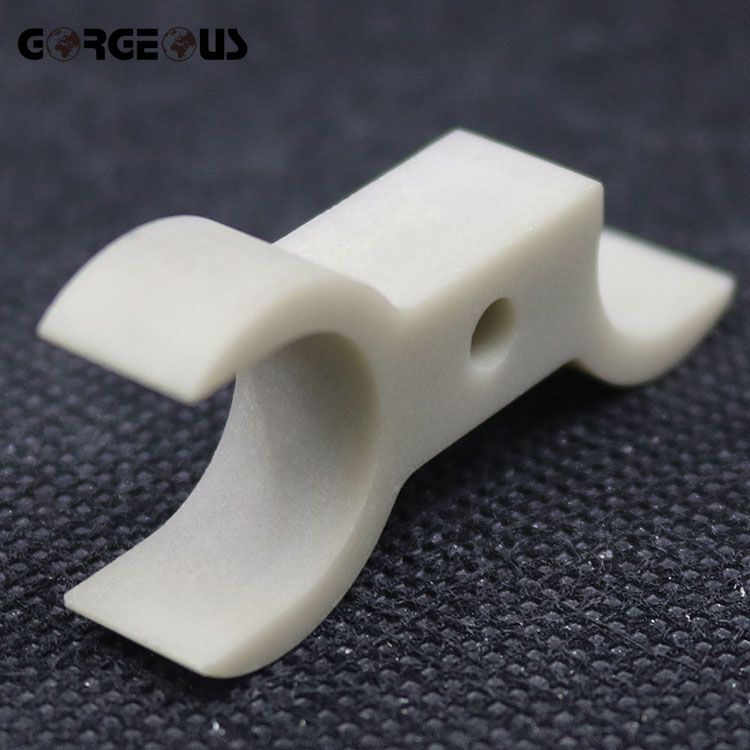
Featured Technical Ceramic Components for Robotics and Automation



Related Product Catalogue and Quotation




Technical Ceramics for Robotics and Automation: Clearer Sourcing Inputs
Review the part details that give a ceramic quotation discussion a more concrete basis before production and commercial terms are confirmed.
Current Drawing Revision
Share the current drawing revision so dimensions, notes, interfaces, and changes can be reviewed against the component requirement rather than an outdated reference.
Material Grade Context
Identify the material designation when known, then discuss the grade-specific properties and application conditions relevant to the proposed ceramic component.
Assembly-Critical Geometry
Call out dimensions that determine assembly, including bores, wall sections, mating features, and orientation details that affect how the part fits its system.
Functional Surface Priorities
Distinguish surfaces that mate, seal, guide, insulate, or contact moving equipment so the evaluation focuses on the features most important to function.
Application Conditions Defined
Describe the operating environment, loads, motion, temperature exposure, electrical role, media contact, and other conditions that shape material and component discussions.
Inspection Evidence Expectations
Specify the acceptance criteria and documentation needed for approval, helping align inspection expectations with the project requirement before an order is agreed.
Technical Ceramics for Robotics and Automation
Review ceramic options by manufacturing approach, industry context, material family, component form, and the information needed to define a project-specific inquiry.

Ceramic Manufacturing Capabilities
Review ceramic manufacturing capabilities in relation to the part drawing: forming route, achievable geometry, critical surfaces, dimensional tolerances, inspection requirements, quantity, and documentation. Confirm process suitability for the specified grade and component before treating a quotation as a production commitment.
Discuss Your Ceramic Part
Ceramic Solutions by Industry
Explore advanced ceramics applications by the operating demands of an industry or equipment system. Consider wear, heat, electrical insulation, thermal transfer, chemical exposure, vacuum conditions, mating interfaces, and service environment alongside the component’s assembly role.
Discuss Your Ceramic Part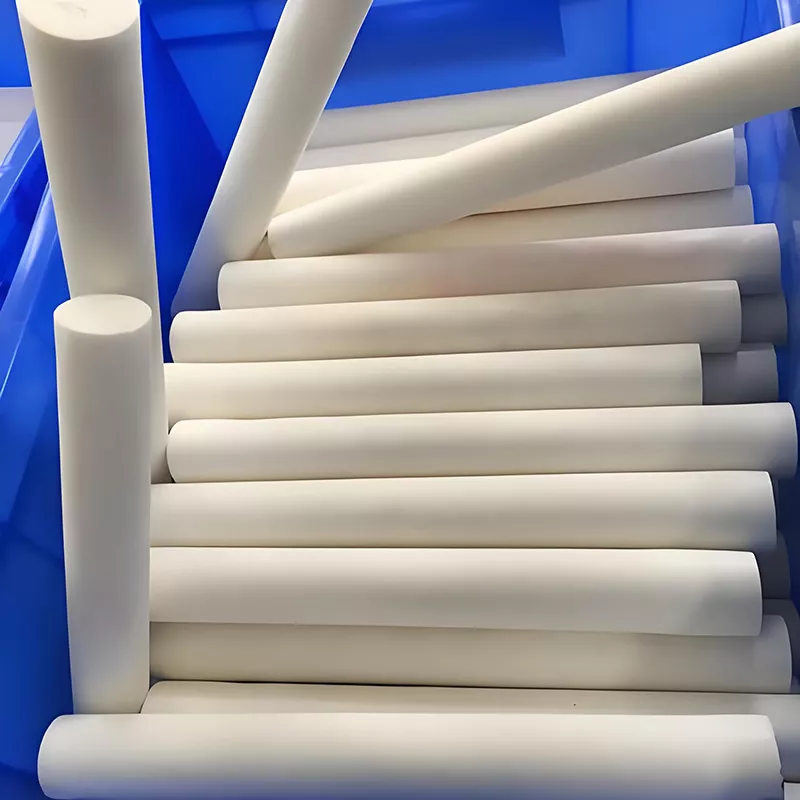
Advanced Ceramic Materials
Compare advanced ceramic materials including alumina, zirconia, silicon carbide, silicon nitride, aluminum nitride, boron nitride, and specialty families. General properties guide early selection; the grade, geometry, processing route, and project acceptance criteria require confirmation for each inquiry.
Discuss Your Ceramic Part
Technical Ceramic Products
Browse technical ceramic products by familiar component forms such as tubes, rods, rings, plates, substrates, and replacement parts. Use the product form to frame a drawing-led discussion of assembly dimensions, fit surfaces, material designation, operating conditions, and required documentation.
Discuss Your Ceramic Part
Technical Ceramic Resources
Use technical ceramics resources to prepare a clearer inquiry and sourcing discussion. Identify the current drawing revision, critical dimensions, mating surfaces, material information, service conditions, quantity, inspection needs, and acceptance criteria before contacting Porcecore by email or WhatsApp.
Discuss Your Ceramic PartTechnical Ceramics for Robotics and Automation: Materials to Evaluate

Alumina Ceramics
A widely considered oxide ceramic for insulating fixtures, guides, spacers, and wear-facing components. Alumina offers electrical insulation and hardness, while the appropriate grade, dimensions, and finished surfaces require project-specific review.

Zirconia Ceramics
An oxide ceramic often evaluated for precision rings, pins, rollers, and mating components. Zirconia is associated with fracture toughness, but grade selection, loading conditions, tolerances, and surface requirements should be confirmed against the application.

Silicon Carbide Ceramics
A carbide ceramic to consider for components exposed to abrasive contact, heat, or corrosive environments. Silicon carbide is valued for hardness and thermal stability; the selected grade and manufacturable geometry need drawing-led discussion.

Silicon Nitride
A nitride ceramic relevant to rolling-contact parts, guide elements, and mechanically loaded components. Silicon nitride can be considered for its strength and thermal-shock behavior, subject to confirmation of grade, finish, service environment, and acceptance criteria.

Specialty Ceramics
Additional oxide, nitride, and specialty ceramic families may suit substrates, insulating parts, thermal-management components, or custom assemblies. Availability is not implied by a material listing; share the drawing and operating requirements to assess options.
Production Processes to Discuss with Your Part Requirement

Dry Pressing
A forming route for repeatable ceramic shapes, assessed with the required material grade, wall geometry, dimensional targets, and inspection expectations. Share the drawing revision to determine whether this route suits the component requirement.

Isostatic Pressing
A pressing approach to discuss for parts whose geometry and material requirements call for a different forming path. Clarify stock allowance, critical dimensions, machining needs, and acceptance criteria before selecting a production route.

Ceramic Extrusion
A route to evaluate for continuous-profile ceramic components such as tubes and rods. Define cross-section, length, straightness expectations, mating surfaces, material designation, and subsequent machining requirements in the inquiry.

Injection Molding
A forming option to review for complex component geometry where production quantity, feature detail, material grade, and tolerance requirements need to be considered together. Provide drawings and identify assembly-critical dimensions for discussion.

Precision Machining
Post-forming machining can be evaluated for holes, grooves, fitted surfaces, and assembly-critical dimensions. Identify datums, tolerance zones, surface requirements, and inspection documentation so the quotation conversation reflects the actual part need.
Technical Ceramics for Robotics and Automation: Features to Specify

Mating Surfaces
Identify every surface that seats, slides, seals, bonds, or locates against another part. Include finish expectations, critical dimensions, tolerance references, and the assembly function so the interface can be discussed alongside the ceramic material choice.

Handling Features
Note holes, grooves, flats, threads, lifting points, pickup areas, or vacuum-contact features used during assembly or automated handling. Describe how the component is gripped, oriented, and transferred within the equipment to focus the requirement discussion.
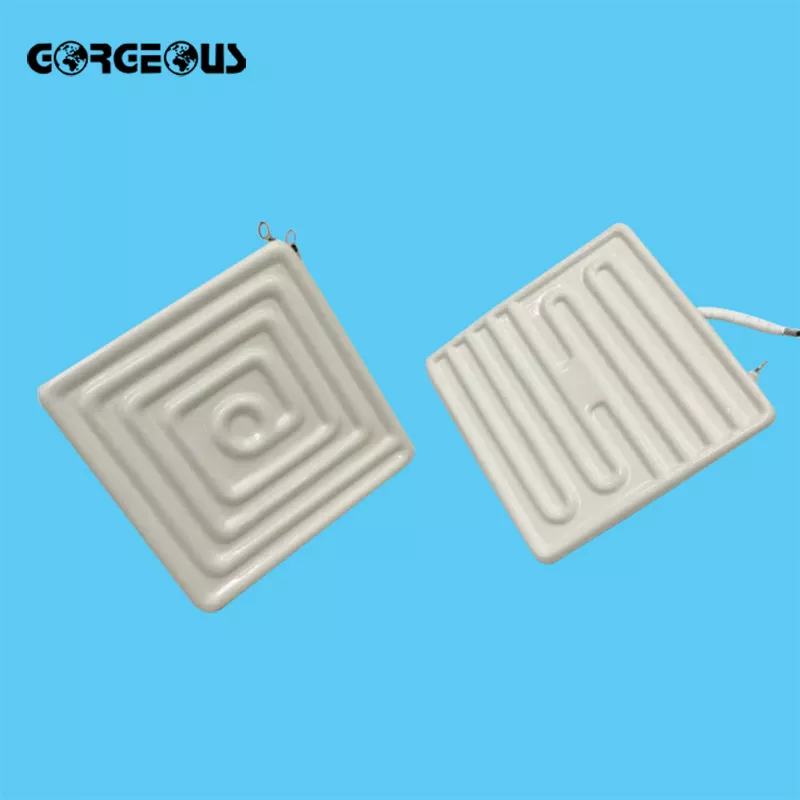
Edge Treatments
Call out chamfers, radii, deburring expectations, and protected edges where handling, assembly, or adjacent components make them important. A drawing should distinguish critical edge conditions from general finishing preferences before quotation terms are considered.
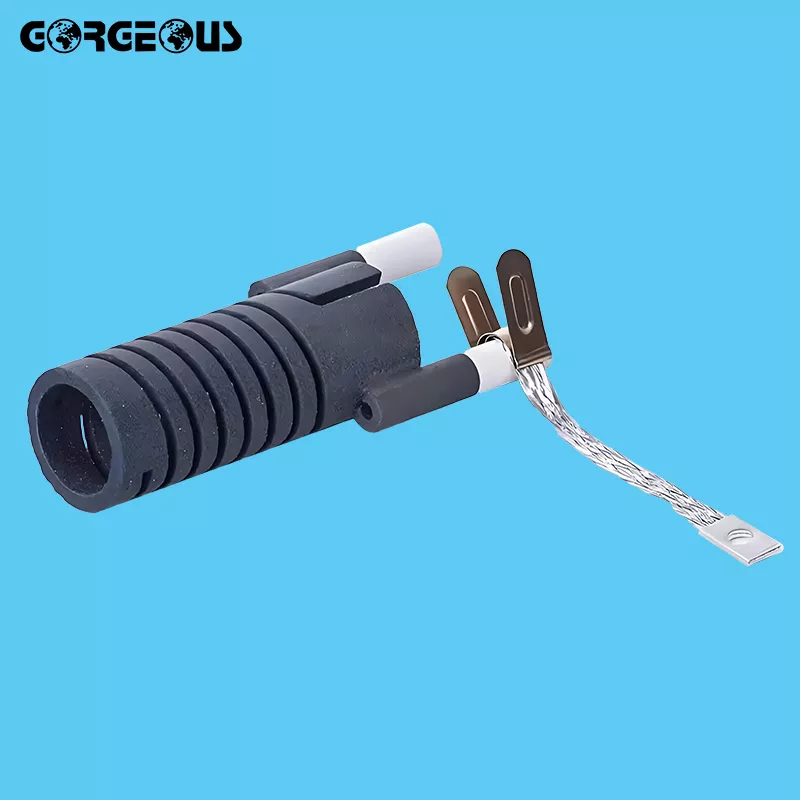
Inspection Requirements
State the dimensions, surfaces, material designation, visual criteria, and acceptance checks that require confirmation. Specify any measurement records, traceability, certificates, or other documentation needed for internal approval, incoming inspection, or project handover.

Reference Samples
For replacement or matching parts, provide photos, marked measurements, and an available sample when practical. Explain the installed function and known service conditions, while treating the reference as discussion input rather than a complete contractual specification.
Technical Ceramics for Robotics and Automation
Founded by Andy Yuan, Porcecore helps industrial buyers, equipment builders, and project teams begin with the part and the job it must perform. For technical ceramics for robotics and automation, material selection is considered alongside geometry, interfaces, operating conditions, and inspection expectations.
Our component discussions span oxide, nitride, carbide, and specialty ceramic families, including familiar forms such as tubes, rods, rings, and substrates. Porcecore does not treat a material name or product illustration as a complete specification; grade, dimensions, tolerances, and process suitability require project-specific review.
What differentiates Porcecore is drawing-led communication before commitment. Share the current drawing revision, known material designation, quantity, service conditions, mating surfaces, and acceptance criteria to give a quotation discussion a practical basis and identify the decisions still open.

Technical Ceramics for Robotics and Automation, Defined by Requirements
Review the Current Drawing
Begin with the current drawing revision and identify dimensions that govern assembly. For technical ceramics for robotics and automation, the drawing creates a practical basis for discussing component form, critical geometry, material designation, quantity, and the points that still need confirmation.
- Provide the current drawing revision
- Mark assembly-critical dimensions
- Identify the requested component form
- State estimated order quantity

Define Service Conditions
A material family alone does not define a suitable ceramic part. Describe the operating environment, load, temperature exposure, electrical role, contact media, and movement involved so the project discussion can connect candidate materials and component geometry to the actual job.
- Describe the operating environment
- Note loads and movement
- Identify temperature and electrical conditions
- Flag contact media or contamination concerns
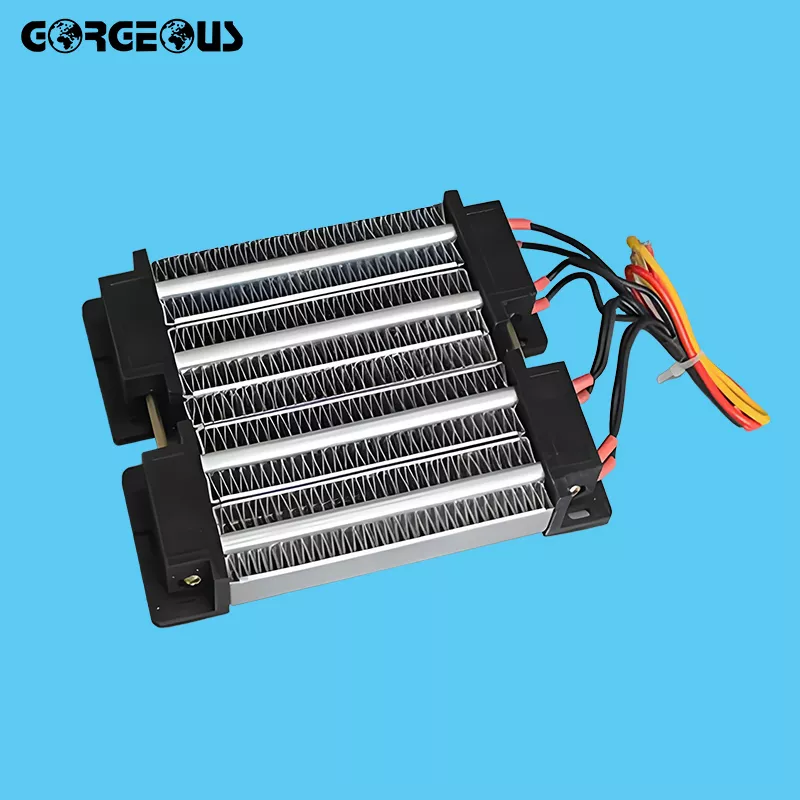
Identify Mating Surfaces
Ceramic components often interface with metal, polymer, or other ceramic parts. Call out the surfaces that locate, seal, slide, clamp, or align with another component. This helps focus the conversation on fit-related dimensions, surface expectations, and assembly-sensitive details.
- Mark locating and fitting surfaces
- Identify sealing or sliding interfaces
- Note alignment-critical features
- Clarify assembly relationship details

Set Acceptance Expectations
Include the inspection expectations and documentation needed for approval before requesting a quotation. Clear acceptance criteria help distinguish essential requirements from preferences and give technical ceramics for robotics and automation projects a more defined starting point for project-specific discussion.
- List required inspection points
- Define relevant tolerances
- Specify requested documentation
- Separate essentials from preferences

Why Choose a Drawing-Led Ceramic Sourcing Conversation
For technical ceramics for robotics and automation, Porcecore starts with the part, its conditions, and the requirements to confirm.
← Swipe left or right to view →
A Requirements-Led Path for Technical Ceramics for Robotics and Automation
Move from an initial part discussion to agreed production, inspection, packing, and shipping details with project-specific requirements kept in view.
Review the Part Requirement
Share the current drawing revision, component form, application, quantity, service conditions, and known material designation to establish the starting point for discussion.
Clarify Material and Geometry
Discuss ceramic family options alongside dimensions, tolerances, mating surfaces, critical features, and operating environment so material selection is connected to the part.
Confirm Process Considerations
Review relevant forming, machining, finishing, and handling considerations for the proposed geometry, while separating requested preferences from requirements that need project agreement.
Define Inspection Expectations
Identify acceptance criteria, dimensions requiring verification, material-grade confirmation, and any documentation needed for approval before quotation and production details are finalized.
Discuss Packing and Shipping
Confirm packaging, delivery expectations, shipping destination, commercial terms, and remaining open questions as part of the individual technical ceramics for robotics and automation project.
How to Source Technical Ceramics for Robotics and Automation
Start a focused quotation discussion with the details that define fit, function, inspection, and project expectations.
Send Your Current Drawing
Provide the latest drawing revision or describe the component form, including dimensions, mating surfaces, and features that determine assembly within your equipment.
Identify Material and Quantity
Share the material designation if known, the required quantity, and whether the request concerns a new component, replacement part, or development evaluation.
Define Service Conditions
Explain the operating environment, loads, temperatures, electrical needs, wear exposure, media contact, or other conditions relevant to the ceramic part’s intended job.
State Acceptance Requirements
Identify critical tolerances, inspection expectations, documentation needs, delivery considerations, and commercial requirements so the quotation discussion addresses the project-specific decision points.
Review Open Questions
Use the response to clarify grade, geometry, process assumptions, and remaining requirements before treating any proposal as an agreed production order.
Technical Ceramics for Robotics and Automation: Certification and Documentation Requirements
Customer Feedback Publication Standards
This space is reserved for approved customer feedback tied to a specific ceramic component requirement, drawing revision, and verified project outcome. Porcecore does not publish unsubstantiated testimonials or numerical results.
A future case summary will describe the application, material discussion, component geometry, and acceptance criteria only after the customer has authorized publication and the reported outcome can be verified.
For technical ceramics for robotics and automation, published feedback should connect a defined part requirement to a documented sourcing decision. No customer endorsement or performance result is presented here without substantiation.
Technical Ceramics for Robotics and Automation FAQ
Clarify the drawing, material, inspection, and delivery details before requesting a quotation.
What should we include when requesting technical ceramics for robotics and automation?
How is a material grade selected for a robotics or automation component?
Can Porcecore quote technical ceramics for robotics and automation from a sample?
Which tolerances and surfaces need to be called out on the drawing?
How should we specify quantities for technical ceramics for robotics and automation?
What inspection evidence can be discussed for a ceramic component order?
Can packaging and shipping requirements be included in the inquiry?
How are drawings and intellectual-property expectations handled during an inquiry?
Technical Ceramics for Robotics and Automation: Complete Buyer’s Guide
Use this decision framework to match ceramic properties to robotic applications, evaluate manufacturing and quality criteria, compare cost drivers, and avoid sourcing mistakes that cause tolerance, reliability, or delivery risk.
1. What Are Technical Ceramics for Robotics and Automation?
Two categories must be separated: conventional ceramics are typically selected for everyday ware or construction, while technical ceramics for robotics and automation are engineered components specified around material grade, geometry, surfaces, and service conditions. Their value lies in turning a part requirement into a controlled functional interface.
Five buyer-relevant properties are wear resistance, electrical insulation, thermal stability, chemical resistance, and dimensional precision. Together, they can support repeatable motion, controlled electrical separation, and durability where metals or polymers may wear, conduct, corrode, or shift with temperature.
Six common application contexts are end effectors, linear guides, vacuum handling, pumps, valves, and semiconductor equipment. Automation application examples including positioning systems, wafer-handling arms, vacuum chucks, and fluid-handling components are described at https://www.jundro.com/application/automation; the relevant choice still depends on the drawing, mating surfaces, environment, and acceptance criteria.
2. Evolution of Technical Ceramics in Automation
By the early 20th century, industrial ceramics were established as electrical insulators and wear-resistant parts where metals could corrode, conduct current, or wear quickly. These uses emphasized basic dielectric performance, hardness, and service life rather than tightly integrated motion systems.
By the 1970s and 1980s, automated manufacturing increased demand for ceramic guides, bearings, fixtures, and insulating components with more controlled geometry. Semiconductor production added clean-process, vacuum, thermal, and contamination-control considerations to the part requirement.
In the 21st century, technical ceramics for robotics and automation increasingly appear in wafer handling, precision positioning, end effectors, and high-duty wear locations. Higher uptime expectations mean procurement teams must define drawing revision, critical tolerances, mating surfaces, operating environment, inspection method, and acceptance criteria together; a material family name alone is insufficient.
3. Types of Technical Ceramics for Robotics and Automation
Six component categories translate technical ceramics for robotics and automation into drawing-level requirements. Group parts by the operating interface, then specify geometry, environment, mating surfaces, and acceptance checks.
Precision Guides And Bearings
Two moving interfaces define the problem: repeatable travel and low wear. Rails, bushings, rollers, and bearing rings need fit diameters, surface finish, load, and lubrication conditions.
End-Effector And Gripper Parts
One contact zone can damage a handled part or contaminate it. Fingers, jaws, nests, and locating pins require gripping force, contact radius, edge condition, and replacement interchangeability.
Vacuum And Wafer Handling
Two vacuum risks are particle release and unstable holding. Chucks, suction cups, arms, and support pads require flatness, port geometry, cleanliness criteria, and vacuum-temperature conditions.
Electrical Insulators And Fixtures
Three electrical concerns are isolation, heat, and positional stability. Standoffs, substrates, holders, and fixtures require dielectric needs, mounting holes, thermal exposure, and mating-material details.
Fluid-Handling Parts
Two fluid threats are corrosion and abrasive erosion. Valve seats, plungers, nozzles, and pump liners require media chemistry, pressure, flow path, sealing faces, and leakage criteria.
Protective Wear Components
One wear path can determine service interval. Liners, sleeves, shields, and scraper edges require abrasive type, impact level, thickness, attachment method, and permissible dimensional loss.
4. Materials for Technical Ceramics for Robotics and Automation
Six material families cover different failure modes in technical ceramics for robotics and automation. Grade data, geometry, mating surfaces, load, temperature, and process media should decide the selection.
| Material | Strengths | Tradeoffs | Suitable Components |
|---|---|---|---|
| Alumina | Hard, insulating, chemically resistant | Lower toughness | Insulators, guides |
| Zirconia | Tough, wear resistant | Lower thermal conductivity | Grippers, bushings |
| Silicon carbide | Hard, conductive, heat stable | Difficult machining | Seals, wear stages |
| Silicon nitride | Tough, thermal-shock resistant | Cost and machining | Bearings, rollers |
| Aluminum nitride | Insulating, thermally conductive | Moisture compatibility review | Heat-spreading substrates |
| Machinable glass ceramic | Machinable, insulating | Lower wear capability | Fixtures, prototypes |
Mechanical And Thermal Choices
Alumina combines hardness, electrical insulation, and broad chemical resistance for insulators, guides, and wear faces.
Zirconia offers comparatively higher fracture toughness; silicon carbide favors stiffness, wear, heat transfer, and corrosive-duty parts.
Electrical And Machining Needs
Silicon nitride suits rolling-contact and shock-sensitive components because toughness and thermal-shock behavior matter.
Aluminum nitride provides electrically insulating thermal management, while machinable glass ceramic enables prototypes and fixtures needing conventional machining.
Material Decision Matrix
One matrix is a screening tool, not a substitute for grade-specific qualification.
5. Customization Options for Robotics Ceramic Components
A custom ceramic part begins with its assembly function, not a catalog shape. For technical ceramics for robotics and automation, freeze interfaces early so geometry and inspection requirements remain aligned.
Freeze Drawing-Critical Features
Two-dimensional drawings should define outside geometry, hole locations, channels, datum scheme, mating surfaces, tolerances, and finish callouts.
One revision should also state edge conditions, thread inserts, and assembly-ready features; late changes can require new tooling or machining routes.
Validate Interfaces Functionally
Functional tests should confirm metallization, bonded interfaces, seal lands, and fit with the mating hardware under actual loads and environment.
One prototype may expose stress concentration, leakage, electrical isolation, or adhesive compatibility that dimensions alone cannot predict.
Specify Identification Purpose
Laser marking should identify part number, revision, orientation, or traceability requirement rather than serve decorative branding.
Marked location, contrast, depth limits, and readable orientation should be agreed before production to protect critical surfaces.
6. Quality Elements in Technical Ceramic Construction
Quality begins before final grinding: powder lot control, forming uniformity, and sintering discipline influence density, porosity, and distortion. For technical ceramics for robotics and automation, inspection criteria must connect directly to assembly and service loads.
Process Consistency
Each powder lot should have an agreed identification record, because particle distribution and additives affect pressing behavior.
Each sintering batch should be controlled against an approved process, with density or porosity acceptance defined where function requires it.
Machining And Geometry
Ground surfaces require stated dimensions, datum references, flatness, surface finish, and edge-break requirements.
Sharp internal corners and unapproved chips can concentrate stress in brittle parts; specify radii, chamfers, and allowable edge condition.
Drawing Review Questions
Before quotation, identify which dimensions govern fit, motion, sealing, insulation, or alignment.
Before release, confirm inspection method, sampling plan, material designation, revision control, lot traceability, documentation, and nonconformance disposition.
7. How to Choose a Technical Ceramics Manufacturer
Two supplier conversations should begin with the drawing and service conditions. For technical ceramics for robotics and automation, compare evidence against the part’s functional risks, not a material name alone.
Engineering And Material Fit
1 application review should address load, temperature, electrical duty, media exposure, mating surfaces, and failure mode. Request grade-specific material data and documented assumptions.
2 process questions matter: ask whether the geometry suits pressing, casting, extrusion, injection molding, or machining after sintering.
Inspection And Change Control
3 inspection items should identify datum scheme, critical dimensions, sampling method, instruments, and report format. Request a sample inspection report and an inspection plan before approval.
4 change-control expectations should cover material source, process route, tooling, drawing revision, and notification timing.
Scale, Delivery, And Handling
5 production discussions should compare prototype quantity, repeat demand, tooling exposure, yield risk, and capacity assumptions. Ask for a realistic lead-time plan with approval gates.
6 shipment details should define protective packaging, labeling, lot traceability, and damage-report procedure. Confirm communication owners and response timing.
8. Common Robotics Ceramic Sourcing Mistakes
Robotics ceramic failures often begin in the RFQ, before a prototype exists. For technical ceramics for robotics and automation, each requirement must connect material, geometry, inspection, assembly, and commercial risk.
Hardness Is Not Enough
One property cannot select a ceramic: hardness alone can overlook toughness, insulation, thermal behavior, and wear pairing. Before quotation, ask: Which service loads, temperatures, media, and mating materials govern failure?
Review Tolerances And Finishes
Metal-style tolerances and unspecified finishes can drive avoidable grinding cost or poor fits. Before prototyping, ask: Which dimensions locate the part, and what surface roughness and datum scheme are function-critical?
Define Inspection And Assembly
A drawing without measurement methods can produce disputed acceptance, while clamp loads or misalignment can crack ceramic parts. Before release, ask: How will critical features be inspected, and what assembly stresses occur?
Control Changes And Price
Late drawing changes can invalidate tooling, process planning, and inspection preparation; lowest piece price can shift risk into rejects or delays. Before production, ask: Is the revision frozen, and what total acceptance requirements are included?
9. Steps to Launch a Ceramic Component Program
Three controlled handoffs reduce ambiguity before a ceramic part reaches production. For technical ceramics for robotics and automation, involve engineering, quality, purchasing, and the end user early.
Define Service Conditions
First, document load, motion, temperature, media exposure, voltage, vacuum level, and expected cycles. The OEM should identify failure consequences and mating materials.
Freeze Drawing And Materials
Second, submit the current drawing revision with datum scheme, critical-to-quality dimensions, surface requirements, and quantity forecast. Engineering and quality should approve the material shortlist and tolerances together.
Review, Validate, Release
Third, request a manufacturability review, then test prototypes against an agreed inspection plan. Purchasing should release production only after engineering, quality, and program owners accept samples, documentation, delivery requirements, and change control.
10. Technical Ceramics for Robotics and Automation Pricing
Four inputs establish a quote basis: current drawing revision, proposed material, quantity, and acceptance requirements. For technical ceramics for robotics and automation, identify mating surfaces, critical dimensions, service environment, and required records before comparing suppliers.
One approved requirement set should distinguish essential controls from preferences. Porcecore does not publish unsupported prices or commit delivery, tolerances, grade, documentation, or commercial terms until the individual project is confirmed.
| Cost driver | Lower unit-cost condition | Higher unit-cost condition |
|---|---|---|
| Material | Common, suitable grade | Specialty or application-specific grade |
| Geometry | Simple tube, rod, or ring | Complex features or thin sections |
| Tolerance and finish | Noncritical dimensions; standard finish | Tight fits; precision grinding or lapping |
| Tooling and inspection | Existing route; basic verification | New tooling; defined inspection records |
| Volume and lead time | Repeatable higher quantity; planned schedule | Prototype quantity; expedited schedule |
Discuss Technical Ceramics for Robotics and Automation
Email your drawing, operating environment, quantity, and acceptance requirements to info@zlrsmaterials.com, or contact Porcecore on WhatsApp at +86 130 6482 5920.