
Cordierite Ceramics Grades and Compositions for Technical Components
Connect cordierite grades and compositions with the geometry, service conditions and acceptance requirements your custom ceramic component or industrial ceramic part demands.
Technical Ceramic Component References for Cordierite Development















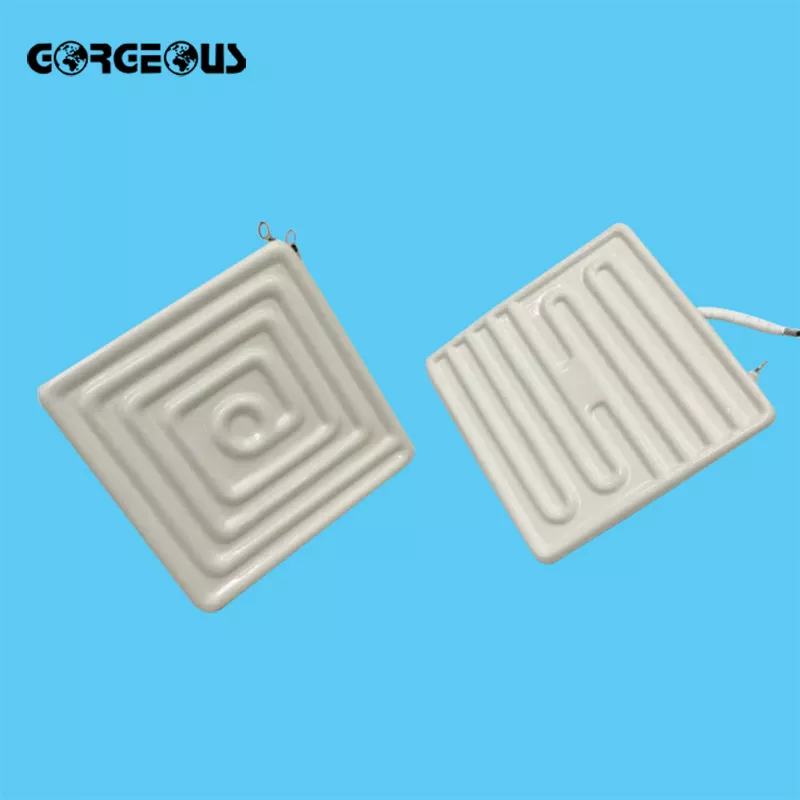
Related Ceramic Components for Cordierite Sourcing and Quotation






Why Cordierite Ceramics Grades and Compositions Matter
Clarify the material grade, composition, geometry and service conditions before selecting a cordierite component for quotation, review and production planning.
Control Drawing Revision
Reference the current drawing revision, dimensional requirements and acceptance notes so quotation discussions align with the component your team actually needs.
Define Material Grade
Identify the required cordierite grade or composition when known, while separating confirmed material requirements from properties that still need technical review.
Match Geometry To Function
Share tube, rod, ring, substrate or other component geometry, including mating surfaces and critical dimensions that determine assembly and fit.
Review Process Route
Discuss feasible forming and firing routes against the part geometry, quantity and required consistency before treating a material selection as final.
Specify Functional Surfaces
Identify sealing, sliding, insulating, mounting or contact surfaces so finishing expectations and dimensional priorities remain connected to the component’s job.
Confirm Inspection Evidence
Define inspection records, dimensional checks, material documentation and acceptance criteria required for approval, especially where project-specific evidence supports procurement decisions.
Technical Ceramic Categories for Sourcing Decisions
Review materials, products, applications and resources by requirement, then prepare a drawing-led inquiry for project-specific confirmation.
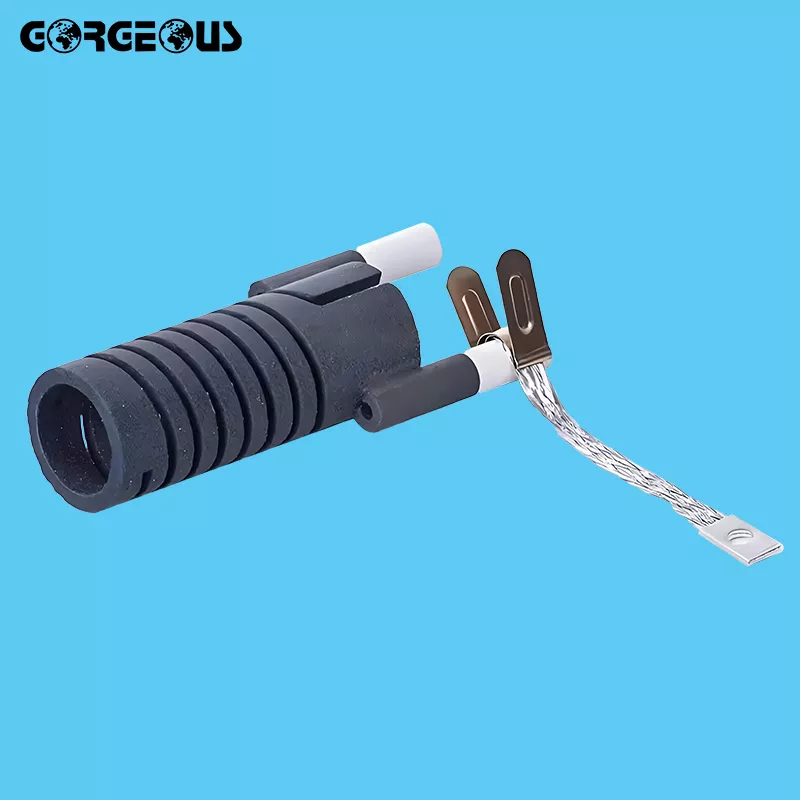
Ceramic Manufacturing Capabilities
Review ceramic manufacturing capabilities through the requirements that affect sourcing: forming method, achievable geometry, machining, tolerances, surface finish and inspection. Use this category to frame a practical discussion around fit, production feasibility and the documentation needed for quotation.
Discuss Your Ceramic Part
Ceramic Solutions by Industry
Explore advanced ceramics applications by industry and operating challenge, including electrical insulation, thermal service, wear exposure and corrosive environments. This helps procurement and engineering teams connect a component need with relevant ceramic options before confirming design and acceptance requirements.
Discuss Your Ceramic Part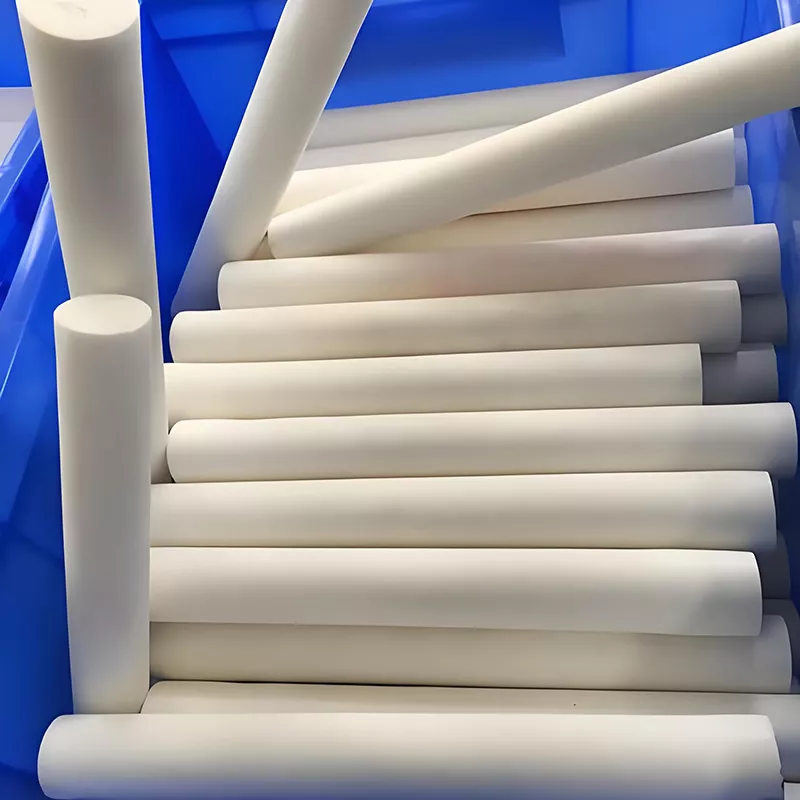
Advanced Ceramic Materials
Compare advanced ceramic materials such as alumina ceramics, zirconia ceramics, silicon carbide ceramics, silicon nitride, aluminum nitride and boron nitride. Material selection should follow temperature, dielectric, mechanical, chemical and thermal requirements, with the applicable grade and property values confirmed for each project.
Discuss Your Ceramic Part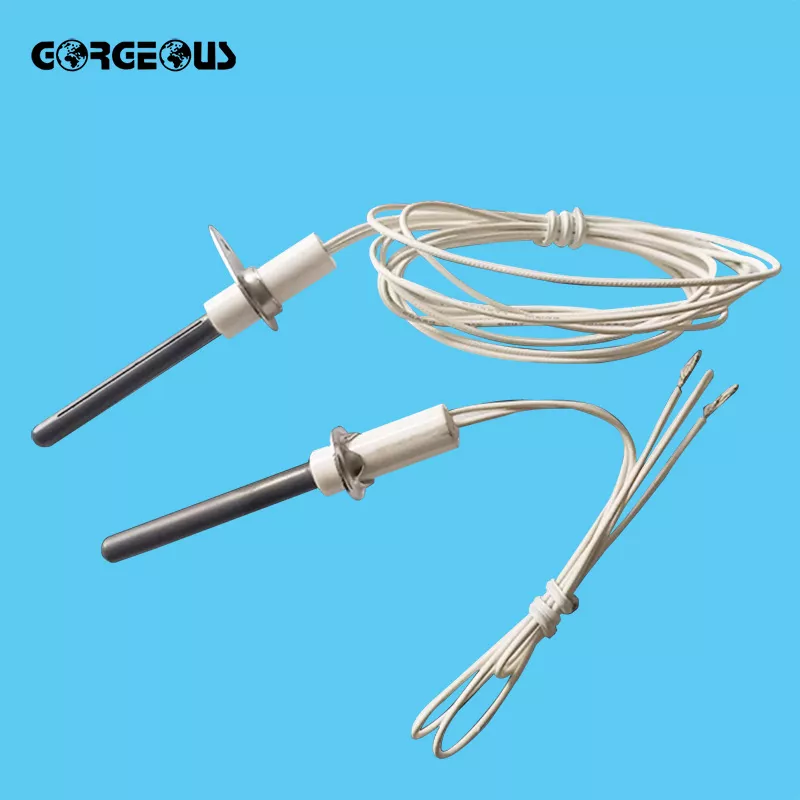
Technical Ceramic Products
Browse technical ceramic products by component form, including tubes, rods, rings, substrates and other engineered parts. Product examples support early sourcing discussions, while final fit depends on drawing dimensions, mating surfaces, tolerances, quantity and project-specific inspection criteria.
Discuss Your Ceramic Part
Technical Ceramic Resources
Use this technical ceramics guide to clarify common material families, component terminology and inquiry requirements. Prepare the current drawing revision, known material designation, quantity, service conditions and acceptance criteria so open questions can be addressed before quotation.
Discuss Your Ceramic PartCordierite Ceramics Grades and Compositions: Material Considerations


Porous Cordierite
A lighter, open-structured ceramic with a more cellular feel and strong thermal-shock focus. Consider it for kiln furniture, thermal supports or filtration-related discussions where porosity, strength and operating conditions must be balanced.

Dense Cordierite
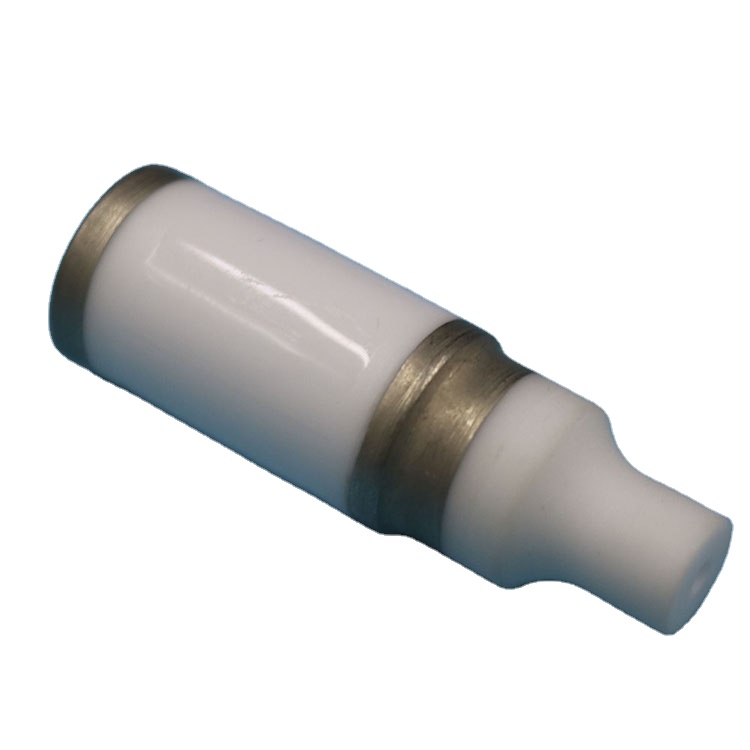
A compact ceramic body with a harder, less permeable surface feel than porous structures. It may suit insulating parts, lead-in components and supports where surface integrity, handling and dimensional requirements need closer review.
Specialty Cordierite
A project-defined cordierite formulation or grade selected around a specific process and service environment. Review composition, firing route, thermal expansion, geometry and inspection criteria together before treating any material designation as contractual.
Cordierite Ceramic Manufacturing Processes
Powder Preparation
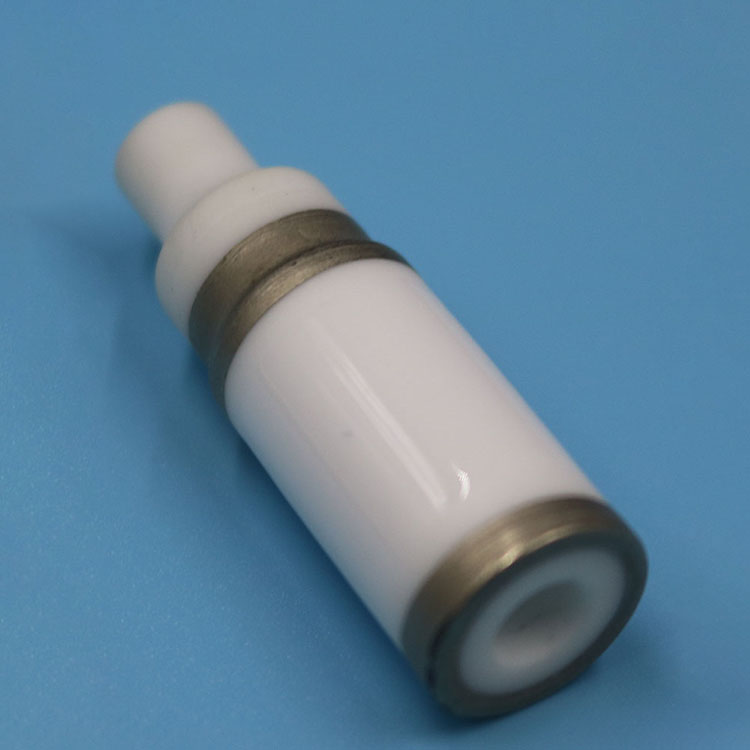
Material powders and process additives are prepared for the selected cordierite formulation, with attention to consistency and downstream forming needs. Suitable composition, batch controls and inspection criteria remain specific to the project.
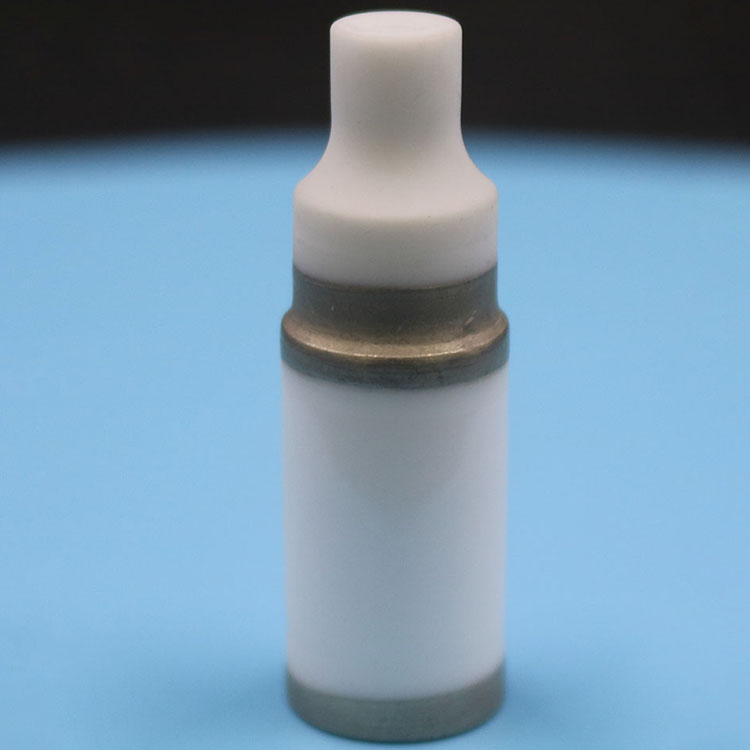
Dry Pressing
Dry pressing can support repeatable production of suitable compact geometries by forming prepared powder in a controlled die. Final feasibility depends on dimensions, wall sections, tolerances, tooling considerations and required production volume.
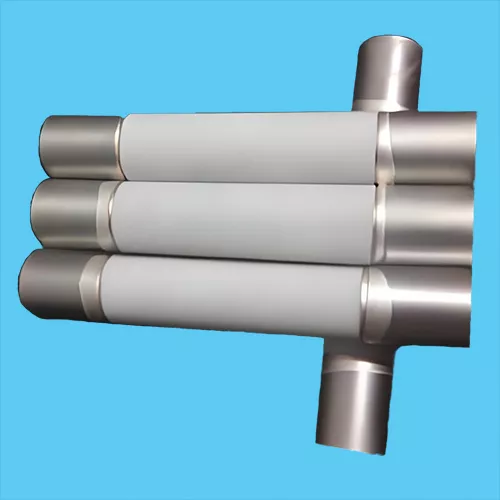
Isostatic Pressing
Isostatic pressing may suit larger, thicker or more complex cordierite shapes where uniform compaction is important. The practical route depends on part geometry, machining allowance, dimensional targets and the agreed acceptance standard.
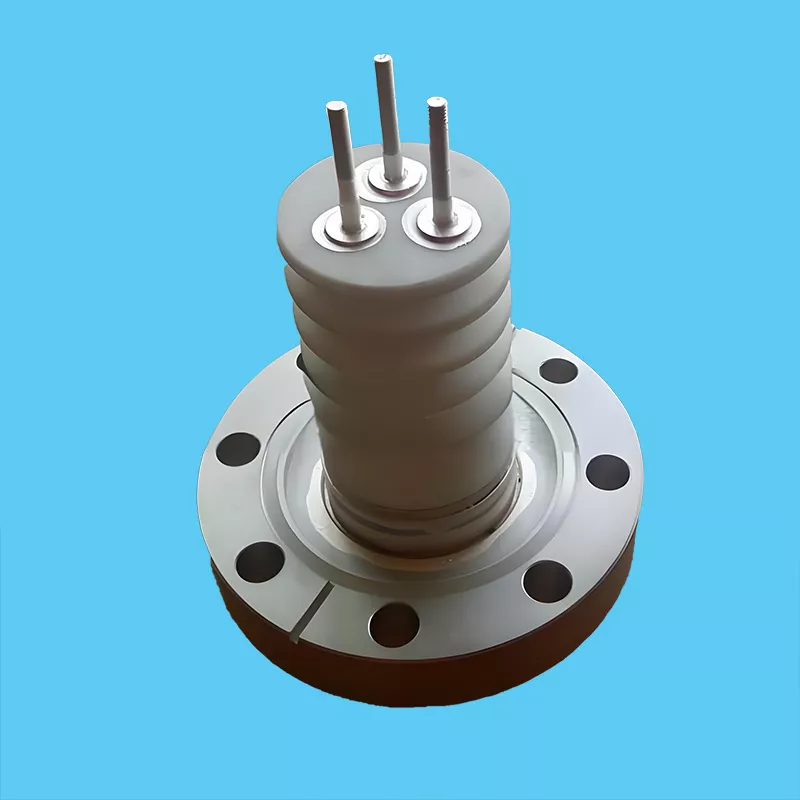
Extrusion Forming
Extrusion can support continuous or length-based forms such as tubes and profiles when the cross-section is suitable. Die design, straightness, dimensional tolerances, firing behavior and cut-length requirements must be reviewed together.
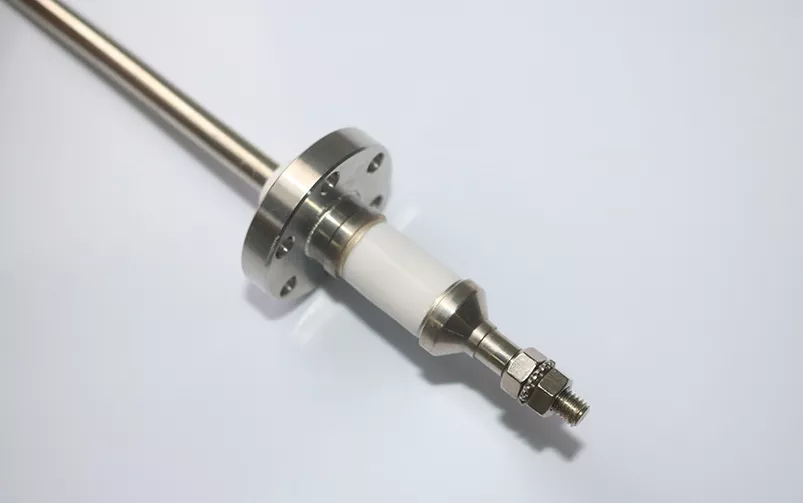
Injection Molding
Injection molding may be considered for smaller repeated components with suitable geometry and volume. Feedstock selection, tool design, shrinkage control, debinding, firing and critical dimensions require project-specific engineering review.

Precision Finishing
Machining, sizing or surface finishing can refine fired cordierite components where mating surfaces, openings or tight dimensions matter. The drawing should identify critical features, permissible damage, surface expectations and inspection requirements.
Cordierite Ceramics Grades and Compositions: Component Accessories
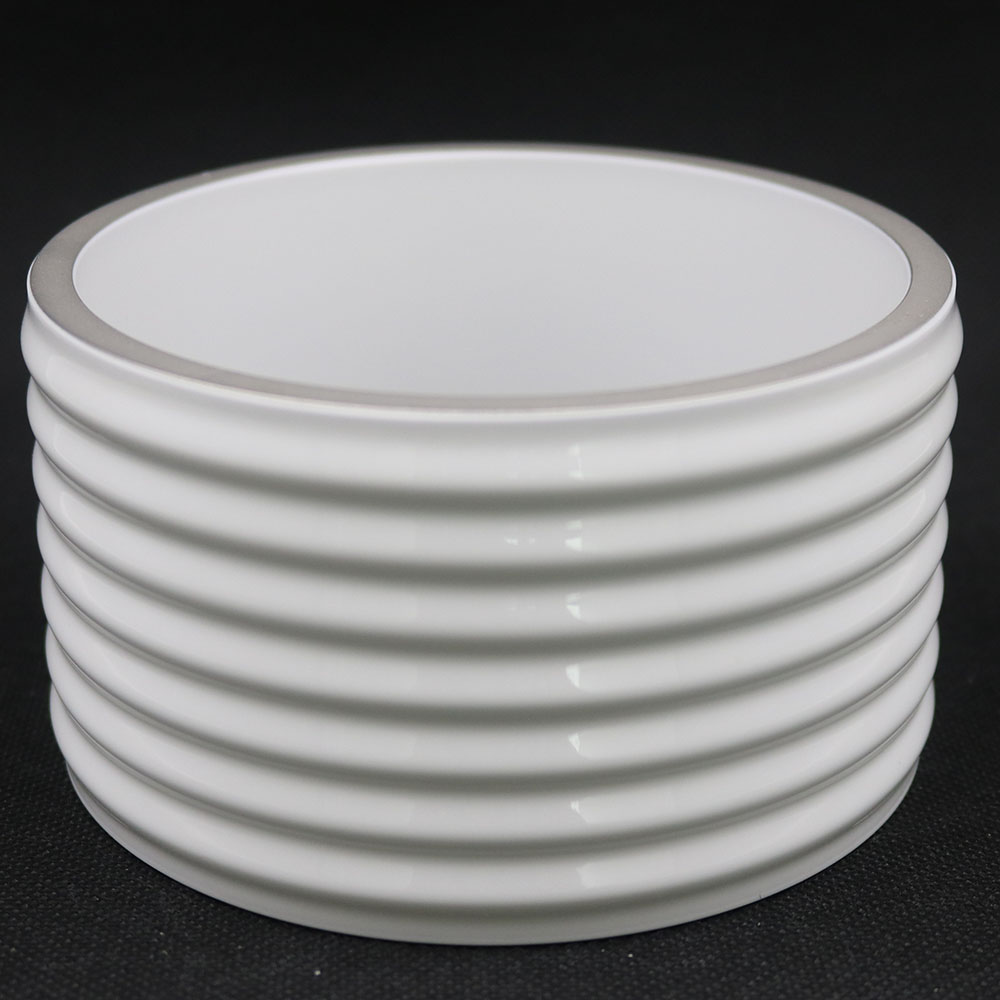
Protective Packaging
Use tailored protective packaging to reduce handling risk for tubes, rods, rings and substrates during storage and transit. Packaging requirements can reflect geometry, fragile surfaces, quantity and the receiving team’s inspection process.

Part Identification
Add labels, tags or traceability markings where approved identification supports receiving, inventory control and assembly. Marking content should be agreed with the drawing, material designation, revision level and project documentation requirements.

Mating Surface Finish
Specify the surfaces that contact another component, including finish expectations, critical dimensions and protection during shipment. These details help equipment builders evaluate fit, alignment and assembly risk before quotation and production.

Drawing Documentation
Package the component with the current drawing revision, material information, inspection notes and acceptance criteria. A clear document set helps procurement teams distinguish reference data from requirements confirmed for the individual cordierite part.

Custom Inspection Pack
Request an inspection package suited to the project, such as dimensional records, material identification or agreed acceptance checks. The appropriate contents depend on the grade, geometry, service conditions and approval workflow.
About Porcecore: Cordierite Ceramics Grades and Compositions
Founded by Andy Yuan, Porcecore helps industrial procurement teams, engineers, equipment builders and distributors connect technical ceramic components with defined part requirements. Our mission is to make industrial ceramic parts sourcing more understandable by clarifying the component, its operating environment and the decisions that must be confirmed before production.
Our scope covers oxide, nitride, carbide and specialty ceramics, including cordierite components considered by grade, geometry, mating surfaces, service conditions and acceptance criteria. Cordierite ceramics grades and compositions are therefore treated as part of a project discussion, not as a substitute for a drawing, specification or application review.
Porcecore’s founder-led direction centers on drawing-led communication and clarity before commitment. Share the current drawing revision, known material designation, quantity, service conditions and documentation needs, and we can identify open questions for a more useful quotation conversation. Availability, tolerances, grade details and delivery terms remain subject to individual project confirmation.

From Cordierite Ceramics Grades and Compositions to a Defined Part
Start With the Drawing
A useful quotation begins with the part, not a material label alone. Share the current drawing revision, component geometry and mating surfaces so Porcecore can clarify dimensions, tolerances and manufacturing questions before discussing a suitable cordierite ceramic route.
- Current drawing revision and quantity
- Critical dimensions and tolerances
- Mating surfaces and assembly interfaces
- Preferred documentation or inspection records

Clarify the Operating Requirement
Cordierite ceramics grades and compositions should be considered alongside the service environment. Describe temperature exposure, thermal cycling, electrical conditions, atmosphere and loading so material-family discussion remains connected to the job the component must perform.
- Normal and peak service temperatures
- Thermal cycling or rapid-change conditions
- Mechanical, electrical or insulation requirements
- Atmosphere, contamination and wear concerns

Compare Material-Family Options
A material family is a starting point for engineering discussion, not a contractual specification. Porcecore helps buyers compare cordierite requirements with other technical ceramic options when geometry, operating conditions or acceptance expectations suggest that a broader evaluation is appropriate.
- Known material designation or grade
- Porosity, strength and thermal priorities
- Alternative ceramic families for review
- Application risks requiring technical clarification

Define Acceptance Before Commitment
Before production terms are confirmed, align the proposed grade, geometry, finish, inspection method and documentation with the project requirement. This drawing-led approach helps separate essential criteria from preferences and gives procurement, engineering and supply teams a shared basis for approval.
- Project-specific grade and composition
- Dimensional and surface acceptance criteria
- Inspection, testing and documentation needs
- Delivery and commercial requirements

Why Choose Porcecore for Cordierite Ceramics Grades and Compositions
Compare requirement clarity, grade confirmation and project-specific documentation before requesting a quotation.
← Swipe left or right to view →
Cordierite Ceramics Grades and Compositions: Production and Supply Process
A buyer-facing workflow connecting material review, drawing-led quotation, production coordination, inspection, packing and shipping with project terms confirmed individually.
Define the Part
Share the current drawing, intended geometry, mating surfaces, service conditions, quantity, known material designation and acceptance criteria so the requirement is concrete.
Review Material Options
Review cordierite ceramics grades and compositions against the component’s thermal, mechanical, electrical and dimensional requirements, while separating general material guidance from project-specific confirmation.
Build the Quotation
Porcecore prepares a drawing-led quotation discussion covering feasible geometry, processing route, quantities, tolerances, documentation, delivery expectations and commercial terms for individual project review.
Coordinate Production
Production coordination follows the confirmed scope, with grade, geometry, inspection expectations and open decisions tracked so the ceramic part remains aligned with the approved requirement.
Inspect and Ship
Before dispatch, packing and shipping arrangements are reviewed alongside inspection records and delivery details, giving buyers a clear basis for receiving and approving the supplied components.
How to Work With Porcecore on Cordierite Ceramics Grades and Compositions
Move from an initial material or component question to a quotation grounded in drawing details, project requirements and confirmed delivery expectations.
Share Your Requirement
Send a current drawing, application brief or replacement-part description with quantity, service conditions and any known cordierite material designation.
Define Grade Requirements
Review suitable grade, geometry, mating surfaces, tolerances and acceptance criteria together, separating essential performance needs from preferred specifications.
Review the Quotation
Receive a project-based quotation that connects the proposed ceramic component, material considerations, quantities, documentation and commercial assumptions.
Confirm Samples or Production
Align on sample approval or production release, including drawing revision, inspection expectations and any documentation required for internal or customer approval.
Align Delivery Details
Confirm lead time, packaging, delivery requirements and communication points so the order can move forward with clearly understood responsibilities.
Certificates and Technical Documentation

Customer Feedback and Cordierite Ceramics Grades and Compositions Cases
No approved customer testimonial or case-study evidence is currently available for publication. Porcecore will add verified feedback after a buyer approves the wording, project context, measurable outcome and attribution.
No customer name, performance metric or sourcing outcome has been supplied for this cordierite ceramics grades and compositions page. Project-specific results should be documented against the drawing, grade, geometry and acceptance requirements.
Porcecore welcomes drawing-led feedback from procurement teams, engineers and equipment builders. Send the current revision, service conditions and acceptance criteria to begin a documented ceramic sourcing case for review and approval.
FAQ: Cordierite Ceramics Grades and Compositions
Practical answers for evaluating grade, geometry, inspection and commercial requirements before requesting a project quotation.
How should we compare cordierite ceramics grades and compositions for an application?
Can Porcecore provide composition data for cordierite ceramics grades and compositions?
How do cordierite ceramics grades and compositions affect tolerances and functional surfaces?
Is there a standard MOQ or sample quantity for cordierite ceramic parts?
Can Porcecore confirm lead time for cordierite ceramic components?
What payment and shipping information should be included in a cordierite quotation request?
How does Porcecore handle drawings and intellectual property for custom cordierite parts?
What information should we send to quote cordierite ceramics grades and compositions?
The Complete Guide to cordierite ceramics grades and compositions
Use this decision framework to match cordierite grades, compositions, processing methods, and supplier capabilities to your thermal, mechanical, electrical, and commercial requirements while avoiding costly specification and sourcing mistakes.
1. What Are cordierite ceramics grades and compositions?
2MgO·2Al₂O₃·5SiO₂ is the nominal composition of cordierite, an engineered magnesium aluminosilicate whose low thermal expansion supports thermal-shock resistance. Six variables—formulation, raw-material purity, porosity, phase development, firing schedule and forming method—can produce materially different cordierite grades and compositions. Extrusion, pressing or injection molding may also change density, geometry and defect risk; porous and non-porous grades serve different requirements. Request datasheet evidence for coefficient of thermal expansion, thermal-shock performance, temperature capability, strength, dielectric properties, open porosity and permeability.
2. Evolution and history of cordierite ceramics
2MgO·2Al₂O₃·5SiO₂ is the nominal mineralogical composition of cordierite, whose industrial value emerged from its unusually low thermal expansion. That stability limits stress during rapid heating and cooling, making thermal-shock resistance a central reason engineers use cordierite as a technical ceramic. Firing control, raw-material consistency and sintering influence phase balance and porosity; porous structures and denser bodies serve different requirements, and the distinction remains grade- and process-dependent. Extrusion, pressing and injection molding can extend cordierite from simple refractory shapes to repeatable tubes, plates, rings and supports.
3. Types of cordierite ceramics grades and compositions
Nominal cordierite is 2MgO·2Al₂O₃·5SiO₂, but commercial grades vary by porosity, strength, insulation, and additives.
| Family | Priority | Buyer question |
|---|---|---|
| Porous | Thermal shock | What porosity is acceptable? |
| Dense | Strength, sealing | Is permeability controlled? |
| Insulating | Electrical isolation | What dielectric test applies? |
| Modified | Application fit | Which composition is documented? |
Porous And Dense Families
C520 and C410 are supplier examples: porous cordierite prioritizes thermal-shock resistance, while non-porous cordierite prioritizes strength and impermeability. Applications include kiln furniture, heater supports, tubes, and catalyst substrates.
Strength And Insulation Grades
High-strength formulations modify microstructure or additives to support handling, vibration, or load-bearing geometry, but may trade some porosity or thermal-shock performance. Electrically insulating grades suit lead-in tubes, coil supports, and high-temperature spacers.
Modified Application Grades
Application-specific compositions may adjust pore structure, phase balance, or forming behavior for exhaust substrates, kiln hardware, or custom assemblies.
4. Materials behind cordierite ceramics grades and compositions
MgO, Al₂O₃, and SiO₂ sources establish cordierite’s phase balance, while processing inputs determine porosity, strength, and consistency.
Oxide Source Selection
The nominal cordierite system is 2MgO·2Al₂O₃·5SiO₂. Talc or magnesite supplies MgO; alumina or aluminum hydroxide supplies Al₂O₃; kaolin and silica adjust Al₂O₃–SiO₂ balance. Source variability can shift secondary phases and thermal expansion, so purity, loss on ignition, particle size, and lot records belong in the inquiry.
Processing Additions
Binders support forming, while pore formers tune open porosity and permeability; additives may alter sintering or crystallization. Excess organics, coarse particles, or poor dispersion can create warpage, cracking, or uneven phase development.
Recycled Inputs And Contamination
Recycled minerals or industrial residues can reduce virgin-material demand, but iron, alkalis, calcium, and carbon may introduce unwanted phases or discoloration. Incoming analysis and contamination limits should be tied to the part’s electrical, thermal, and dimensional requirements. Ask for batch composition, phase verification, and traceability before approving substitutions.
| Material system | Control concern | Resulting property | Procurement implication |
|---|---|---|---|
| Talc/magnesite | MgO purity | Phase balance | Approve source limits |
| Alumina/Al(OH)₃ | Particle size | Strength consistency | Require PSD data |
| Kaolin/silica | Al₂O₃–SiO₂ ratio | Thermal expansion | Confirm chemistry |
| Recycled input | Trace contaminants | Secondary phases | Require incoming analysis |
5. Customization and decoration options for cordierite components
A component drawing should define geometry, wall thickness, channels, holes, tolerances, mating surfaces, finish, porosity, marking and packaging.
Geometry And Process Choice
Extrusion suits repeatable tubes, channels and constant profiles; dry pressing supports discs, plates and simple shapes. Slip casting handles larger or complex forms, while injection molding suits intricate repeatable parts but usually needs tooling and higher volume. Machining adds cost and lead time, especially for tight tolerances or small holes.
Surface And Identification Controls
1 mm tolerance, polished mating surface, controlled porosity or open channel can materially change inspection and price. Glaze or coating is relevant only where sealing, chemistry or appearance requires it; color, laser marking and batch labels should remain traceable.
Protect Thermal-Shock Performance
A thinner wall, sharp internal corner, dense coating or drilled hole can create stress concentration and reduce thermal-shock margin. Use radiused transitions, balanced sections and controlled machining, then validate the actual heating and cooling cycle.
6. Key construction quality elements for cordierite ceramics
Three control stages—batch preparation, forming, and firing—set the foundation for reliable cordierite components.
| Control area | Request | Acceptance basis |
|---|---|---|
| Thermal and mechanical | CTE, thermal-shock cycling, strength | Agreed method, temperature range, cycles, and strength basis |
| Structure | Porosity, pore distribution, phase composition | Lot-specific results and defined microstructure target |
| Electrical and thermal | Dielectric properties, temperature exposure | Specified frequency, temperature, duration, and atmosphere |
| Geometry and finish | Dimensional inspection, warpage, cracks, surface defects | Drawing revision, tolerances, and inspection plan |
Batch And Firing Control
Batch homogeneity, forming density, and controlled drying reduce internal variation before firing.
Geometry And Surface Integrity
Dimensional stability depends on predictable shrinkage and restrained firing.
Qualification Test Plan
Request tests selected for the application rather than universal acceptance values.
7. How to choose a cordierite ceramics manufacturer
Three checks—material fit, process control, and evidence—separate a capable supplier from a catalogue listing.
| Check | Ask | Evidence |
|---|---|---|
| Technical fit | Grade, geometry, tolerances? | Datasheet and tested sample |
| Process control | Tooling and change control? | Audit records and revision history |
| Delivery readiness | Lead time and export support? | Quotation, packaging, references |
Define Technical Fit
1 current drawing should anchor discussions about grade, porosity, forming route, tooling, tolerances, mating surfaces, and inspection method. Confirm whether quoted properties are grade-specific. 3 questions expose gaps: Which processes are in-house? What sample-to-production lead time is realistic?
Verify Capability And Quality
4 evidence types matter: controlled datasheets, representative sample testing, audit records, and relevant application references. Validate thermal, dimensional, and mechanical claims against agreed methods. 2 suppliers may use similar material names yet differ in firing control, tooling, tolerances, and change management.
Compare Commercial Readiness
5 practical checks cover production scale, lead time, sample approval, packaging, export documentation, and notification before process or material changes. Ask for documented inspection results and a clear quotation basis.
8. Common mistakes when buying cordierite ceramics grades and compositions
A material name is not a purchase specification: cordierite ceramics grades and compositions must be tied to geometry, porosity, atmosphere, cycling and inspection.
Define Grade And Structure
Porous and dense cordierite are not interchangeable. State open porosity, bulk density, strength and permeability targets, then identify the exact grade or composition proposed. A tolerance-free drawing invites assembly risk.
Specify Service Conditions
A furnace setpoint is not the part temperature. Record ramp rate, thermal gradient, dwell time, cycle count and hot-zone location; require thermal-shock or prototype cycling against those conditions. Chemistry changes suitability.
Compare Evidence And Cost
Two temperature or strength values are comparable only when test standard, specimen geometry, porosity, temperature and reporting basis match. Reject unverified claims and request lot-level certificates or agreed validation data. Unit price alone hides scrap, tooling, replacement and downtime.
9. Steps to launch an OEM cordierite component program
Three decision gates keep an OEM cordierite program traceable: define the part duty, prove the design, then control repeat production.
Define The Requirement
Start with the service temperature, thermal cycling, loads, atmosphere, mating surfaces, failure history, quantity, and end-user variation. Record the current drawing revision and acceptance criteria.
- Application and failure-analysis brief
- Material and process trial plan
- Decision: grade shortlist and risks
Prove Design And Process
Review geometry, tolerances, datum structure, firing shrinkage, inspection access, and packaging risks with the supplier. Run material or forming trials before freezing production tooling.
- Approved drawing and trial report
- Prototype test results
- Decision: supplier qualification
Control Serial Release
Pilot production should verify batch consistency, dimensions, fit, cleanliness, labeling, packaging, and shipment protection. Distributors should link each variant to its end-user drawing and revision.
- Pilot inspection and packaging records
- Revision-controlled order package
- Decision: serial-order release
10. Pricing and cost of cordierite ceramics grades and compositions
10 cost inputs can materially change a cordierite component quote: raw-material purity, formulation complexity, geometry, forming route, tooling, machining, firing energy, inspection, testing, packaging, volume and logistics. Tight mating tolerances, difficult shapes and extensive testing generally add processing or quality-control work. 3 comparable quotations should use the same drawing revision, tolerances, test requirements, Incoterms and packaging scope.
| Quantity Tier | Likely Cost Driver | Tooling or Setup Impact | Lead-Time Considerations | Quote Assumptions |
|---|---|---|---|---|
| Prototype: 1–10 | Machining, inspection and low-volume handling | Highest unit setup allocation; tooling may be amortized | Longest per-part planning; sample approval required | Final drawing, material designation and acceptance criteria |
| Pilot: 10–100 | Forming yield, firing cycle and inspection sampling | Dedicated tooling may reduce unit cost | Allow process tuning and first-article review | Stable geometry, tolerances and test plan |
| Production: 100+ | Raw-material purchasing, yield, packaging and freight | Tooling amortized across volume | Capacity reservation and logistics planning | Forecast, order schedule, Incoterms and packaging scope |
Discuss Your Cordierite Ceramics Grades and Compositions
Email a drawing or describe your component, operating environment, quantity, and acceptance criteria for a focused quote discussion.