
Silicon Nitride Ceramics Machining and Design Guide for OEM Sourcing
Use this silicon nitride ceramics machining and design guide to define geometry, mating surfaces, service conditions, and acceptance criteria before requesting a quotation.
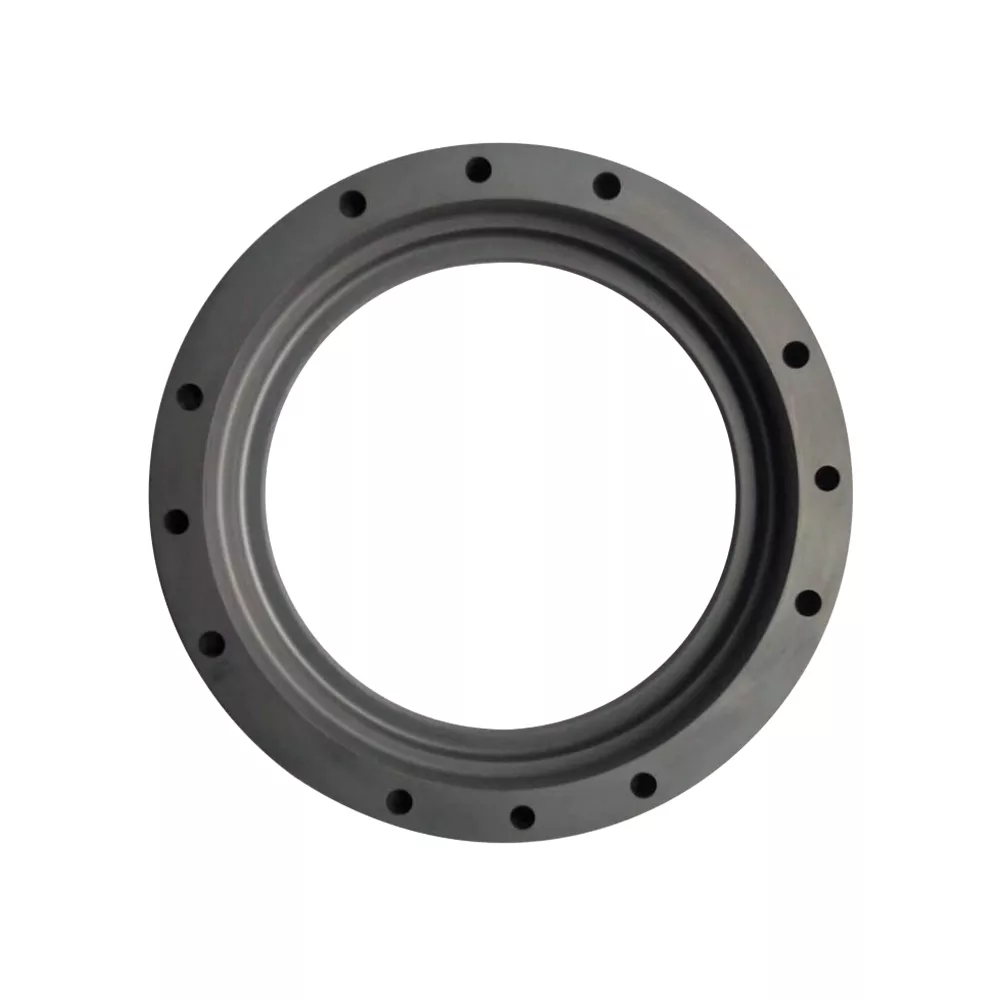
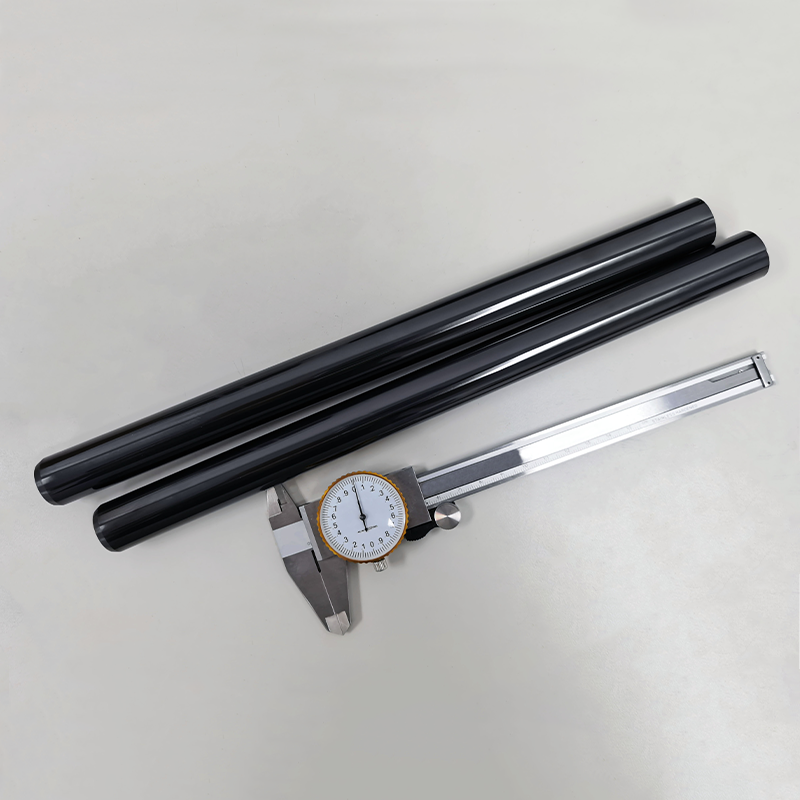
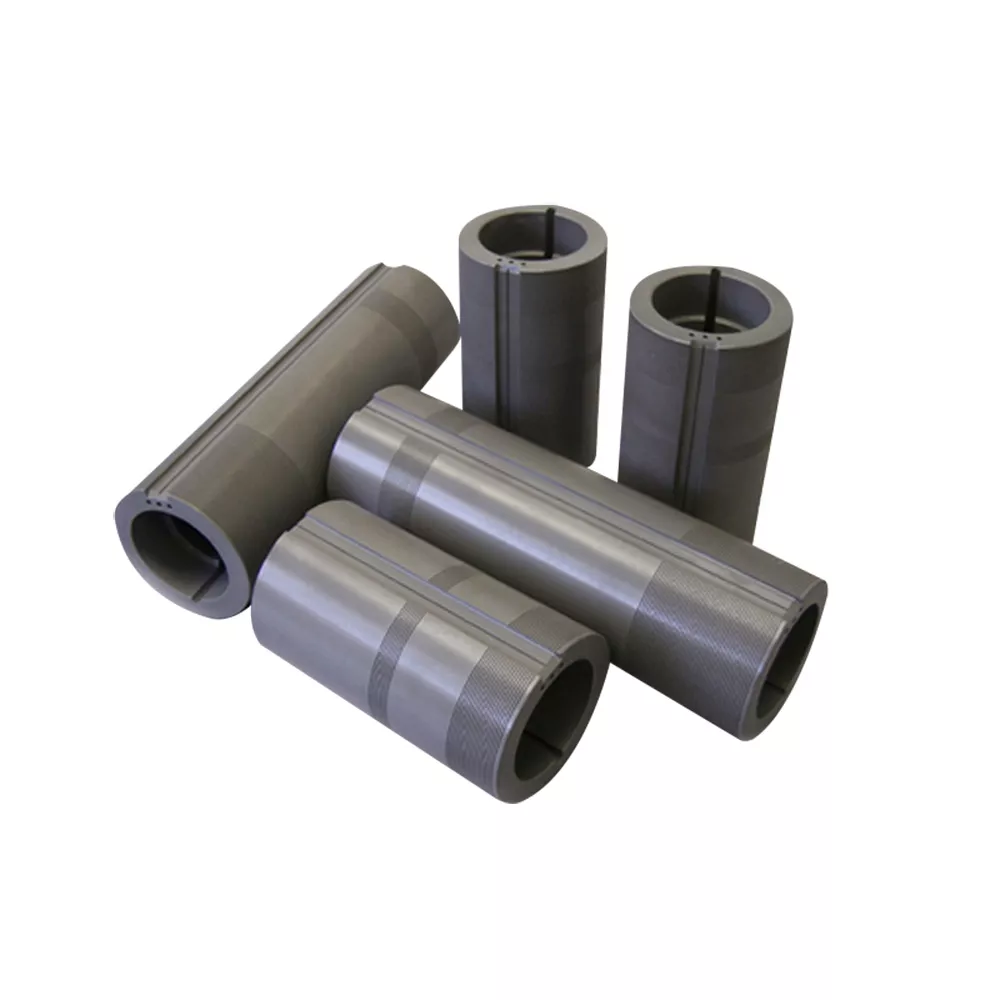
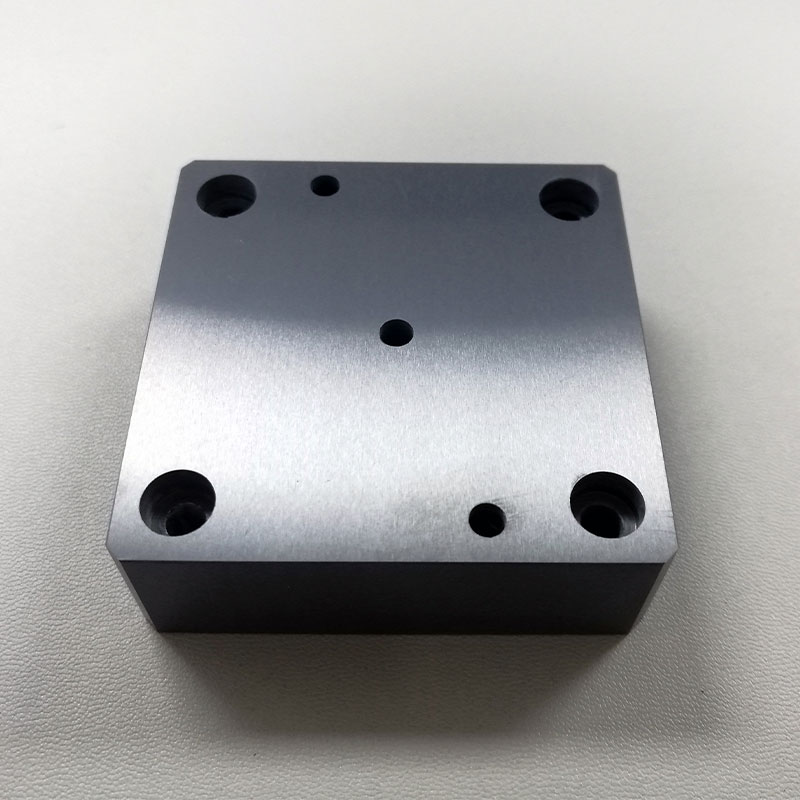
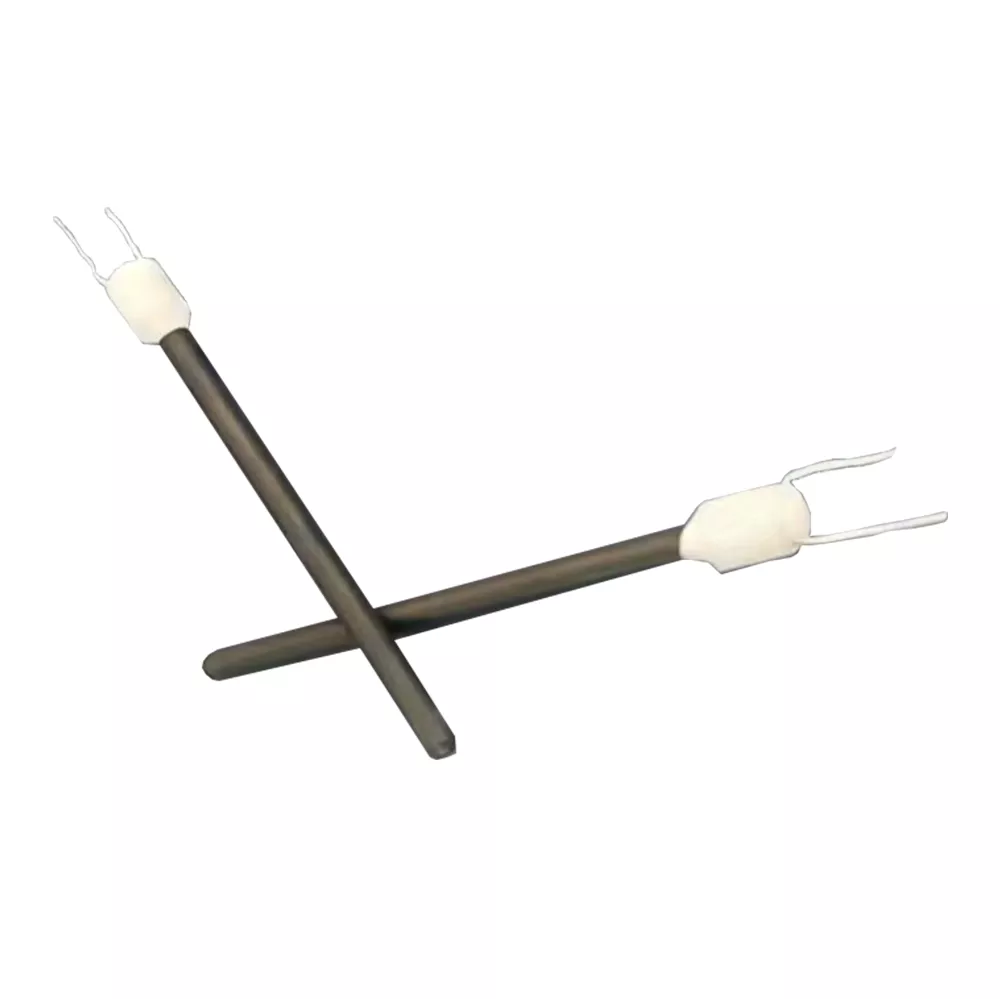
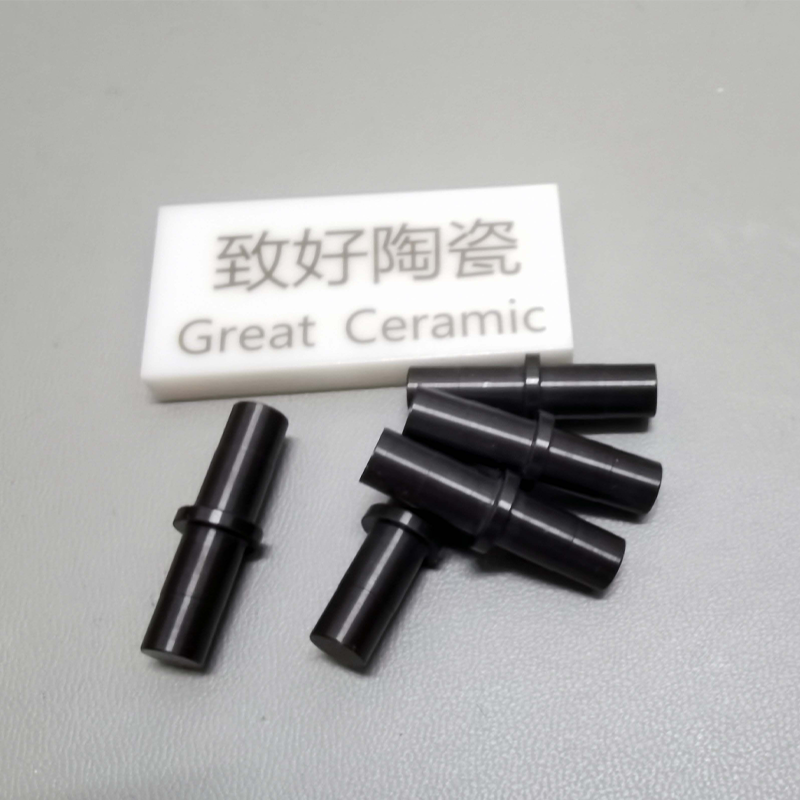
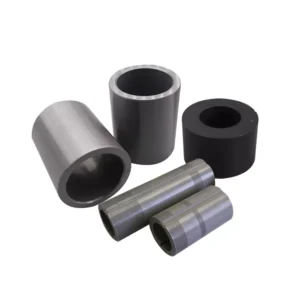
Featured Silicon Nitride Ceramic Components







Related Product Catalogue and Quotation





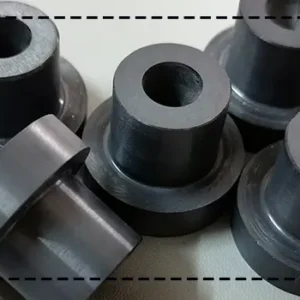


Silicon Nitride Ceramics Machining and Design Guide: Requirements That Matter
Use this silicon nitride ceramics machining and design guide to align material, geometry, service conditions, and acceptance expectations before requesting a quotation.
Current Drawing Revision
Share the current drawing revision, critical dimensions, and referenced notes so quotation discussions begin from the part definition your team is actually evaluating.
Project-Specific Material Grade
Name the preferred grade when known, then connect it to load, temperature, electrical, wear, or chemical conditions that shape a project-specific material discussion.
Geometry and Assembly Fit
Identify wall sections, transitions, holes, radii, and other geometry that influences forming, machining, handling, and the relationship between the ceramic part and its assembly.
Process Route Priorities
Distinguish essential finished features from areas where process flexibility is acceptable, helping focus discussion on practical routes without treating a material listing as a production commitment.
Functional Surface Requirements
Mark the surfaces that locate, seal, slide, carry load, or interface with another component, along with the dimensions that determine fit and function.
Inspection and Delivery Evidence
State the acceptance criteria, inspection points, documentation needs, and packaging expectations required for project review, receiving, and approval before commercial terms are finalized.
Silicon Nitride Requirements by Application
Explore component, material, application and reference categories to frame drawings, operating conditions and acceptance needs before quotation.

Ceramic Manufacturing Capabilities
Review ceramic manufacturing capabilities against the component requirement: form, dimensions, tolerances, mating surfaces, finishing needs and inspection criteria. A drawing-led inquiry helps determine which processing route and production details need confirmation for the requested part.
Discuss Your Ceramic Part
Ceramic Solutions by Industry
Explore advanced ceramics applications by the operating challenge: wear, heat, electrical insulation, thermal transfer, corrosive exposure or mechanical loading. Define the service environment and the component’s role so material grade, geometry and acceptance requirements can be discussed for the project.
Discuss Your Ceramic Part
Advanced Ceramic Materials
Compare advanced ceramic materials as starting points for a specific component requirement. Alumina, zirconia, silicon carbide, silicon nitride, aluminum nitride and boron nitride each require grade-specific review against operating conditions, geometry, interfaces and documentation needs.
Discuss Your Ceramic Part
Technical Ceramic Products
Browse technical ceramic products by familiar component forms, including tubes, rods, rings, substrates and replacement parts. Use the relevant category to prepare a drawing, known material designation, quantity, assembly-critical dimensions and project-specific acceptance criteria for inquiry.
Discuss Your Ceramic Part
Technical Ceramic Resources
Use this technical ceramics guide to structure a clearer sourcing conversation. Identify the drawing revision, material information, operating conditions, fitting surfaces, inspection expectations and required documentation before contacting Porcecore by email or WhatsApp.
Discuss Your Ceramic PartTechnical Ceramic Materials for Silicon Nitride Component Decisions


Alumina Ceramics
A widely considered oxide ceramic family for electrical insulation, wear components, tubes, and substrates. Define the required grade, dimensions, mating features, operating environment, and documentation needs before requesting a quotation.

Zirconia Ceramics
A ceramic family often evaluated for precision parts, seals, valves, and tooling components. Share assembly-critical dimensions, contact surfaces, service conditions, material designation if known, and acceptance criteria for project review.

Silicon Carbide Ceramics
A material family relevant to abrasive, thermal, and corrosion-conscious component applications. Provide the component drawing, form, critical tolerances, media exposure, temperature conditions, and required inspection documentation for a focused discussion.

Aluminum Nitride
A technical ceramic family to consider for thermally managed electrical and electronic component requirements. Identify substrate or component geometry, mounting interfaces, electrical considerations, operating conditions, and grade-specific documentation expectations.

Boron Nitride
A specialty ceramic family worth discussing for selected insulation, thermal, and process-contact requirements. Send the drawing revision, component form, service environment, critical dimensions, quantity, and acceptance requirements to clarify suitability.
Silicon Nitride Ceramics Machining and Design Guide: Finishing Considerations
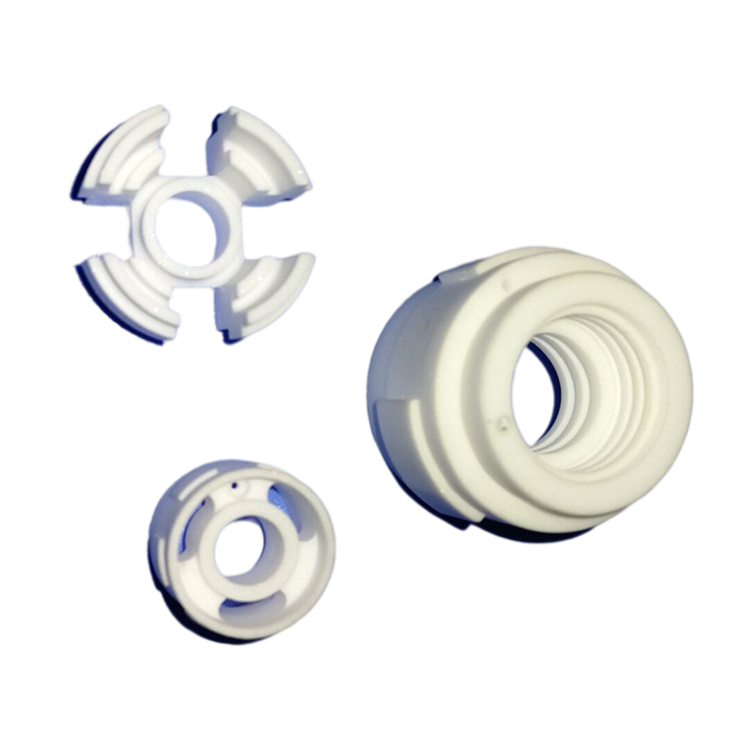
Green-State Machining
Where a drawing permits, discuss features that may be formed or machined before firing. This helps frame geometry, shrinkage allowance, and the post-fired surfaces that still require final finishing.
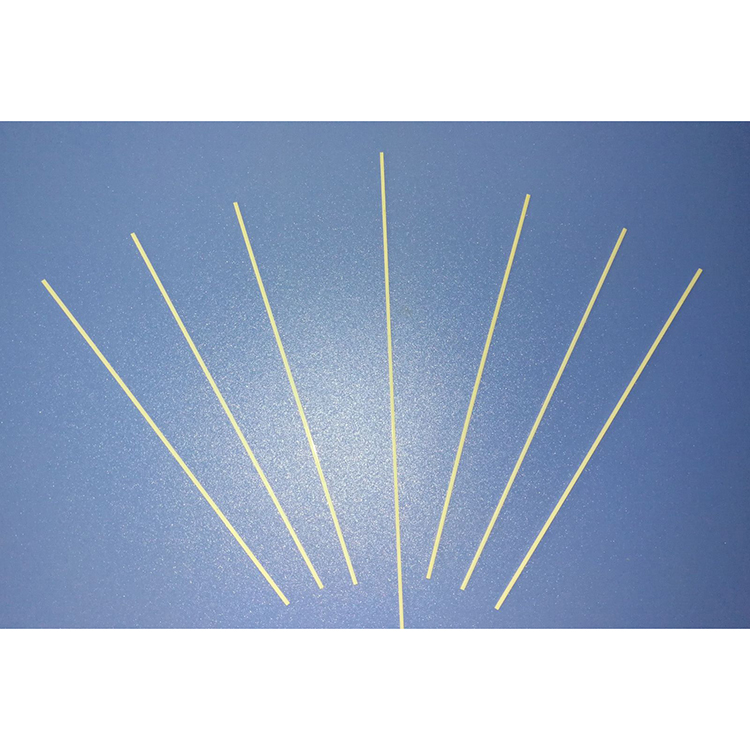
Sintering Allowance
Review dimensional change, wall transitions, holes and critical interfaces before selecting a process route. Clear functional dimensions help distinguish features suitable for near-net forming from those needing later finishing.

Diamond Grinding
Identify the dimensions, bores, faces and mating surfaces that require post-sintering grinding. Marking these on the drawing helps focus the quotation discussion on functional accuracy rather than unnecessary finishing.

Surface Requirements
Specify the surface condition needed for sealing, sliding, electrical contact or assembly. Include roughness expectations, edge treatment and any areas that must remain free of finishing-related restrictions.
Inspection Planning
Define acceptance dimensions, measurement references, documentation needs and inspection priorities early. A shared inspection plan gives procurement and engineering teams a clearer basis for reviewing the finished ceramic component.
Silicon Nitride Ceramics Machining and Design Guide: Assembly Features
Mating Surfaces
Identify contact faces, fit-critical diameters, flatness expectations and surface finish requirements for interfaces with shafts, housings or adjacent ceramic parts. Mark these features on the current drawing revision for review.
Metal Interfaces
Specify sleeves, housings, shrink-fit relationships or bonded metal interfaces where the ceramic part joins an assembly. Include mating material, assembly method, operating temperature and load direction to clarify the requirement.
Seal Features
Document grooves, seating faces, clearance zones and the seal type where fluid, pressure or contamination control matters. Service media, temperature, pressure and inspection criteria help frame a project-specific discussion.

Retention Hardware
Describe pins, clips, fasteners, collars or other retention concepts that locate the component in service. Provide load paths, assembly sequence and interface dimensions so ceramic geometry can be assessed with the surrounding hardware.

Part Identification
Request labels, part numbers, revision references, packaging marks or supporting documentation when traceability is needed for receiving and approval. Confirm the required format and acceptance expectations for the individual project.
Silicon Nitride Ceramics Machining and Design Guide
Porcecore was founded by Andy Yuan to make technical ceramic sourcing easier to begin and clearer to evaluate. Our silicon nitride ceramics machining and design guide reflects that intent: start with the component’s job, then connect material selection, geometry, interfaces, service conditions and inspection expectations.
Our scope includes oxide, nitride, carbide and specialty ceramic families, organized around familiar materials and component forms. We support project discussions for parts such as tubes, rods, rings and substrates, while recognizing that grade, size, process route and availability must be confirmed for each individual requirement.
What distinguishes Porcecore is a drawing-led, clarity-before-commitment approach. Send the current drawing revision, quantity, service conditions, critical mating surfaces and acceptance criteria. This gives procurement and engineering teams a concrete basis to define open questions before discussing quotation, documentation, delivery or commercial terms.

Requirement-Led Sourcing Considerations
Review the Current Drawing
Start with the current drawing revision and identify the dimensions, datums, material designation, quantity, and acceptance criteria that shape the request. This creates a practical basis for silicon nitride ceramics machining and design guide discussions before quotation decisions are made.
- Provide the latest drawing revision
- Identify critical dimensions and datums
- State the intended material or grade if known
- Include annual or project quantity

Define the Working Environment
A material name alone does not define a suitable component. Share the operating load, temperature exposure, wear conditions, electrical role, chemical contact, and duty cycle so the application context can be considered alongside the proposed silicon nitride part.
- Describe loads and contact conditions
- Note temperature and thermal cycling
- Flag abrasive, corrosive, or electrical exposure
- Explain the component’s function in the assembly

Protect Fit and Assembly Surfaces
Mating surfaces and assembly-driving features deserve clear attention in the design review. Indicate bores, faces, radii, edges, holes, and contact zones that affect fit, alignment, sealing, or load transfer, then distinguish essential tolerances from preferred ones.
- Mark surfaces that mate with other parts
- Call out assembly-critical dimensions
- Identify edge, radius, and hole requirements
- Separate must-haves from preferences

Align Inspection Expectations
Project-specific inspection and documentation requirements should be defined early rather than assumed. Clarify which dimensions, material details, surface conditions, records, or approval documents need confirmation for the individual project before production terms are agreed.
- List required dimensional checks
- Specify material and document needs
- Define surface-condition expectations
- Confirm approval and acceptance criteria

Silicon Nitride Ceramics Machining and Design Guide: Porcecore vs. Typical Suppliers
Compare a drawing-led, application-first discussion with material-only sourcing before defining your ceramic part.
← Swipe left or right to view →
A Clear Process for Ceramic Part Inquiries
Move from a drawing-led requirement review to confirmed quotation, approval expectations, packing and delivery details for silicon nitride ceramic components.
Share Part Requirements
Send the current drawing revision, component form, quantity, operating conditions, mating surfaces and acceptance criteria to establish the project basis.
Review Material Fit
Discuss silicon nitride ceramics machining and design guide considerations, including proposed grade, geometry, service environment and features that affect manufacturability.
Clarify Quotation Details
Confirm essential dimensions, tolerances, finishing needs, documentation requests and commercial assumptions so the quotation reflects the defined component requirement.
Align Approval Expectations
Review the agreed drawing details, material designation, inspection expectations and any required records before production commitments are finalized for the project.
Confirm Packing And Delivery
Confirm packing requirements, delivery expectations and final commercial terms for the individual order, with project-specific details documented before shipment arrangements proceed.
How to Work With Porcecore
Move from a silicon nitride ceramic part concept to a clearer, drawing-led sourcing discussion.
Send Your Drawing
Share the current drawing revision, material designation if known, quantity, operating conditions, and acceptance criteria for the silicon nitride component.
Identify Critical Requirements
Mark mating surfaces, assembly-defining dimensions, tolerances, finishes, and documentation needs so open technical questions can be addressed before quotation.
Review Project Details
Discuss proposed grade, geometry, machining considerations, inspection expectations, delivery needs, and commercial assumptions for the individual project.
Confirm Production Terms
Confirm the agreed specification, quantity, documentation, delivery, and commercial terms before moving forward with a production order.
Customer Feedback Pending Approval

Silicon Nitride Ceramics Machining and Design Guide: Approved Customer Cases
Approved testimonial pending: insert a customer-approved quote describing the specific drawing, component requirement, and verified project outcome, including a measurable result only where documented.
Approved testimonial pending: insert customer-approved feedback on how clarified geometry, material designation, mating surfaces, or acceptance criteria supported the sourcing discussion and a documented outcome.
Approved testimonial pending: insert a verified customer case describing the inquiry process, component application, and confirmed result. Include quantities, timing, or dimensional outcomes only after approval.
Silicon Nitride Ceramics Machining and Design Guide FAQ
Practical questions for turning a ceramic component requirement into a clearer quotation discussion.
What should we include in a silicon nitride ceramics machining and design guide RFQ?
How does a silicon nitride ceramics machining and design guide address material grade selection?
Which tolerances and functional surfaces matter most for silicon nitride ceramics machining and design guide inquiries?
Can Porcecore quote a replacement part without a complete drawing?
How should we specify quantity, prototype needs, and future demand?
What inspection evidence can we request for a ceramic component?
How should silicon nitride ceramics machining and design guide buyers describe operating conditions?
What should we clarify about packaging, shipping, payment, and IP handling?
Silicon Nitride Ceramics Machining and Design Guide for OEM Buyers
Use a practical decision framework to specify silicon nitride components, compare processing routes and suppliers, control total cost, and avoid design choices that create unnecessary machining risk, delays, or premature field failures.
1. Silicon Nitride Ceramics Machining and Design Guide Overview
Si3N4 merits evaluation when a component faces combined wear, thermal cycling, electrical insulation needs, or high-speed contact that conventional metals or polymers cannot meet without unacceptable maintenance. This silicon nitride ceramics machining and design guide starts with the actual load path, temperature, media, mating surfaces, and failure mode—not a material substitution alone (https://www.syalons.com/resources/articles-and-guides/designing).
Five linked decisions govern a producible request: grade, forming route, green-state features, final grinding, and inspection criteria. Procurement teams should qualify a supplier against the drawing revision, critical tolerances, surface requirements, lot documentation, and agreed acceptance method; fired ceramic grinding is slower than pre-fired machining, so near-net geometry matters (https://www.morgantechnicalceramics.com/en-gb/resources/design-guide-for-ceramic-components).
2. Evolution of Silicon Nitride Engineering
1970s development work brought silicon nitride into wider engineering use as processing routes improved for dense, reliable technical-ceramic parts (https://www.syalons.com/2019/07/04/design-tips-for-silicon-nitride-ceramics). Its use expanded where mechanical loading, thermal exposure, electrical insulation, or wear made conventional materials a poor fit.
30% sintering shrinkage can complicate intricate forms, making process-aware geometry important from the drawing stage (https://www.syalons.com/2019/07/04/design-tips-for-silicon-nitride-ceramics). Powder forming and green-state machining therefore support near-net shapes before firing, while finished dimensions commonly require post-fire grinding (https://www.morgantechnicalceramics.com/en-gb/resources/design-guide-for-ceramic-components).
2026 sourcing decisions should connect grade, forming route, shrinkage allowance, critical surfaces, and inspection criteria. That history matters because a part’s cost and achievable tolerance are determined by the full process plan, not the material name alone.
3. Silicon Nitride Ceramics Machining and Design Guide Types
Three processing families change what can be held, finished, and accepted. In this silicon nitride ceramics machining and design guide, treat a grade name as a starting point, not verified data.
| Family | Selection Context | Typical Trade-Off |
|---|---|---|
| Sintered | Dense structural parts | Less shape freedom |
| Hot-isostatic-pressed | Low-porosity reliability | Higher cost |
| Reaction-bonded | Complex near-net forms | More porosity |
Sintered Grades
Sintered silicon nitride suits dense structural parts needing a balance of strength and toughness.
Near-net pressing limits shape freedom; reserve diamond finishing for fits and critical surfaces.
Hot-Isostatic-Pressed Grades
Hot-isostatic-pressed grades target lower residual porosity and demanding reliability requirements.
Higher processing cost and post-fire grinding should be weighed against the required finish.
Reaction-Bonded Grades
Reaction-bonded silicon nitride favors complex near-net geometry and reduced shrinkage.
Its porosity commonly trades density, strength, and toughness for shape freedom; confirm sealing and finish needs.
Application-Specific Formulations
Application-specific formulations vary with additives, microstructure, and intended duty.
Request the supplier data sheet for density, strength, toughness, porosity, tolerances, and inspection method.
4. Material Properties and Grade Selection
Grade selection begins with the duty cycle, not a catalog property. Match load mode, wear mechanism, speed, temperature, thermal cycling, corrosion exposure, insulation needs, dimensional stability, and mating-material behavior.
| Material | Relative Strength | Thermal Cycling | Electrical Insulation |
|---|---|---|---|
| Silicon nitride | High, grade-dependent | Often favorable | Generally insulating |
| Alumina | Moderate to high | Application-dependent | Generally insulating |
| Zirconia | High toughness potential | Application-dependent | Generally insulating |
| Bearing steel | Ductile | Expansion-sensitive | Conductive |
Screen the Service Conditions
Compressive, rolling, sliding, or impact loading can change the preferred grade. Record lubricant, contact pressure, counterface finish, electrical exposure, and temperature transitions on the drawing.
Confirm Grade Data
Grade-specific values depend on composition, density, specimen orientation, test method, and test temperature. Ask suppliers to confirm applicable results and acceptance criteria before releasing production.
5. Silicon Nitride Ceramics Machining and Design Guide Options
Powder forming, green machining, sintering, and diamond finishing should be planned together. This silicon nitride ceramics machining and design guide treats capability limits as supplier-specific confirmations.
| Stage | Best Use | Cost And Lead-Time Effect |
|---|---|---|
| Green machining | Near-net features | Reduces fired grinding |
| Diamond grinding | Tight dimensions | Adds time and cost |
| Lapping or polishing | Critical finish | Confirm need first |
Drawing And Datums
Revision-controlled drawings should identify functional datums, mating surfaces, toleranced dimensions, and inspection methods. Datum chains prevent grinding allowances from becoming assembly variation.
Achievable Features
Green-state machining can economically create noncritical holes, profiles, and reliefs before sintering. Thin walls, deep bores, sharp internal corners, and tight geometry require an early supplier review.
Surface And Production Handoff
Diamond grinding establishes precision surfaces; lapping or polishing should be limited to surfaces with stated functional need. Prototype inspection results, lot quantity, acceptance criteria, and approved drawing revisions should transfer into production.
6. Design Features That Protect Quality
Silicon nitride designs benefit when geometry, loading, and finishing access are resolved before quotation. The silicon nitride ceramics machining and design guide should translate functional needs into manufacturable features.
Shape And Load Paths
Uniform wall sections and gradual transitions reduce localized stress. Use generous radii or chamfers, broad contact areas, and compression-oriented load paths where the assembly permits.
Holes, Threads, And Grinding
Replace ceramic threads with through-holes, inserts, clamps, or mating metal hardware when practical. Keep holes away from edges and specify surfaces that a grinding tool can reach without obstructed features.
Drawing Review Checklist
Before quotation, identify features that drive fit, function, or inspection. Late tolerance changes can require different finishing steps and increase rejection risk.
- Current drawing revision
- Material designation or open grade question
- Critical dimensions, datums, and mating surfaces
- Service loads, temperature, and media
- Acceptance criteria and required documentation
7. Choosing a Silicon Nitride Manufacturer
The current drawing revision should anchor supplier screening. Compare evidence for the requested grade, geometry, verification plan, and production controls before awarding a silicon nitride ceramics machining and design guide RFQ.
| Evaluation Area | Evidence Requested | Purchaser Question |
|---|---|---|
| Grade control | Lot records | How is grade verified? |
| Metrology | Inspection plan | Which dimensions receive reports? |
| Change control | Revision procedure | When are changes notified? |
Traceability And Review
The material designation should link each lot to its incoming material and final part records. Ask who reviews the drawing, service conditions, critical surfaces, and acceptance criteria before quotation.
Inspection And Sampling
Critical dimensions need defined methods, datum strategy, sampling quantity, and report format. Ask whether material verification, process validation, nonconforming-part segregation, and corrective-action response are documented.
Production Readiness
Forming and machining scope should match the part’s complexity and finished-surface requirements. Confirm capacity, lead-time assumptions, packaging protection, revision-change notification, and a named technical contact.
8. Common Silicon Nitride Ceramics Machining and Design Mistakes
Costly rework often begins before the RFQ, when a ceramic part is treated like a metal part. This silicon nitride ceramics machining and design guide flags decisions that need resolution before production.
Copying Metal Geometry
Metal-style sharp transitions and point contacts can concentrate stress, increasing crack or chip risk. Use radii, load-spreading contacts, and a ceramic-specific drawing review.
Tolerances And Sintering
Applying tight tolerances to every dimension raises grinding effort and quotation risk; ignoring sintering variation can disrupt fits. Mark only functional datums and tolerances, then confirm the forming and finishing route.
Incomplete Requirement Definition
Choosing a grade by hardness alone, omitting load, temperature, medium, and mating details, or requesting inaccessible features can produce an unsuitable part. Define service conditions, feature access, inspection method, and sample acceptance criteria before release.
9. From RFQ to Production Launch
1. Treat the RFQ as a controlled handoff, not a price request. Define duty cycle, loads, temperature, media, annual quantity, and assembly-critical dimensions before release.
Define The Technical Package
2. The buyer supplies the current revision, 3D CAD, mating-part details, and critical-to-function callouts. The supplier reviews manufacturability, datum logic, tolerances, and quotation assumptions; discrepancies require written resolution.
Approve Prototype Criteria
3. Prototype approval should lock the drawing revision, material designation, inspection method, sampling plan, and acceptance limits. Verify packaging against handling, edge protection, labeling, and traceability needs before a production order.
Control Production Release
4. Release production only after both parties approve the sample record and change-control route. Procurement confirms quantities and delivery terms; engineering owns deviations, while quality signs inspection evidence.
10. Pricing and Total Cost Factors
1 comparable quote starts with the same drawing revision, grade or acceptable alternatives, annual volume, and acceptance criteria. Final pricing changes with forming route, geometry, post-sinter machining, tolerance, finish, inspection, tooling, and order volume.
2 cost decisions deserve review: relaxing a nonfunctional tolerance or combining parts can lower total cost, while critical fit surfaces and documented inspection should remain explicit. Request separate tooling, first-article, documentation, and recurring-unit line items.
| Quantity Tier | Primary Cost Driver | Likely Unit-Cost Effect | Lead-Time Implication |
|---|---|---|---|
| Prototype | Tooling and programming | Highest allocation per part | Allow review and setup |
| Low volume | Diamond grinding and inspection | High when features are numerous | More process time per unit |
| Medium volume | Repeatable forming and fixtures | Allocation decreases | Capacity planning matters |
| Production volume | Stable drawing and controlled requirements | Lowest recurring cost potential | Schedule against approved forecast |
Start Your Silicon Nitride Ceramics Machining and Design Guide
Email your drawing, service conditions, quantities, and acceptance criteria to begin a clearer, project-specific quotation discussion with Porcecore.