
Ceramic Wear Liners, Specified From Your Drawing
Discuss ceramic wear liners with requirements for geometry, service conditions, mating surfaces and acceptance criteria before requesting a quote.
Featured Products for Ceramic Wear Liner Development

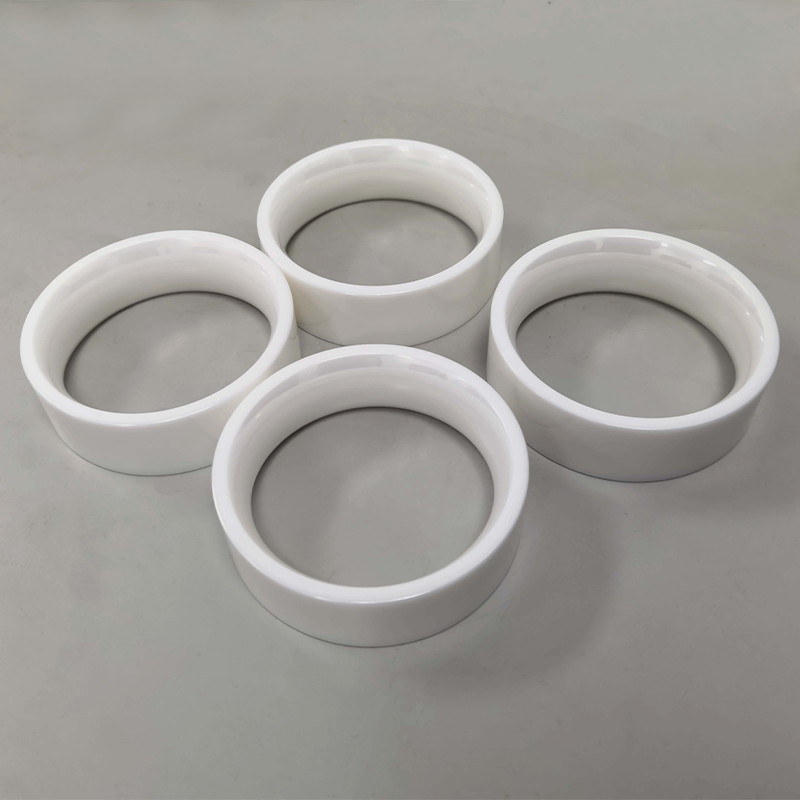

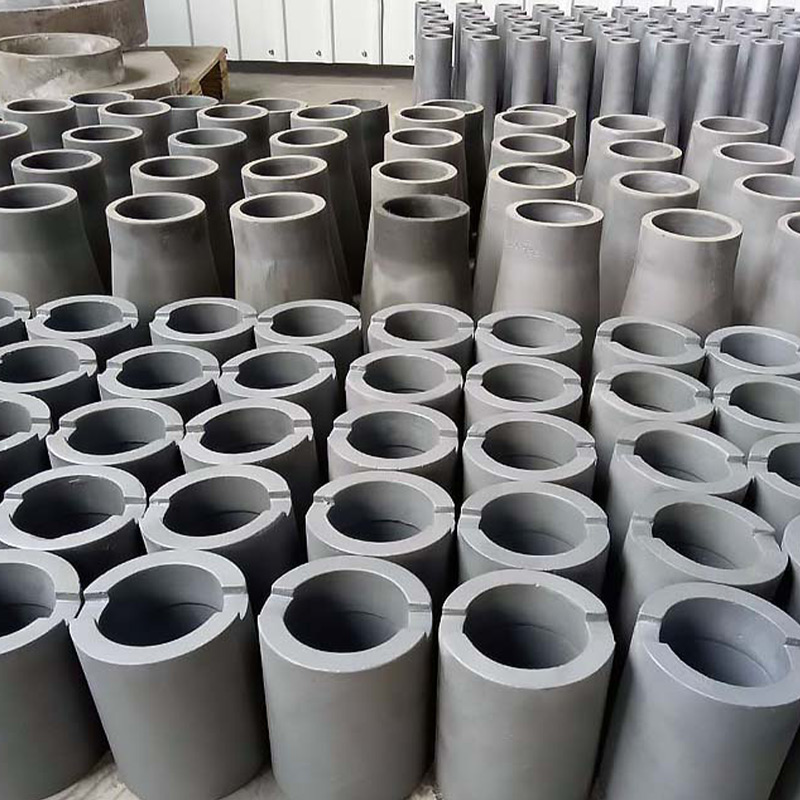


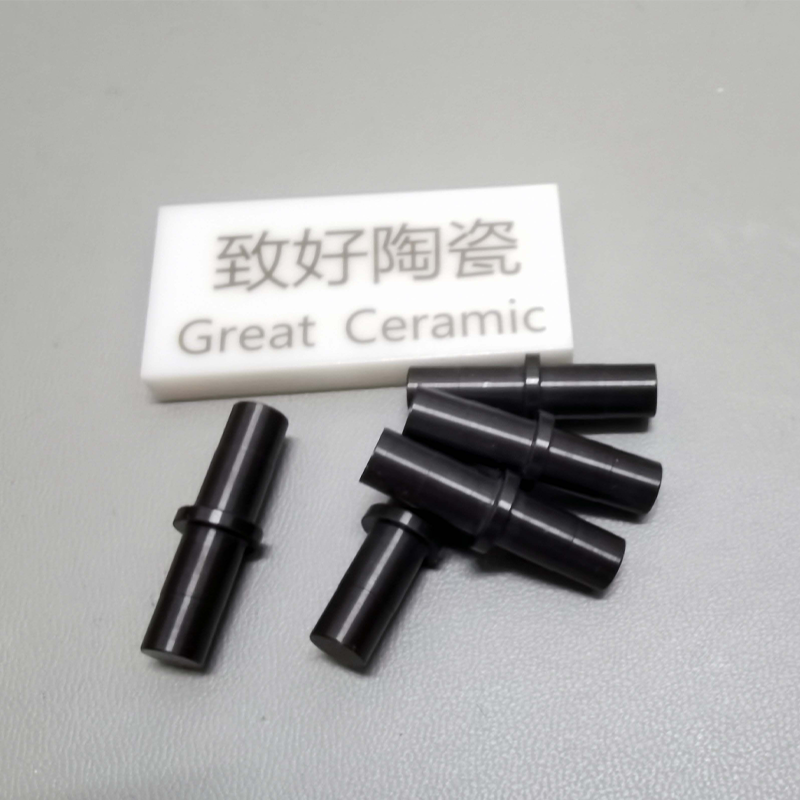
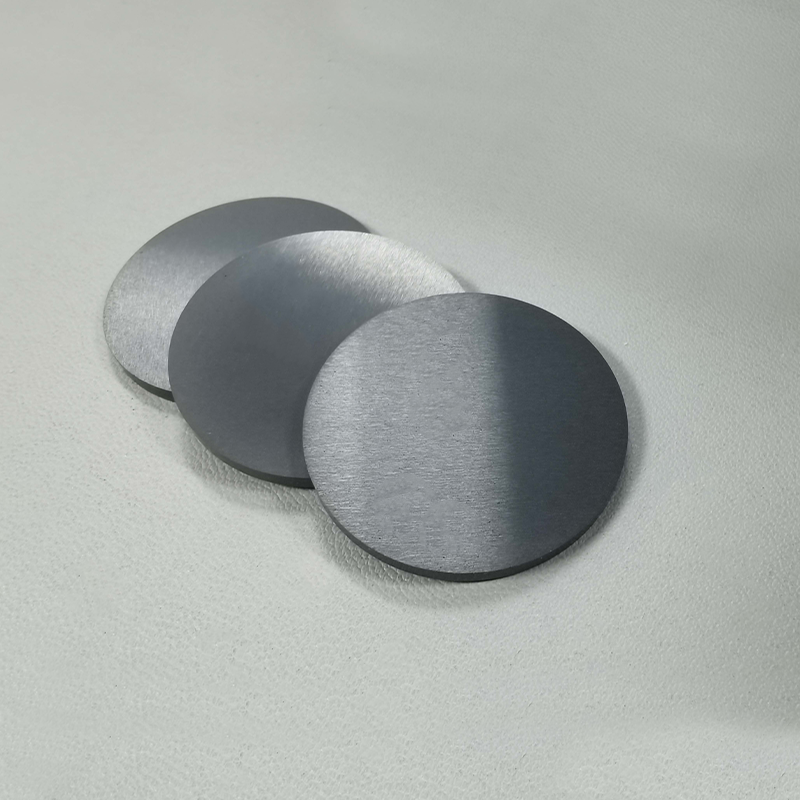
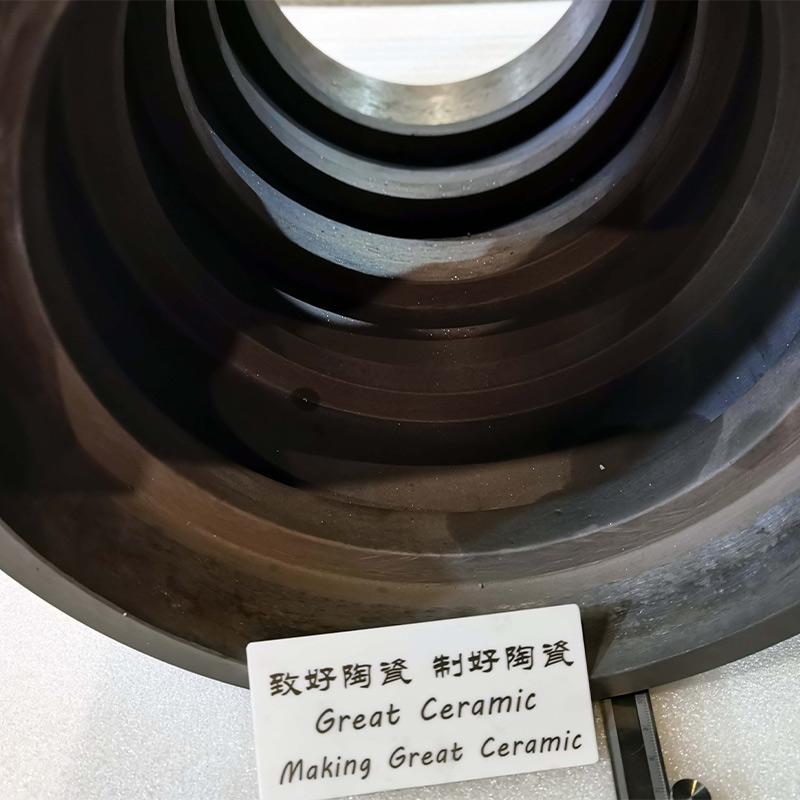
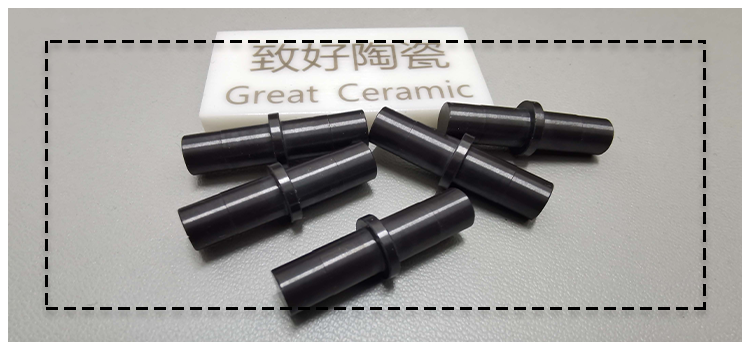



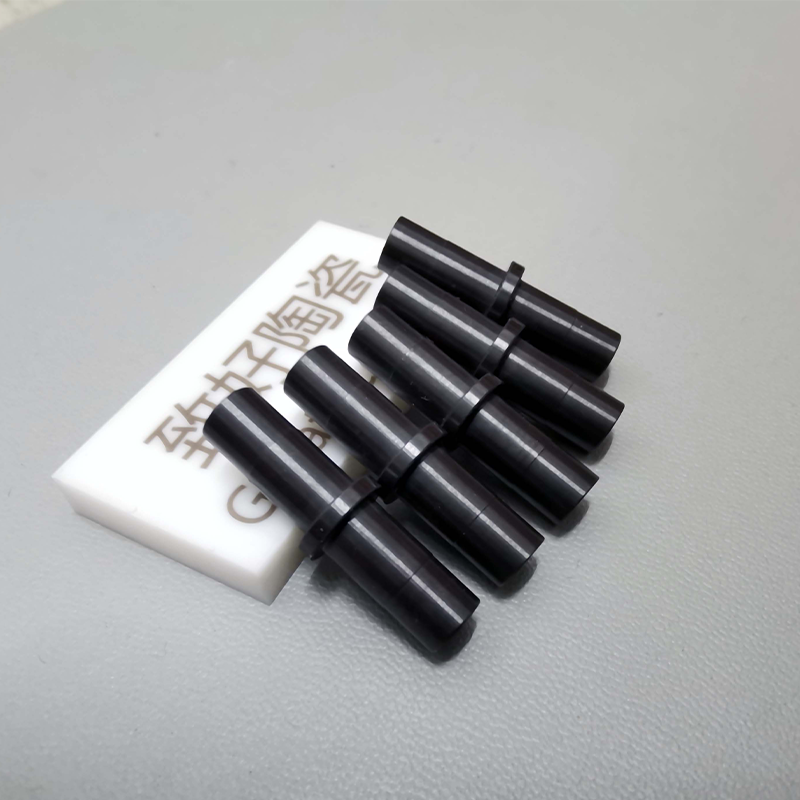
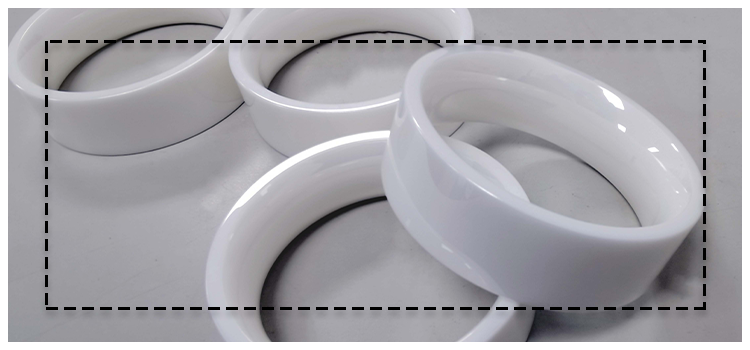
Related Ceramic Wear Liner Products and Quotation


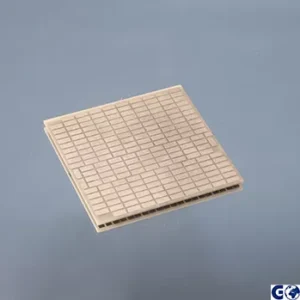
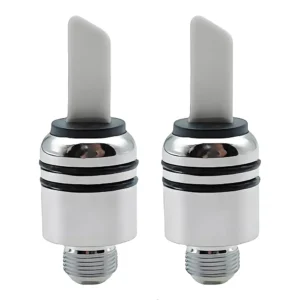


Specify Ceramic Wear Liners with Greater Clarity
Evaluate the part, service conditions, and acceptance needs together before moving from inquiry to quotation.
Current Drawing Revision
Share the current drawing revision so dimensions, notes, interfaces, and open questions can be reviewed against the ceramic wear liner requirement.
Material Grade Discussion
Identify the material designation when known, then discuss grade-specific considerations in relation to abrasion, impact, temperature, corrosion, and the operating environment.
Geometry and Fit
Define the liner profile, thickness, edge details, mounting features, and assembly-critical dimensions so geometry is considered alongside material selection.
Functional Surface Requirements
Call out surfaces that mate, seal, guide, or face abrasive flow, including finish expectations and any areas requiring particular protection.
Process Route Review
Review forming and finishing considerations against the requested shape, features, quantity, and application needs before treating a proposed route as confirmed.
Inspection Evidence Needs
State the acceptance criteria and documentation needed for approval, helping align inspection expectations with the ceramic wear liners quotation discussion.
Ceramic Wear Components by Project Requirement
Review material, component and application pathways before defining the geometry, interfaces, service conditions and acceptance criteria for your inquiry.

Ceramic Manufacturing Capabilities
Review ceramic manufacturing capabilities in the context of the component requirement. Share drawings, critical dimensions, mating surfaces, quantities and inspection expectations so the discussion can focus on feasible geometry, processing needs and project-specific acceptance criteria.
Discuss Your Ceramic Part
Ceramic Solutions by Industry
Explore advanced ceramics applications by operating environment and equipment role. Abrasion, temperature, electrical insulation, chemical exposure and mechanical loading should be considered alongside the component geometry and the surfaces that interface with adjacent parts.
Discuss Your Ceramic Part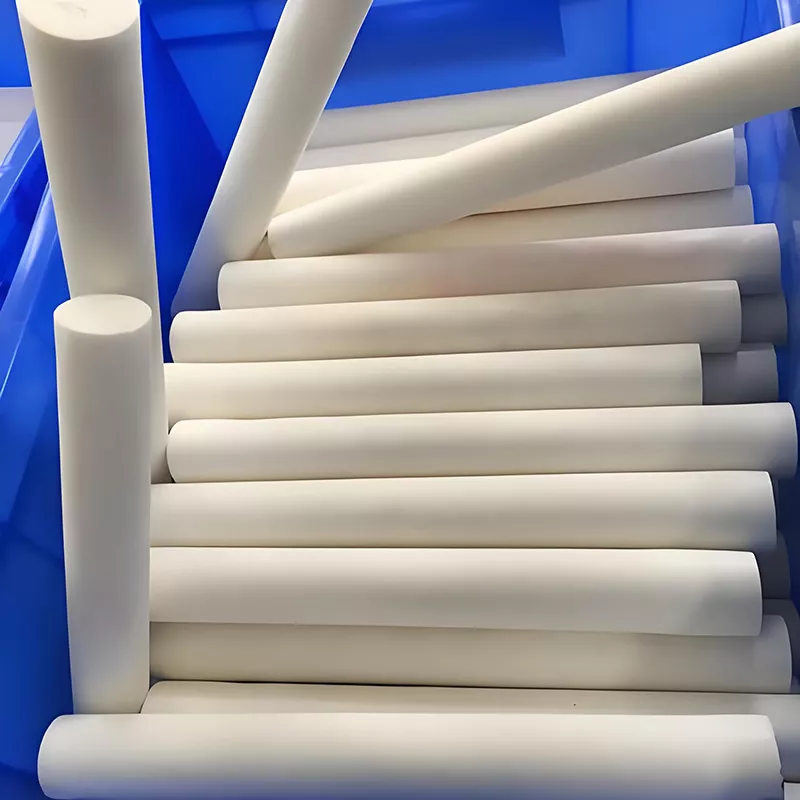
Advanced Ceramic Materials
Compare advanced ceramic materials as starting points for a defined part requirement. Alumina, zirconia, silicon carbide, silicon nitride, aluminum nitride and boron nitride differ by grade, processing route and application; confirm the specific material choice for each project.
Discuss Your Ceramic Part
Technical Ceramic Products
Browse technical ceramic products by familiar component forms, including tubes, rods, rings, plates and substrates. Product categories support an initial inquiry, while final dimensions, tolerances, grade, documentation and delivery requirements require project-level confirmation.
Discuss Your Ceramic Part
Technical Ceramic Resources
Use this technical ceramics guide to prepare a more complete inquiry. Include the current drawing revision, material designation if known, service conditions, quantity, critical interfaces and required documentation, then contact Porcecore by email or WhatsApp to discuss open requirements.
Discuss Your Ceramic PartCeramic Wear Liner Materials for Project-Specific Requirements
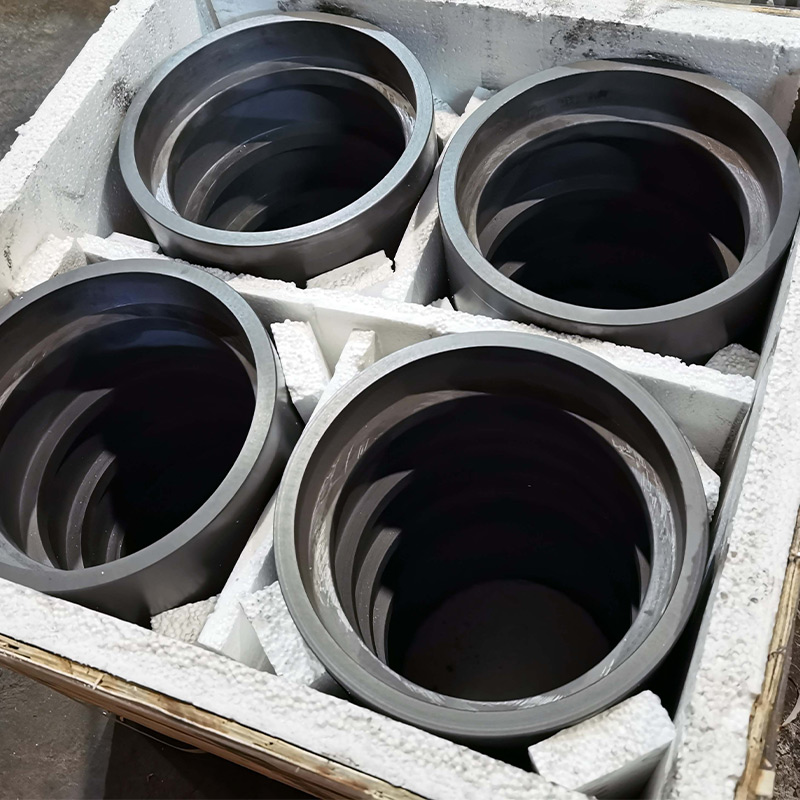
Alumina Ceramics
A widely specified option for ceramic wear liners in chutes, pipes, tiles and shaped components. Alumina offers high hardness and is evaluated by grade, thickness, geometry and service conditions.
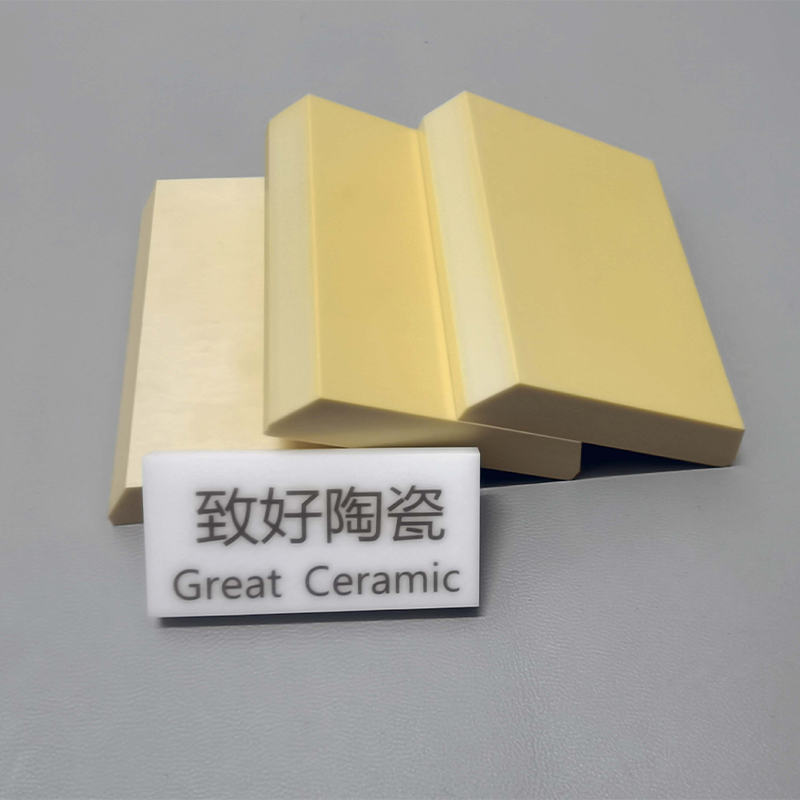
Zirconia Ceramics
A tougher technical ceramic family considered for wear parts facing demanding contact and impact conditions. Zirconia grade, surface-finish needs, mating surfaces and dimensional requirements should be reviewed from the drawing.
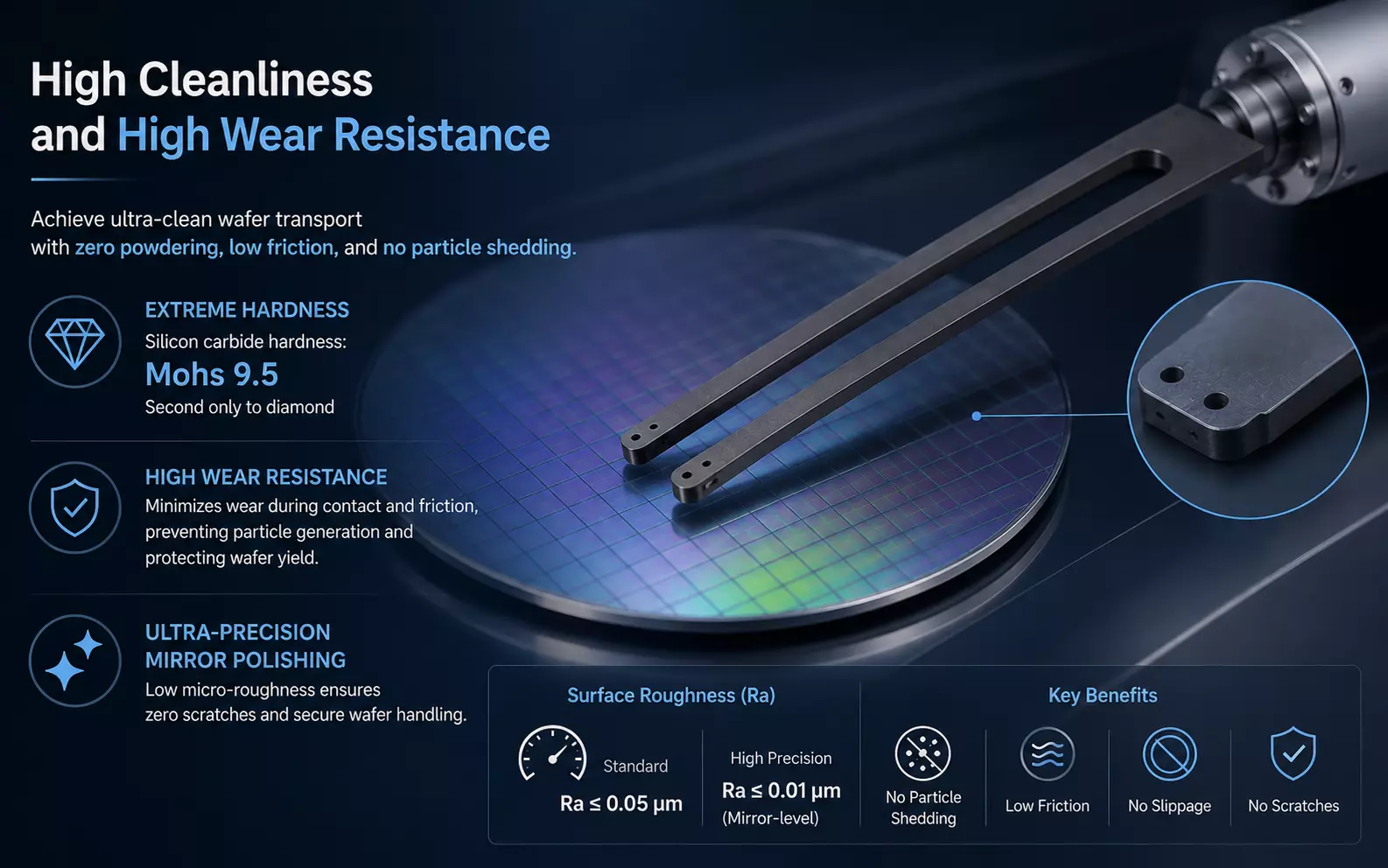
Silicon Carbide Ceramics
A ceramic family often considered where abrasive service, temperature exposure or corrosion conditions shape the component decision. Silicon carbide selection depends on the operating environment, part form, joints and inspection criteria.
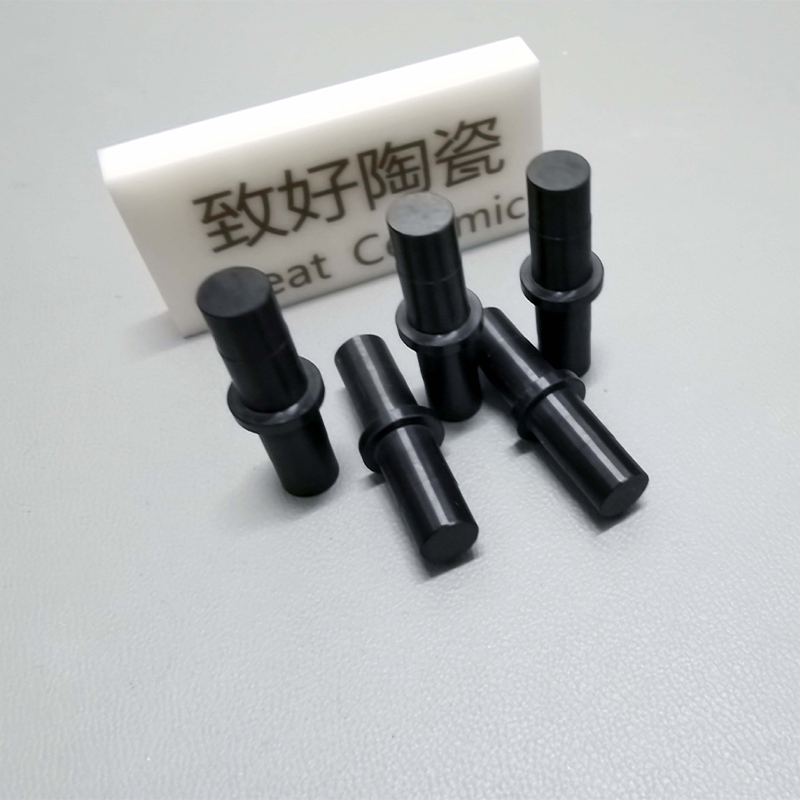
Silicon Nitride
A technical ceramic option for engineered components that require a project-specific review of mechanical loading, thermal conditions and interface details. Confirm grade, geometry, tolerances and documentation requirements before quotation.

Specialty Ceramics
Other oxide, nitride and carbide ceramic families may suit a defined wear-liner requirement. Share the current drawing revision, material designation, quantity, service conditions and acceptance criteria to discuss appropriate options.
Ceramic Wear Liners: Supported Forming and Finishing Processes

Dry Pressing
A practical route for repeatable ceramic wear liner tiles, plates and simple profiles. The drawing should define critical dimensions, thickness, edge treatment and any mating features before a grade and forming approach are reviewed.

Isostatic Pressing
Suitable for certain cylindrical, tubular or higher-density preforms where geometry and subsequent machining need consideration together. Share the current drawing, service conditions and acceptance criteria so the process can be evaluated for the requested part.

Slip Casting
A forming option for selected shapes where wall geometry, curvature or internal features influence the part concept. Porcecore reviews the requested profile, dimensional priorities and inspection needs before discussing a project-specific production route.

Green Machining
Controlled shaping before final firing can support selected profiles, holes and features while the ceramic is in a machinable state. Feature placement, shrinkage considerations and dimensions that control assembly should be identified on the drawing.

Precision Finishing
Grinding, lapping or other finishing steps may be considered for surfaces that mate with adjacent equipment or require defined dimensional control. Specify the relevant surfaces, tolerance expectations and inspection requirements for quotation review.
Ceramic Wear Liners: Mounting, Backing and Assembly Considerations

Backing Plates
Specify backing material, thickness, profile, edge treatment, and the surfaces that interface with the host equipment. Include drawing references for formed sections, weld zones, and any areas requiring flatness or controlled clearance.

Fixing Studs
Identify stud locations, thread details, projection, spacing, and access requirements where mechanical fixing is considered. Note whether ceramic wear liners must accommodate countersinks, through-holes, or a backing plate prepared for attachment.

Bonding System
For bonded liner assemblies, describe the service environment, prepared substrate, adhesive preference if known, and cure constraints. Clarify whether the bonding layer affects finished thickness, edge sealing, or replacement procedures.

Mating Interfaces
Mark the faces, edges, and transitions that meet adjacent liners, chutes, pipes, or equipment components. Assembly drawings should identify overlap direction, joint gaps, alignment features, and surfaces where steps could affect material flow.

Assembly Dimensions
Call out the dimensions that govern installation, including internal radii, opening sizes, mounting envelopes, and allowable clearances. State inspection expectations for these features so the quoted ceramic component supports the intended assembly.
About Porcecore Ceramic Wear Liners
Founded by Andy Yuan, Porcecore helps industrial buyers turn requirements for technical ceramic components, industrial ceramic parts, and custom ceramic components into clearer sourcing conversations. Our focus is not simply naming a material; it is connecting the proposed ceramic wear liner or component to its intended job, geometry, service environment, and inspection expectations.
Our collection spans oxide, nitride, carbide, and specialty ceramics for buyers evaluating familiar material families and component forms. For ceramic wear liners, the right discussion may involve material grade, liner geometry, backing or mounting interfaces, abrasive media, operating conditions, and the dimensions that determine assembly.
Porcecore works from the current drawing revision, known material designation, quantity, acceptance criteria, and required documentation. This drawing-led approach helps teams identify what must be confirmed before quotation, keeping product illustrations and general material information distinct from project-specific production commitments.
Ceramic Wear Liners: Define the Critical Details
Start With the Part
Porcecore begins with the liner geometry and the job it must perform, rather than treating a material name as a complete specification. Share the component form, installation context, mating surfaces, and dimensions that affect fit within the equipment assembly.
- Component form and overall envelope
- Assembly-critical dimensions
- Mating and mounting surfaces
- Current drawing revision
Match Material to Service
Ceramic wear liners should be evaluated against the actual service environment. Abrasive media, flow path, impact exposure, temperature, corrosion concerns, and operating cycle all help frame a more useful material and component discussion before a quotation is prepared.
- Abrasive media and particle behavior
- Impact and flow conditions
- Temperature and chemical exposure
- Wear location within the system

Clarify Grade and Geometry
A ceramic family can guide an inquiry, but project-specific grade, geometry, and manufacturing considerations still need review. Porcecore helps teams identify the open technical questions that may affect a liner’s form, surface condition, tolerances, and practical sourcing path.
- Material designation, if known
- Thickness and profile requirements
- Surface finish expectations
- Tolerance and geometry priorities

Set Acceptance Expectations
Bring inspection and documentation needs into the conversation early. For ceramic wear liners, clearly defined acceptance requirements give the quotation discussion a concrete basis and help distinguish essential project criteria from preferences that require further confirmation.
- Inspection dimensions and methods
- Documentation requirements
- Quantity and delivery needs
- Approval and acceptance criteria

Why Choose Porcecore for Ceramic Wear Liners
A clearer starting point for project-specific ceramic wear liner enquiries.
← Swipe left or right to view →
Ceramic Wear Liners: From Requirement Review to Delivery
A drawing-led process that aligns material, geometry, inspection expectations, packing, and commercial terms before each project moves forward.
Share Drawing and Application
Send the current drawing revision, expected quantity, operating conditions, wear mechanism, mating interfaces, and any known material designation for initial review.
Review Part Requirements
Porcecore reviews the component’s geometry, critical dimensions, surfaces, service environment, and open technical questions to establish a practical quotation basis.
Confirm Material and Scope
Confirm the proposed ceramic family, grade-specific requirements, manufacturing scope, tolerances, and any backing or mounting considerations relevant to the application.
Align Acceptance Expectations
Define inspection points, required documentation, dimensional checks, visual criteria, and other acceptance requirements that should be addressed for the individual project.
Confirm Packing and Delivery
Review packing needs, shipment terms, delivery expectations, and commercial details before production arrangements and project-specific order commitments are finalized.
How to Source Ceramic Wear Liners with Porcecore
Move from an initial drawing review to a project-specific quotation and confirmed order requirements with clear, practical communication.
Send Your Current Drawing
Share the current drawing revision, required quantity, material designation if known, operating environment, and the dimensions or surfaces that are critical to assembly.
Define Service Requirements
Identify abrasion, impact, temperature, media flow, mounting method, mating parts, and acceptance criteria so ceramic wear liner requirements can be reviewed in context.
Clarify Open Points
Review outstanding questions on grade, geometry, tolerances, finish, inspection documentation, delivery expectations, and commercial terms before the quotation discussion advances.
Confirm Project Details
Use the project-specific quotation conversation to align the agreed part requirements, documentation needs, quantity, and next decisions before production order confirmation.
Ceramic Wear Liners Documentation and Certification Review
Customer Evidence Will Be Published After Approval
Porcecore will publish customer feedback only after project completion, customer review, and permission to attribute the outcome.
Approved case studies may explain how drawing requirements, material questions, and acceptance criteria informed a ceramic wear liner inquiry.
Customer outcomes and performance results will be published only in approved language and with supporting evidence.
Ceramic Wear Liners FAQ
Practical guidance for preparing a drawing-led inquiry and confirming project-specific requirements.
What should I include when requesting a quote for ceramic wear liners?
Can Porcecore help select a grade for ceramic wear liners?
Which tolerances and functional surfaces need to be called out?
Are ceramic wear liners supplied as tiles, plates, rings, or custom shapes?
Is there a minimum order quantity for ceramic wear liners?
Can I request samples or a first-article inspection?
What inspection documents and packaging information can be discussed?
How should we share drawings or IP-sensitive information for a quotation?
The Complete Buyer’s Guide to Ceramic Wear Liners
Use a practical decision framework to specify ceramic wear liners, compare material and attachment choices, assess drawing-led suppliers, and avoid fitment, durability, lead-time, and total-cost mistakes before issuing an RFQ.
1. What Are Ceramic Wear Liners?
Two wear mechanisms commonly justify ceramic wear liners: abrasive sliding from conveyed particles and localized erosion where flow changes direction. These engineered protective components place a hard ceramic surface between the process stream and the equipment shell; composites may also use a resilient backing for selected impact conditions. https://www.metso.com/products-and-services/parts/wear-lining-solutions/ceramic-wear-liners
Five recurring locations are chutes, pipes, hoppers, cyclones, and conveyor transfer points, especially where velocity, particle hardness, and impact angle concentrate wear. Ceramic lining is worth evaluating when repeated shell loss or replacement disrupts operation; an unlined, metallic, rubber, or urethane solution may suit lower abrasion, severe impact, temperature, geometry, or maintenance-access constraints better.
2. How Ceramic Wear Liners Evolved
2¼-inch square ceramic units illustrate the tile-based starting point: individual wear surfaces could be bonded into accessible chute and conveyor zones. Their small format allowed localized replacement, while seams, substrate preparation, and adhesive selection became installation concerns. Source: https://www.asgco.com/products/x-wear-mine-duty-conveyor-wear-liners
Rubber-ceramic composite panels paired hard inserts with an elastic matrix to help manage abrasion alongside impact. Steel backing, studs, plug welds, and counterbored mounting holes developed as practical ways to secure panels and make replacement more repeatable. Source: https://www.asgco.com/products/x-wear-mine-duty-conveyor-wear-liners
200 mm is the particle-size reference published for one modern modular ceramic system, illustrating why modular formats address heavier-duty applications. Drawing-led custom assemblies now specify panel geometry, backing, attachment access, and mating surfaces so liners fit complex equipment and planned maintenance work. Source: https://www.metso.com/products-and-services/parts/wear-lining-solutions/ceramic-wear-liners
3. Types of Ceramic Wear Liners
Six liner constructions differ by geometry, attachment, and impact tolerance. Define the wear zone, particle path, access side, and shutdown constraints before choosing ceramic wear liners.
| Format | Geometry | Installation | Best Condition |
|---|---|---|---|
| Tile | Segmented | Bonded | Sliding abrasion |
| Plate | Backed panel | Welded or studded | Accessible shells |
| Composite | Rubber matrix | Bolted or bonded | Moderate impact |
| Bar | Long narrow | Rubber-backed | Directional flow |
| Pipe | Bore segments | Bonded or retained | Slurry flow |
| Custom | Profiled | Drawing-specific | Irregular zones |
Tile And Brick Liners

Tiles use small segments. Bonded seams suit sliding wear.
Welded Or Stud Plates
Plates use steel backing. Mechanical fixing needs accessible attachment points.
Ceramic-Rubber Composite Panels

Composite panels embed ceramic in rubber. Rubber cushions moderate impact.
Ceramic Bars Or Rods
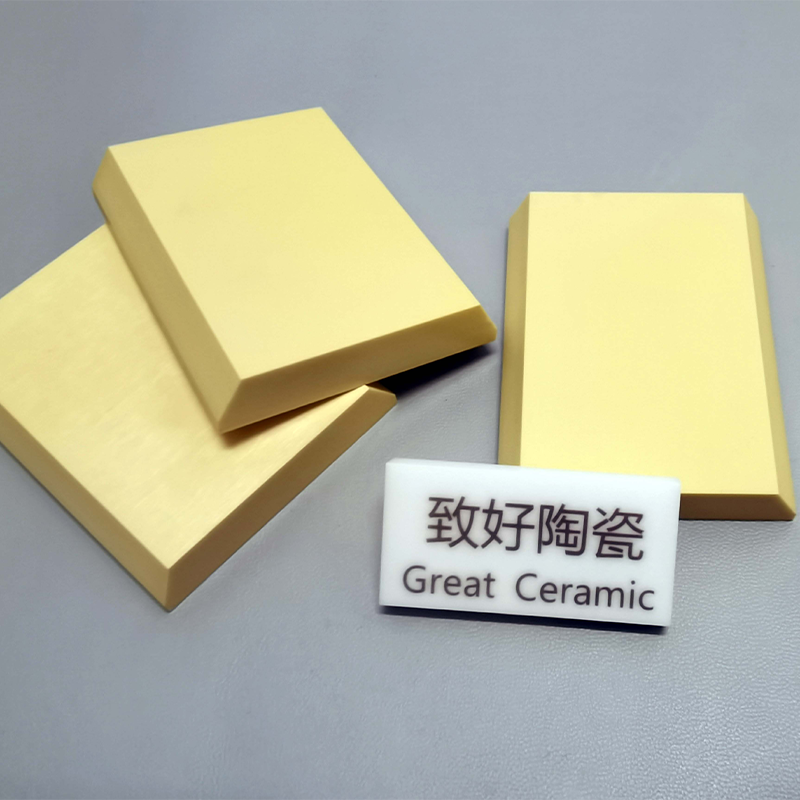
Bars create long contact faces. Exposed edges dislike concentrated impact.
Pipe And Elbow Liners
Pipe liners follow the bore. Bend geometry governs segment fit.
Custom Profiled Assemblies

Custom assemblies match irregular surfaces. Drawings prevent field trimming.
4. Ceramic Wear Liners: Materials and Backings
Material selection starts with the particle stream, not a universal hardness ranking. Ceramic wear liners pair a hard wear face with a backing that manages attachment, impact, and temperature limits.
| Material system | Wear mechanism | Impact | Applications | Trade-off | Specify |
|---|---|---|---|---|---|
| Alumina tile | Sliding abrasion | Low–medium | Chutes, pipes | Brittle under shock | Grade, shape, thickness |
| ZTA tile | Abrasion plus impact | Medium–high | Transfer points | Higher cost | Impact energy, fixing |
| Zirconia | Impact or smooth bore | Medium–high | Pump sleeves | Application-specific cost | Finish, corrosion, temperature |
| Ceramic-rubber/metal | Abrasion plus impact | Medium–high | Conveyors, feeders | Backing limits heat | Backing, studs, bond |
Hardness And Toughness
Alumina suits sliding abrasion; ZTA adds toughness for higher impact. Zirconia is justified where impact or finish requirements outweigh cost.
Tile And Backing Geometry
Tiles, cylinders, and shaped blocks must follow curvature and thickness allowance. Steel carries studs; rubber or urethane cushions impact but constrains heat exposure.
Questions Before Quoting
Specify particle size, velocity, impact angle, temperature, chemistry, tile thickness, and attachment method. Identify replaceable zones and the drawing revision.
5. Custom Ceramic Wear Liners by Drawing
One current drawing revision turns ceramic wear liners into an assembly-specific inquiry. It defines the protected footprint, thickness, tile layout, curved radii, cutouts, countersinks, backing plate, studs, weld points, edge treatment, and replaceable segments.
Inputs for a Usable Quote
Eight inputs reduce avoidable assumptions: drawing and critical dimensions, material flow path, particle size, velocity, temperature, access constraints, service history, and acceptance criteria.
Two details deserve emphasis: identify mating surfaces and state whether field replacement must occur from one accessible side.
Drawing-Led Versus Stock Sourcing
A drawing-led quote ties geometry, attachment method, material designation, quantity, inspection needs, and commercial terms to the individual project.
A stock inquiry can establish a starting format, but it cannot confirm fit, tolerance, grade, delivery, or performance for the installed equipment.
6. Construction Details That Determine Service Life
RFQs for ceramic wear liners should define construction details alongside material grade. Incoming inspection can then compare the delivered assembly with the drawing, acceptance criteria, and installation method.
Ceramic And Joint Control
Ceramic lot identification, composition, density target, tile layout, and joint width belong on the drawing. Verify consistent seating and controlled gaps; irregular joints can create impact points, leakage paths, and localized chipping.
Bond And Backing Integrity
Bonding or vulcanization requirements should state substrate preparation, adhesive system, cure conditions, backing material, and edge sealing. Inspect for voids, lifted tile edges, backing distortion, and incomplete corrosion protection that could precede debonding.
Fastening And Records
Fastener type, stud locations, weld zones, counterbores, and installation clearances should match the current revision. Request dimensional inspection records, material traceability, and weld or coating requirements so fit-up, replacement access, and acceptance remain checkable.
7. Selecting a Ceramic Wear Liner Manufacturer
A qualified supplier should turn ceramic wear liners from a catalog item into an installation-ready requirement. Compare technical responses, records, and sample control—not broad wear-life claims.
Application Review
One review should identify feed size, velocity, impact angle, temperature, liner access, and failure location.
Ask how tile layout, backing, joints, and attachment address impact, sliding wear, and replacement access.
Drawing And Quality Evidence
One controlled drawing review should confirm datum surfaces, tolerances, attachment method, and inspection points.
Request material certificates, lot traceability, dimensional records, sample approval steps, and applicable quality documentation; verify certifications and performance claims through current documents or customer references.
Commercial Readiness
One quotation should state prototype timing, production lead time, capacity assumptions, export packaging, and shipment terms.
Ask who owns revision control, how deviations are reported, and whether installation instructions accompany the liner system.
8. Common Ceramic Wear Liners Buying Mistakes
Two purchasing shortcuts repeatedly turn a durable lining concept into an installation or downtime problem. Before approval, translate each assumption into a drawing, service condition, or scope question.
Hardness-Only Selection
One hardness value cannot predict impact survival. Consequence: cracked ceramic; ask, ‘What impact energy, particle size, and impact angle apply?’
Backing And Deflection
One rigid substrate can flex under load. Consequence: debonding or tile fracture; ask, ‘What backing, support spacing, and deflection are expected?’
Incomplete Installation Details
One outline drawing omits joint, fastener, welding, and tool-clearance details. Consequence: field rework; ask, ‘Can installers reach every attachment point safely?’
Adhesive And Spares
One adhesive choice is not universal, and zero spare panels prolong recovery. Consequence: premature release or extended outage; ask, ‘Are temperature, surface preparation, cure conditions, and spare quantities defined?’
Unequal Quote Scope
Two prices are incomparable without matching material grade, thickness, backing, hardware, inspection, packing, and delivery terms. Consequence: change orders; ask, ‘Which inclusions and exclusions differ?’
9. From Wear Survey to Installed Liner System
A controlled workflow turns a worn surface into a liner system that can be quoted, installed, and checked. Each gate assigns a clear engineering or procurement handoff.
Survey The Wear Zone
Photos, thickness readings, and a marked equipment sketch record the wear location, flow direction, and access limits.
Maintenance teams should retain the removed part and identify the failure pattern before specifying replacement.
Capture Operating Conditions
Particle size, feed rate, temperature, moisture, and impact angle define the service case.
Equipment builders should provide duty-cycle assumptions; distributors should preserve the end user’s application notes.
Freeze Drawings And Fixing
Current drawing revisions must identify assembly-critical dimensions, mating surfaces, liner thickness, and fixing locations.
Material selection and adhesive, stud, weld, or mechanical retention are then reviewed together.
Quote, Approve, And Inspect
Comparable quotations should state material designation, scope, quantity, documentation, delivery, and exclusions.
First articles, installation plans, and post-commissioning inspections close the loop for ceramic wear liners.
10. Ceramic Wear Liners Pricing and Cost
1 final price requires application and drawing review; Porcecore should confirm material grade, geometry, quantity, acceptance criteria, delivery and commercial terms before commitment.
2 cost comparisons should include installed labor, planned replacement intervals, downtime exposure and usable service life—not only liner purchase price.
| Quotation variable | Cost effect | Lead-time effect |
|---|---|---|
| Quantity tier | Higher setup share at low volume; repeat quantities can spread tooling and handling | Schedule depends on capacity and batch planning |
| Size, material and complexity | Large profiles, curved pieces, tighter tolerances and selected ceramic grades add processing | More machining or forming steps can extend review and production |
| Backing and fastening | Steel, rubber, studs, adhesive preparation or custom interfaces change fabrication scope | Assembly and cure requirements affect timing |
| Drawing, inspection and packaging | Incomplete drawings require clarification; dimensional records and protective packing add scope | Approval cycles and documentation can become the controlling path |
Discuss Your Ceramic Wear Liners Requirement Today
Email your drawing, service conditions, quantity, and acceptance criteria to begin a focused quotation discussion for your wear-liner component.