
Ceramic Bearings for Defined Industrial Requirements
Share your drawing, operating conditions and acceptance criteria to discuss ceramic bearings with a clearer basis for sourcing.
Featured Products for Ceramic Bearing Development




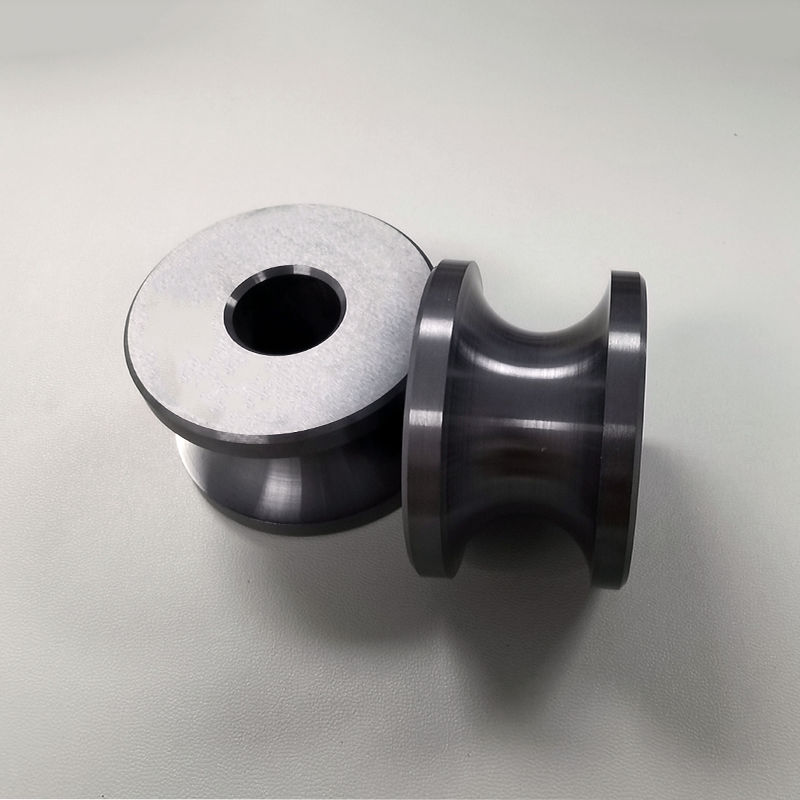
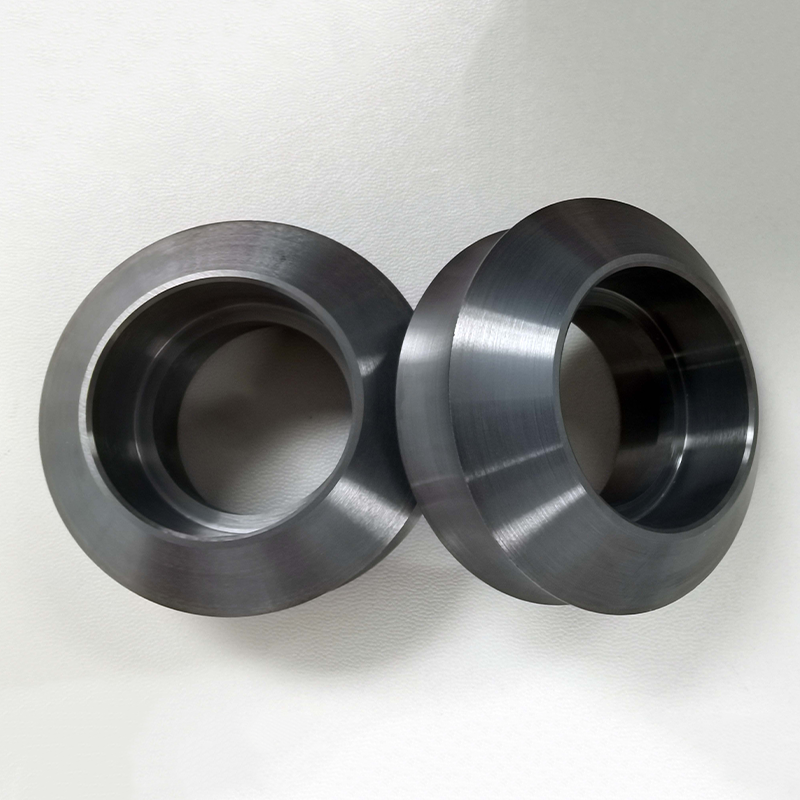


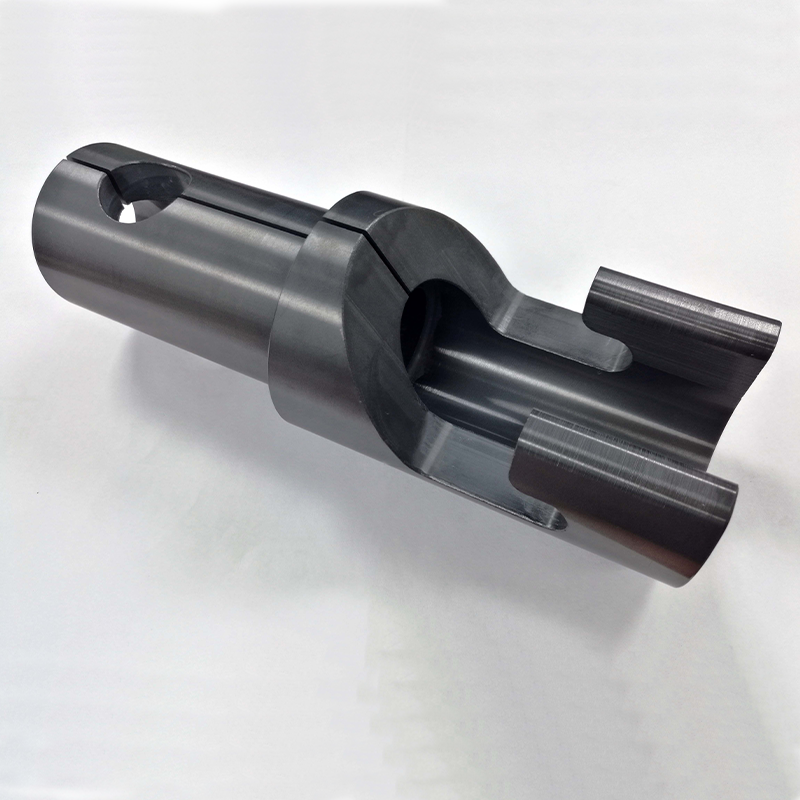
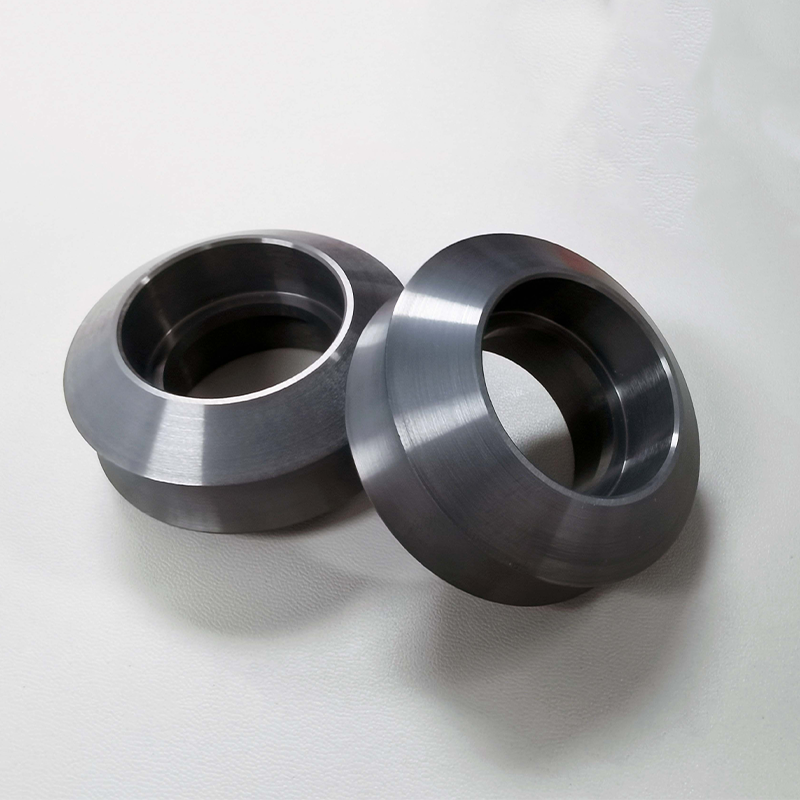
Related Product Catalogue and Quotation



Ceramic Bearings Start With Clear Requirements
Bring the drawing, operating context, and acceptance needs together before a ceramic component discussion moves forward.
Current Drawing Revision
Share the current drawing revision so the quotation discussion begins with the intended dimensions, features, and change status rather than an outdated reference.
Material Grade Context
Name the material designation when known and describe the application; Porcecore can discuss ceramic families in relation to the part requirement.
Assembly-Critical Geometry
Identify dimensions, bores, radii, and interfaces that govern assembly, so geometry questions are addressed alongside the bearing-component requirement.
Functional Surface Requirements
Call out surfaces that mate, seal, slide, or locate another part, including finish and tolerance expectations where they affect function.
Operating Condition Details
Describe load, speed, temperature, media, lubrication, electrical, or environmental conditions that may shape the material and component discussion.
Inspection Evidence Needed
State the acceptance criteria and documentation needed for approval, helping separate essential verification requirements from preferences before commercial terms are confirmed.
Ceramic Bearings by Material and Component Need
Review material families, component pathways, application context and technical references before defining a drawing-led bearing inquiry.
Ceramic Manufacturing Capabilities
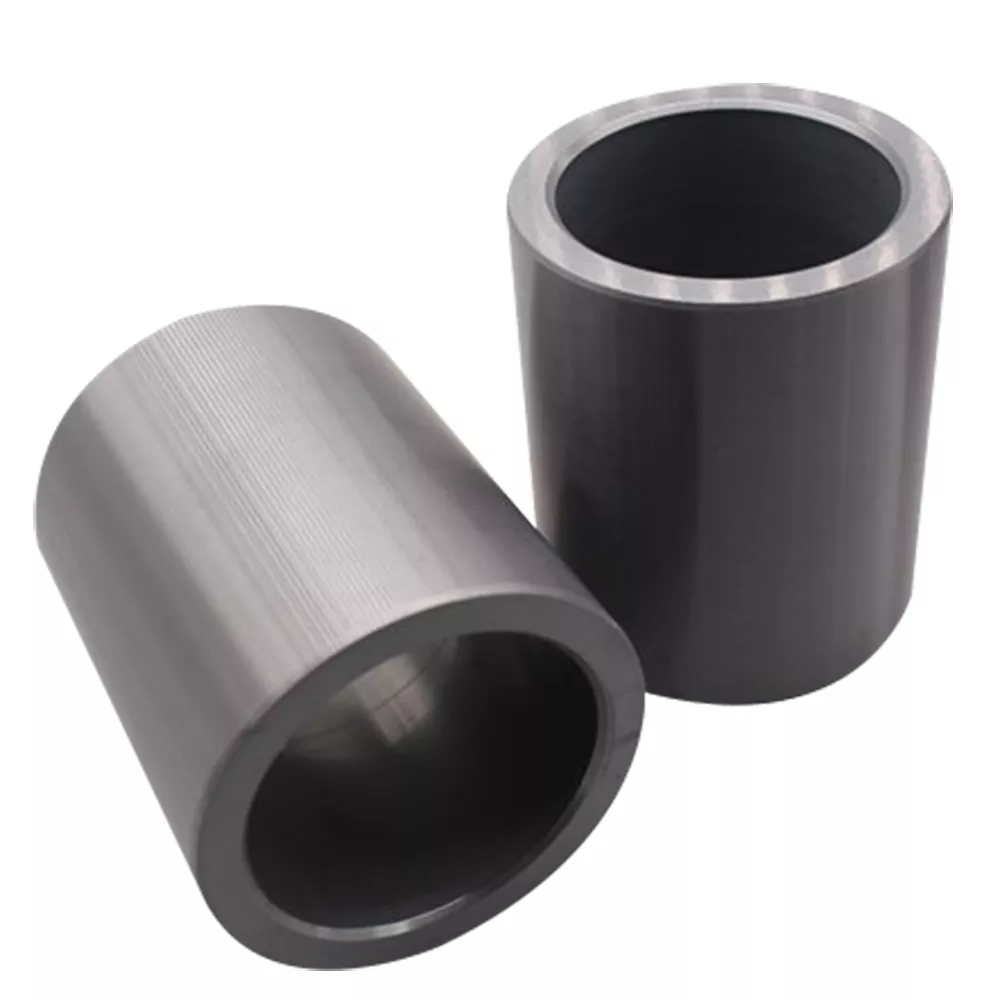
Explore ceramic manufacturing capabilities relevant to bearing components, including rings, rolling elements, sleeves, and custom ceramic components. Share the current drawing, critical diameters, mating surfaces, quantity, and inspection expectations so feasible geometry, processing, and acceptance requirements can be discussed.
Discuss Your Ceramic Part
Ceramic Solutions by Industry
Review advanced ceramics applications across equipment and industrial service environments where bearing requirements depend on load, speed, temperature, media exposure and assembly constraints. Application context helps identify the material, component form and documentation questions that should be resolved before quotation.
Discuss Your Ceramic Part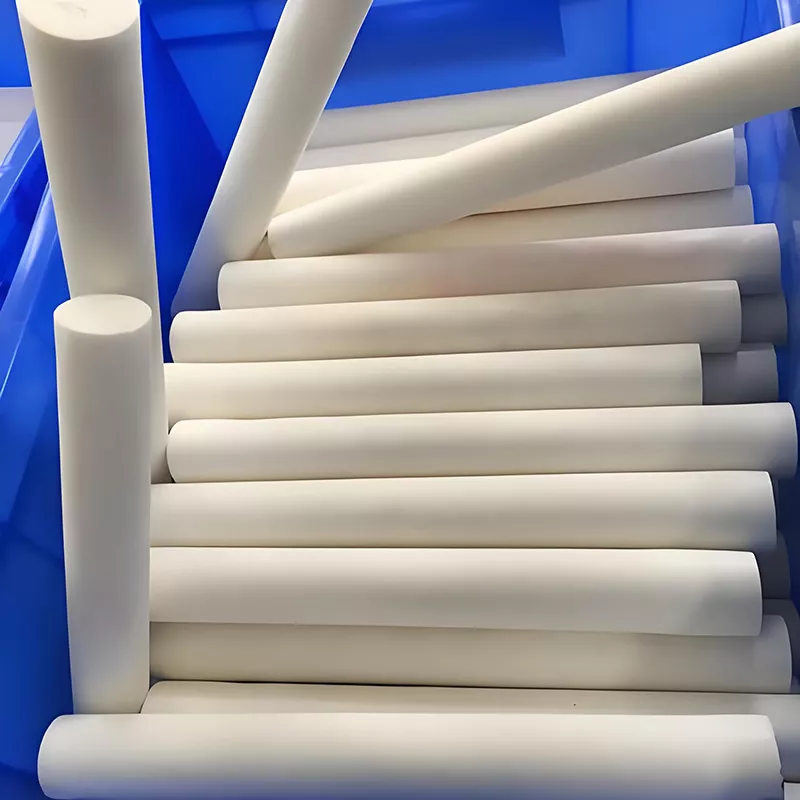
Advanced Ceramic Materials
Compare advanced ceramic materials used in bearing-related components, including alumina ceramics, zirconia ceramics, silicon nitride, and silicon carbide ceramics. General material families provide a starting point; grade selection, properties, and suitability must be confirmed against the project’s operating conditions and drawing requirements.
Discuss Your Ceramic Part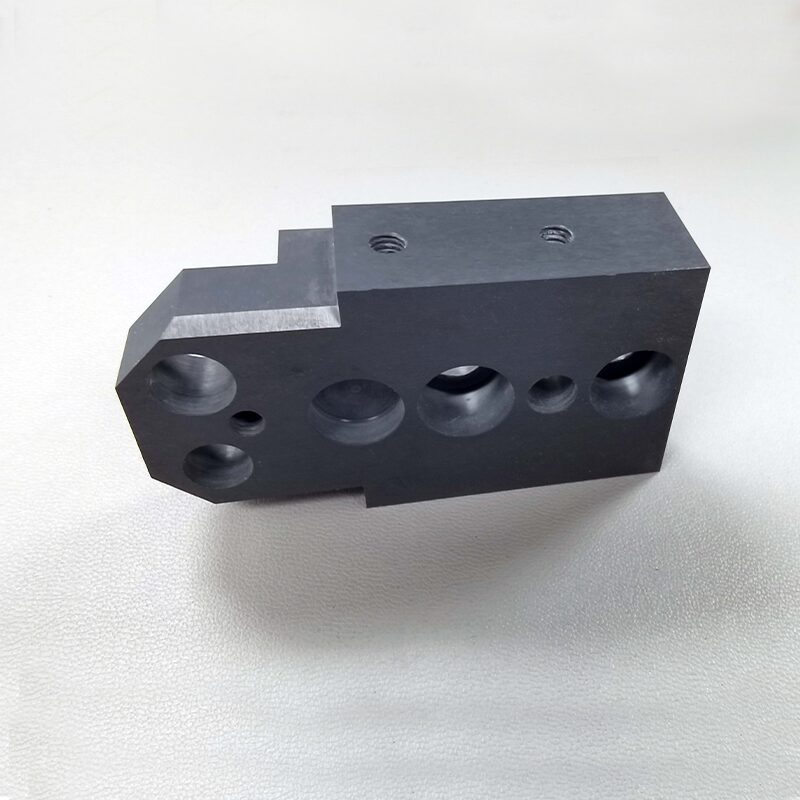
Technical Ceramic Products
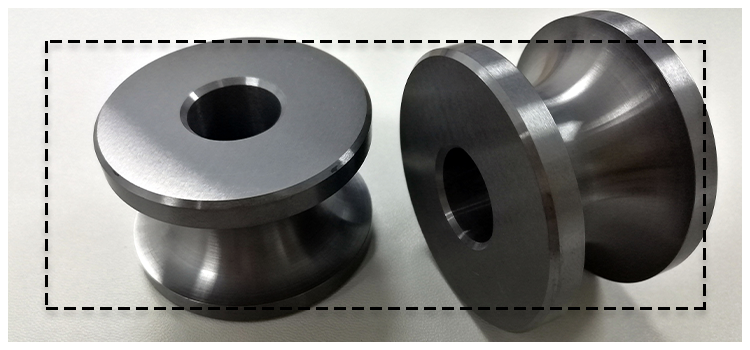
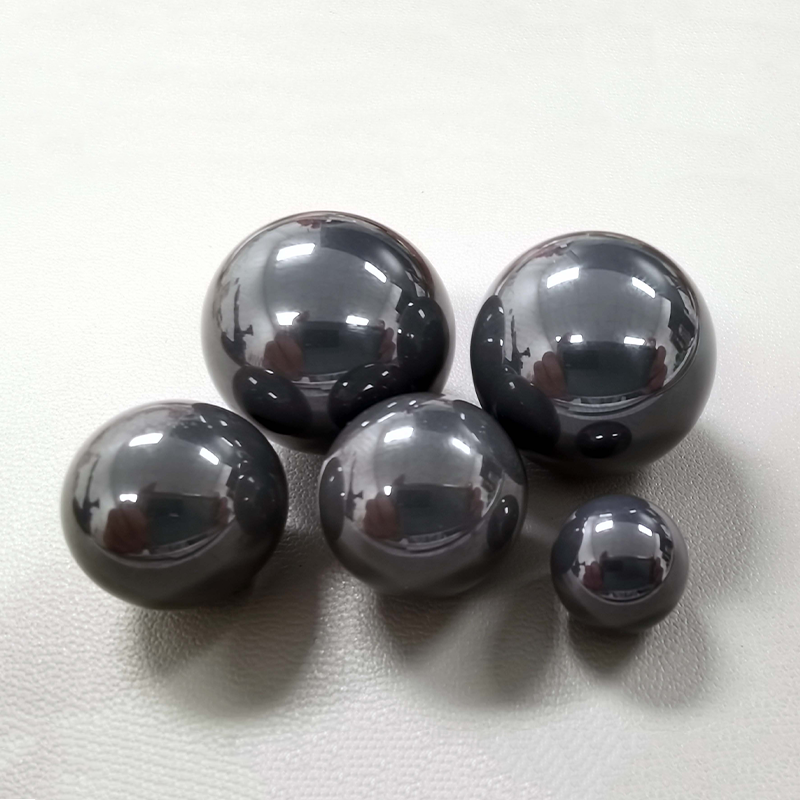
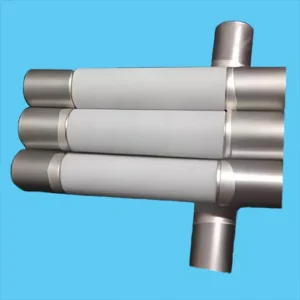
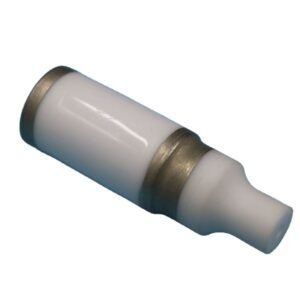
Browse technical ceramic components and industrial ceramic parts by familiar forms, from bearing rings and balls to tubes, rods, sleeves, and wear parts. Product illustrations indicate possible inquiry pathways, while final dimensions, tolerances, material grade, and delivery terms remain project-specific.
Discuss Your Ceramic Part
Technical Ceramic Resources
Use this technical ceramics guide to frame a more complete bearing inquiry. Include the drawing revision, required material if known, operating environment, critical fit surfaces, acceptance criteria and requested documentation, then contact Porcecore by email or WhatsApp to discuss next steps.
Discuss Your Ceramic PartCeramic Bearings Materials for Project Evaluation

Silicon Nitride
A common starting point for ceramic bearing rolling elements and rings where low density, hardness, and rolling-contact behavior matter. Share speed, load, lubrication, fit surfaces, and inspection requirements for project-specific evaluation.

Zirconia Oxide
Consider zirconia for ceramic bearing components where corrosion conditions, geometry, and mating interfaces need review together. Its material behavior should be evaluated against the operating environment, load case, dimensional tolerances, and acceptance criteria.

Alumina Oxide
Alumina is a familiar technical ceramic family for bearing-related rings, balls, and insulating components. Define the required grade, bearing construction, critical dimensions, surface finish, service conditions, and documentation before a quotation discussion.

Silicon Carbide
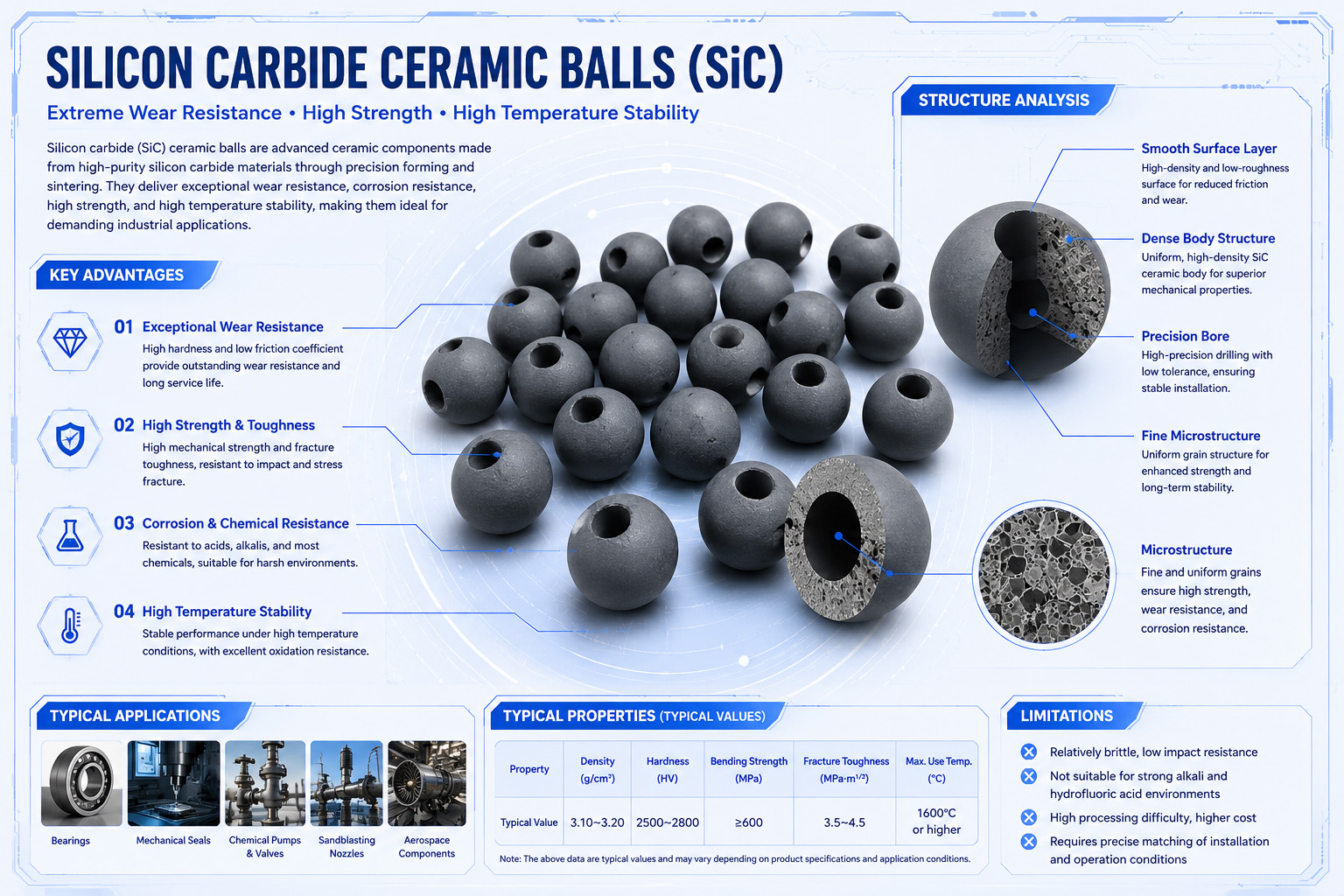
Silicon carbide may be considered for ceramic bearing parts exposed to demanding wear, temperature, or chemical environments. Review brittleness considerations, contact geometry, assembly loads, mating materials, and drawing-controlled tolerances with the project team.

Aluminum Nitride
Aluminum nitride can be a material starting point when thermal management and electrical considerations intersect with a ceramic component requirement. Clarify the component form, thermal path, assembly interfaces, environment, and required material designation.

Boron Nitride
Boron nitride is worth discussing for specialized ceramic component requirements involving thermal or electrical behavior. Provide the bearing or adjacent-part drawing, operating conditions, fit dimensions, quantity, and any grade-specific acceptance expectations.
Processes Considered for Ceramic Bearing Components
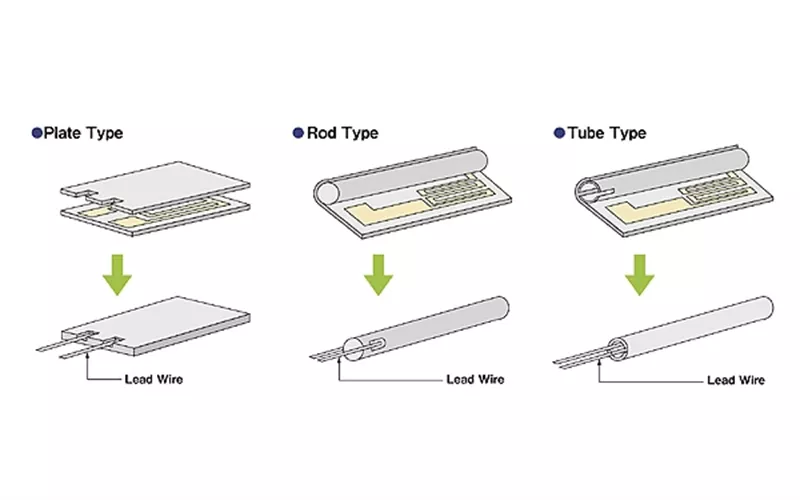
Powder Preparation
Material selection begins with the stated ceramic family and grade requirements. Powder preparation is considered alongside the component geometry, intended service environment, and any project-specific expectations that need clarification before a quotation discussion.

Forming Methods
Pressing, molding, or other forming routes are considered according to the part shape, wall sections, dimensions, and quantity. The objective is to connect the proposed route to the actual ceramic bearing component requirement, not a generic material label.

Controlled Sintering
Sintering is evaluated as part of the selected material and geometry discussion. Buyers can identify critical dimensions, operating conditions, and inspection needs so open questions are addressed before production details are agreed for the individual project.

Precision Grinding
Grinding and finishing discussions focus on surfaces that mate with other parts, assembly-defining dimensions, and tolerance expectations. For ceramic bearings, these details help frame which features require particular attention in a drawing-led review.

Inspection Planning
Inspection requirements are defined around the submitted drawing revision and acceptance criteria. Discuss critical dimensions, surface expectations, material designation, and requested documentation so the quotation conversation distinguishes essential requirements from preferences.
Ceramic Bearings: Features and Component Details to Specify

Sealing Approach
Identify whether the assembly needs shields, seals, open construction, or a specific contamination-control approach. Share the operating environment and any mating-component constraints so the bearing configuration can be discussed against the project requirement.

Cage Configuration
Note cage material, geometry, retention method, and clearance considerations where applicable. These details can affect assembly behavior, speed context, lubrication planning, and compatibility with the selected ceramic bearing design.

Lubrication Context
Describe the lubricant, relubrication plan, dry-running expectation, temperature range, and exposure to washdown or contaminants. Lubrication needs should be reviewed with the bearing construction and actual service conditions, not assumed from material alone.

Fit Surfaces
Mark bore, outside diameter, shoulder, and other surfaces that control fit with shafts or housings. Include critical dimensions, tolerances, surface requirements, and assembly method to give a quotation discussion a concrete technical basis.
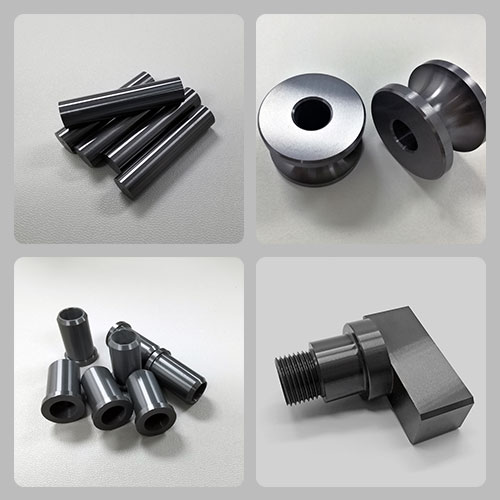
Part Identification
Provide the current drawing revision, part number, material designation if known, quantity, and required inspection or documentation. Clear identification helps distinguish a product illustration from the specific ceramic bearings requirement under review.
About Porcecore
Founded by Andy Yuan, Porcecore helps industrial buyers and engineering teams start clearer conversations about technical ceramic components, including ceramic bearings. Our mission is practical: connect a material choice to the specific part, assembly, and operating conditions it must serve.
Our scope spans oxide, nitride, carbide, and specialty ceramic families in familiar component forms. Rather than treating a product listing as a fixed specification, we use it as a starting point to discuss grade, geometry, mating surfaces, quantity, service environment, and inspection expectations for the individual project.
What distinguishes Porcecore is a drawing-led, application-first approach. Send the current drawing revision, known material designation, acceptance criteria, and documentation needs; we help identify the requirements that need confirmation before a quotation or production commitment.

Define Ceramic Bearings by Application Need
Start With the Drawing
A drawing-led inquiry gives ceramic bearing components a practical starting point. Share the current revision, part form, critical dimensions, mating relationships, quantity, and known material designation so the quotation discussion can focus on the requirement rather than a generic product label.
- Current drawing revision and part number
- Critical dimensions and tolerances
- Quantity and project timing
- Known material or replacement context

Match Material to Service
Ceramic bearings may involve oxide, nitride, carbide, or specialty ceramic components, but material selection needs operating context. Describe the load, speed, temperature, media, electrical considerations, and lubrication environment so open questions can be identified before a grade is discussed.
- Operating load and rotation conditions
- Temperature and process media
- Electrical or magnetic considerations
- Lubrication and contamination context
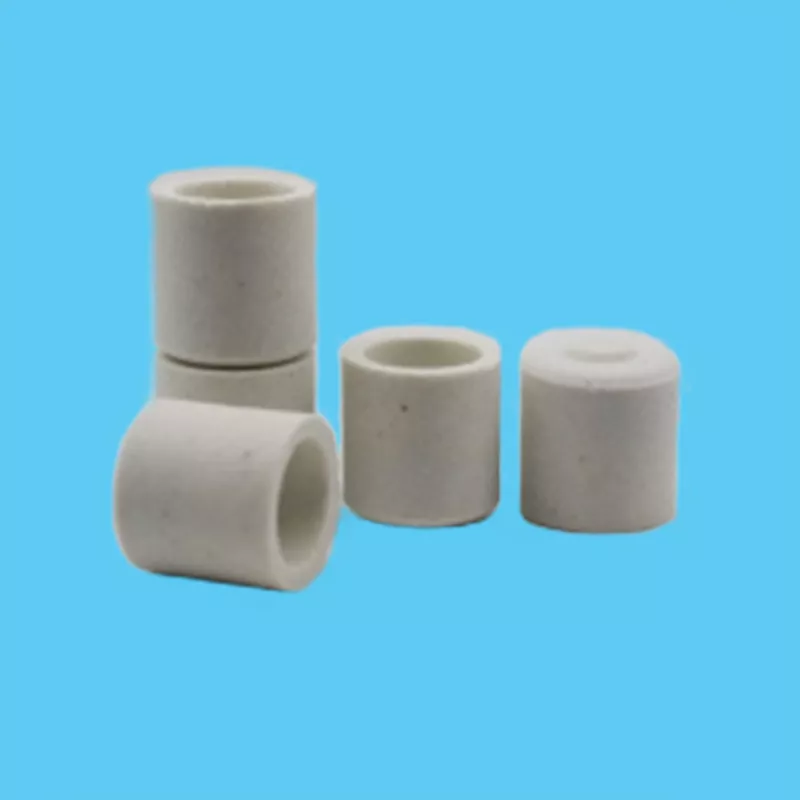
Identify Critical Interfaces
Bearing performance depends on more than a nominal size. Define the surfaces that locate, fit, rotate against, or seal with another part. Geometry, surface expectations, and assembly-related dimensions help distinguish interface-critical requirements from general reference dimensions.
- Bore, outside diameter, and width
- Mating shaft or housing interfaces
- Raceway, ball, or contact surfaces
- Assembly-critical geometric requirements

Set Acceptance Expectations
A useful ceramic bearings inquiry also states how the part will be evaluated. Identify requested documentation, inspection points, material verification needs, and acceptance criteria. Porcecore can use these details to frame a clearer project discussion; final specifications and commercial terms require individual confirmation.
- Required inspection dimensions
- Material and documentation requests
- Appearance or handling expectations
- Project-specific acceptance criteria

Why a Drawing-Led Ceramic Bearings Approach Matters
Define the component, operating context, and acceptance needs before a quotation discussion.
← Swipe left or right to view →
A Clear Path for Ceramic Bearings Project Discussions
Move from an initial application question to a clearly defined quotation and agreed order terms with the details that matter to your project.
Share Application Details
Send your drawing revision, existing part reference, or application description, including the operating environment and the role ceramic bearings must perform.
Review Part Requirements
Identify material preferences, critical geometry, mating surfaces, assembly dimensions, quantity, and service conditions that shape a technically relevant project discussion.
Clarify Open Questions
Discuss tolerances, grade-specific considerations, inspection expectations, documentation needs, and any requirements that remain unclear before a quotation basis is established.
Develop Quotation Basis
Use the confirmed requirement details to discuss the requested ceramic component, commercial considerations, delivery expectations, and project-specific quotation scope.
Confirm Order Terms
Before production commitment, confirm the individual project’s material grade, dimensions, acceptance criteria, documentation, delivery, and commercial terms in the agreed order.
How to Work with Porcecore on Ceramic Bearings
Begin with the part requirement, then clarify the information needed for a focused quotation discussion.
Send the Current Drawing
Share the latest drawing revision or describe the ceramic bearing component, including key dimensions, mating surfaces, and the dimensions that determine assembly.
Define Service Conditions
Identify operating loads, speed, temperature, media exposure, lubrication considerations, and other conditions that affect material, geometry, and bearing-component decisions.
Specify Acceptance Requirements
Note the material designation if known, required tolerances, inspection expectations, documentation, quantity, and any criteria needed for internal approval or assembly.
Discuss the Next Decision
Porcecore reviews the available requirement details with your team to identify open questions and establish a practical basis for quotation discussion.
Ceramic Bearings Documentation and Certification Requirements
Ceramic Bearings: Project Discussion Scenarios
We need to compare a replacement bearing against the current assembly drawing, including three fit-critical dimensions, operating conditions, and the documentation required before our procurement team can evaluate a quotation.
Our equipment team is reviewing a ceramic bearing component for a new build. We would begin with the latest drawing revision, expected quantity, mating surfaces, and acceptance criteria so the material and geometry discussion has a clear basis.
We are assessing a ceramic component for distribution and need to clarify the requested material designation, dimensions, inspection expectations, and delivery requirements before presenting a project-specific option to our customer.
Ceramic Bearings FAQ for Industrial Buyers
Define the part, operating conditions, and acceptance requirements before requesting a quotation.
What should we provide when requesting a quote for ceramic bearings?
Can Porcecore help select a grade for ceramic bearings?
Do you need a complete drawing for a ceramic bearing inquiry?
How should tolerances and functional surfaces be specified?
Are full ceramic bearings and hybrid configurations quoted the same way?
What quantity information is needed for a ceramic bearings quotation?
What inspection evidence can we request for ceramic bearing components?
How are packaging, delivery terms, and drawing confidentiality handled?
The Complete Buyer’s Guide to ceramic bearings
A practical framework for specifying ceramic bearings, comparing construction and material options, vetting suppliers, controlling total cost, and avoiding the sourcing mistakes that compromise OEM performance and reliability.
1. What Are ceramic bearings?
Two construction classes define ceramic bearings: full-ceramic units use ceramic rings and rolling elements, while hybrid units pair ceramic balls with steel rings. The inner ring fits the shaft and the outer ring fits the housing; balls carry rolling contact between their raceways.
Five supporting elements still affect the assembly: a cage spaces balls, seals or shields manage contamination, and lubricant controls friction, heat, and wear. Ask whether corrosion, electrical insulation, temperature, speed, or lubricant limits create a defined operating-condition problem that ceramic addresses better than conventional steel; confirm loads, shock exposure, fits, and lubrication before selection (https://www.ortechceramics.com/product-category/ceramic-bearings).
2. Ceramic Bearing Development and Use
1907 marked a mature era of steel rolling-bearing development, while later ceramic rolling elements entered specialized machinery where speed, corrosion exposure, electrical insulation, cleanliness, or temperature changed the operating constraint. Hybrid designs commonly retain steel rings with ceramic balls; full-ceramic designs use ceramic rings and rolling elements. https://www.emersonbearing.com/ceramic-bearings
2 construction routes do not make ceramic a universal upgrade. Ceramic materials can be brittle under shock or overload, and steel remains a practical choice when its load capability, lubrication regime, environment, and cost fit the duty. Select ceramic bearings from the drawing, loads, speed, contamination, temperature, electrical path, and acceptance requirements—not from a material label alone. https://iskbearing.com/news/knowledge/ceramic-bearings-advantages-and-applications-in-precision-engineering
3. Types of ceramic bearings
Two construction families and several raceway geometries define most ceramic bearings. Specify load direction, rotational speed, medium, shaft fit, and drawing revision before comparing catalog-style sizes.
| Configuration | Typical Load | Construction Or Fit | Quote Input |
|---|---|---|---|
| Full ceramic | Radial or combined | Ceramic rings and balls; harsh media | Medium, temperature, load |
| Hybrid ceramic | Radial or combined | Ceramic balls, metal rings; speed | Speed, lubricant, fits |
| Deep-groove ball | Mostly radial | General-purpose raceway | Axial load and clearance |
| Angular-contact ball | Combined radial-axial | Contact angle; paired arrangements | Load direction and preload |
| Thrust or miniature | Axial or space-limited | Specialized geometry | Envelope and mounting |
Full Ceramic

Full ceramic units use ceramic rings and rolling elements. They suit corrosive or electrically insulating environments; state chemical exposure, temperature, radial or axial load, and cage requirement.
Hybrid Ceramic

Hybrid units pair ceramic balls with metal rings. They are commonly considered for higher-speed rotating equipment; provide speed, lubrication, ring material, preload, and housing or shaft tolerances.
Raceway And Specialty Forms

Deep-groove bearings primarily carry radial load with limited axial load, while angular-contact designs support combined loading. Thrust and miniature designs require axial-load direction, envelope dimensions, and mounting details.
4. Materials Used in ceramic bearings
Three material groups determine bearing behavior: rolling elements, raceways, and retention/sealing parts. Material choice for ceramic bearings must be validated against actual load, media, lubrication, temperature, and shock.
| Part | Decision-Relevant Traits | Tradeoff |
|---|---|---|
| Silicon nitride balls | Low density; hard; insulating | Higher cost; shock sensitivity |
| Zirconia balls/rings | Corrosion resistant; insulating | Heavier; lower heat margin |
| Silicon carbide | Conductive; corrosion and heat resistant | Brittle; difficult machining |
| Steel raceways | Tough; economical; manufacturable | Corrosion and electrical-current risk |
| Cage and seals | Control retention and contamination | Limit speed, temperature, or chemical compatibility |
Rolling Element Tradeoffs
Silicon nitride is light, hard, insulating, and usually favored for high-speed hybrid balls; zirconia is denser and corrosion resistant. Silicon carbide is conductive, corrosion resistant, heat capable, but brittle, difficult to machine, and costly. https://www.smbbearings.com/firebrick/ckeditor/plugins/upload/Uploads/Ceramic_bearings_Your_essentia.pdf
Rings, Cages, And Seals
Steel raceways retain familiar toughness and manufacturability but require corrosion control. Cage polymer, metal, or ceramic choice and open, shielded, or sealed construction must suit lubricant, media, speed, and heat.
5. Specification and Customization Options
ISO-series ceramic bearings simplify interchangeability, while custom envelopes require a controlled drawing. Confirm functional dimensions before requesting changes.
Dimensions And Accuracy
ISO or custom bore, OD, width, and ring geometry can be quoted.
Radial clearance, precision grade, tolerances, and pairing should match the assembly.
Closures And Identification
Cage design, seals or shields, and lubrication depend on speed, medium, temperature, and contamination.
Marking and packaging can be customized; retain proven closure choices unless service conditions require change.
Quotation Inputs
Revision-controlled drawings should show datums, mating surfaces, and toleranced dimensions.
Load, speed, temperature, quantity, inspection method, documentation, and acceptance criteria support an accurate quotation.
6. Construction Quality Checks
Two bearings with the same material certificate can differ materially in running behavior. Bearing-level quality depends on the finished assembly, not chemistry alone.
Rolling Contact Geometry
Grade, sphericity, surface finish, and raceway curvature govern contact stress. Check ball uniformity and raceway finish against the agreed drawing or bearing standard.
Fit And Internal Clearance
Micron-level variation in bore, outside diameter, width, and internal clearance can change fit and preload. Measure critical dimensions on receipt and record the gauge method.
Assembly Evidence
100% visual checks should confirm cage retention, seals, lubricant condition, and freedom from debris. Request lot traceability and inspection records; material certificates do not verify assembled bearing performance.
7. Choosing a ceramic bearings Supplier
Two suppliers can quote the same bearing drawing yet control different risks. Approve a production source only after its engineering response, evidence package, and change process match the application.
Review The Drawing Response
Request a marked-up drawing review before quotation. It should identify critical fits, tolerances, material designation, cage and seal assumptions, plus unresolved operating conditions.
- Ask who approves technical deviations.
- Confirm drawing revision control.
- Require written acceptance criteria.
Verify Production Evidence
Request material certificates, dimensional inspection records, and batch identification for each lot. Ask whether samples are measured against the released drawing before production approval.
- Sample inspection report
- Lot traceability record
- Material verification document
Control Supply Changes
Define lead-time updates, packaging protection, and notification rules before release. Require written approval for material, process, tooling, inspection, or manufacturing-location changes.
- Confirm package labeling.
- Set change-notice timing.
- Document approved sample status.
8. Common ceramic bearings Buying Mistakes
Costly bearing failures often begin before quotation: a material label or catalog number is treated as a complete requirement. Review the load path, environment, interfaces, maintenance plan, and evidence needed for approval.
Material Is Not A Specification
Two silicon-nitride parts can differ by construction, geometry, and acceptance needs. Ask: Which material grade, bearing construction, loads, and drawing-controlled surfaces are required?
Service Conditions Get Missed
One shock event or contaminant ingress can outweigh a favorable low-friction claim. Ask: What impacts, misalignment, particles, fluids, temperature range, and cleaning media will the assembly experience?
Steel Assumptions Carry Over
Standard steel fits, clearance, grease, and preload may not transfer unchanged to ceramic bearings. Ask: Have shaft and housing fits, internal clearance, lubrication compatibility, and thermal conditions been reviewed together?
Evidence And Samples Are Skipped
A supplier statement is not grade-specific proof or production approval. Ask: Which inspection records, traceability, sample tests, and acceptance criteria must be verified before release?
9. From Drawing to Production Approval
A controlled workflow converts service requirements into a repeatable purchase record. Assign technical decisions before quotation, sample approval, and release to avoid undocumented substitutions.
Define The Operating Duty
The duty brief should state speed, load, temperature, contaminants, lubrication, mounting fits, and expected life. Engineering owns functional requirements; procurement records the required quantity and delivery window.
Review Drawing And Sample
A current drawing revision should identify critical dimensions, tolerances, material designation, mating surfaces, and required documents. The supplier may recommend open items; engineering approves deviations, while quality approves the sample inspection plan.
Release Repeat-Order Controls
The approved package should lock drawing revision, material, bearing construction, inspection criteria, acceptance records, packaging, and change notification. Quality retains approval evidence, procurement controls the purchase order, and the supplier confirms each replenishment against that package.
10. ceramic bearings Pricing and Cost Drivers
Two quotes for the same nominal bearing can differ when bore, outside diameter, width, material, and full-ceramic versus hybrid construction change.
One quotation should separate unit price from qualification samples, tooling, inspection, packaging, and expedited production. Evaluate total cost through maintenance access, failure consequences, approved inventory, and the cost of a drawing revision.
| Cost driver | Lower-cost basis | Higher-cost basis | Quote impact |
|---|---|---|---|
| Size and material | Small, standard grade | Large or specialty ceramic | Material and machining rise |
| Construction and precision | Hybrid, standard tolerance | Full ceramic, tighter runout | Components and inspection rise |
| Seals and customization | Open, catalog geometry | Seals, nonstandard fits | Parts and process steps rise |
| Quantity, testing, lead time | Repeat volume, routine checks | Prototype, reports, rush lead | Tooling and setup spread differently |
Discuss Your Ceramic Bearings Requirement With Porcecore
Send your drawing, service conditions, and acceptance criteria to begin a clear, project-specific ceramic bearing discussion with Porcecore.