
Silicon Carbide Ceramics for Clearer Part Requirements
Connect silicon carbide ceramics to your drawing, operating conditions, mating surfaces, and acceptance criteria before requesting a quotation.
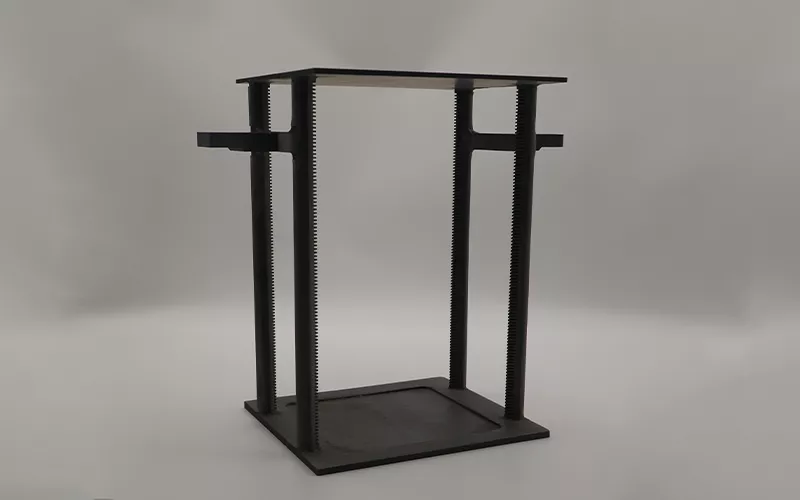
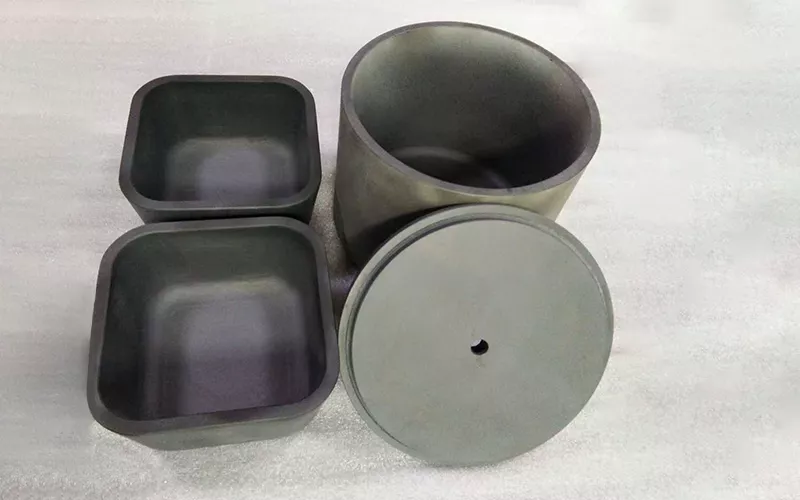
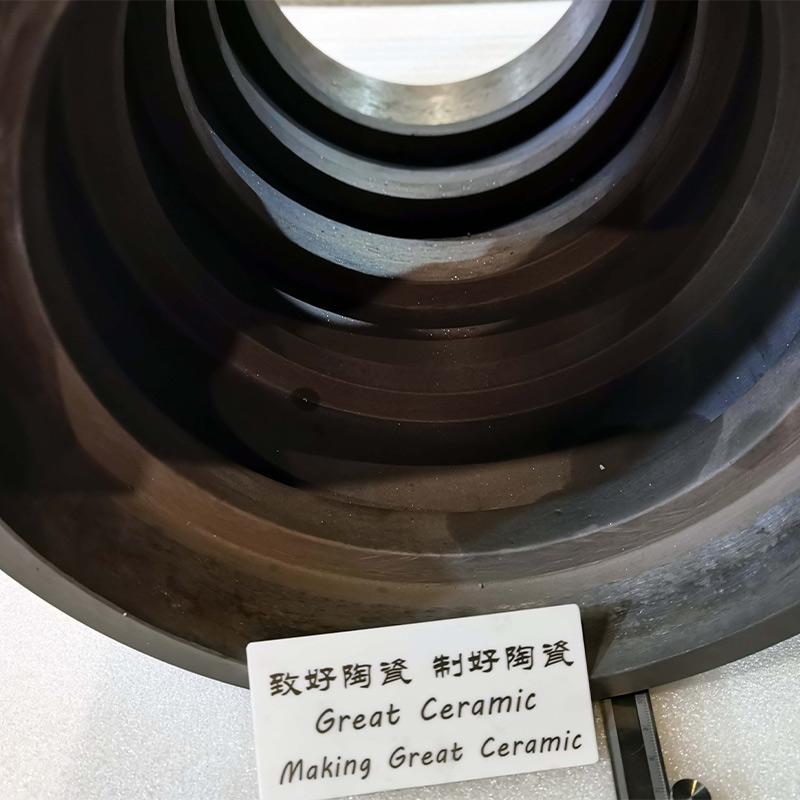
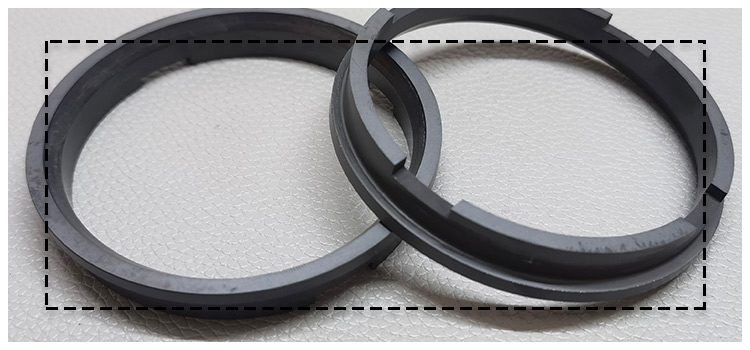
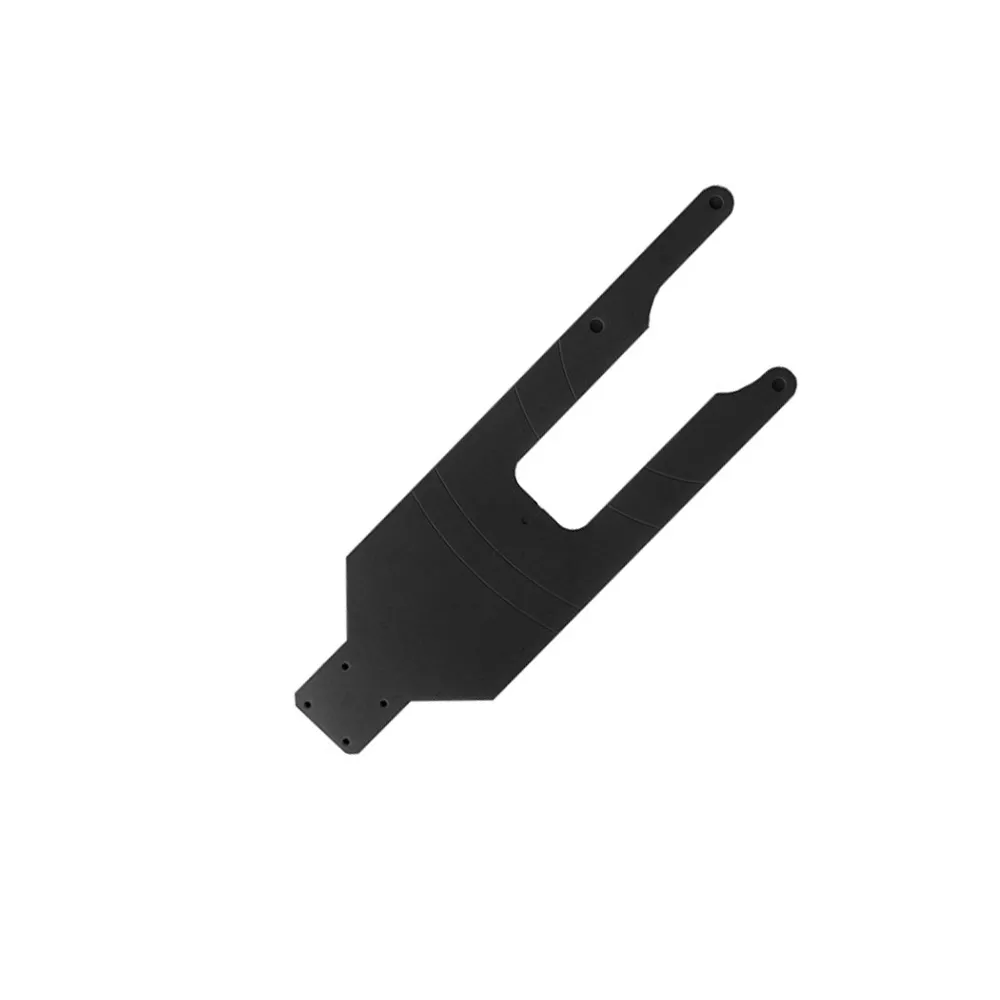
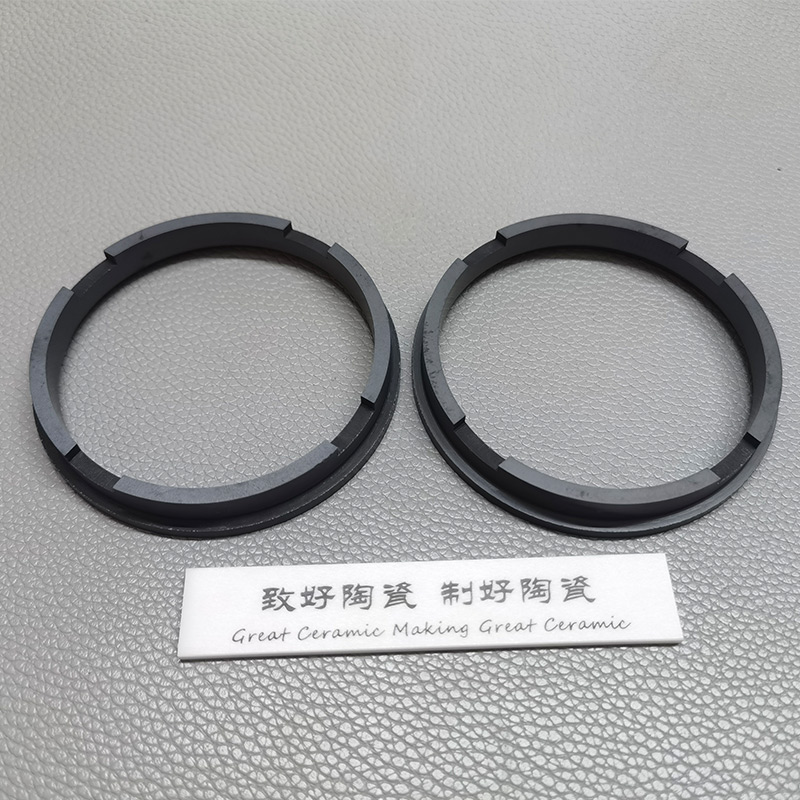
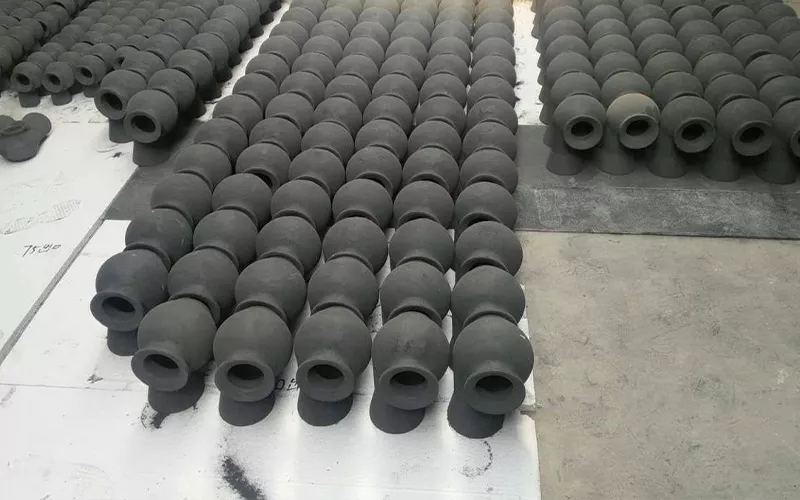
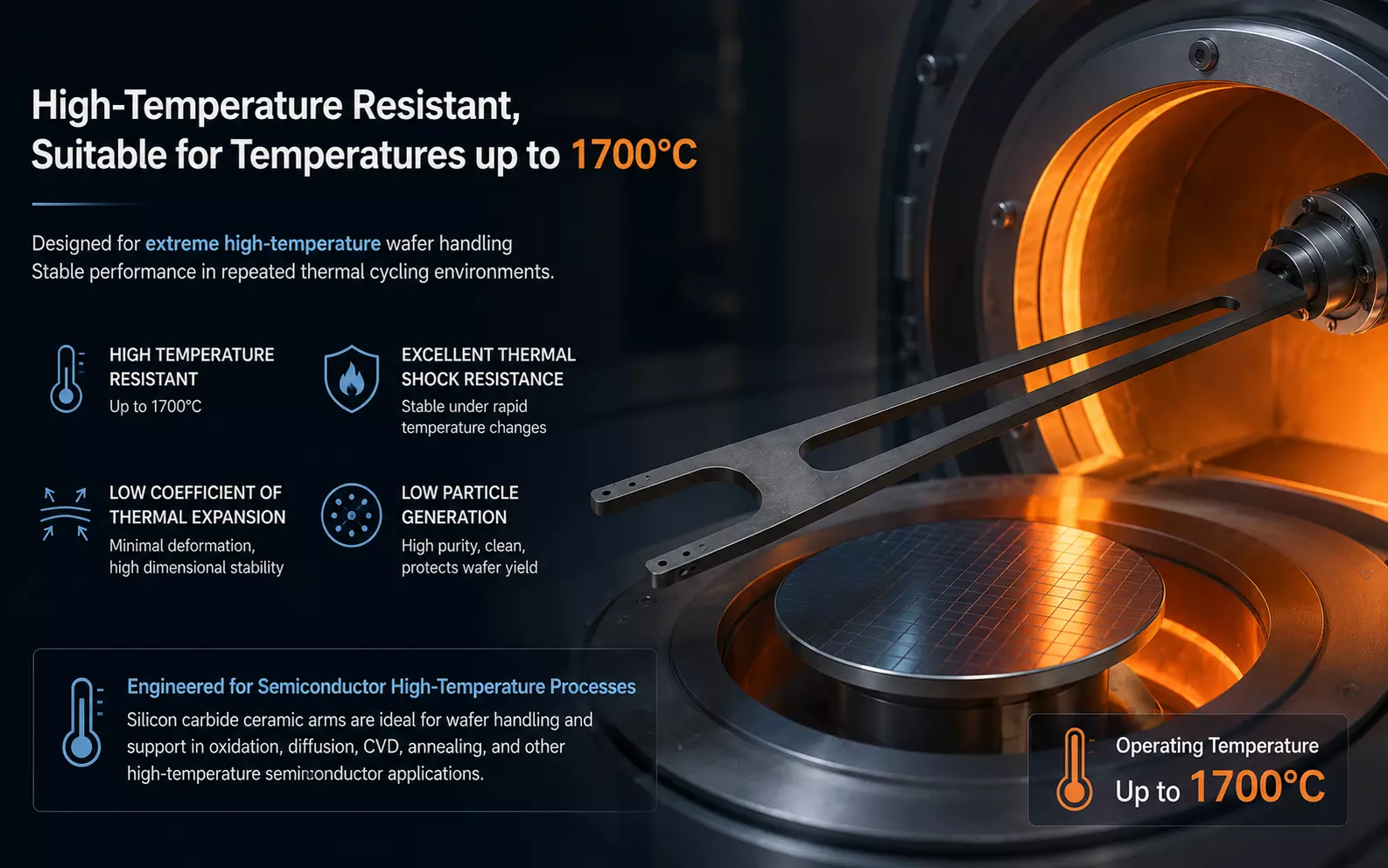
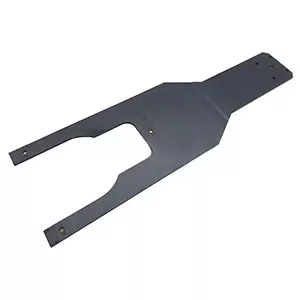
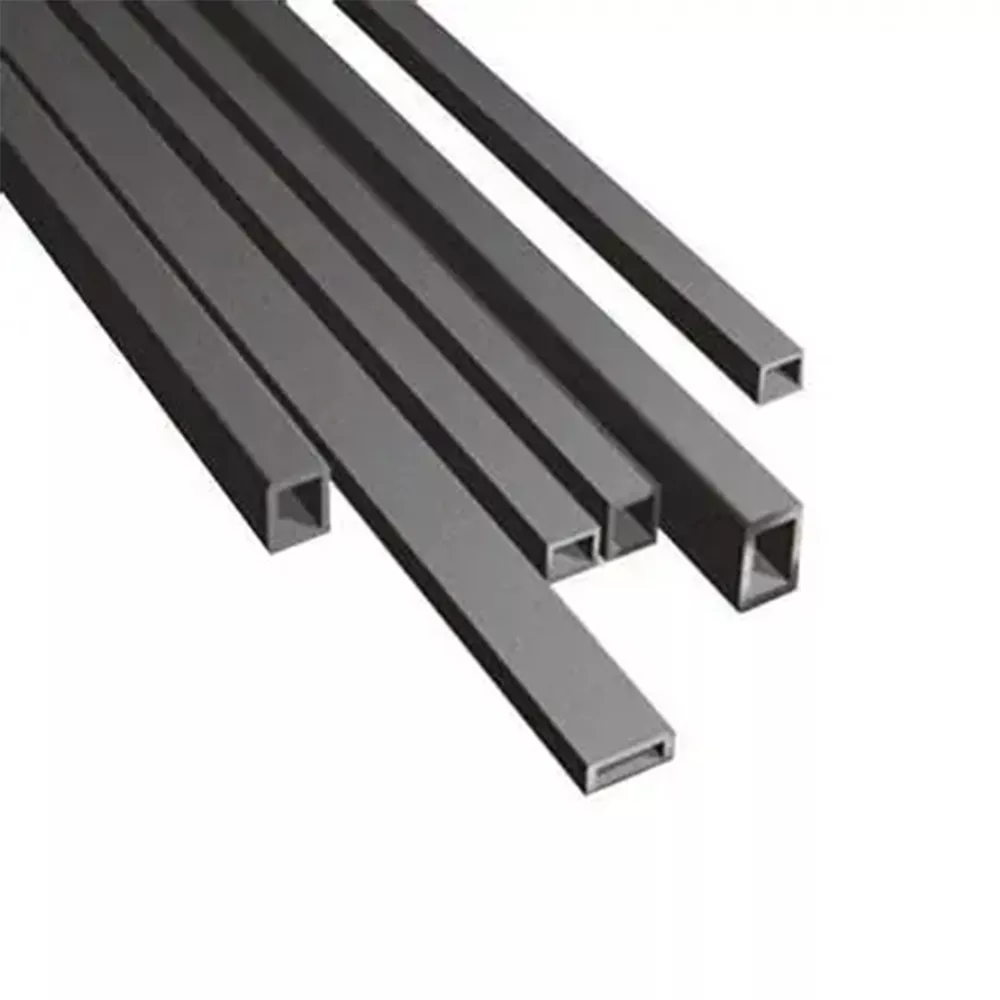
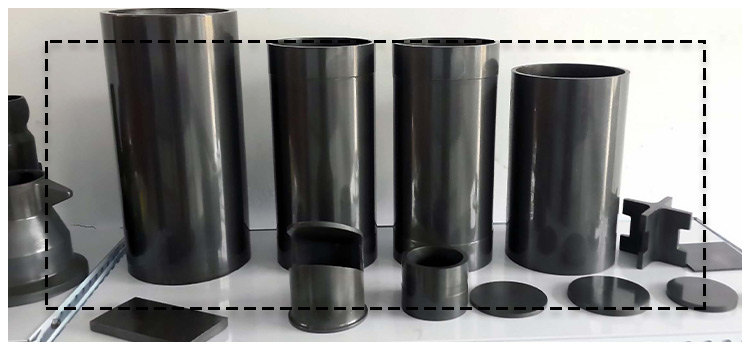
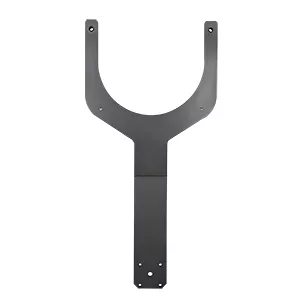
Featured Silicon Carbide Ceramic Components




Related Product Catalogue and Quotation


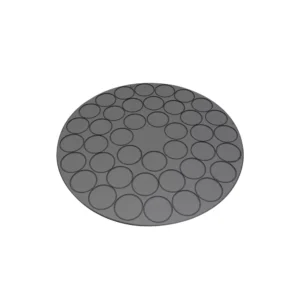


Silicon Carbide Ceramics: Define the Part Before Quotation
A clearer inquiry connects material selection, part geometry, service conditions, interfaces and acceptance expectations before commercial terms are discussed.
Current Drawing Revision
Share the current drawing revision and identify controlled dimensions, notes and changes. This gives the quotation discussion a defined technical reference from the start.
Project-Specific Material Grade
State the silicon carbide grade or material designation when known, then relate it to the application rather than relying on a general material name alone.
Geometry That Supports Assembly
Clarify overall form, critical dimensions and interfaces for tubes, rings, rods, substrates or other components. Geometry should reflect how the ceramic part fits and functions.
Functional Surface Requirements
Identify surfaces that mate, seal, slide or locate another part. Surface condition and relevant tolerances can then be addressed with the assembly requirement in view.
Operating Conditions in Context
Describe temperature exposure, media, load, wear mechanisms and cycling conditions. Application context helps frame which silicon carbide ceramics questions need review before sourcing.
Inspection Evidence Needed
Specify acceptance criteria, measurement expectations and documentation needed for approval. Separating essential evidence from preferences supports a more focused project conversation and quotation.
Silicon Carbide for Defined Part Requirements
Explore material behavior, grade considerations and component design questions before turning an application challenge into a drawing-led quotation inquiry.
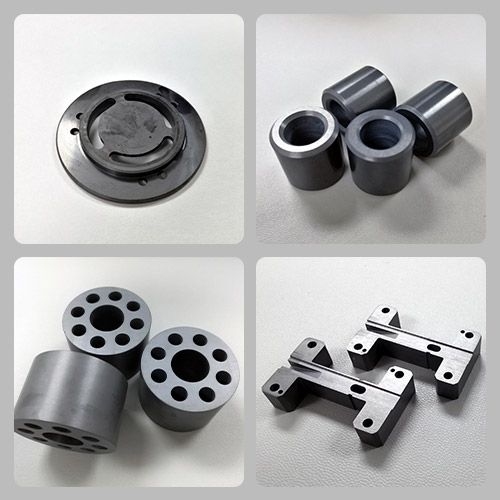
Silicon Carbide Ceramics: Properties and Selection Guide
Review silicon carbide ceramics properties in relation to the part’s job: temperature exposure, corrosive media, wear contact, stiffness, electrical conditions and dimensional constraints. Material selection should proceed with the component geometry, mating surfaces and acceptance requirements defined together.
Discuss Your Ceramic Part
Silicon Carbide Ceramics: Grades and Compositions
Compare silicon carbide ceramic grades and compositions against the conditions of the intended component. Processing route, density, additives and grade designation can affect project suitability, so identify the requested material designation where known and confirm it for the individual quotation.
Discuss Your Ceramic Part
Silicon Carbide Ceramics: Thermal Performance
Assess thermal performance around the actual duty cycle, including operating temperature, temperature gradients, thermal cycling, heat transfer needs and surrounding assembly materials. Share the service environment and critical dimensions so thermal considerations can be evaluated alongside the proposed component form.
Discuss Your Ceramic Part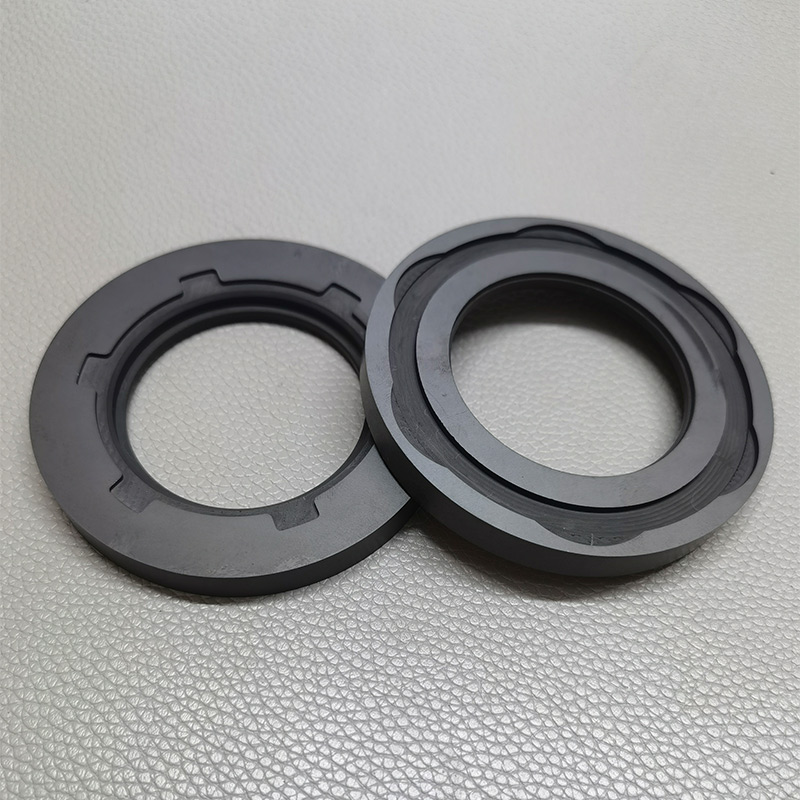
Silicon Carbide Ceramics: Mechanical and Wear Performance
Consider mechanical and wear performance in the context of loads, contact surfaces, abrasion, impact risk and allowable dimensional change. For rings, seals, nozzles, plates and other working parts, identify mating materials, fit-critical features and inspection expectations in the inquiry.
Discuss Your Ceramic Part
Silicon Carbide Ceramics: Electrical and Insulation Performance
Review electrical and insulation performance according to the application’s voltage, frequency, temperature and environmental conditions. General material information is not a grade-specific specification; confirm the required properties, geometry, test method and documentation needed for the project.
Discuss Your Ceramic Part
Silicon Carbide Ceramics: Machining and Design Guide
Plan machining and design details before release: tolerances, wall thickness, edge conditions, holes, threads, surface finish and datum features can shape feasibility. Provide the current drawing revision and identify assembly-critical surfaces to support a clearer component discussion.
Discuss Your Ceramic Part
Silicon Carbide Ceramics: Applications and Component Selection
Match silicon carbide ceramic applications to a defined component requirement, whether the need involves wear, heat, process media, electrical conditions or a replacement part. Send the drawing, quantity, operating environment and acceptance criteria by email or WhatsApp to begin the quotation conversation.
Discuss Your Ceramic PartSilicon Carbide Ceramics Material Options to Discuss
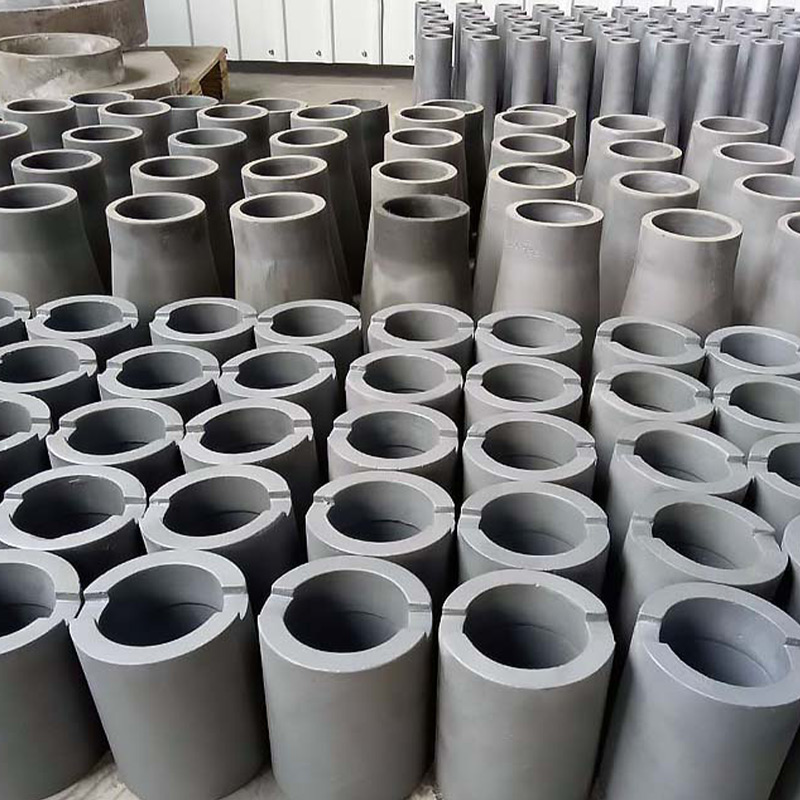
Reaction-Bonded Silicon Carbide
Often considered for complex industrial shapes, this SiC route calls for review of residual phases, density, machining allowances, and service exposure. Confirm the required geometry, sealing surfaces, and acceptance criteria against the current drawing.
Sintered Silicon Carbide
A dense SiC option to discuss for wear, thermal, or corrosion-conscious component requirements. Grade selection should account for part thickness, surface finish, dimensional tolerances, operating media, and the inspection documentation needed for approval.
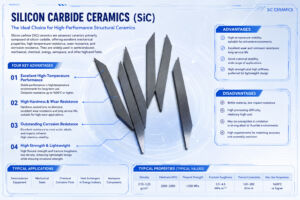
Recrystallized Silicon Carbide
Commonly evaluated for high-temperature component concepts where open structure, thermal behavior, and geometry matter. Review the actual service atmosphere, load conditions, porosity expectations, interfaces, and machining requirements before a material route is defined.
Nitride-Bonded Silicon Carbide
A formulation worth reviewing for refractory and thermal-duty components, with bonding phase and operating environment considered together. Share the component drawing, temperature profile, atmosphere, mounting details, and any required dimensional or visual inspection criteria.
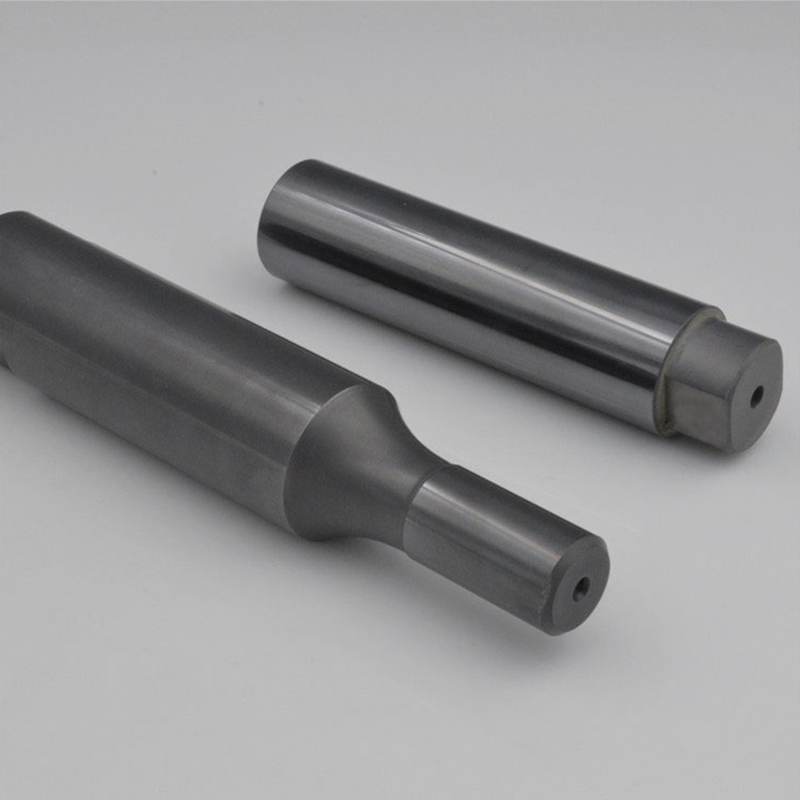
CVD Silicon Carbide
Consider this route when purity, coating-related needs, or highly controlled surfaces are part of the requirement. Confirm substrate geometry, deposition coverage, finishing expectations, service conditions, and project-specific acceptance requirements during the quotation discussion.
Processing Routes for Silicon Carbide Ceramics

Powder Preparation
Material powder selection and preparation establish the starting point for a proposed component route. Grade details, intended service conditions, and documentation expectations should be reviewed before a process discussion moves forward.
Forming Methods
Pressing, casting, extrusion, or other forming approaches may be considered according to part geometry and production needs. Early review helps identify features that affect consistency, shrinkage allowance, and subsequent machining access.
Controlled Sintering
Sintering consolidates a formed ceramic body through a process selected around the material system and part requirement. Final suitability depends on the requested grade, dimensions, property needs, and inspection criteria.
Precision Machining
Grinding and other precision-finishing operations can address critical dimensions, faces, holes, and interfaces after forming. Share drawing callouts and mating-part details so tolerance priorities and feasible finishing requirements can be discussed.
Surface Finishing
Surface condition may influence sealing, sliding, assembly, or handling performance. Specify the functional surfaces, roughness expectations, edge requirements, and any appearance criteria to frame a project-specific finishing conversation.
Silicon Carbide Ceramics: Features, Interfaces and Finishing

Precision Holes
Specify hole diameter, depth, location, thread requirements, and any critical positional tolerance. These details help define machining needs and ensure silicon carbide ceramics align with the intended assembly.

Functional Grooves
Include groove profile, depth, width, edge condition, and sealing or retention purpose. A drawing-led review helps distinguish essential geometry from preferences before the component quotation is discussed.

Mating Surfaces
Identify surfaces that contact, seal against, locate, or slide with another part. Surface finish, flatness, parallelism, and reference dimensions should be tied to the component’s functional interface.

Part Markings
Discuss identification marks, orientation indicators, batch references, or packaging labels needed for receiving and traceability. Confirm marking location and method with the drawing and acceptance requirements.

Protective Packaging
State handling, separation, cleanliness, moisture protection, and packing-unit expectations for fragile ceramic components. Packaging requirements are most useful when considered alongside shipment planning and receiving procedures.

Approval Documents
List requested inspection records, material documentation, dimensional reports, or other approval documents. Defining documentation early gives the project conversation a clearer basis for review, quotation, and acceptance.
Silicon Carbide Ceramics Sourcing, Clarified
Porcecore was founded by Andy Yuan to make technical ceramic component sourcing easier to define. We cover industrial ceramic parts across oxide, nitride, carbide and specialty ceramic families, including alumina ceramics, zirconia ceramics, silicon carbide ceramics, and custom ceramic components for industrial buyers, equipment builders and project teams evaluating a specific part and its operating role.
Our approach begins with the component rather than a material label alone. A tube, rod, ring or substrate should be considered alongside its geometry, mating surfaces, service conditions and inspection expectations. This application-first view helps turn a broad materials discussion into a more useful requirements conversation.
We work through drawing-led communication and clarity before commitment. Send the current drawing revision, known material designation, quantity, service conditions and acceptance criteria; then identify assembly-critical surfaces and required documentation. Porcecore helps separate confirmed requirements from open questions before a quotation or production decision.

Silicon Carbide Ceramics: From Part Details to Clearer Next Steps
Review the Part Context
Porcecore starts with the component and its job in the assembly. For silicon carbide ceramics, a drawing, replacement sample, or application description helps identify the dimensions, interfaces, and service conditions that should shape the quotation discussion.
- Current drawing revision or usable part sketch
- Assembly-critical dimensions and mating surfaces
- Operating temperature, media, load, and wear conditions
- Requested quantity and project stage

Clarify Material Questions
Silicon carbide is a material family, not a complete part specification. Discuss the known material designation alongside the component geometry and operating environment so that material considerations can be separated from assumptions before a project moves forward.
- Known grade or existing material reference
- Application conditions that influence selection
- Geometry features affecting manufacturability
- Open questions requiring project confirmation
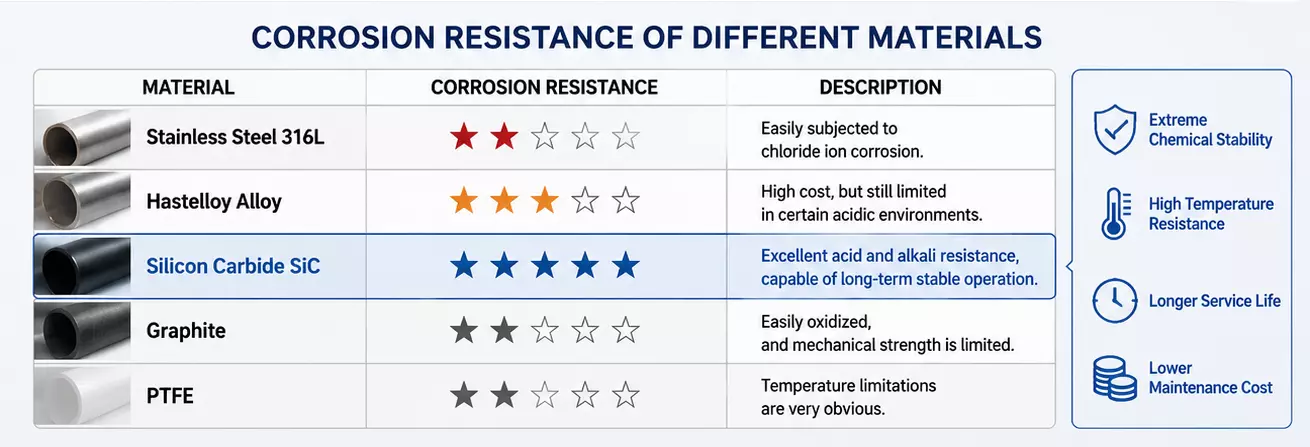
Define Acceptance Expectations
Clear acceptance expectations give an inquiry a more practical basis. Identify which dimensions govern assembly, which surfaces need attention, and what documentation may be needed so silicon carbide ceramics discussions can focus on the requirements that matter to approval.
- Tolerances tied to fit and function
- Surface condition and finishing expectations
- Inspection or documentation requirements
- Acceptance criteria for the individual order

Create a Useful Next Step
A well-prepared inquiry does not commit either party to production; it makes the next decision clearer. Porcecore helps industrial teams organize the information needed to discuss silicon carbide ceramic components, quotation scope, delivery considerations, and remaining questions.
- Share drawings by email for review
- Describe the operating environment
- Note commercial and delivery considerations
- Continue by email or WhatsApp

Why Choose Porcecore for Silicon Carbide Ceramics
Compare a drawing-led inquiry process with material-only sourcing for project-specific ceramic parts.
← Swipe left or right to view →
Silicon Carbide Ceramics: From Review to Shipment Planning
Move from a defined part requirement to coordinated delivery through a practical, drawing-led discussion.
Share Part Requirements
Send the current drawing revision, known material designation, quantity, operating conditions, and any critical assembly dimensions for an initial silicon carbide ceramics discussion.
Review Service Conditions
Clarify the component’s working environment, mating surfaces, thermal exposure, wear considerations, and other application details that may affect grade or geometry choices.
Discuss Quotation Basis
Review the proposed quotation basis around the requested part, including open questions about dimensions, tolerances, material details, quantities, and commercial requirements.
Confirm Acceptance Expectations
Identify inspection expectations, documentation needs, critical characteristics, and acceptance criteria so the project requirements are clearly understood before order commitment.
Align Packing Requirements
Discuss packing preferences, component protection needs, labeling expectations, and any handling considerations relevant to the part geometry and shipment destination.
Coordinate Delivery Planning
Confirm delivery coordination details and maintain a clear project conversation as final requirements, commercial terms, and shipment arrangements are aligned.
How to Source Silicon Carbide Ceramics With Porcecore
Move from a current part requirement to a clearly defined quotation discussion through drawing-led communication and project-specific confirmation.
Send Your Current Drawing
Share the current drawing revision, material designation if known, quantity, service conditions, mating surfaces, and acceptance criteria for the silicon carbide ceramic component.
Clarify Open Requirements
Review dimensions that control assembly, tolerances, grade considerations, inspection needs, and documentation expectations so essential requirements are separated from preferences.
Review the Quote Basis
Discuss the proposed basis for geometry, material, quantity, documentation, delivery, and commercial terms before treating any quotation as a project commitment.
Confirm Project Terms
Confirm the individual silicon carbide ceramics requirement and agreed project terms, then align the next production and shipment planning steps with your team.
Silicon Carbide Ceramics: Customer Evidence
Silicon Carbide Ceramics: Verified Customer Feedback
Customer testimonials and project outcomes will be published only after written approval and verification of the applicable component, requirement, and result.
This space is reserved for an approved project case that identifies the part requirement, relevant drawing details, and confirmed sourcing outcome without overstating material performance.
Porcecore does not publish unverified endorsements, customer names, performance figures, or project claims. Contact the team to discuss your own silicon carbide ceramic component requirement.
Complete Buyer’s Guide to Silicon Carbide Ceramics
Clarify the inputs, evidence, and commercial details needed for a more informed component quotation discussion.
What should we send for a silicon carbide ceramics quotation?
Can Porcecore help select a grade for silicon carbide ceramics?
How should tolerances be specified for silicon carbide ceramics parts?
Do you need a drawing for a replacement ceramic component?
What quantity information should be included in an inquiry?
What inspection evidence can be requested for a ceramic component order?
How are packaging, shipping, and delivery details handled?
How can we handle confidential drawings and IP-sensitive requirements?
Complete Buyer’s Guide to silicon carbide ceramics
Use a practical decision framework to compare silicon carbide ceramic grades, manufacturing routes, supplier qualifications, quality controls, and total-cost tradeoffs while avoiding specification gaps, unrealistic tolerances, and costly sourcing mistakes.
1. What Are Silicon Carbide Ceramics?
Silicon carbide (SiC) is an engineered nonoxide ceramic: silicon and carbon are bonded into a hard, heat-tolerant material used where thermal loading, abrasion, chemical exposure, or rapid temperature change can defeat conventional materials. Its low thermal expansion and high thermal conductivity make grade and architecture consequential. Source: https://digitalfire.com/material/silicon+carbide
Three procurement categories must stay separate: SiC powder is a feedstock or abrasive; a ceramic component is a formed, bonded, and finished part such as a seal ring, nozzle, tube, or plate; and a semiconductor substrate is a controlled crystal platform for electronic devices. They are not interchangeable specifications. Source: https://en.wikipedia.org/wiki/Silicon_carbide
Two screening questions start the selection: does service temperature, sliding wear, corrosive media, thermal shock, or electrical behavior justify SiC over metal; and which grade-specific properties does the mating assembly require? Confirm the drawing, service environment, critical surfaces, tolerances, and acceptance criteria before treating silicon carbide ceramics as the answer.
2. Evolution of Silicon Carbide Ceramics
1893 marked the start of mass-produced silicon carbide abrasive, establishing a supply chain for hard, graded SiC grains. That abrasive origin still matters because particle-size distribution and impurity control influence later ceramic processing. Source: https://www.preciseceramic.com/blog/overview-of-silicon-carbide-ceramic.html
1,700°C is the approximate threshold associated with alpha-SiC formation, illustrating why thermal history and crystal form cannot be treated as interchangeable purchasing details. Development of controlled powders, slurry forming, pressing, reaction bonding, pressureless sintering, and chemical-vapor deposition expanded SiC from abrasive grains into seals, wear parts, refractories, substrates, and thermal-management components. Source: https://en.wikipedia.org/wiki/Silicon_carbide
Today, a drawing should identify the intended manufacturing route and grade, not merely request silicon carbide ceramics. Density, residual silicon, porosity, purity, achievable geometry, surface condition, and inspection method can differ materially by route; confirm these against the operating environment and mating dimensions before comparing quotations. Source: https://digitalfire.com/material/silicon+carbide
3. Types of Silicon Carbide Ceramics
Six commercial silicon carbide ceramics routes differ mainly in bonding phase, residual pores, and achievable geometry. Shortlist by service environment first, then confirm grade-specific properties against the drawing.
| Type | Defining Route | Density Or Porosity | Typical Fit |
|---|---|---|---|
| Reaction-bonded | Silicon infiltration | Usually dense; residual silicon | Wear liners, pump parts |
| Pressureless-sintered | Powder sintering | High density, low porosity | Seals, bearings, nozzles |
| Recrystallized | Grain recrystallization | Open porosity | Kiln furniture |
| Nitride-bonded | Silicon nitride bond | Porous composite | Refractories |
| Hot-pressed | Pressure-assisted sintering | Very high density | Specialized wear components |
| CVD SiC | Gas-phase deposition | Dense, high-purity coating or body | Semiconductor equipment |
Dense Structural Grades
Pressureless-sintered SiC densifies powder without applied pressure; it suits wear parts and seals.
Hot-pressed SiC uses uniaxial pressure, limiting economical shape complexity despite high density.
Porous And Bonded Grades
Reaction-bonded SiC infiltrates a carbon-containing preform with silicon, often leaving residual silicon.
Recrystallized and nitride-bonded SiC retain connected porosity, favoring kiln furniture and refractory service.
High-Purity Deposited Grades
Chemical-vapor-deposited SiC forms by gas-phase deposition and can provide high purity and uniformity.
Complex deposited shapes, thickness, machining, and inspection requirements require early engineering review.
4. Silicon Carbide Ceramics: Materials and Processing
Material performance begins with the powder and the route used to densify it. A specification should connect chemistry and microstructure to the drawing’s functional surfaces.
| Route | Key Input | Typical Tradeoff |
|---|---|---|
| Reaction bonded | Free silicon | Lower firing shrinkage; corrosion limits |
| Pressureless sintered | Fine powder and additives | Higher purity potential; tighter process control |
| Recrystallized | Coarse grains | Thermal-shock tolerance; porosity can remain |
Powder And Additives

SiC purity, particle-size distribution, oxygen content, and free carbon affect sintering response. In reaction-bonded grades, request residual free-silicon content because it can change corrosion compatibility and thermal behavior.
Forming And Densification
Pressing, extrusion, slip casting, and machining-before-sintering create different geometry limits. Sintering aid selection, density, grain size, and firing schedule influence strength, conductivity, shrinkage, and dimensional variation.
Data To Request
A buyer’s sheet should state material designation, density, open porosity, grain size, purity, free silicon, flexural strength, thermal conductivity, and test method. Specify post-sinter machining allowances, coating identity, thickness, and acceptance criteria.
5. Customization and Surface-Finish Options
One custom silicon carbide ceramics request should define the part’s job before its shape. Geometry, mating surfaces, and acceptance criteria determine which details require controlled machining.
| Feature | Functional Requirement | Drawing Input |
|---|---|---|
| Holes and channels | Assembly or flow path | Size, location, datum |
| Ground surfaces | Fit or motion | Roughness and tolerance |
| Marking | Identification | Location and format |
Geometry And Interfaces
One drawing should identify outside dimensions, bores, holes, channels, radii, threads, and every assembly interface. Sharp internal corners, thin sections, and unsupported features need review because brittle ceramic machining can raise breakage risk.
Tolerances And Flatness
Each critical dimension needs a tolerance and datum scheme, not a blanket precision note. Flatness, parallelism, concentricity, and fit surfaces should be tied to their functional mating part and inspection method.
Finish And Traceability
A specified roughness value distinguishes sealing, sliding, electrical, or bonding surfaces from cosmetic polishing. Part marking, lot traceability, and documentation requirements should be shown on the drawing or purchase specification.
6. Quality Elements in Silicon Carbide Ceramics
Two silicon carbide ceramics parts with the same nominal grade can perform differently when density, pore population, grain structure, and finished surfaces differ. Quality review should connect each characteristic to the actual load, fluid, temperature, and mating condition.
Material And Microstructure
One material designation is not a complete acceptance basis. Confirm the agreed grade, forming route, density target, allowable porosity, and grain-structure expectations on the drawing or purchase specification.
100% generic datasheet values should not replace project-specific evidence. Request grade-linked test data only where the service condition makes that property critical.
Finished Surface Integrity
0 visible chips may be required at sealing edges, but the acceptance limit should identify the edge zone and inspection magnification. Grinding damage, pullout, cracks, and residual surface defects can matter more than an average roughness value.
10× visual examination suits many cosmetic checks. Critical sealing, rotating, or high-stress surfaces may justify documented higher-magnification review and defined reject criteria.
Inspection Matched To Risk
100% dimensional inspection is appropriate for assembly-critical features when stated tolerances and datums are clear. Calipers, micrometers, gauges, CMM measurement, and surface-roughness testing should be selected by feature and tolerance.
1 agreed inspection plan should also define sampling, test locations, records, and disposition of nonconforming parts. Validate any claimed property against the actual service environment before release.
7. How to Choose a Manufacturer
Three supplier checks matter before a purchase order: process fit, drawing control, and evidence tied to the delivered lot. For silicon carbide ceramics, assess the proposed route against geometry, service conditions, and inspection needs rather than relying on a catalog listing.
| Evaluation Area | Manufacturer Evidence | Buyer Question |
|---|---|---|
| Engineering | Drawing review | Who approves revisions? |
| Metrology | Recorded inspection | Which dimensions are measured? |
| Traceability | Lot linkage | What accompanies shipment? |
Ask Process Questions
Ask which forming, densification, machining, and finishing steps apply to the part. A capable manufacturer should discuss process limits, critical surfaces, and feasible tolerances; a reseller may only repeat a material description.
- Who reviews the drawing?
- Which process makes this geometry?
- What limits require design changes?
Verify Production Evidence
Request a sample inspection plan before prototype release. Confirm material designation, lot identification, measured dimensions, test method where needed, and document format; do not infer certification from a logo or general statement.
- Lot traceability
- First-article measurements
- Agreed acceptance criteria
Plan Delivery And Recovery
Set prototype, approval, production, and shipping dates separately. Ask how parts are protected from chipping, how capacity is scheduled, and who owns containment, replacement, and communication if a nonconformance occurs.
- Packaging method
- Capacity review
- Nonconformance contact
8. Common Silicon Carbide Ceramics Buying Mistakes
Seven recurring RFQ errors create avoidable cost, schedule, and reliability exposure in silicon carbide ceramics. Use this checklist before release so engineering requirements and purchasing comparisons describe the same part.
Define Material And Environment
First, naming only a grade can hide bonding, density, and property assumptions; record the material designation, medium chemistry, temperature, pressure, and exposure cycle.
Second, ignoring alkalis, oxidizing gases, or abrasive slurry can shorten service life; request application review against the actual environment.
Design For Ceramic Behavior
Third, metal-style sharp corners, thin unsupported sections, and point loading increase cracking risk; specify radii, load paths, mating surfaces, and assembly constraints.
Fourth, blanket tight tolerances raise grinding cost without improving function; mark critical dimensions, datums, and allowable alternatives.
Align Acceptance And Validation
Fifth, omitted inspection criteria invite disputes; state dimensions, sampling, test methods, documentation, and acceptance limits. Sixth, unmatched quote scope distorts price; compare grade, finish, quantity, tooling, inspection, packaging, and delivery.
Seventh, skipping a pilot can expose fit or service failures late; validate representative parts before committing production volume.
9. Steps to Launch a Custom Component
Two owners should be named before a custom program starts: the engineering owner for requirements and the commercial owner for releases. This keeps silicon carbide ceramics qualification tied to a controlled decision path.
Define Duty And Drawing
First, record temperature, media, pressure, load, cycling, and failure mode. Submit the current drawing revision with critical fits, datum scheme, surface callouts, quantity, and acceptance criteria.
Align Grade And Manufacturability
Next, select a preliminary SiC grade for review, not as a final property guarantee. Request design-for-manufacture feedback on wall sections, radii, machining access, shrinkage allowances, and measurable tolerances.
Qualify And Release Production
Then, prototype against the agreed revision and test under representative service conditions. Freeze inspection methods, sample signoff authority, required records, packing needs, and revision ownership before scheduling production releases.
10. Silicon Carbide Ceramics Pricing and Cost
Three cost layers determine a custom quote: material route, geometry and verification. Silicon carbide ceramics prices should be compared only after the drawing revision and acceptance basis match.
Four RFQ inputs make comparison actionable: quantity, service conditions, critical dimensions and required documentation. Total cost also includes qualification risk, production yield, protective packaging and lifecycle performance—not merely the unit price.
| Quantity tier | Cost drivers | Indicative lead-time driver |
|---|---|---|
| Prototype / low volume | Setup, fixturing, complex machining | Drawing review and process planning |
| Repeat medium volume | Yield, grinding time, inspection sampling | Batch scheduling and capacity |
| Higher volume | Tooling amortization, stable routing | Tooling release and batch size |
| Any quantity | Material route, tolerances, inspection scope | Documentation and final inspection |
Discuss Your Silicon Carbide Ceramics Part
Email your drawing or describe the component, operating environment, quantity, and acceptance requirements to begin a clearer quotation discussion.