
Boron Nitride Ceramics, Defined by Your Part
Connect boron nitride ceramics to your drawing, operating conditions, interfaces and acceptance requirements before requesting a quotation.
Featured Boron Nitride Ceramic Components


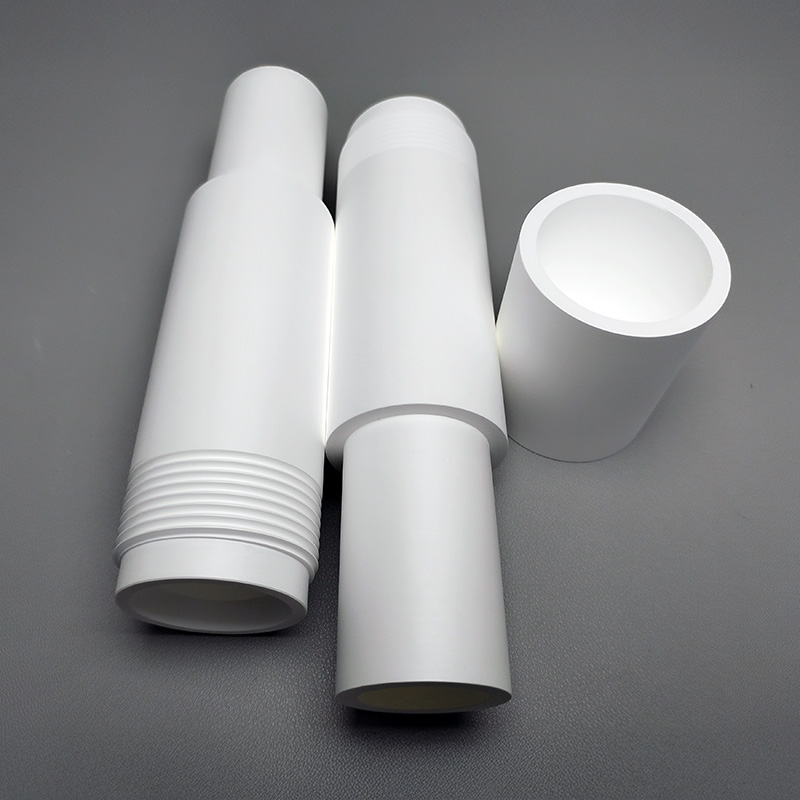

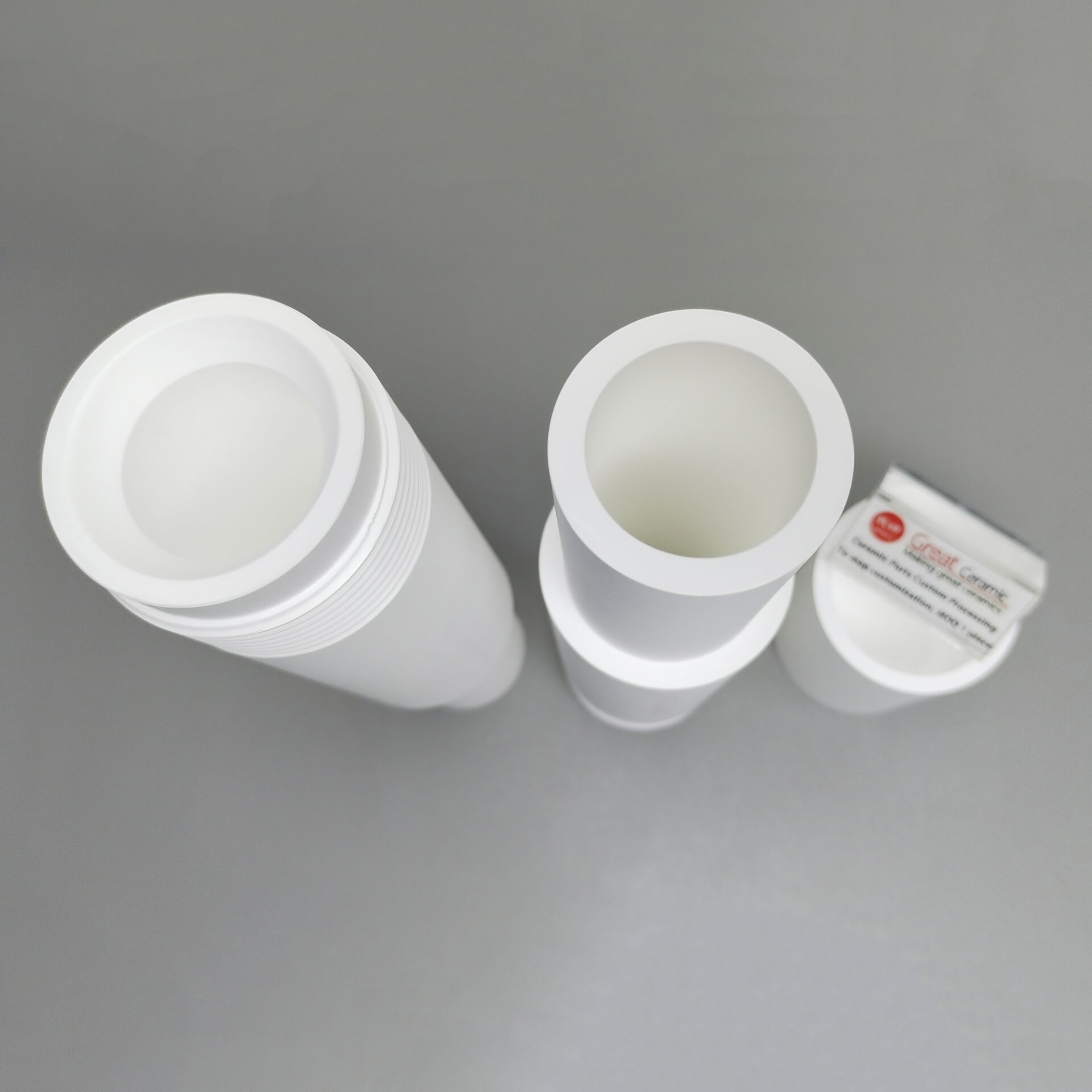
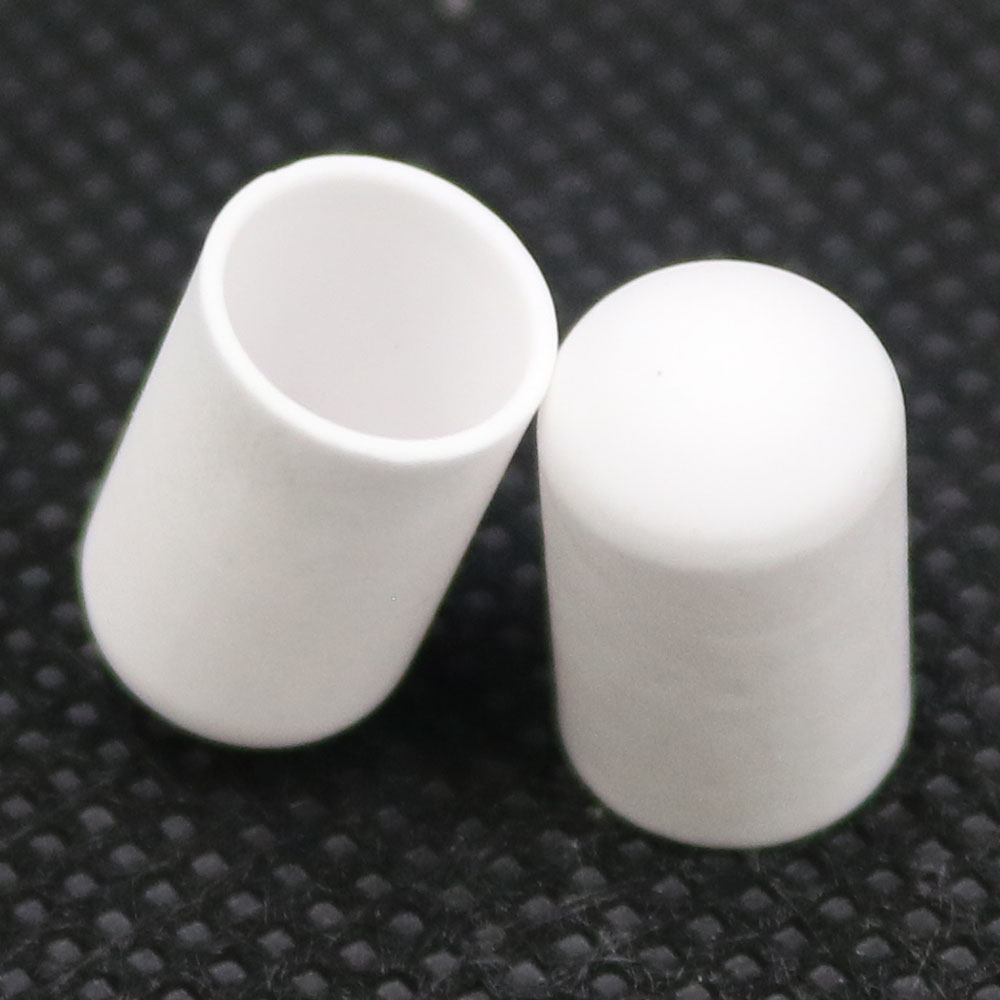





Related Product Catalogue and Quotation


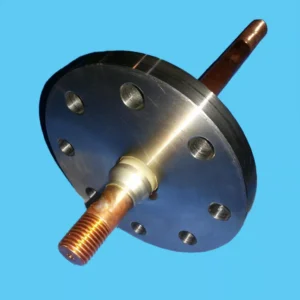
Specify Boron Nitride Ceramics by Requirement
A material name is a starting point. Define the part, its operating context, and the evidence needed for a more focused quotation discussion.
Current Drawing Revision
Share the current drawing revision so dimensions, notes, interfaces, and requested changes can be reviewed against the same component requirement.
Material Grade Discussion
Identify the boron nitride grade or material designation if known, then connect it to the application conditions rather than treating a general property as a specification.
Assembly-Critical Geometry
Call out dimensions that determine assembly, including bores, wall sections, threads, or profiles, so geometry can be discussed alongside the intended component function.
Functional Surface Priorities
Identify surfaces that mate, seal, locate, guide, or contact another part. This helps distinguish cosmetic preferences from interfaces that affect equipment performance.
Service Condition Context
Describe temperature, atmosphere, media, electrical conditions, thermal cycling, and mechanical loading where relevant, giving the material and part discussion practical operating context.
Acceptance Evidence Needed
State the inspection expectations, documentation, and acceptance criteria needed for approval, so the quotation conversation addresses how the finished part will be evaluated.
Boron Nitride Requirements, From Material to Part
Use these inquiry paths to connect boron nitride material considerations with the geometry, service conditions, and acceptance criteria of your component.
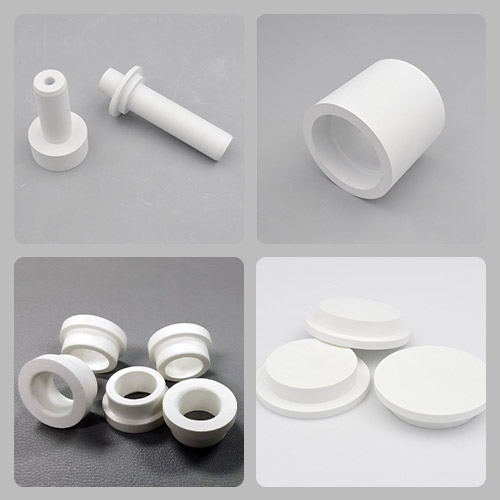
Boron Nitride Ceramics: Properties and Selection Guide
Review boron nitride ceramic properties in relation to the component’s operating environment, including temperature exposure, insulation needs, chemical contact, and mating conditions. A useful selection discussion begins with the part form, drawing, and service requirements rather than a material name alone.
Discuss Your Ceramic Part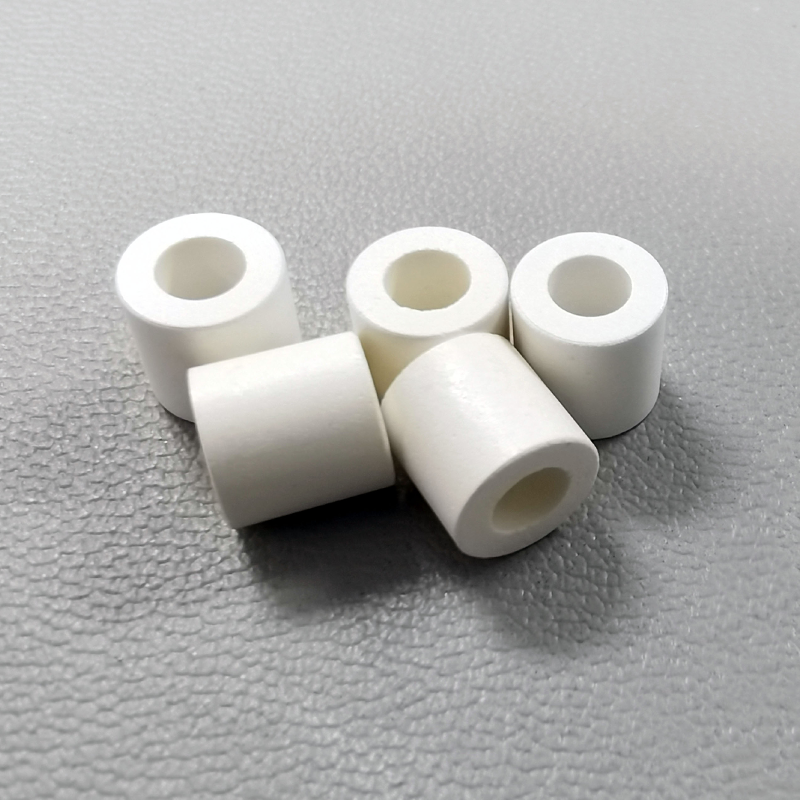
Boron Nitride Ceramics: Grades and Compositions
Compare boron nitride grades and compositions against the needs of a specific tube, rod, ring, plate, or custom component. Confirm the intended grade, allowable alternatives, dimensions, tolerances, and documentation expectations as part of the quotation inquiry.
Discuss Your Ceramic Part
Boron Nitride Ceramics: Thermal Performance
Discuss thermal performance with the actual heat path and operating cycle in view. Share temperatures, gradients, atmosphere, thermal cycling, contact surfaces, and assembly constraints so the proposed boron nitride component can be evaluated against project-specific conditions.
Discuss Your Ceramic Part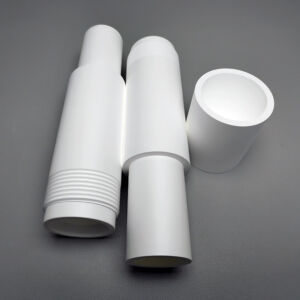
Boron Nitride Ceramics: Mechanical and Wear Performance
Assess mechanical and wear considerations for boron nitride parts that contact, guide, seal, support, or locate other components. Identify loading, movement, surface finish, mating materials, edge conditions, and inspection criteria that affect the required geometry and acceptance basis.
Discuss Your Ceramic Part
Boron Nitride Ceramics: Electrical and Insulation Performance
Define electrical and insulation requirements for boron nitride ceramic components used near energized systems or high-temperature equipment. Include voltage conditions, insulation function, surrounding media, clearance constraints, component dimensions, and any test or documentation requirements for review.
Discuss Your Ceramic Part
Boron Nitride Ceramics: Machining and Design Guide
Plan machining and part design around the current drawing revision and the features that control assembly. Call out critical diameters, wall thicknesses, holes, threads, radii, mating surfaces, tolerances, and inspection points before requesting a quotation for a boron nitride part.
Discuss Your Ceramic Part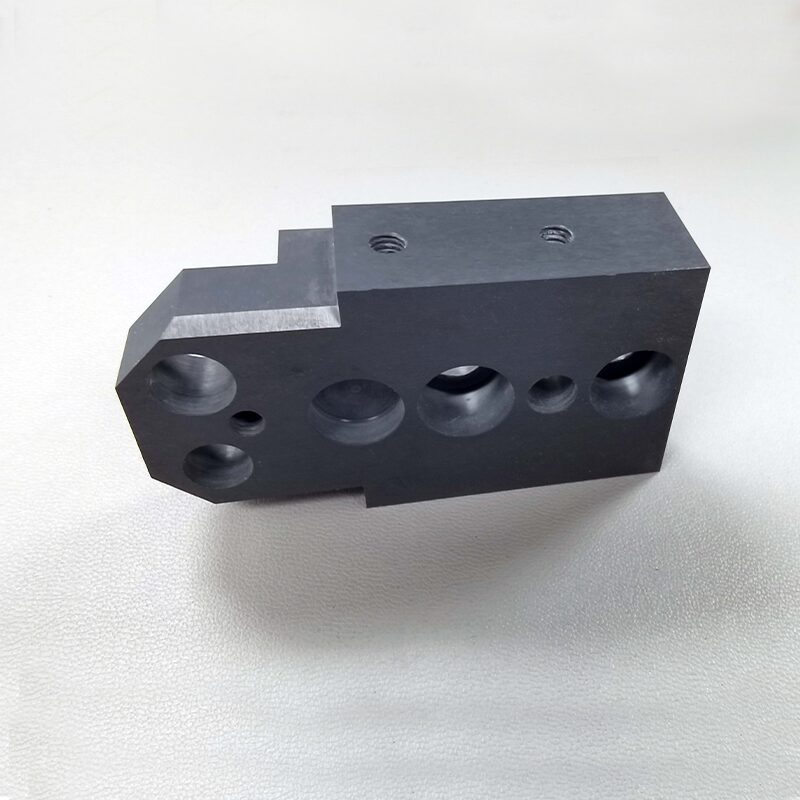
Boron Nitride Ceramics: Applications and Component Selection
Match boron nitride applications to a defined component requirement, whether the need is a tube, rod, ring, substrate, insulation part, or replacement component. Send the drawing, quantity, operating conditions, and acceptance criteria to begin a focused project discussion.
Discuss Your Ceramic PartBoron Nitride Ceramics Material Options

Hot-Pressed Boron Nitride
A machinable, graphite-like ceramic direction often considered for intricate insulating parts, furnace fixtures, and vacuum components. Binder system, moisture exposure, operating atmosphere, tolerances, and inspection needs should be reviewed for the individual part. Source: https://precision-ceramics.com/materials/boron-nitride

High-Purity Hexagonal BN
A high-purity hexagonal boron nitride option may suit refractory, electrical insulation, semiconductor, or molten-metal handling discussions. Chemical environment, thermal cycling, geometry, and grade-specific property targets must be confirmed before quotation. Source: https://www.kennametal.com/us/en/products/sintec-ceramics/boron-nitride-and-ceramic-components.html

Boron Nitride Composites
Composite boron nitride materials can be evaluated where a project balances machinability with thermal, mechanical, or electrical requirements. The component’s load path, atmosphere, interfaces, tolerances, and documentation expectations determine whether a composite is appropriate. Source: https://www.kennametal.com/us/en/products/sintec-ceramics/boron-nitride-and-ceramic-components.html

Cubic Boron Nitride
Cubic boron nitride is a distinct, hard material direction commonly associated with abrasive and cutting applications rather than machinable insulating components. Confirm the required phase, tool or part geometry, service conditions, and acceptance criteria. Source: https://eureka.patsnap.com/materials/boron-nitride-ceramic

Grade-Specific BN
Boron nitride ceramics are not defined by a material name alone. Start with the drawing, quantity, operating environment, assembly-critical surfaces, and required records so grade, geometry, and inspection expectations can be discussed together.
Boron Nitride Ceramics: Processes to Confirm for Your Part

Material Grade Review
Review the proposed boron nitride grade and material form against operating conditions, part function, and drawing notes. Grade-specific properties, availability, and processing suitability should be confirmed for the individual component.

Blank Form Selection
Discuss whether a plate, rod, tube, block, or other starting form best supports the required geometry. This early choice can influence material utilization, machining access, lead-time discussion, and feasible part dimensions.

Precision Machining
Translate drawing geometry into machining considerations for holes, threads, slots, radii, and thin sections. Critical dimensions, datum references, and surfaces that mate with another part should be identified for review.

Surface Finish Review
Define the finish expectations for functional faces, sealing areas, contact surfaces, and noncritical regions. Surface requirements should be connected to the assembly role, measurement method, and acceptance criteria stated in the inquiry.

Inspection Planning
Align inspection expectations with the dimensions and characteristics that determine acceptance. Share tolerance callouts, drawing revision, requested records, and any documentation requirements so the quotation discussion starts with clear project criteria.
Boron Nitride Ceramics: Features and Assembly Interfaces

Threaded Features
Specify thread size, pitch, engagement length, location, and mating material for threaded boron nitride ceramics. Note whether the feature is functional, installed hardware, or requires a particular inspection approach.

Precision Holes
Define through holes, blind holes, counterbores, and locating holes by diameter, depth, position, and tolerance. Include the assembly purpose and any pin, fastener, electrode, or passageway that interfaces with the part.

Functional Grooves
Describe groove profile, width, depth, edge condition, and intended function, such as sealing, retention, clearance, or material flow. Flag features whose location relative to another surface controls component performance.

Mating Surfaces
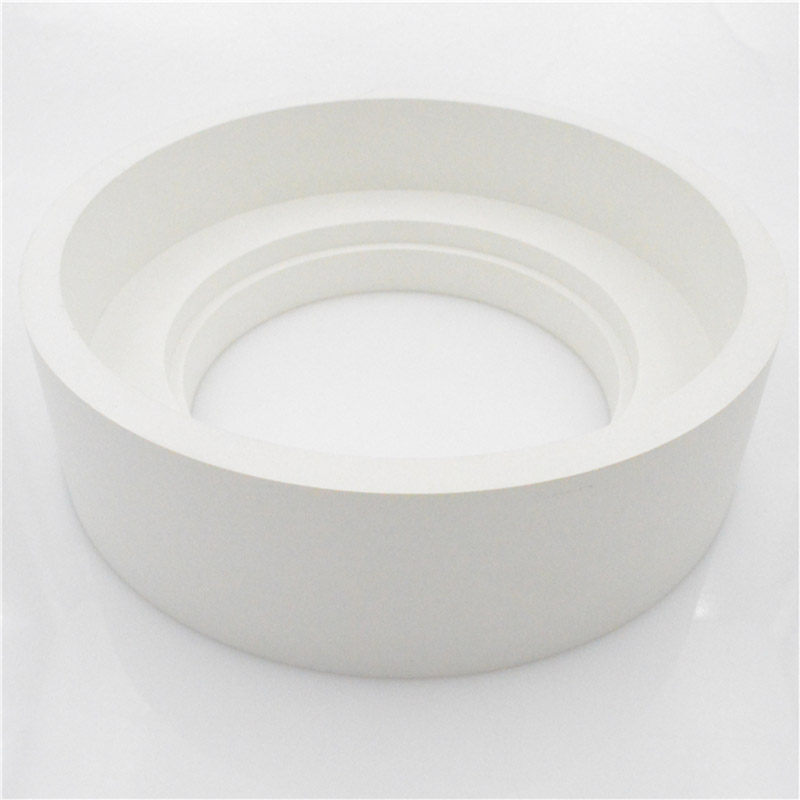
Identify faces, bores, shoulders, and contact areas that mate with another component. Provide critical dimensions, surface expectations, alignment relationships, and the counterpart material so the quotation discussion starts from the assembly.
Part Identification
State any part number, revision mark, orientation reference, lot traceability, or packaging label needed for receiving and assembly. Clarify the required identification method and documentation expectations before production terms are confirmed.
About Porcecore
Founded by Andy Yuan, Porcecore helps industrial buyers turn an application need into a clearer technical ceramic component inquiry. Our focus includes boron nitride ceramics alongside oxide, nitride, carbide, and specialty ceramic families for equipment builders, engineering teams, and distributors.
We begin with the part and its working conditions, not a material name alone. A tube, rod, ring, substrate, or replacement component may require discussion of geometry, mating surfaces, service environment, inspection expectations, and the dimensions that determine assembly.
Porcecore works through drawing-led communication: share the current drawing revision, known material designation, quantity, operating conditions, and acceptance criteria. This gives a quotation discussion a practical basis while keeping grade, tolerances, documentation, delivery, and commercial terms open for project-specific confirmation.

Boron Nitride Ceramics: From Material Name to Defined Part
Review the Operating Job
Start with what the component must do in service. For boron nitride ceramics, discuss temperature, atmosphere, contact media, electrical function, and assembly context before treating a material family as a final specification.
- Define the operating environment
- Identify thermal and electrical duties
- Note contact media and mating parts
- Separate essential needs from preferences
Read the Drawing in Context
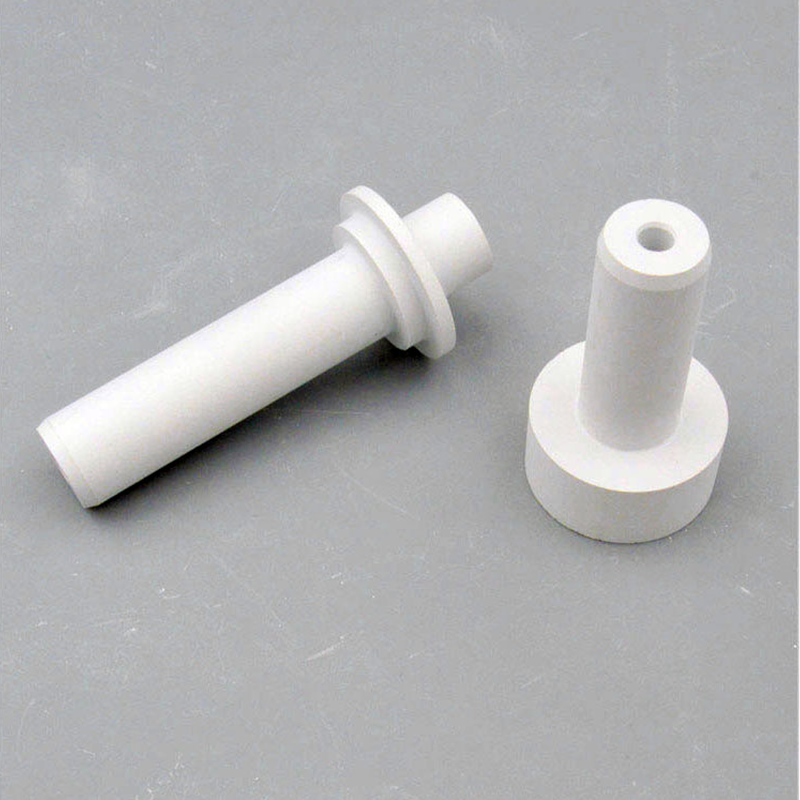
A drawing gives the quotation discussion a practical starting point, but critical interfaces deserve attention. Identify dimensions that control assembly, fit surfaces, datum references, tolerances, and any features that affect inspection or handling.
- Send the current drawing revision
- Mark assembly-critical dimensions
- Identify mating and sealing surfaces
- State tolerance and inspection expectations

Clarify Grade and Geometry
Boron nitride ceramics are not defined by a material name alone. Grade designation, component form, geometry, and processing considerations should be reviewed together so the inquiry reflects the part requirement rather than a general material description.
- Provide the grade if known
- Describe the required component form
- Flag complex geometry or thin features
- Discuss surface-condition needs

Confirm Project-Specific Terms
Before an order is agreed, confirm the details that apply to the individual project. Quantity, acceptance criteria, requested documentation, delivery needs, and commercial terms help turn a preliminary discussion into a clearer sourcing decision.
- State prototype or production quantity
- List required documents
- Define acceptance criteria
- Confirm delivery requirements

Compare Boron Nitride Ceramic Quotations by What They Confirm
Use the same project-specific questions for every quote before comparing scope, timing, and commercial terms.
← Swipe left or right to view →
Boron Nitride Ceramics Project Discussion Process
Move from an initial component question to a quotation discussion with the details needed for a project-specific decision.
Share Part Context
Send your current drawing revision or describe the boron nitride component, its intended function, operating environment, quantity, and replacement or new-build status.
Clarify Critical Requirements
Identify material designation if known, assembly-driving dimensions, mating surfaces, tolerances, service conditions, and any acceptance criteria that should guide the discussion.
Review Grade And Geometry
Discuss whether the proposed boron nitride ceramics grade, component form, geometry, and processing approach align with the defined application requirements and open questions.
Develop Quotation Basis
Use the clarified requirement to discuss quantities, inspection expectations, documentation needs, delivery considerations, and commercial details before a project-specific quotation is prepared.
Confirm Order Specifications
Before production commitment, confirm the agreed drawing, material grade, dimensions, tolerances, documentation, delivery terms, and other requirements for the individual project.
How to Work With Porcecore on Boron Nitride Ceramics
Start with the part requirement, clarify open questions, and confirm the project-specific details needed for a grounded quotation discussion.
Send Current Drawing
Share the current drawing revision for your boron nitride ceramics component, along with quantity, service conditions, mating surfaces, critical dimensions, and acceptance requirements.
Clarify Open Questions
Discuss material designation, grade-specific expectations, geometry, tolerances, inspection needs, and documentation so the quotation conversation reflects the part’s intended job and interfaces.
Confirm Project Specifications
Confirm the project-specific material grade, dimensions, tolerances, documentation, delivery expectations, and commercial terms before treating any quotation or product illustration as an agreed order.
Move Toward a Quote
Use the clarified requirement to move forward with a drawing-led quotation discussion, addressing remaining details before production commitments are made for the individual project.
Boron Nitride Ceramics: Documentation Requirements to Confirm
Boron Nitride Ceramic Inquiry Guidance
Porcecore reserves this space for approved, attributable customer feedback. No verified customer case, endorsement, or quantified project outcome has been supplied for publication.
For a focused boron nitride ceramic inquiry, provide the current drawing, service conditions, mating surfaces, and acceptance criteria.
To discuss a potential project, send the current drawing revision, material designation if known, quantity, operating environment, and documentation requirements for a clearer quotation conversation.
Boron Nitride Ceramics FAQ
Clarify the part requirement before requesting a project-specific quotation.
What should I send for a boron nitride ceramics quotation?
How do I select a grade for boron nitride ceramics?
Can boron nitride ceramics be quoted from a sample or replacement part?
Which tolerances and surfaces should be called out on the drawing?
How should I state the quantity and production stage for my inquiry?
What inspection evidence can I request for boron nitride ceramics?
How are ceramic components packaged for shipment?
How does Porcecore handle drawings and project information?
The Complete Buyer’s Guide to boron nitride ceramics
Use this decision framework to match grades, properties, part geometry, and operating conditions while evaluating supplier documentation, manufacturing controls, lead times, and the costly sourcing mistakes to avoid.
1. What Are boron nitride ceramics?
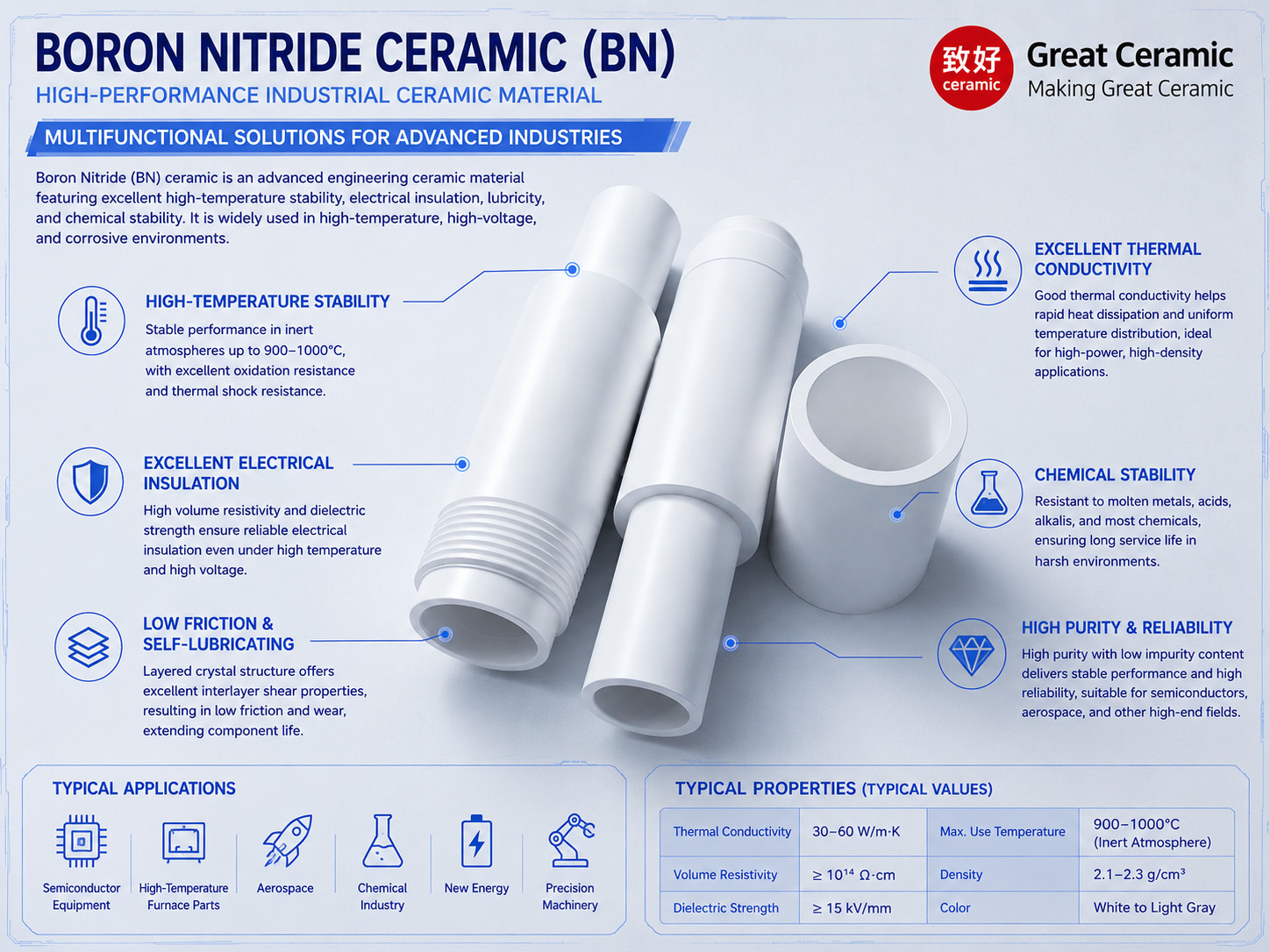
Hexagonal boron nitride (h-BN) is commonly made into engineered solid parts such as insulators, crucibles, tubes, rings, and fixtures; it is distinct from BN powder used as a feedstock and from sprayed or painted coatings. Its layered structure can combine electrical insulation with useful thermal transport and lubricity, but values depend on grade, orientation, density, and service environment (https://precision-ceramics.com/materials/boron-nitride).
Two practical advantages often make a solid BN candidate: machinability for complex part geometry and low-friction behavior at intended contact surfaces. Chemical compatibility, atmosphere, temperature, load, mating material, and contamination limits still require review; the buyer question is whether the actual component needs this combination rather than one headline property (https://www.kennametal.com/us/en/products/sintec-ceramics/boron-nitride-and-ceramic-components.html).
2. How boron nitride ceramics evolved
Hexagonal boron nitride, long called ‘white graphite,’ established the layered, machinable insulating form behind many refractory parts. Hot pressing later made dense shapes practical, while composite formulations added wear or thermal-management tradeoffs for high-temperature equipment and molten-metal contact. https://www.kennametal.com/us/en/products/sintec-ceramics/boron-nitride-and-ceramic-components.html
Pyrolytic boron nitride is vapor-deposited rather than conventionally pressed, creating a distinct route for vacuum hardware and contamination-sensitive semiconductor-related equipment. A legacy name or grade label therefore cannot define a current component: review the supplier’s current datasheet for composition, density, orientation, impurities, temperature atmosphere, and drawing-specific acceptance requirements. https://great-ceramic.com/boron-nitride-ceramic-parameter
3. Types of boron nitride ceramics
Boron nitride ceramics span phases and processing routes, not a single interchangeable material. Confirm phase, binder system, density, orientation, and the supplier’s grade data before comparing quotations.
| Family | Primary distinction | Typical scenario |
|---|---|---|
| h-BN | Layered phase | Machined insulator |
| Hot-pressed BN | Densified product route | Ring or nozzle |
| PBN | CVD deposit | Vacuum crucible |
| Composite BN | Multi-phase grade | Wear guide |
| c-BN | Hard phase | Cutting tool |
Hexagonal BN
Hexagonal BN has layered, graphite-like planes; it is insulating and readily machinable but relatively soft. Specify it for fixtures, insulators, and molten-metal-contact parts. https://precision-ceramics.com/materials/boron-nitride
Hot-Pressed BN
Hot pressing densifies BN powder into machinable stock. It suits formed rings, nozzles, and electrical insulation; binder chemistry and orientation can change performance. https://www.kennametal.com/us/en/products/sintec-ceramics/boron-nitride-and-ceramic-components.html
Pyrolytic BN
Pyrolytic BN is CVD-deposited and high-purity, with a dense surface and directional properties. Use it for vacuum or contamination-sensitive crucibles; shapes and machining are constrained. https://great-ceramic.com/boron-nitride-ceramic-parameter
BN Composites
BN composites combine BN with reinforcing phases to target wear or handling strength. Consider guides, break rings, or nozzles, but verify compatibility and grade-specific data. https://precision-ceramics.com/materials/boron-nitride
Cubic BN
Cubic BN uses a hard sp3 structure for abrasive and cutting-tool applications. It is not the usual choice for machinable insulating fixtures. https://eureka.patsnap.com/materials/boron-nitride-ceramic
4. Materials and grade-selection criteria
Grade selection begins with the service environment and the drawing’s critical surfaces. In boron nitride ceramics, purity, binder system, density, platelet orientation, porosity, and additives can change insulation, heat flow, strength, and permeability.
| Material | Insulation | Machinability | Wear | Thermal Cycling | Atmosphere Check |
|---|---|---|---|---|---|
| BN | High | High | Grade-dependent | Generally favorable | Confirm oxidizing limit |
| Alumina | High | Lower | High | Good | Confirm chemical exposure |
| Zirconia | High | Lower | High | Good | Confirm temperature range |
| Graphite | Conductive | High | Moderate | Good | Confirm oxidation control |
| BN composite | Usually insulating | Grade-dependent | Can improve | Grade-dependent | Confirm binder compatibility |
Grade Variables
Higher BN purity can reduce contamination risk, while binders and composite additives may improve wear or densification. Platelet orientation creates direction-dependent thermal and mechanical behavior; open porosity can limit vacuum tightness.
Material Screening
Use the component’s dominant failure mode to screen materials before specifying a grade.
Data To Request
Request grade-specific test data, not family-level values. Confirm the test direction, temperature, atmosphere, and lot or acceptance basis for every critical property.
- BN content and binder/additive chemistry
- Bulk density and apparent porosity
- Thermal conductivity by direction
- Dielectric strength and resistivity
- Flexural strength, hardness, and wear method
5. Custom boron nitride ceramics options
Two inputs—current drawing revision and service conditions—turn a material inquiry into a part discussion. Porcecore can review tubes, plates, crucibles, nozzles, insulators, rings, and complex machined boron nitride ceramics.
Geometry And Interfaces
One part drawing should identify datum surfaces, mating fits, wall thickness, holes, threads, and unsupported features. Feasibility depends on grade, feature geometry, and production method.
Tolerances And Finish
Two requirements merit separate callouts: assembly-critical dimensions and surface finish. State cleanliness limits, edge condition, marking location, and protective packaging needs rather than assuming a standard.
Quote Package Contents
Five items establish a usable quote basis: drawing revision, material designation, quantity, operating environment, and acceptance criteria. Include required documentation, inspection points, and delivery expectations before commercial commitment.
6. Quality factors in BN components
Usable BN quality is defined by the approved grade, finished geometry, and service-specific inspection—not by a material label. Put each critical risk into an auditable drawing note or purchase-order requirement.
Material Identity
Delivered lots should be traceable to the agreed grade, composition record, and lot identification. Define any certificate content, chemistry, density or porosity limits, and test methods in the project requirement.
Finished-Part Condition
Define tolerances, datum references, and inspection methods for critical dimensions. Specify edge condition, surface condition, cleaning, and protective packaging where they are required for the part.
Application Acceptance Tests
Where relevant, define acceptance criteria for vacuum cleanliness, insulation testing, thermal cycling, or molten-contact performance. The purchase order should identify sample quantity, acceptance thresholds, required documentation, and disposition for failures.
7. Choosing a boron nitride ceramics supplier
Choose a supplier from project evidence, not a catalog claim. For boron nitride ceramics, compare the same drawing revision, grade basis, quantity, and acceptance criteria before judging price.
Review Engineering Evidence
1 drawing review should identify critical fits, datum surfaces, tolerances, service environment, and unresolved risks.
Ask for written assumptions and a manufacturability response tied to the revision submitted.
Confirm Grade And Process
2 quotations can differ because hot-pressed, composite, and deposited BN routes create different material behavior.
Request the grade designation, composition basis, manufacturing route, and any proposed substitution in writing.
Compare Production Controls
3 evidence items should cover machining, inspection records, sample approval, capacity, packaging, and shipping lead time.
Confirm included testing, tooling ownership, tolerance assumptions, report format, sample quantity, and production lead-time trigger.
8. Common boron nitride ceramics buying mistakes
Seven release-stage omissions repeatedly turn a workable BN concept into a procurement risk. Treat boron nitride ceramics as a drawing, service, and acceptance decision—not a material-name purchase.
Name-Only Selection
One material name cannot define the part. State grade, geometry, mating surfaces, and service atmosphere; ask: What gases, vacuum level, temperature, and exposure cycle apply?
Grade And Feature Assumptions
Two BN grades can differ in composition and processing. Confirm grade-specific data and manufacturable wall, hole, thread, and tolerance requirements; ask: Which features are function-critical?
Assembly And Inspection Gaps
One assembly can bind when thermal expansion is ignored. Define fit surfaces, temperature range, measurement method, and acceptance criteria; ask: Which dimensions require recorded inspection?
Uncontrolled Sample Approval
One approved sample does not establish repeatable production. Lock the drawing revision, grade, process controls, documentation, and change-notification rule; ask: What must remain unchanged after qualification?
9. From drawing to qualified production
A controlled launch converts a boron nitride ceramics inquiry into an auditable part requirement. Start with duty conditions and the current drawing revision, then close open decisions before production.
Define The Technical Package
First, state temperature, atmosphere, media, thermal cycling, mating interfaces, critical dimensions, tolerances, and acceptance criteria. Engineering teams should identify function-critical surfaces and any qualification standard.
Review And Qualify
Next, align the proposed grade with the documented duty, then review geometry for manufacturability. Approve a sample or first article against agreed dimensions, material designation, and inspection records before release.
Control Release And Reorders
Before shipment, confirm inspection documentation, packaging, delivery terms, and traceable revision status. Equipment builders and distributors should transmit drawing changes, approved deviations, and repeat-order quantities in writing.
10. boron nitride ceramics pricing and lead times
1. A quote for boron nitride ceramics should separate material grade or purity, blank size, machining complexity, tolerance, inspection, and any tooling from freight and expedited-delivery charges. Final pricing depends on the approved drawing revision and acceptance criteria.
2. Total cost often falls when engineers review geometry early, reserve close tolerances for functional surfaces, and select standard material formats where feasible. Consolidated releases can spread setup effort across planned demand; confirm lead time only after grade, quantity, documentation, and delivery terms are agreed.
| Order scope | Typical quote emphasis | Lead-time risk |
|---|---|---|
| 1–5 parts | Setup and complex machining | High |
| 6–50 parts | Blank yield and inspection | Moderate |
| 51+ parts | Release schedule and tooling | Lower |
Discuss Your Boron Nitride Ceramics Requirement
Email your drawing, operating environment, quantity, and acceptance criteria to begin a clear, quote-ready component discussion with Porcecore.