
Cordierite Ceramics for Drawing-Led Sourcing
Discuss cordierite ceramics for industrial ceramic parts and custom ceramic components by material, geometry, operating conditions, and acceptance criteria with Porcecore.
Technical Ceramic Component Reference Gallery










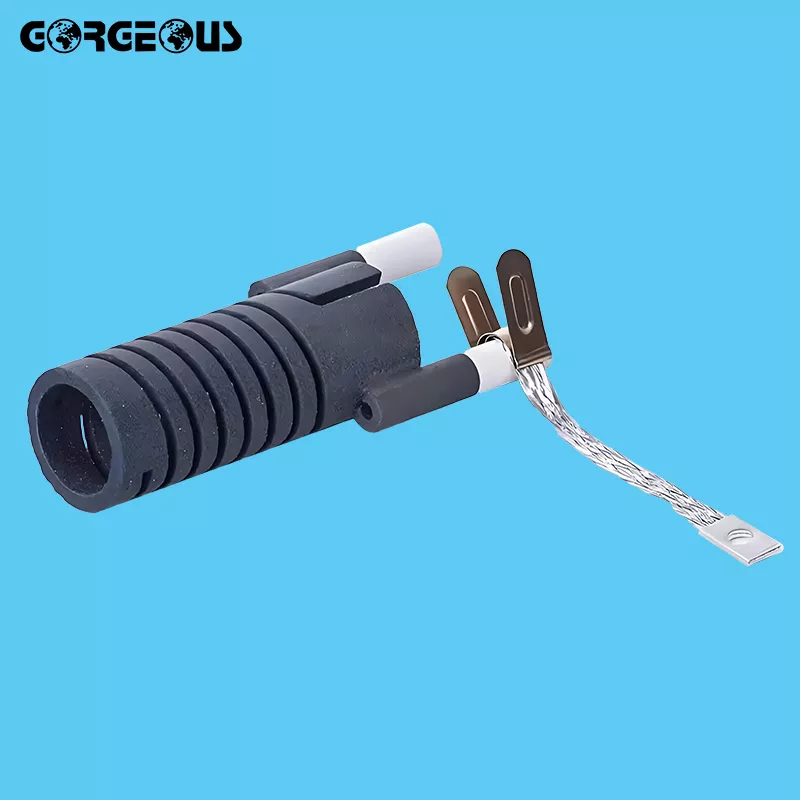

Related Cordierite Ceramics Catalogue and Quotation

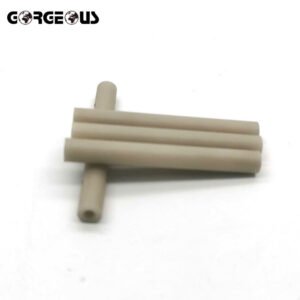





Cordierite Ceramics Advantages for Industrial Projects
Evaluate cordierite ceramic requirements through application-first thinking, drawing-led communication and project-specific confirmation.
Control Drawing Revisions
Start with the current drawing, revision and intended component function so quotation discussions address the right part definition before material, geometry or commercial details are confirmed.
Confirm Material Grade
Confirm the cordierite grade or material designation when known, while separating general reference properties from project-specific values that require technical and commercial confirmation.
Review Critical Geometry
Review tube, rod, ring, plate or custom geometry alongside critical dimensions, tolerances and assembly interfaces to identify which features control fit and function.
Discuss Process Route
Discuss forming, sintering and finishing expectations around the required geometry, recognizing that the suitable process route depends on grade, shape and acceptance requirements.
Define Functional Surfaces
Identify sealing, mating, mounting or contact surfaces explicitly; these interfaces may need different dimensional, finish or inspection attention than non-functional areas.
Align Inspection Evidence
Define inspection evidence, documentation and acceptance criteria with the inquiry, so reported results and approval records align with the individual project’s requirements.
Cordierite Ceramic Requirements for Industrial Projects
Explore cordierite material, performance, design and application considerations before defining a drawing-led quotation for your project requirements.
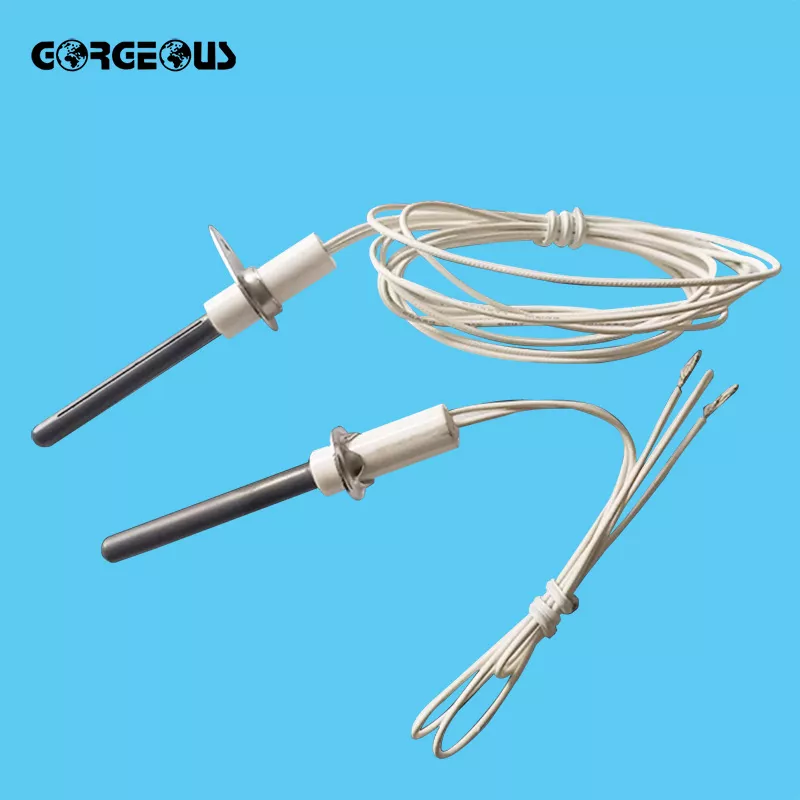
Cordierite Ceramics: Properties and Selection Guide
Review cordierite ceramics by thermal, mechanical, electrical and dimensional requirements. This guide helps procurement and engineering teams identify relevant operating conditions, component geometry, mating surfaces and acceptance criteria before requesting a project-specific recommendation or quotation.
Discuss Your Ceramic Part
Cordierite Ceramics: Grades and Compositions
Compare cordierite ceramic grades and compositions according to the intended application. Material designation, porosity, purity, additives and processing route can affect performance and availability, so the selected grade should be confirmed against the drawing, service conditions and required documentation.
Discuss Your Ceramic Part
Cordierite Ceramics: Thermal Performance
Assess cordierite ceramics for thermal cycling, temperature exposure and dimensional stability. Consider heating and cooling rates, thermal gradients, mounting constraints and contact conditions when defining tubes, supports, insulators or other components for a specific industrial assembly.
Discuss Your Ceramic Part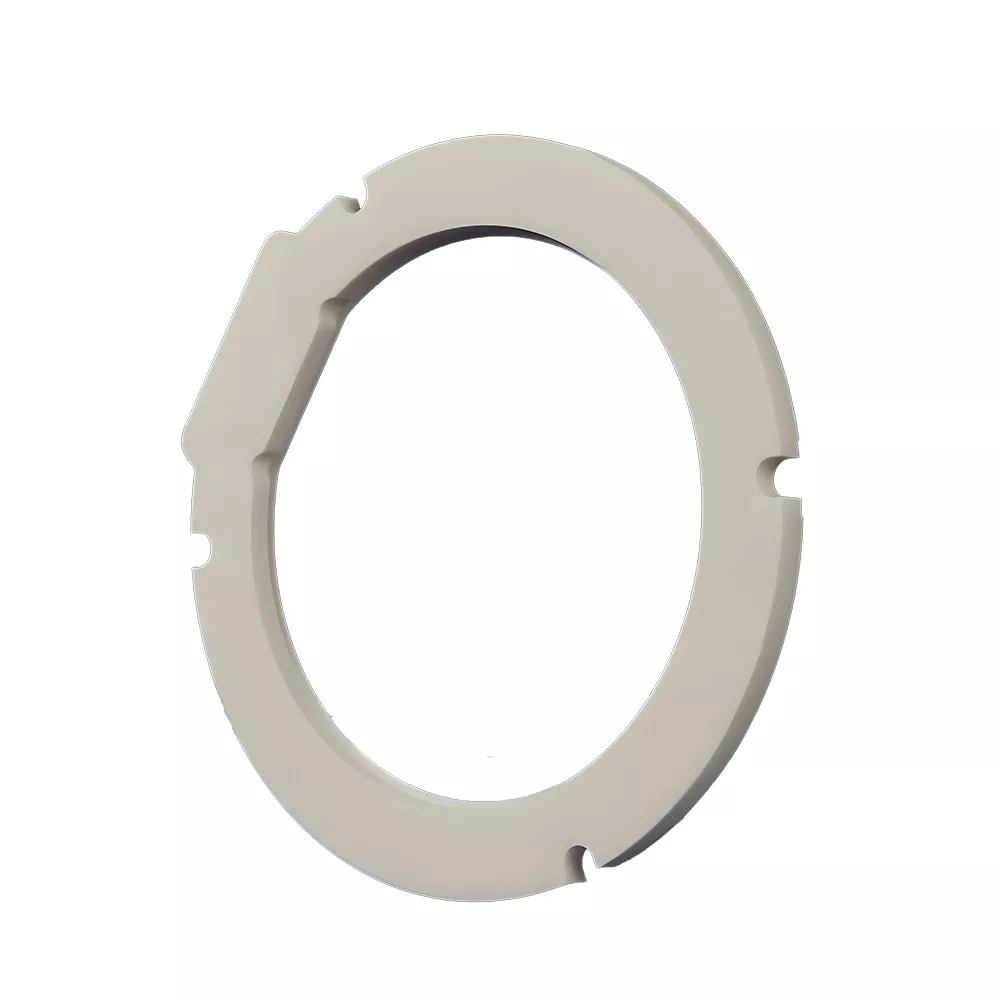
Cordierite Ceramics: Mechanical and Wear Performance
Evaluate cordierite ceramics for load, friction, abrasion and handling conditions. Mechanical and wear requirements depend on geometry, stress concentration, mating materials, surface finish and operating environment; these details should be reviewed before confirming a suitable grade or component design.
Discuss Your Ceramic Part
Cordierite Ceramics: Electrical and Insulation Performance
Consider cordierite ceramics where electrical insulation and thermal behavior must work together. Dielectric requirements, voltage, frequency, temperature, moisture exposure, creepage distances and surface condition should be defined alongside dimensions and inspection criteria for the proposed component.
Discuss Your Ceramic Part
Cordierite Ceramics: Machining and Design Guide
Plan cordierite ceramic machining and design with manufacturability in mind. Drawing details should identify critical dimensions, tolerances, holes, slots, edge conditions, surface finishes and reference datums, while allowing review of machining limits, shrinkage and inspection methods.
Discuss Your Ceramic Part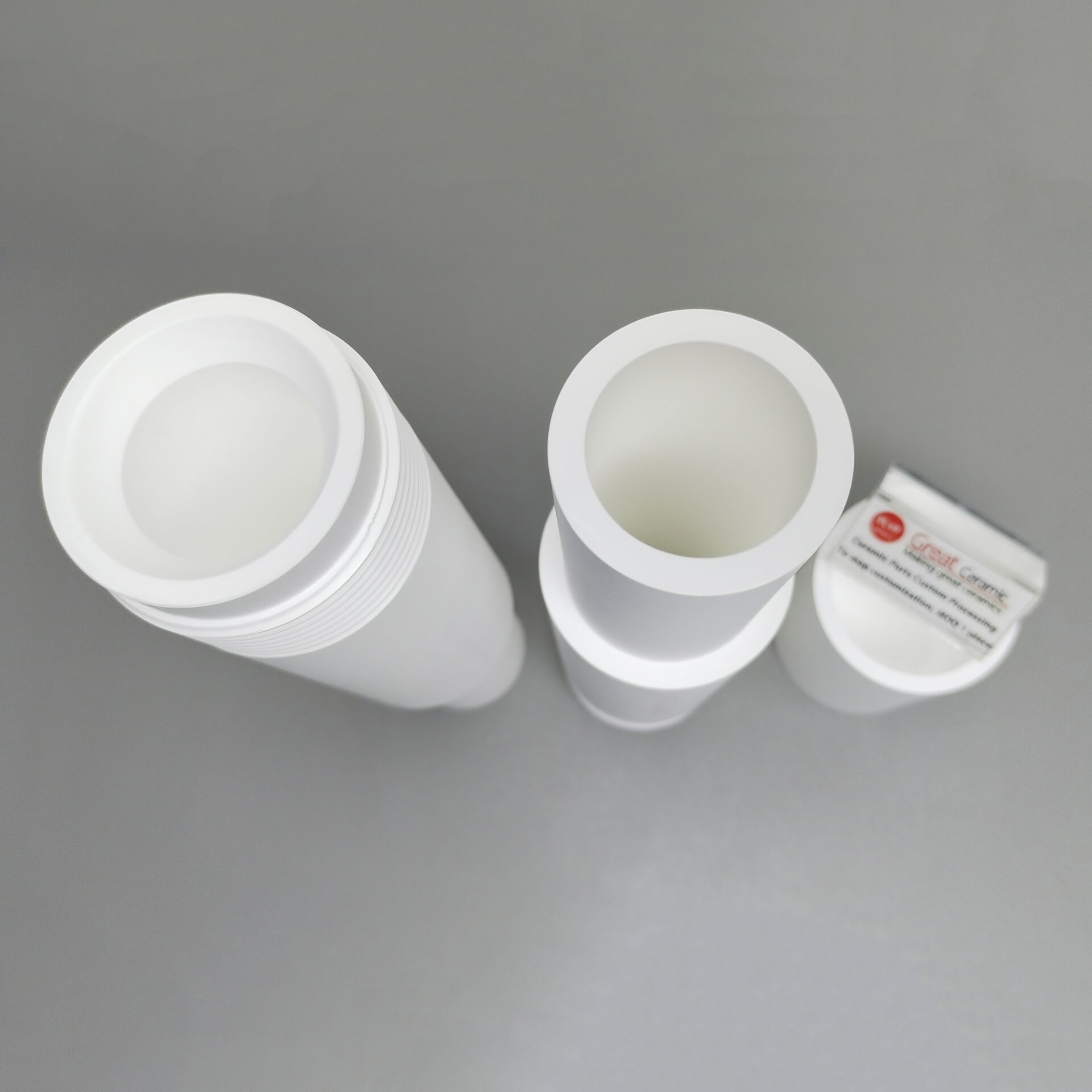
Cordierite Ceramics: Applications and Component Selection
Match cordierite ceramic components to the equipment task, such as thermal supports, electrical insulators, fixtures or custom formed parts. Share the current drawing revision, quantity, service conditions and acceptance criteria by email or WhatsApp to begin a focused quotation discussion.
Discuss Your Ceramic PartCordierite Ceramics and Related Technical Families
Alumina Ceramic
A widely specified oxide ceramic for electrical insulation, wear surfaces and structural parts. Dense alumina offers a hard, stable platform, while the required grade, finish and tolerance depend on service conditions.

Zirconia Ceramic
A toughened ceramic family considered for wear-resistant, insulating and precision components. Its suitability depends on stabilized grade, dimensions, surface requirements and the mechanical or thermal demands of the assembly.
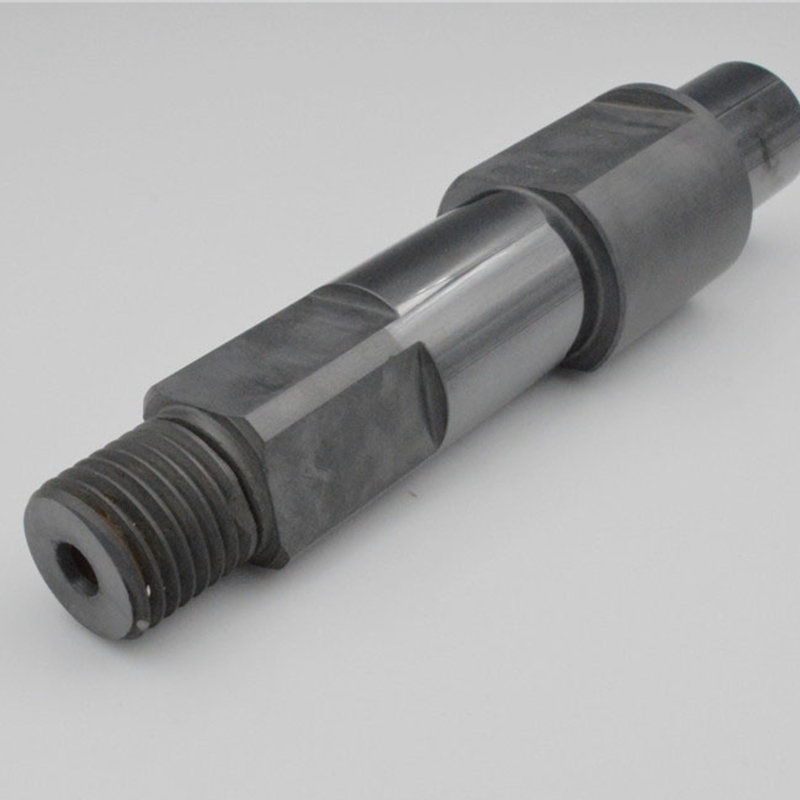
Silicon Carbide
A refractory ceramic family used where high-temperature exposure, wear or chemical resistance is important. Component design should account for geometry, surface finish, joining interfaces and the project’s inspection requirements.

Silicon Nitride
A technical ceramic considered for demanding mechanical and thermal applications, including parts exposed to repeated cycling. Grade selection, dimensional control, mating surfaces and acceptance criteria should be confirmed from the drawing.

Aluminum Nitride
An electrically insulating ceramic family considered where thermal management and component integration matter. Final selection depends on grade-specific properties, geometry, metallization or mating needs, and the equipment builder’s documentation requirements.
Cordierite Ceramics Manufacturing and Finishing Processes
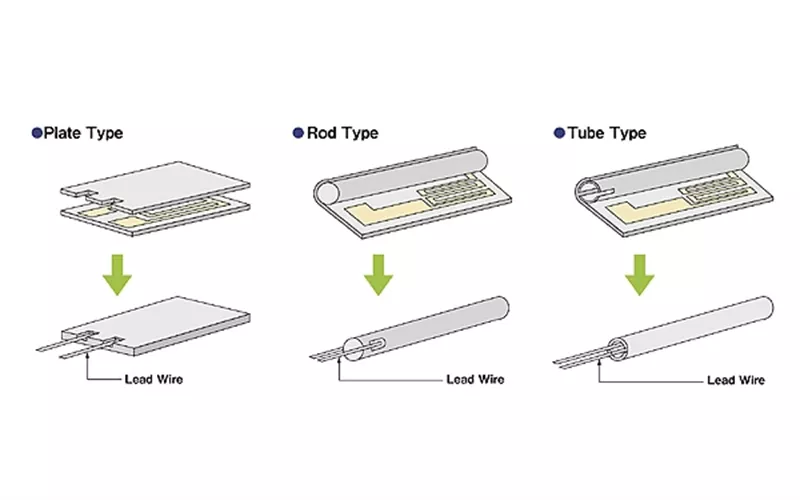
Powder Preparation
Raw material selection, proportioning and powder conditioning establish the foundation for cordierite ceramics. The suitable preparation route depends on the requested grade, geometry, forming method and project-specific performance requirements.

Forming and Shaping
Pressing, extrusion, casting or other forming methods can produce tubes, rods, plates, rings and custom geometries. The appropriate route depends on dimensions, wall sections, surface features, quantity and drawing requirements.

Sintering and Firing
Controlled firing develops the ceramic structure and final dimensions. Schedule, atmosphere, loading and shrinkage considerations must be evaluated against the selected material grade, geometry, dimensional tolerances and intended operating environment.

Precision Machining
Diamond-assisted machining can refine critical dimensions, mating surfaces, holes and edges after firing. Machining scope should be defined from the current drawing, including datums, tolerances, surface requirements and fit-critical features.
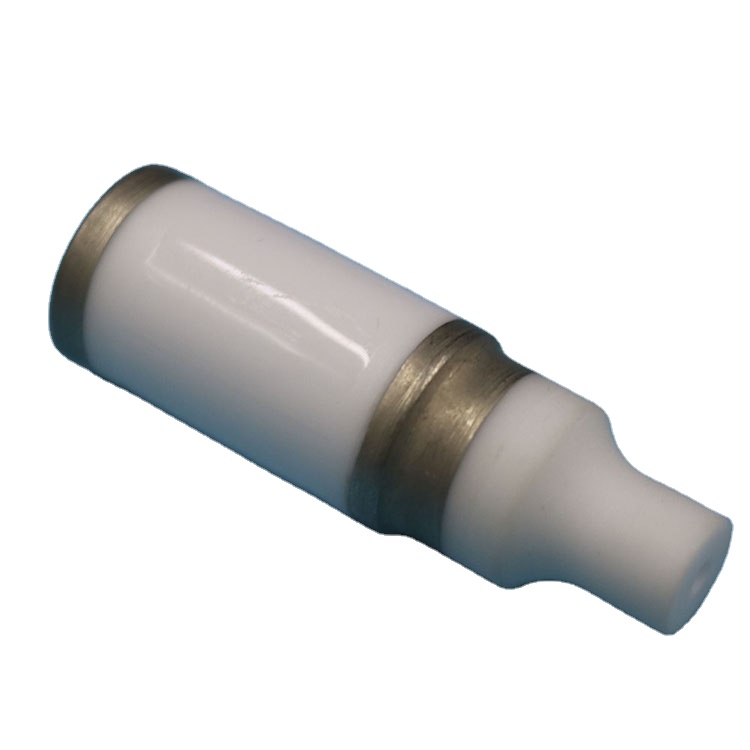
Inspection and Finishing
Final inspection may address dimensions, visual condition, surface quality, material identification and documentation. Acceptance criteria are agreed for the individual project so essential requirements remain distinct from optional preferences.
Component Accessories and Supporting Features
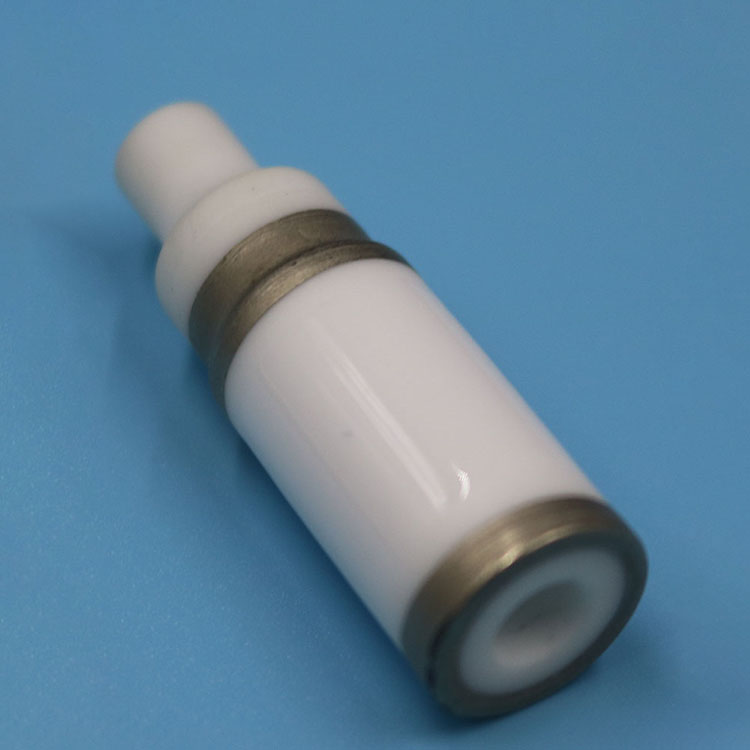
Mating Surface Details
Identify the ceramic surfaces that contact adjacent parts, including fits, clearances, flatness or surface-finish expectations. These details help Porcecore review assembly requirements and separate functional interfaces from non-critical surfaces.
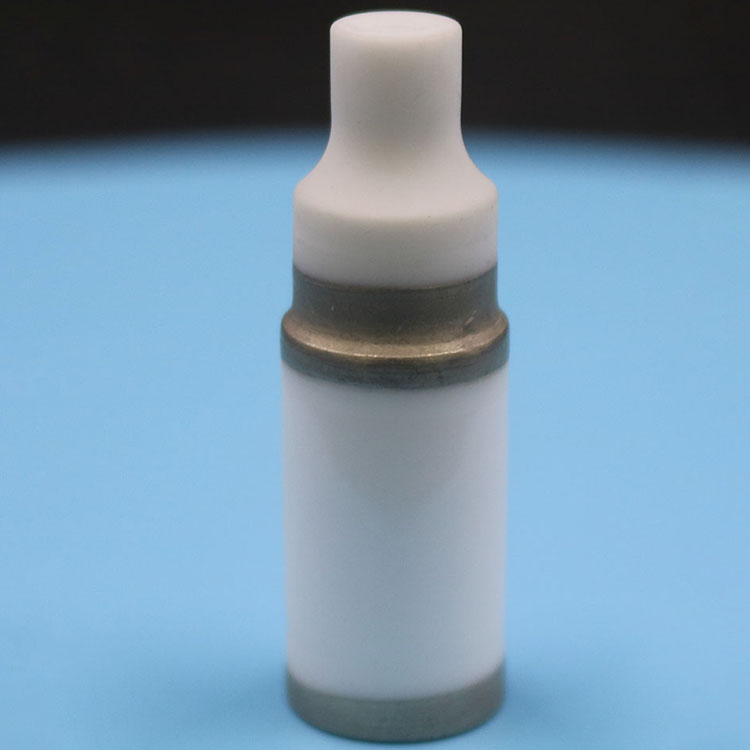
Edge and Corner Features
Chamfers, radii, slots and reliefs can influence handling, assembly and drawing interpretation. Specify where these features are required, along with dimensions or limits, so the proposed cordierite ceramics match the intended component geometry.
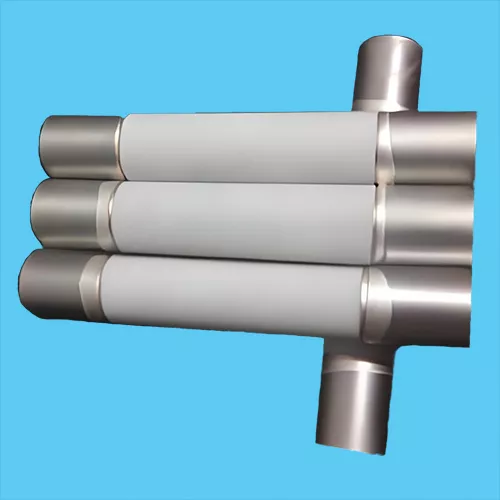
Mounting and Retention
Describe holes, grooves, shoulders, clips or other retention features used to position the ceramic part in equipment. Sharing the mating hardware and assembly method supports a more complete review of geometry and operating conditions.
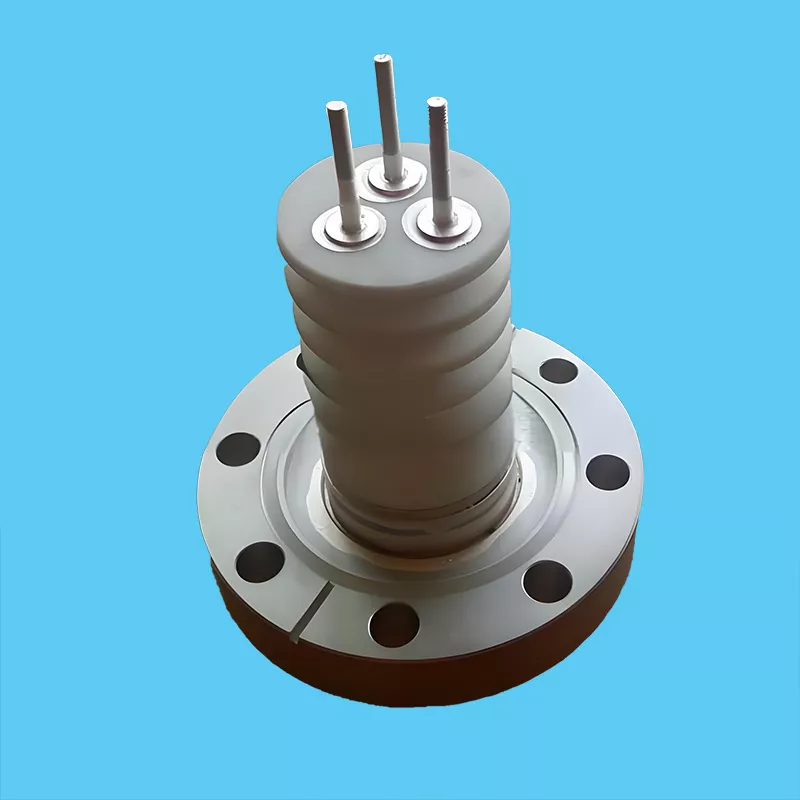
Surface Finishing Options
Grinding, cutting, coating or other secondary operations may be relevant for sealing, alignment, insulation or wear interfaces. Confirm which surfaces need finishing and which requirements are essential to part acceptance.
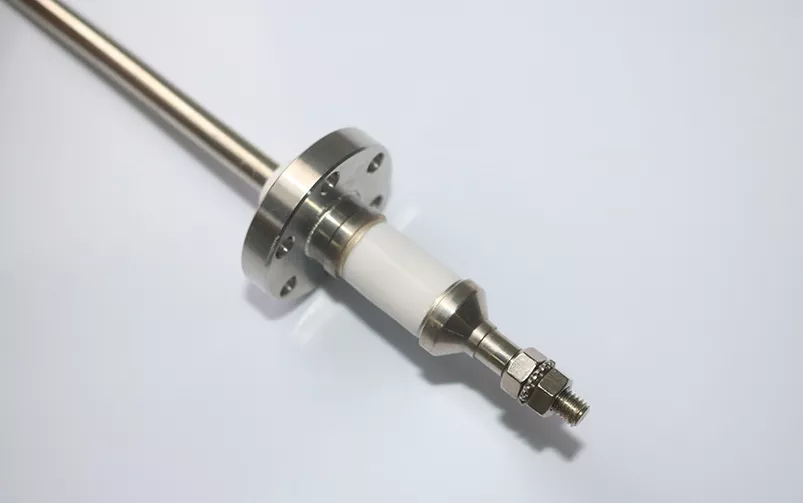
Inspection Documentation
Clarify the measurements, material identification, inspection records and acceptance criteria needed for project approval. A defined documentation package gives procurement and engineering teams a common basis for reviewing the quoted ceramic component.
About Porcecore: Cordierite Ceramics
Founded by Andy Yuan, Porcecore helps industrial buyers connect a ceramic material choice with the part requirement behind it. Our focus is not a material name in isolation, but the tube, rod, ring, substrate or other component, its geometry, operating environment, mating surfaces and inspection expectations.
Our work is guided by application-first thinking and drawing-led communication. For cordierite ceramics and other technical ceramic families, we help project teams turn an initial requirement into a clearer quotation discussion, identifying the grade, dimensions, tolerances, quantity, service conditions and acceptance criteria that still need confirmation.
Porcecore supports procurement teams, engineers, equipment builders and distributors seeking a more understandable sourcing conversation. Send a current drawing revision or describe the component and its operating environment, and we can help identify the next practical decision for your project.

Core Cordierite Ceramics Sourcing Capabilities
Start With the Part Requirement
Porcecore begins with the component and the job it must perform. Requirement review connects geometry, mating surfaces, operating conditions and inspection expectations, helping industrial buyers frame a cordierite ceramics inquiry around decisions that matter for the project.
- Review the component’s intended function
- Identify critical dimensions and mating surfaces
- Clarify operating and service conditions
- Separate essential requirements from preferences

Turn Drawings Into Clearer Inquiries
A current drawing gives the quotation discussion a concrete starting point. Porcecore uses drawing-led communication to clarify revisions, material designations, quantities and acceptance criteria before discussing a project-specific cordierite ceramics component.
- Submit the current drawing revision
- Identify known material designations
- State quantity and required documentation
- Highlight dimensions that affect assembly

Examine Material Selection Questions
Material names alone do not define a finished ceramic part. Porcecore helps organize the questions around grade, geometry and service conditions so buyers can assess whether cordierite ceramics fit the requirement and which details still need confirmation.
- Discuss the required ceramic family or grade
- Relate material choice to service conditions
- Review geometry and process-sensitive features
- Flag open technical questions early

Define Project Documentation Needs
A useful sourcing conversation includes the evidence needed for approval. Porcecore can discuss project-specific acceptance requirements, documentation expectations, dimensions, tolerances, delivery and commercial terms as part of confirming an individual cordierite ceramics order.
- Specify tolerances and acceptance criteria
- Identify inspection or approval documentation
- Confirm delivery expectations and commercial terms
- Keep quotation details distinct from agreed specifications

Our Cordierite Ceramics Sourcing Process
Compare a requirement-led sourcing approach with generic supplier conversations before you request a quotation.
← Swipe left or right to view →
Our Cordierite Ceramics Production Process
A structured path from component requirements and material review to coordinated production, inspection, packing and shipment planning.
Define Part Requirements
Share the drawing revision, geometry, mating surfaces, service conditions, quantity and acceptance criteria so the quotation starts with a clear component brief.
Review Material Fit
Review cordierite ceramics alongside project conditions, grade expectations and component function, distinguishing general material guidance from requirements needing confirmation.
Coordinate Production
Align the approved drawing, material designation, tolerances, finishing expectations and documentation needs before coordinating the project with suitable production resources.
Confirm Inspection
Organize inspection expectations around critical dimensions, interfaces and agreed acceptance criteria, with documentation requirements clarified for the individual project.
Prepare Shipment
Confirm packing, delivery details and commercial terms, then keep the approved component information connected through final shipment coordination.
How to Source cordierite ceramics
Move from a drawing or component description to a focused quotation discussion, technical review, and confirmed bulk-production requirements.
Send Your Requirement
Share the current drawing revision or describe the tube, rod, ring, substrate, or other component, including quantity and operating environment.
Define Critical Requirements
Identify material grade, geometry, mating surfaces, tolerances, inspection expectations, documentation needs, and acceptance criteria so the quotation reflects project priorities.
Review the Quotation
Discuss available grades, manufacturing considerations, open questions, pricing basis, lead-time assumptions, and whether sampling or technical review is appropriate for your application.
Confirm Production Requirements
Align the approved drawing, grade, quantities, quality records, delivery expectations, and commercial terms before confirming a repeatable bulk-production requirement together.
Cordierite Ceramics Certifications and Quality Documentation

Verified Evidence for cordierite ceramics
No verified customer testimonial or project case has been supplied for publication. Porcecore will add confirmed outcomes only after the customer, component, drawing revision, service conditions and acceptance criteria are approved for use.
Cordierite Ceramics FAQ
Practical answers for defining, qualifying and quoting cordierite ceramic components against your project requirements.
Can Porcecore quote cordierite ceramics for small quantities or trial orders?
What information is needed to estimate cordierite ceramics lead time?
How are sampling costs handled for cordierite ceramics?
Can Porcecore discuss payment and shipping terms before ordering?
How do we select a grade for cordierite ceramics?
What should a drawing for cordierite ceramics include?
How are tolerances and acceptance criteria agreed for cordierite ceramics?
How are packaging and intellectual property handled for a cordierite ceramics inquiry?
The Complete Buyer’s Guide to cordierite ceramics
Use this decision framework to match cordierite ceramics with thermal, electrical, and mechanical requirements, evaluate supplier capabilities, control customization costs, and avoid specification, quality, and sourcing mistakes.
1. What Are cordierite ceramics?
2MgO·2Al2O3·5SiO2 defines cordierite as a magnesium-aluminum-silicate technical ceramic, typically formed into a refractory crystalline matrix. Its low thermal expansion reduces dimensional change during heating and cooling, while the structure can tolerate thermal cycling better than many higher-expansion ceramics. Source: https://digitalfire.com/glossary/cordierite+ceramics
Low thermal conductivity and good electrical insulation make cordierite useful for kiln furniture, insulating parts, and catalyst substrates, but low strength, brittleness, porosity variation, and geometry-dependent shock performance limit designs under impact or heavy mechanical load. Source: https://www.preciseceramic.com/blog/an-introduction-to-cordierite-ceramic.html
Porcecore recommends shortlisting cordierite when low expansion, thermal-shock resistance, and insulation matter more than maximum mechanical strength. These are material-level tendencies, not supplier guarantees; grade, density, dimensions, tolerances, operating cycle, inspection criteria, and documentation require drawing-led confirmation.
2. Cordierite Ceramics: Evolution and History
1813 marks the reported discovery of natural cordierite, named for French geologist Louis Cordier; the mineral occurs in certain high-temperature rocks but is not abundant. Industrial use therefore shifted toward engineered compositions based on talc, kaolin and alumina, which provide more practical control over supply and forming. Source: https://www.preciseceramic.com/blog/an-introduction-to-cordierite-ceramic.html
1200–1400 °C is the typical firing range cited for developing the cordierite crystalline matrix, with chemistry, particle size, heating profile and soaking time affecting phase formation and thermal expansion. That processing evolution enabled kiln furniture, catalyst substrates, honeycomb filters and electrical-insulation parts. Sources: https://digitalfire.com/glossary/cordierite+ceramics and https://www.preciseceramic.com/blog/an-introduction-to-cordierite-ceramic.html
Today, manufacturing control matters more than geological origin. For a precision component, buyers should evaluate the confirmed grade, geometry, mating surfaces, porosity or density targets, dimensional tolerances, thermal-cycle conditions and inspection records—not assume that the word cordierite alone defines performance.
3. Types of cordierite ceramics
Cordierite ceramics are supplied as dense, porous, refractory, and machined forms. The right form depends on heat-flow demands, load, geometry, porosity, and repeated thermal cycling—not material name alone.
| Form | Primary Fit | Main Trade-Off |
|---|---|---|
| Dense plate, tube, ring | Insulation and structural support | Higher mass; slower temperature equalization |
| Porous or honeycomb | Filtration and catalyst support | Lower strength; porosity must be controlled |
| Kiln furniture | Repeated firing and thermal cycling | Span, thickness, and loading limit geometry |
Dense Structural Parts

Dense plates, tubes, rings, and supports favor strength, insulation, and dimensional stability, but thicker sections may heat unevenly.
Confirm density, flexural strength, wall thickness, mating tolerances, and the number and severity of thermal cycles.
Porous And Honeycomb Forms

Porous filters and honeycomb substrates provide high surface area and lower mass, while sacrificing strength and increasing sensitivity to handling damage.
Ask for open porosity, bulk density, cell geometry, pressure-drop limits, and thermal-shock test conditions. Source: https://www.preciseceramic.com/blog/an-introduction-to-cordierite-ceramic.html
Kiln Furniture And Machined Parts
Kiln shelves, setters, trays, and custom-machined components suit repeated heating, but unsupported spans, sharp corners, and thin walls constrain design.
Review sag resistance, flatness, edge treatment, machining allowance, and loading during thermal cycling.
4. Materials and formulations for cordierite ceramics
Talc, kaolin, alumina, and silica-bearing materials establish the chemistry from which cordierite ceramics develop during firing. Formulation control must connect powder quality and firing history with the required porosity and thermal response.
Raw Material Roles
Talc supplies magnesium-bearing chemistry; kaolin contributes alumina and silica; alumina corrects composition. Finer, consistent particles generally improve reaction uniformity.
Pre-reacted cordierite powder can reduce phase-development demand, while recycled material requires verified chemistry and contamination limits before reuse.
Processing And Phase Development
A controlled formulation, mixing sequence, and firing profile determine whether a continuous cordierite matrix develops rather than isolated crystals. The 1200–1400°C range is reported for crystal formation, but the approved schedule remains grade-specific.
Binders, plasticizers, lubricants, and water support forming; excess organics or uneven drying can increase defects and porosity.
Selection Tradeoffs
Powder traceability, particle-size distribution, phase analysis, and contamination checks should accompany the drawing and acceptance criteria. Porosity must match the component’s function, not a generic material label.
| Choice | Expected property | Primary risk | Suitable application |
|---|---|---|---|
| Talc–kaolin–alumina | Reactive, tunable matrix | Batch variation | General refractory parts |
| Pre-reacted cordierite | Lower firing reaction demand | Residual contamination | Thermal-cycle components |
| Porous formulation | Lower density, filtration | Reduced strength | Filters and catalyst carriers |
5. Customization and decoration options
Three customization routes cover most cordierite ceramics inquiries: molded geometry, post-fired machining, and engineered apertures or interfaces. Specify service temperature, mating dimensions, tolerances, finish, markings, and acceptance criteria together; decorative glazing can craze because cordierite’s low expansion complicates glaze matching (https://vhandy.com/wp-content/uploads/2023/09/Cordierite-Ceramics-Engineering-Properties.pdf).
Geometry And Features

A drawing can define molded ribs, rings, tubes, slots, apertures, counterbores, and assembly interfaces. Machining is suited to critical holes, fits, and sealing faces, but adds handling and breakage risk.
Surface finish, edge condition, flatness, and datum references should be explicit rather than inferred from a product image.
Markings And Treatments
Markings may use engraving, ink, or fired identification, subject to temperature and cleanliness limits. Coatings or glazing require compatibility review for thermal cycling, contamination, and electrical behavior.
For high-temperature service, uncoated cordierite is often the safer starting specification; approve any treatment through application testing.
Method Comparison
The main cost drivers are tooling, machining time, inspection complexity, and validation of the finished interface.
| Method | Precision | Tooling Impact | Validation | Cost Driver |
|---|---|---|---|---|
| Molded | Moderate | High upfront | Dimensional sampling | Tool amortization |
| Machined | High locally | Low tooling | Fit and finish checks | Machine time |
| Apertures/interfaces | Drawing-dependent | Moderate | Assembly trial | Breakage and inspection |
6. Key construction quality elements
12 quality attributes can determine whether cordierite ceramics assemble correctly and survive service. A procurement specification should define acceptance limits, test methods, records, and thermal-cycle validation for the actual part.
Dimensional And Surface Control
Tolerances should cover overall dimensions, mating surfaces, wall thickness, warpage, and flatness. Define permissible cracks, chips, edge damage, and surface-finish limits by drawing feature and inspection method.
Material And Electrical Properties
Density, open porosity, thermal expansion, dielectric behavior, and strength require grade-specific limits and stated test methods. Require batch consistency evidence, including representative sampling and comparison with approved reference data.
Validation And Traceability
Inspection records should identify lot, revision, equipment, operator, and test results. Specify protective packaging, moisture and impact controls, marking, and a documented thermal-cycle validation using the intended heating and cooling profile.
7. How to choose a cordierite ceramics manufacturer
Three checks should anchor a cordierite ceramics supplier review: can the manufacturer interpret the drawing, control the process, and document conformity? Compare evidence tied to your part, not generic capability statements or another supplier’s certifications.
Review Technical Fit
A current drawing revision should trigger questions about geometry, mating surfaces, tolerances, material grade, service conditions, and acceptance criteria. Ask how the supplier will review forming, firing, shrinkage, and thermal requirements before quotation.
Request a sample-approval plan that defines inspection points, test records, and sign-off authority.
- Which cordierite grade and forming route fit this geometry?
- What tooling is required, who owns it, and how is it maintained?
- Which dimensions receive capability or 100% inspection?
Verify Production Control
One documented process route should connect powder preparation, forming, firing, finishing, inspection, packaging, and realistic lead times. Verify equipment, inspection instruments, available capacity, batch traceability, change control, and nonconformance handling using part-specific records.
Ask for evidence from a comparable component, without assuming another customer’s process or certification applies to Porcecore.
- What is the normal sample and production lead time?
- How are material, tooling, drawing, and process changes approved?
- What inspection equipment and calibration records are available?
Compare Commercial Discipline
Three documents should align before release: the approved drawing, quotation, and inspection or packing specification. Confirm documentation, labeling, protective packaging, shipment responsibility, communication contacts, and escalation timing.
Porcecore presents material families as inquiry starting points; grade, dimensions, delivery, documentation, and commercial terms require project confirmation.
- Can the supplier provide a first-article report and packing photos?
- What triggers a revised quotation or lead time?
- Which claims can be verified in writing for this order?
8. Common cordierite ceramics buying mistakes
Service conditions, geometry, inspection, testing, and logistics all affect whether cordierite ceramics perform as intended. Treat each requirement as part of the specification, not as a purchasing afterthought.
Define Service Conditions
Temperature cycling, load, atmosphere, mounting, and heating rate should accompany the material request. Low expansion supports thermal stability, but it does not guarantee immunity from every thermal shock.
Corrective action: provide operating temperatures, cycle frequency, mechanical loads, and failure consequences for grade and geometry review.
Control Geometry And Quality
Porosity, density, strength, tolerances, and mating surfaces can trade off against one another; a filter body and an insulating support need different priorities.
Corrective action: approve a drawing with critical dimensions, surface requirements, sampling, test methods, and acceptance limits rather than accepting vague inspection language.
Validate Total Supply Risk
A low unit price can conceal machining variation, rejected assemblies, or inadequate packaging for fragile ceramic parts. Skipping prototypes also leaves fit and thermal-cycle behavior unverified.
Corrective action: test representative prototypes, compare total landed cost, and specify protective packaging, labeling, and damage reporting before production release.
9. Steps to launch your cordierite ceramics program
Five decisions move cordierite ceramics from inquiry to production: define the application, review the drawing, qualify samples, approve the part, and control each batch. Record the evidence at every gate.
Define And Review
1. Record temperature, cycling, atmosphere, electrical load, mating surfaces, quantity, and acceptance criteria. Attach the current drawing revision and mark critical dimensions.
2. Decide whether the part is standard, modified, or custom before quotation.
Select And Pilot
3. Compare grades by expansion, insulation, strength, porosity, and geometry; shortlist suppliers that explain tooling, sample timing, and inspection records.
4. Approve prototype tooling, sample quantity, and fit-check method in writing.
Validate And Control
5. First-article inspection must reconcile dimensions, material, surfaces, and documents with the drawing; run agreed thermal-cycle or dielectric tests.
6. Release production after engineering and procurement sign-off, then define batch traceability, change notification, and retained samples. Distributors and equipment builders should package trial criteria for their customers.
10. Cordierite ceramics pricing and cost
1 drawing revision should anchor a cordierite ceramics quotation. Material formulation, geometry, volume, forming method, machining allowance, firing yield, inspection level, packaging, and freight can each change the delivered cost.
10 quotation inputs should be confirmed before comparison: tooling or setup, qualification samples, acceptance criteria, documentation, and delivery destination. The indicative figures below are placeholders, not Porcecore prices; confirm grade, dimensions, tolerances, inspection, packaging, freight, and schedule for each project.
| Quantity Tier | Tooling or Setup Cost | Indicative Unit-Price Placeholder | Lead-Time Range | Assumptions to Confirm |
|---|---|---|---|---|
| Prototype: 1–10 | [Quote required] | [Price per unit] | 4–8 weeks | Custom forming, sample inspection, qualification scope |
| Pilot: 11–100 | [Quote required] | [Price per unit] | 6–10 weeks | Tool reuse, machining, firing yield, documentation |
| Production: 101–1,000 | [Quote required] | [Price per unit] | 8–14 weeks | Volume forecast, packaging, freight, acceptance criteria |
| Repeat: 1,000+ | [Quote required] | [Price per unit] | Confirm schedule | Framework volume, replenishment frequency, inspection plan |
Discuss Your Cordierite Ceramic Part
Send your drawing, quantity, service conditions and acceptance criteria to start a clearer cordierite ceramics quotation discussion.