
Technical Ceramic Components for Your Next Project
Explore material families, component forms and drawing-led manufacturing routes for B2B technical ceramic inquiries. Porcecore helps buyers organize application conditions, geometry, evidence and commercial scope before comparing quotations.
Technical Ceramic Component Forms
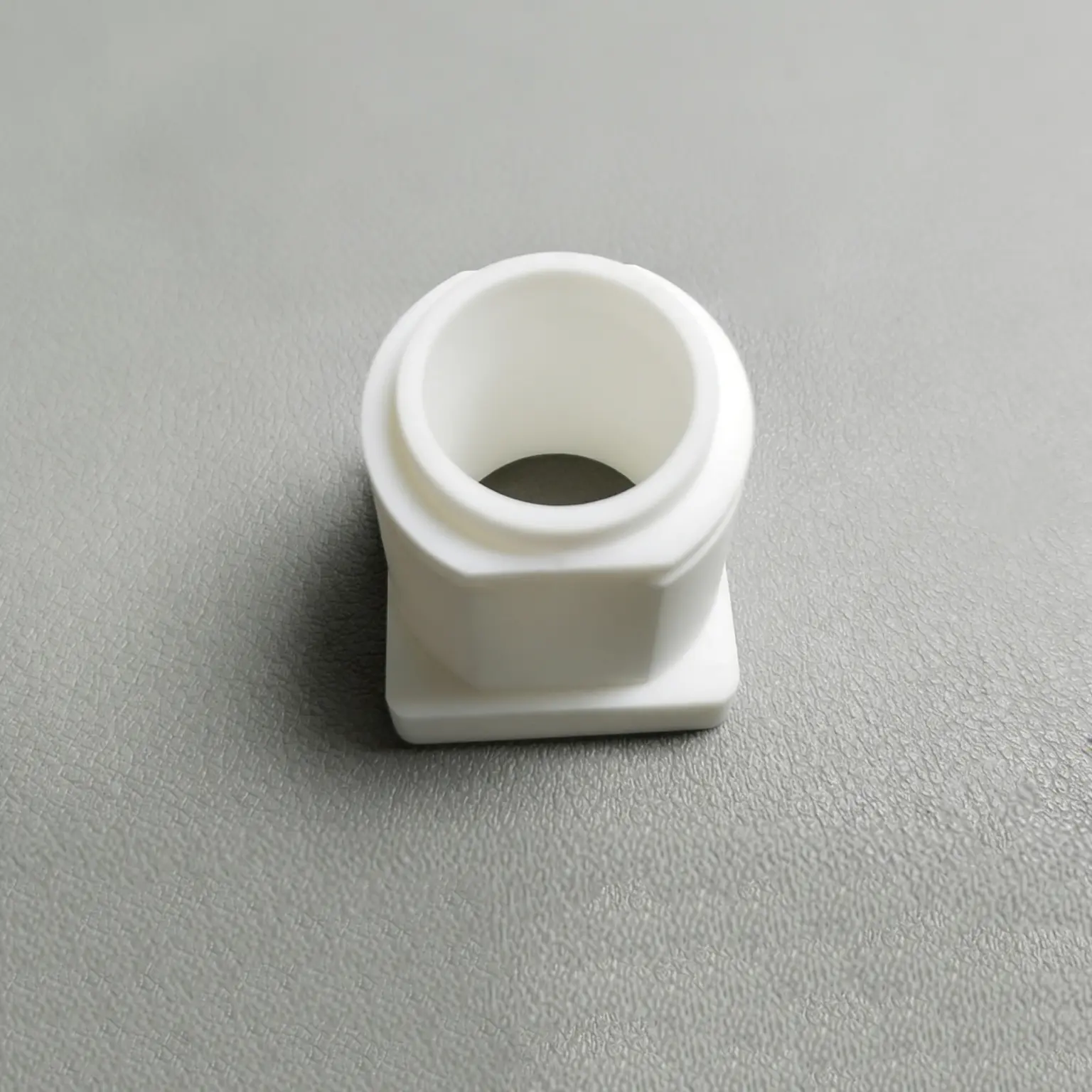
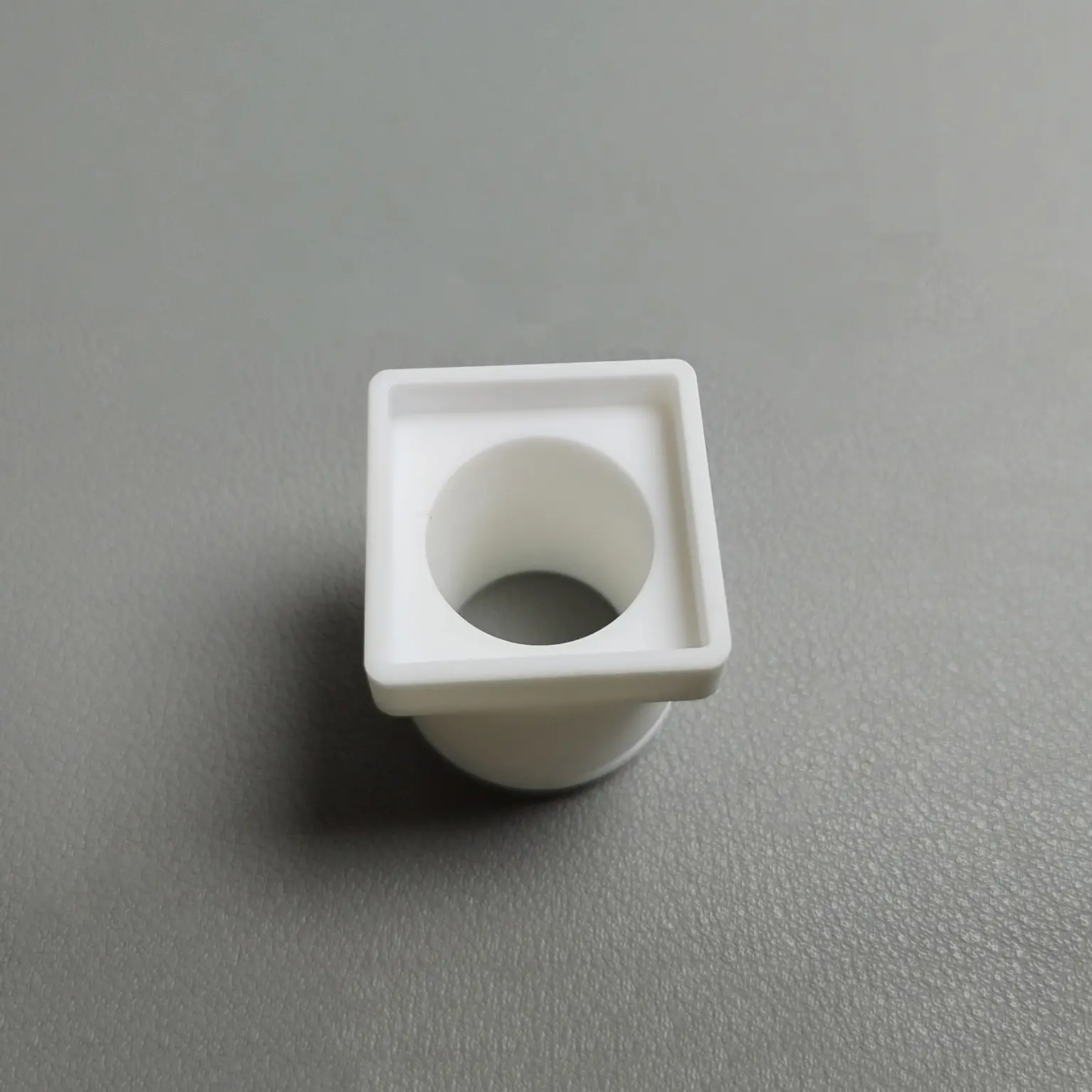
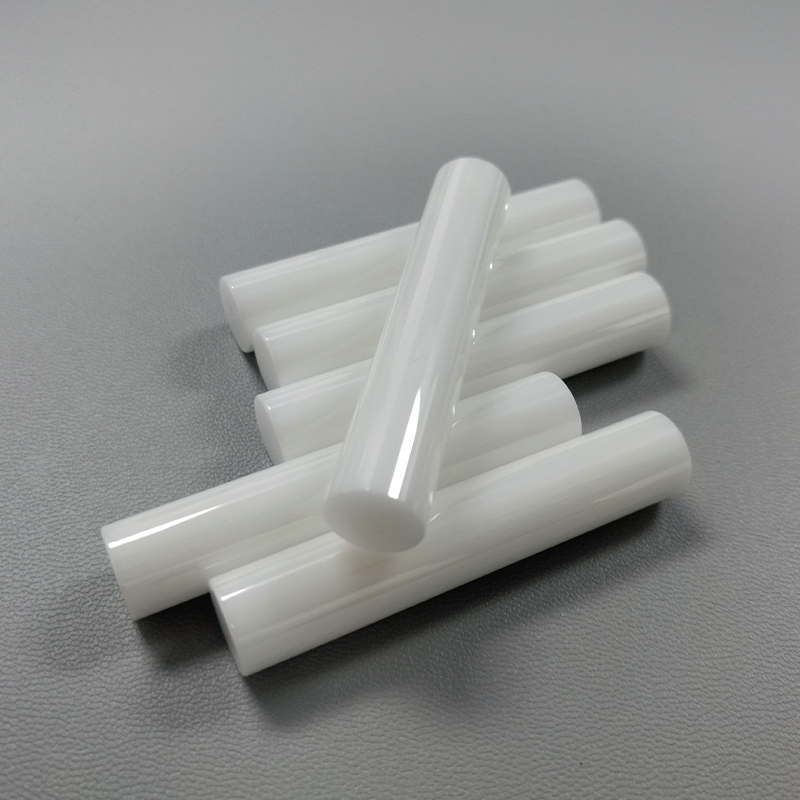
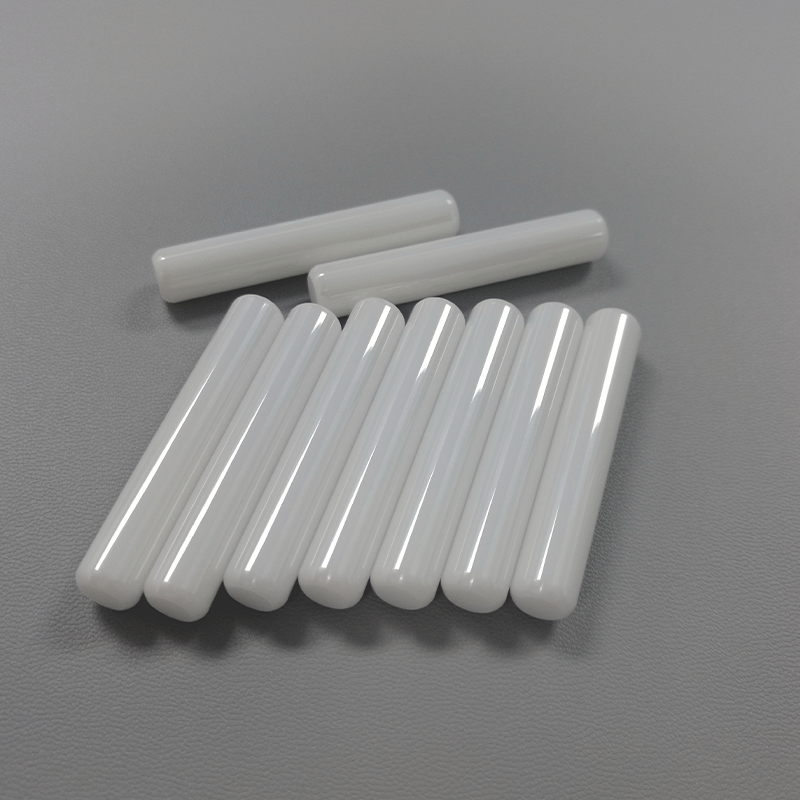
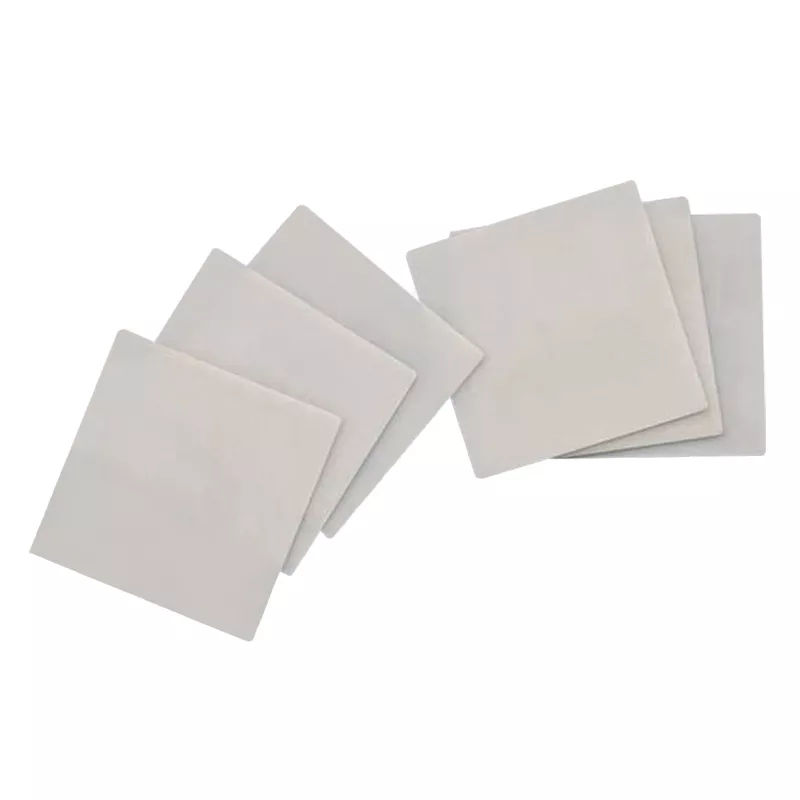
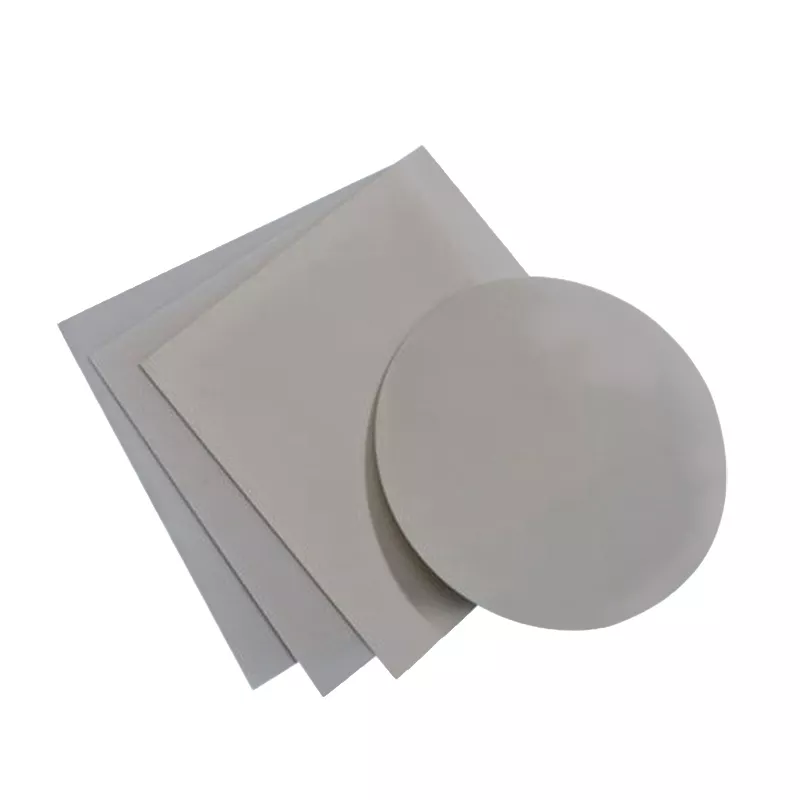
Explore Porcecore Technical Ceramic Products
Browse the first published product examples in quote mode. Each product page explains the drawing, material, geometry, evidence and commercial inputs needed for a project-specific inquiry; prices and stock claims are intentionally not shown.



Six Inputs That Make a Ceramic RFQ Comparable
Each point closes a different technical or purchasing gap. Together they create a clearer basis for feasibility review and quotation.
Application First
Define the component’s job, operating environment, contact conditions and failure concerns before treating any material family as the answer.
Drawing Controlled
Use one drawing revision, clear datums and identified functional surfaces so every quotation addresses the same delivered component.
Material Specific
Separate a broad ceramic family from the exact grade, composition, property evidence and service conditions required for the project.
Inspection Planned
Name the critical characteristics, measurement basis and documents needed for receiving review before the order is placed.
Alternatives Visible
Record proposed material, geometry or process changes as alternatives that require buyer review rather than silent substitutions.
Commercial Scope Aligned
Compare quantity, delivery state, packaging, destination and requested timing together with the technical definition.
Browse All 19 Porcecore Parent Hubs
Every card below is a parent page in the approved Porcecore production architecture. Planned routes will become public as the parent-first batch is released.
Ceramic Manufacturing Capabilities
Review forming, machining, joining, finishing and inspection routes used to turn a controlled ceramic requirement into an order-ready component specification.
Explore This HubCeramic Solutions by Industry
Start from operating conditions, assembly risks and qualification needs that differ across semiconductor, energy, medical, aerospace and industrial equipment programs.
Explore This HubAdvanced Ceramic Materials
Compare oxide, nitride, carbide and specialty ceramic families through the properties and component conditions that actually influence selection.
Explore This HubTechnical Ceramic Products
Browse component-form landing pages for tubes, rods, substrates, seals, heaters, wear parts, electronic parts and drawing-defined geometries.
Explore This HubTechnical Ceramic Resources
Use practical engineering and procurement guides to prepare drawings, specify evidence, compare quotations and reduce ambiguity before ordering.
Explore This HubAlumina Ceramics
Alumina Ceramics organizes grade, property, design, machining and application questions into a focused route for engineering review and quotation.
Explore This HubZirconia Ceramics
Zirconia Ceramics organizes grade, property, design, machining and application questions into a focused route for engineering review and quotation.
Explore This HubAluminum Nitride Ceramics
Aluminum Nitride Ceramics organizes grade, property, design, machining and application questions into a focused route for engineering review and quotation.
Explore This HubSilicon Carbide Ceramics
Silicon Carbide Ceramics organizes grade, property, design, machining and application questions into a focused route for engineering review and quotation.
Explore This HubSilicon Nitride Ceramics
Silicon Nitride Ceramics organizes grade, property, design, machining and application questions into a focused route for engineering review and quotation.
Explore This HubBoron Nitride Ceramics
Boron Nitride Ceramics organizes grade, property, design, machining and application questions into a focused route for engineering review and quotation.
Explore This HubBoron Carbide Ceramics
Boron Carbide Ceramics organizes grade, property, design, machining and application questions into a focused route for engineering review and quotation.
Explore This HubBeryllium Oxide Ceramics
Beryllium Oxide Ceramics organizes grade, property, design, machining and application questions into a focused route for engineering review and quotation.
Explore This HubMachinable Glass Ceramics
Machinable Glass Ceramics organizes grade, property, design, machining and application questions into a focused route for engineering review and quotation.
Explore This HubQuartz Ceramics
Quartz Ceramics organizes grade, property, design, machining and application questions into a focused route for engineering review and quotation.
Explore This HubCordierite Ceramics
Cordierite Ceramics organizes grade, property, design, machining and application questions into a focused route for engineering review and quotation.
Explore This HubSteatite Ceramics
Steatite Ceramics organizes grade, property, design, machining and application questions into a focused route for engineering review and quotation.
Explore This HubPorous Ceramics
Porous Ceramics organizes grade, property, design, machining and application questions into a focused route for engineering review and quotation.
Explore This HubToughened Ceramic Composites
Toughened Ceramic Composites organizes grade, property, design, machining and application questions into a focused route for engineering review and quotation.
Explore This HubSix Core Material Routes for Initial Comparison
Connect the Required Result to a Feasible Process Route
Plan the Interfaces Around the Ceramic Part
Start with the Part. Make the Requirements Clear.
Porcecore is a B2B technical ceramics brand founded by Andy Yuan. It is being developed as a structured route for international buyers to move from a material or component search into a controlled engineering and procurement discussion.
The public content is application-first and drawing-led. Material families, product forms, capabilities and buyer resources are separated into distinct page families so engineering, quality and procurement teams can find the level of detail relevant to their decision.
Facility metrics, universal tolerances, certification status, MOQ and delivery promises are not invented. Where evidence is not yet available, the page defines what should be supplied or verified before a claim or order requirement is treated as established.
For a useful inquiry, send the current drawing revision, application conditions, quantity, required delivery state and evidence needs. Porcecore can then organize the open questions around one identifiable component scope.
Build a Requirement That Survives Supplier Comparison
Start with the assembly, not a catalogue image
Explain where the ceramic part sits, what it touches and what changes during operation. Include mating materials, start-up and shutdown conditions, cleaning exposure and consequences of failure. This allows the inquiry to distinguish essential performance requirements from preferences that can remain open during technical review.
- Identify mating surfaces and constraints
- Describe steady and transient conditions
- State what a successful part must prevent or enable
Turn the drawing into a quotation control
Use one revision as the governing definition. Mark datums, functional dimensions, surface requirements and the relationship between 2D and 3D files. If a sample or photograph is supplied, identify it as supporting context rather than allowing it to override the controlled geometry.
- One governing revision
- Functional features clearly marked
- Supporting files labeled by purpose
Request evidence that answers a decision
Material identification, dimensional results and application qualification are different forms of evidence. Decide which question each document must answer, which features require recorded inspection and whether a test value is typical guidance or an order acceptance limit.
- Material and grade evidence
- Critical dimensional records
- Separate application qualification
Compare the complete supply boundary
A lower price can reflect a different material, unfinished geometry, excluded report, different packaging or an unconfirmed delivery assumption. Align the delivered condition, quantity, evidence, destination and requested date before comparing commercial offers.
- Delivered state and exclusions
- Order quantity and evaluation quantity
- Packaging, destination and timing
Specification-Led ceramic sourcing vs. Image-Led Buying
The comparison is about purchasing method, not an unsupported claim about another supplier.
← Swipe left or right to view →
A Six-Phase RFQ and Approval Workflow
The sequence keeps technical decisions, evidence and commercial scope connected from first inquiry to repeat purchasing.
Submit the Controlled Brief
Provide the drawing revision, application summary, material basis, requested quantity and intended delivery state.
Resolve Technical Questions
Clarify critical features, operating conditions, open selections, acceptable alternatives and missing information.
Review the Proposed Scope
Compare the material, process assumptions, inspection basis, exclusions, packaging and commercial conditions together.
Evaluate the Agreed Definition
Use controlled requirements for any sample or first-article review and record deviations or proposed changes.
Confirm Production Inputs
Approve the governing revision, order quantity, evidence package, destination and applicable commercial terms.
Receive and Preserve Records
Review supplied parts and documents against the agreement and retain the approved basis for repeat procurement.
Move from Inquiry to a Controlled Order Basis
Five practical steps keep engineering, quality and procurement decisions aligned.
Send the governing files
Provide the current drawing, supporting model, application summary, quantity and destination. Label reference-only files so they cannot be mistaken for the controlled requirement.
Mark fixed and open requirements
Identify material, dimensions, surfaces, documentation and dates that are mandatory, then list the points where recommendations or alternatives are welcome.
Review one quotation basis
Check proposed material, delivery state, inspection, exclusions and commercial terms as one package. Resolve conflicting assumptions before comparing offers.
Approve changes explicitly
Record accepted alternatives and drawing revisions. A changed material, tolerance or finish should never enter the order only through an informal message.
Preserve the repeat-order definition
After evaluation, retain the approved revision and evidence basis so future orders do not rely on photographs, memory or an uncontrolled sample.
Request Documents by Decision Purpose
Connect the proposed grade to the order scope and identify the document used to support material review.
List critical characteristics, drawing references and the measurement record required for receiving acceptance.
Where a property controls the design, agree the value, test conditions, method and reporting basis before ordering.
Define appropriate lot, batch or part identification and how it should appear on records and packaging.
Specify surface protection, separation, labeling and handling needed for fragile geometries or controlled faces.
Record any customer, industry or regulatory document that remains to be supplied or verified before public claims or order approval.
Questions a Procurement Team Should Be Able to Answer
Can engineering identify the exact drawing revision, material basis and functional features behind the quoted scope?
Can quality identify which dimensions, documents and test results are required for receiving acceptance?
Can procurement compare delivered condition, quantity, packaging, destination, exclusions and requested timing on the same basis?
Technical Ceramic Sourcing FAQs
Answers define a useful inquiry boundary without inventing universal grades, tolerances, MOQ or delivery promises.
What ceramic categories can Porcecore discuss?
Can I request a custom drawing-defined part?
Are the website product images standard stock items?
What should I send with an RFQ?
Does Porcecore publish one universal MOQ?
How are tolerances handled?
Can alternative materials be proposed?
What evidence should be requested?
Technical Ceramic Components: Complete Buyer’s Guide
A detailed framework for engineering, quality and procurement teams preparing a technically controlled and commercially comparable ceramic component inquiry. Use it to align application context, drawings, material decisions, inspection evidence, quotation scope and repeat-order control before approval. Assign an owner to every unresolved point and record where final approval will be preserved. Before release, review the complete package from the perspectives of engineering, quality, procurement and the person responsible for accepting the delivered component. Record every unresolved exception, its owner, due date and approval location before purchasing proceeds.
1. Begin with the component’s job
A technical ceramic inquiry should begin with the part’s role in the assembly, not with a material label or a photograph. Explain whether the component locates, seals, guides, insulates, transfers heat, resists wear, contains a fluid, supports a sensor or protects another element. Identify the mating parts and the surfaces through which load, heat, current or motion passes. This context helps separate requirements that determine success from preferences that can remain open during review.
Include normal operation and meaningful transients. Start-up, shutdown, cleaning, thermal cycling, vibration and accidental contact can create different demands from a steady nominal condition. State the consequence of failure and the expected evaluation method. A supplier cannot responsibly convert a broad phrase such as “high temperature” or “wear resistant” into an approved component specification without knowing the actual environment and decision criteria.
Write the answer in the RFQ so every reviewer starts from the same application context.
2. Establish one controlled drawing basis
Identify the drawing number and revision that governs the quotation. Include units, datum references, general notes and every external standard that forms part of the requirement. If a 3D model accompanies the drawing, state whether it is authoritative for geometry and how conflicts between files should be resolved. Mark older drawings, photographs and physical samples as reference information so they cannot silently replace the current definition.
Functional features deserve context. Explain which bore locates a shaft, which face controls seating, which surface contacts a seal and which dimensions merely define clearance. This lets engineering review focus on what matters and makes proposed alternatives easier to evaluate. A controlled drawing basis also protects later repeat orders: the accepted component can be traced to an explicit revision rather than to memory, appearance or an undocumented sample.
Add a short revision register when several files are needed to explain the component.
3. Separate material family from grade
Names such as alumina, zirconia, aluminum nitride and silicon carbide describe families that contain multiple compositions, purities, additives and processing histories. If the project requires an exact grade, provide the designation and the governing property or customer specification. If material selection is open, state the service conditions and mandatory performance boundaries instead of treating the family name as a complete order description.
Ask which data belongs to the proposed grade and under what test conditions it was produced. Typical catalogue values can help shortlist options, but they should not automatically become acceptance limits for every lot or finished geometry. When an alternative is proposed, document the change, its expected benefits, affected requirements and any additional qualification needed. Approval should be explicit before the alternative enters the purchase order.
Record whether the designation is buyer-mandated, proposed or still open for recommendation.
4. Define geometry through function
Ceramic design is sensitive to section changes, holes, corners, slots, long spans and thin walls. Identify the dimensions that control fit, alignment, contact or flow and use datums that reflect how the part will be assembled or inspected. Reserve demanding tolerances for functions that need them. Applying the same tight tolerance everywhere can add process and measurement burden without reducing project risk.
Edge condition and surface finish need the same discipline. Name the surface, parameter, direction and measurement area when a finish is required. Show chamfers, radii or edge breaks needed for assembly and handling. Avoid relying on a glossy product image as a surface specification. The quotation should address a measurable delivered condition, including which features are formed, fired near shape or finished after sintering.
Use drawing notes and inspection fields that another qualified reviewer can interpret consistently.
5. Clarify the complete delivery state
State exactly what Porcecore is being asked to supply: a ceramic blank, an as-fired part, a precision-machined component, a metallized part, a brazed subassembly or another controlled configuration. Include holes, threads, coating, cleaning, marking and packaging requirements that must be present at delivery. If a later operation belongs to the buyer or another supplier, identify that boundary.
This distinction matters commercially as well as technically. Two quotations may look similar while covering different machining, inspection, documentation or packaging. The supply boundary should identify inclusions and exclusions clearly enough that engineering, quality and procurement are comparing the same item. Any optional route should be presented as an alternative, not blended into the base quotation without explanation.
List buyer-supplied items and downstream work so responsibility is visible at every interface.
6. Plan inspection and evidence before ordering
List the critical characteristics that require recorded inspection and identify the drawing reference or requirement each record supports. Material identification, dimensional inspection, property testing, traceability and application qualification answer different questions. Decide what evidence is needed for engineering approval, what is needed for receiving inspection and what remains part of the buyer’s own application validation.
Define report scope and method where necessary. A request for “full inspection” can still be ambiguous about sampling, measurement equipment, environmental conditions and whether actual values or pass/fail statements are expected. Evidence should be tied to the proposed order and reviewed during quotation. Certifications, customer approvals or regulatory claims must never be inferred from generic website imagery or from documents that apply to another material, site or order.
Remove document requests that do not support an identified engineering, quality or receiving decision.
7. Compare quotations on one basis
Use the same drawing revision, material requirement, quantity, delivered condition, evidence package, packaging method and destination for every supplier comparison. Review exceptions and proposed alternatives before comparing price. A quotation that excludes final grinding, a report or protective packaging is not directly equivalent to one that includes those items. Requested delivery dates should also be distinguished from confirmed schedules.
Record unresolved questions and commercial assumptions. Tooling, evaluation quantity, repeat demand, shipping terms and payment conditions can change the apparent offer. The purpose of comparison is not to force every supplier into identical wording; it is to make differences visible enough for a reasoned procurement decision. A complete quotation basis reduces the chance that technical gaps reappear as change orders, delays or receiving disputes.
Summarize every exception in a comparison table before approving the preferred commercial route.
8. Connect prototype approval to repeat supply
Define what an evaluation order is intended to prove. Some questions belong to supplier inspection, while others require assembly, endurance, thermal or field testing by the buyer. Establish the approved drawing, material and evidence package for the prototype, then record deviations and outcomes. A successful piece should not become an uncontrolled master that replaces the documented requirement.
When the design changes, revise the governing files and decide which tests must be repeated. Preserve the final approval basis for future purchasing, including any accepted alternative or special handling rule. This creates continuity between prototype, first article and repeat order. It also lets a later buyer or engineer understand why the component was accepted without reconstructing the decision from email fragments and photographs.
Define who approves the evaluation and where the accepted result will be recorded.
9. Address packaging, handling and logistics
Ceramic parts can be vulnerable to edge impact, point contact, contamination or abrasion even when the material performs well in service. Identify fragile features, controlled faces and cleanliness expectations. Define separation, cushioning, orientation, labeling and any restrictions on direct contact. Packaging should support the actual geometry and shipment route rather than rely on a generic “export carton” statement.
Include destination, shipping terms and requested timing in the RFQ. Distinguish production completion from arrival at destination and identify any import, documentation or carrier constraints relevant to the buyer. Packaging and logistics are part of the delivered condition: damage prevention, part identification and record matching influence whether the order can be received and used efficiently.
Review packaging photographs or instructions against the actual part arrangement before shipment.
10. Assemble an order-ready RFQ package
A strong RFQ package normally contains the governing drawing and model, application summary, material requirement or selection question, quantity, critical characteristics, surface and delivery-state requirements, evidence needs, packaging, destination and requested date. Mark fixed requirements and open points separately. This gives technical review room to propose a route without weakening mandatory conditions.
Send sensitive files through an agreed channel and identify intellectual-property restrictions that affect handling. The first inquiry does not need to solve every technical question, but it should create a controlled place to resolve them. Before ordering, make sure the approved revision, material, alternatives, reports, commercial terms and delivery assumptions are all visible in one coherent basis. That is the practical difference between browsing ceramic products and procuring a defined component.
A final RFQ review should leave no hidden dependency between technical scope and commercial assumptions.
Send a Controlled Ceramic Component Brief
Email the drawing revision, application, quantity, material requirement, critical features, evidence needs, destination and requested timing. Mark what is fixed and what remains open for technical review.