
Drawing-Led Ceramic Components for Industrial Applications
Technical ceramic components for industrial ceramic parts and custom ceramic components, connecting material, geometry, operating conditions and acceptance requirements to a practical quotation.
Featured Ceramic Components for Engineering Applications

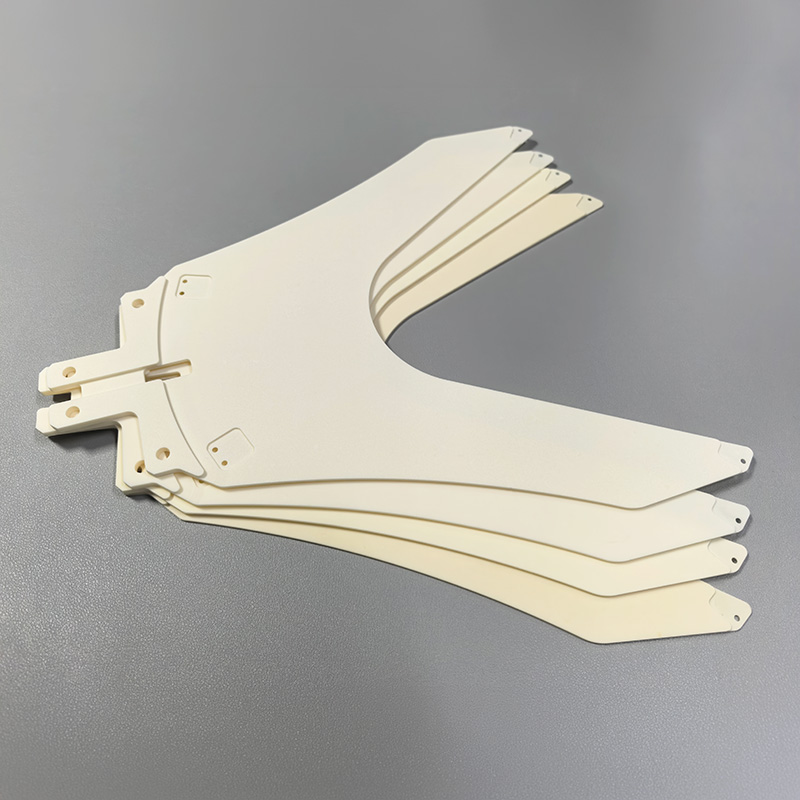

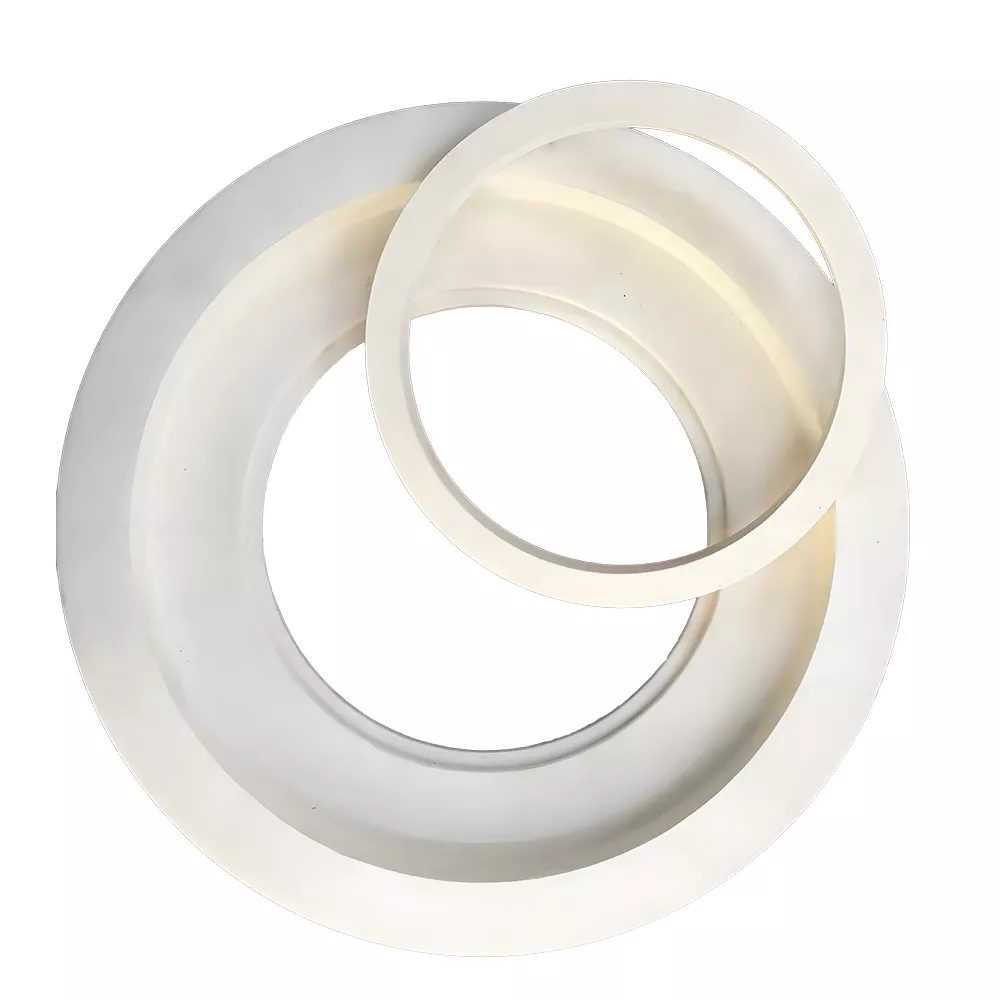

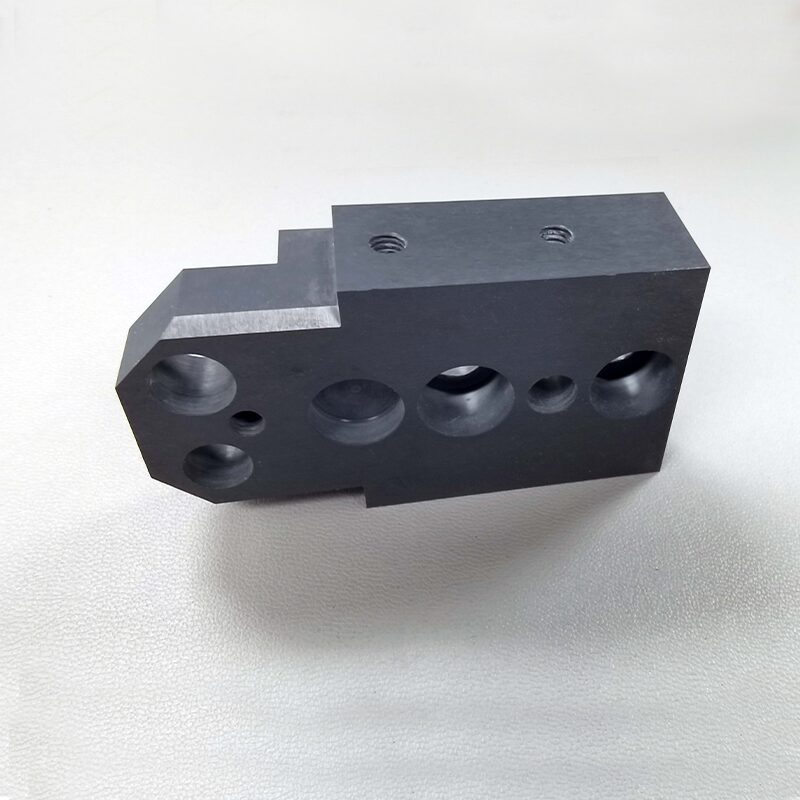

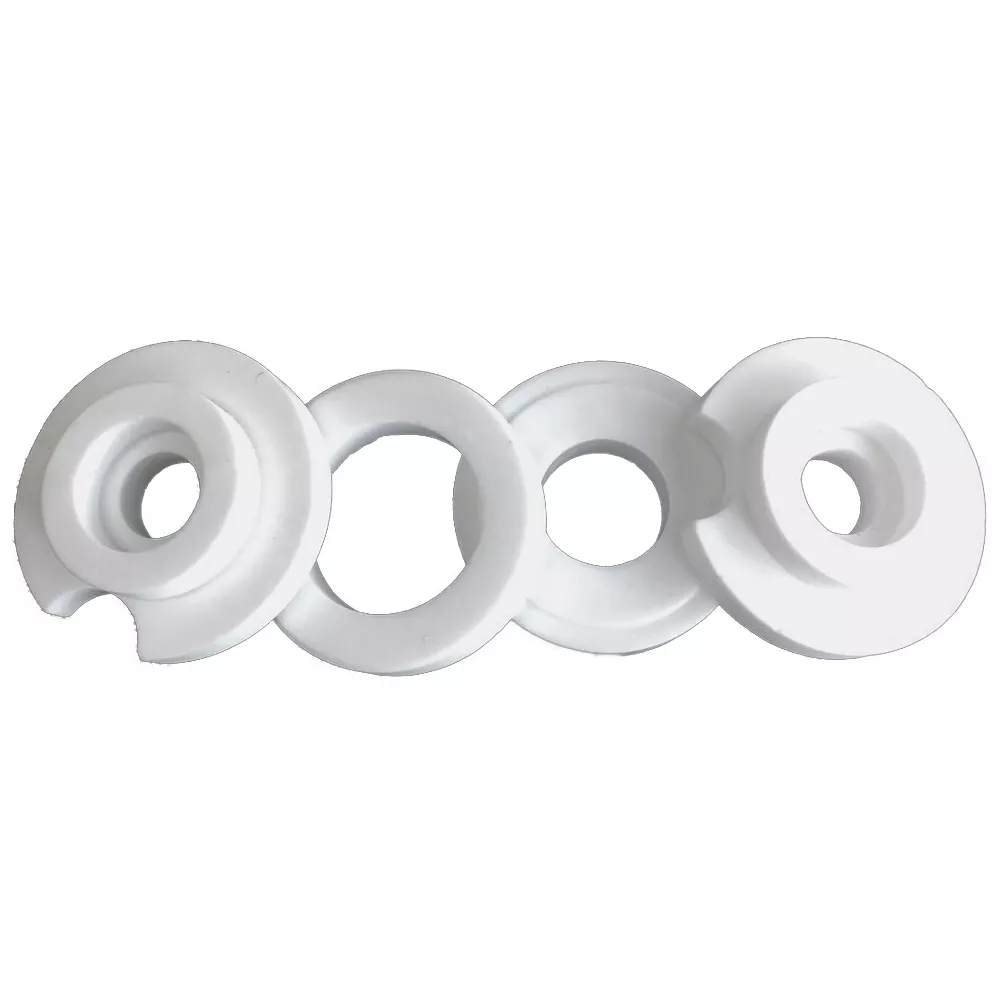
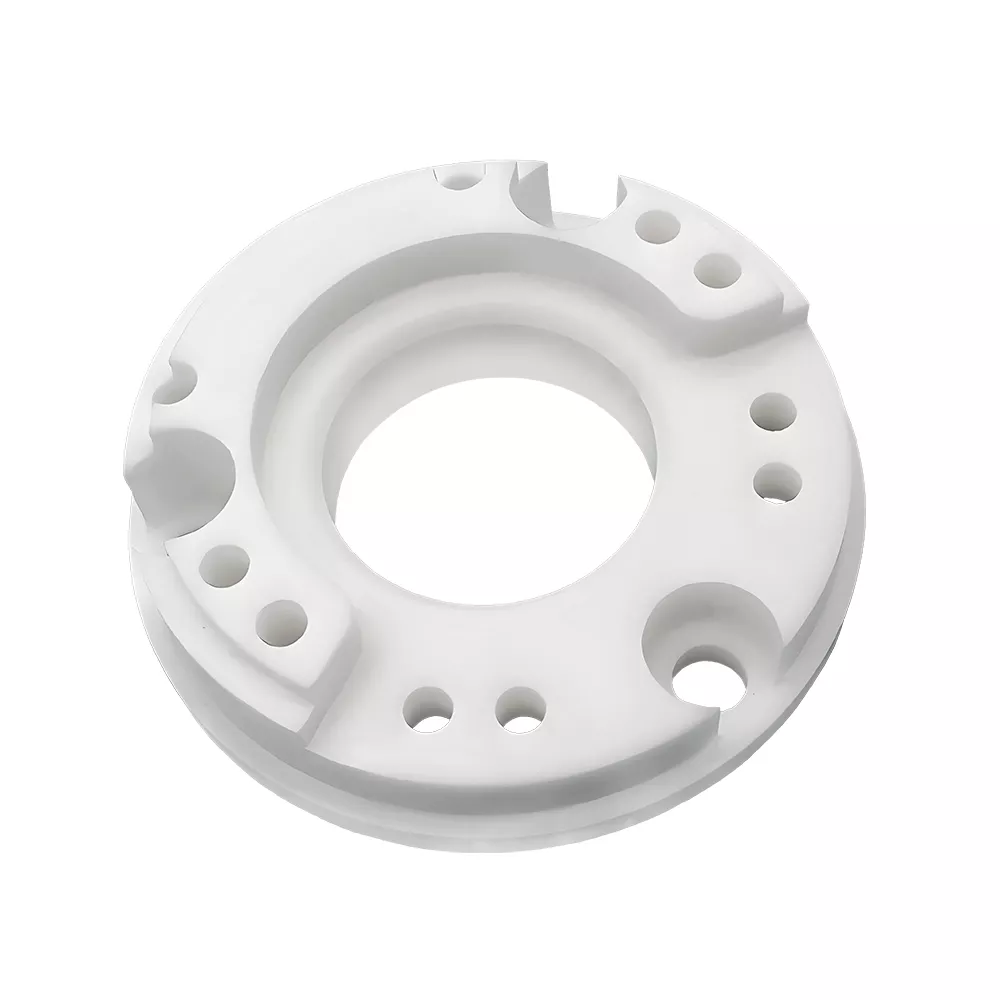
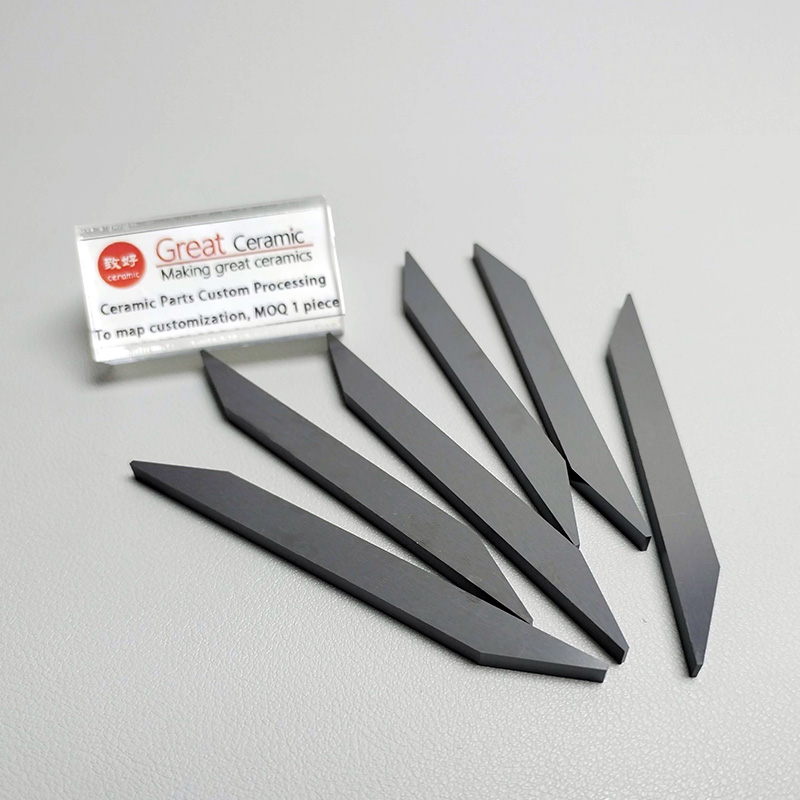


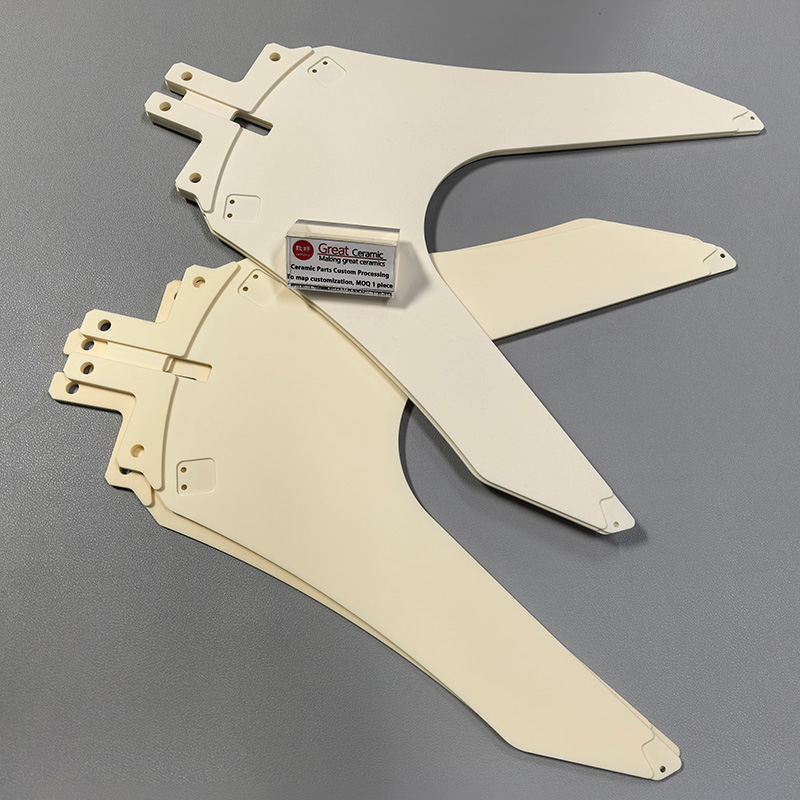
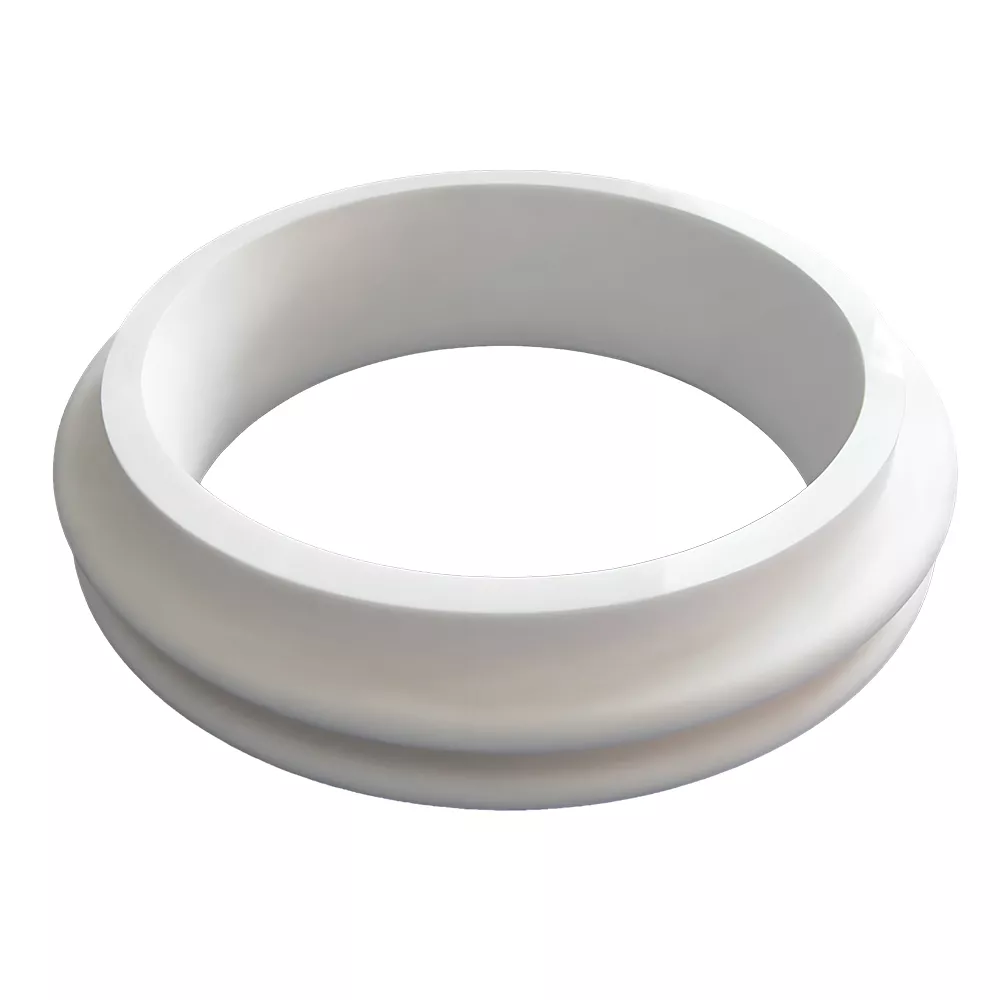
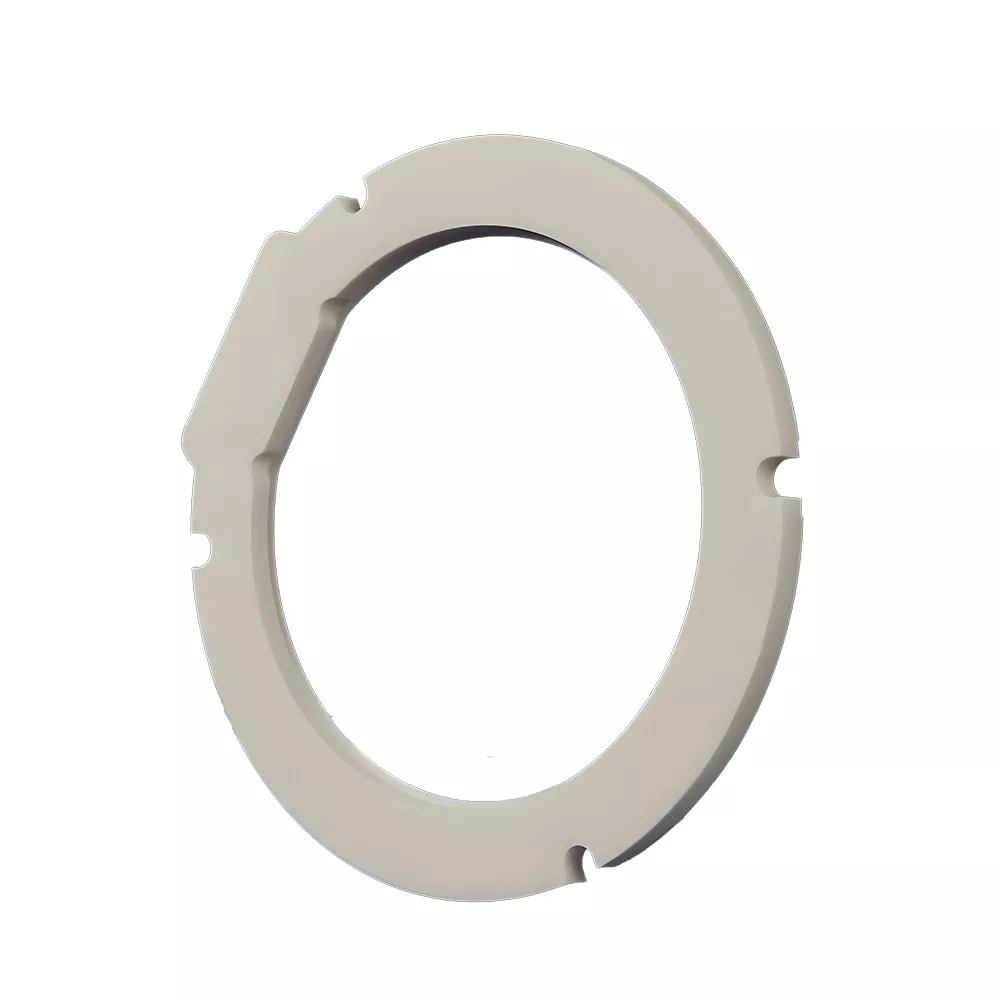
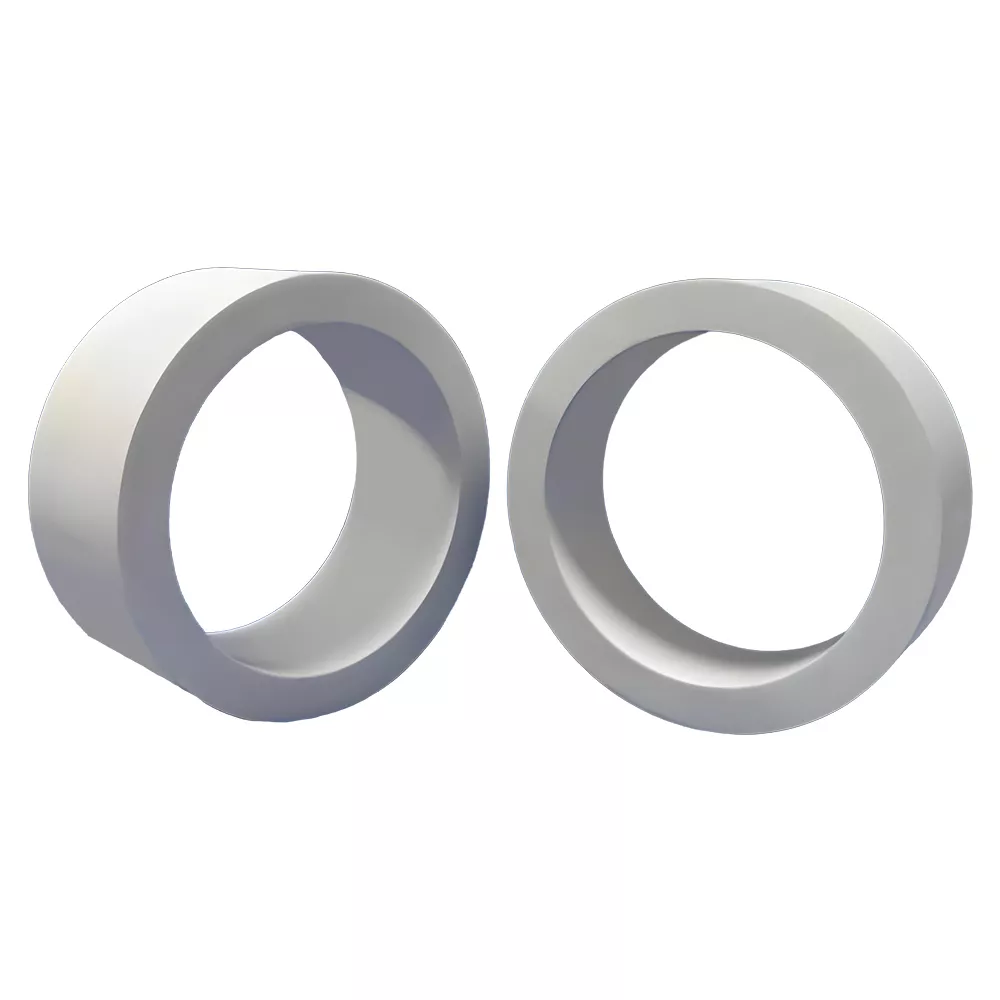
Related Technical Ceramic Catalogue and Quotation
Drawing-Led Requirements for Better Ceramic Sourcing Decisions
Evaluate ceramic requirements through clearer communication about materials, geometry, processes and acceptance expectations.
Current Drawing Revision
Share the current drawing revision, marked changes and open questions so quotation discussions stay aligned with the part definition your team is reviewing.
Project-Specific Material Grade
Discuss alumina, zirconia, silicon carbide, silicon nitride, aluminum nitride, boron nitride and other ceramic families against the project’s stated requirements, not material names alone.
Geometry and Tolerance Fit
Clarify tube, rod, ring, substrate or custom geometry, including dimensions and tolerances that determine assembly, replacement fit and practical quotation scope.
Process Route Discussion
Identify the feasible process route for the requested form and finish, while separating confirmed requirements from preferences that still need engineering discussion.
Functional Interface Surfaces
Call out mating surfaces, sealing areas, conductive interfaces or other functional features that influence how the ceramic component connects with surrounding hardware.
Inspection and Acceptance Evidence
Define inspection evidence, acceptance criteria and documentation needs early, helping procurement teams compare proposals on requirements that matter to project approval.
Technical Ceramic Materials for Defined Applications
Explore material families and component forms by application, then prepare a drawing-led inquiry around grade, geometry, service conditions, and acceptance requirements.

Technical Ceramics for Semiconductor Manufacturing
Technical ceramics for semiconductor manufacturing may support wafer handling, insulation, wear control, and process fixtures. Specify material family, purity, geometry, surface condition, thermal exposure, and cleanliness expectations so a quotation can address the actual process requirement.
Discuss Your Ceramic Part
Technical Ceramics for Power Electronics
Technical ceramics for power electronics can be considered for insulating substrates, housings, spacers, and heat-management components. Identify electrical, thermal, mechanical, dimensional, and mounting requirements, together with the drawing revision and inspection criteria needed for project review.
Discuss Your Ceramic Part
Technical Ceramics for Electrical and Electronics
Technical ceramics for electrical and electronics applications include insulating supports, substrates, tubes, and precision components. A useful inquiry defines voltage, temperature, dielectric expectations, geometry, mating features, material designation if known, and documentation required for approval.
Discuss Your Ceramic Part
Technical Ceramics for Electric Vehicles
Technical ceramics for electric vehicles may be used in insulation, sensing, power conversion, battery-related, and wear-sensitive assemblies. Share the component drawing, operating temperatures, electrical loads, interfaces, quantity, and validation or acceptance requirements for a project-specific discussion.
Discuss Your Ceramic Part
Technical Ceramics for Automotive Systems
Technical ceramics for automotive systems can address insulating, wear-resistant, heat-resistant, or sensor-related component needs. Clarify the assembly location, duty cycle, geometry, tolerances, material grade, environmental exposure, and documentation expectations before comparing supply options.
Discuss Your Ceramic Part
Technical Ceramics for Battery Manufacturing
Technical ceramics for battery manufacturing may support tooling, insulation, wear surfaces, process fixtures, and contamination-sensitive components. Describe the manufacturing stage, chemistry exposure, temperature, required cleanliness, dimensions, quantity, and acceptance criteria to establish a concrete quotation basis.
Discuss Your Ceramic Part
Technical Ceramics for Medical Devices
Technical ceramics for medical devices require careful definition of geometry, surface condition, operating environment, and applicable documentation. Identify the component function, material preference, dimensional controls, quantity, inspection expectations, and project approval requirements rather than relying on a material name alone.
Discuss Your Ceramic Part
Technical Ceramics for Diagnostic Imaging Equipment
Technical ceramics for diagnostic imaging equipment may be relevant to electrical insulation, positioning, shielding-related structures, wear parts, and precision assemblies. Provide the drawing, equipment interface, load and temperature conditions, dimensional tolerances, surface requirements, and documentation needed for evaluation.
Discuss Your Ceramic Part
Technical Ceramics for Aerospace Systems
Technical ceramics for aerospace systems may be considered for lightweight insulation, thermal exposure, electrical isolation, wear, and precision support components. Define the application environment, geometry, joining surfaces, material designation, traceability or inspection expectations, and quantities for an informed inquiry.
Discuss Your Ceramic Part
Technical Ceramics for Space and Satellite Systems
Technical ceramics for space and satellite systems may support insulation, thermal management, precision positioning, and environmental durability. A drawing-led request should identify launch or operating conditions, vacuum or thermal requirements, interfaces, tolerances, material constraints, and project-specific acceptance documentation.
Discuss Your Ceramic Part
Technical Ceramics for Vacuum Equipment
Technical ceramics for vacuum equipment can address insulators, feedthrough-related parts, shields, supports, rings, and wear components. State the vacuum level, temperature, outgassing or cleanliness expectations, geometry, sealing surfaces, material grade, and inspection requirements so feasibility can be assessed.
Discuss Your Ceramic Part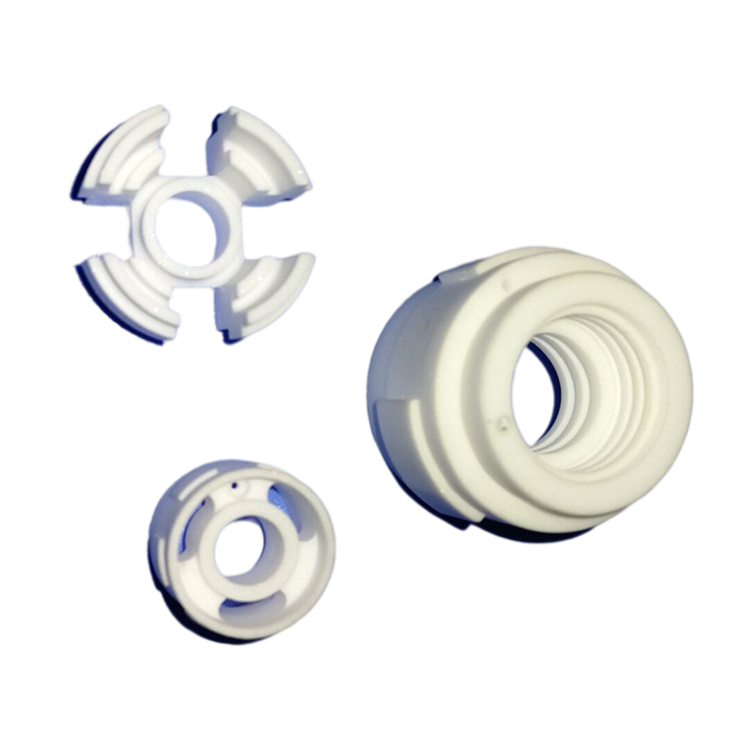
Technical Ceramics for Laser and Optical Systems
Technical ceramics for laser and optical systems may be used for mounts, spacers, insulators, apertures, and thermally stable supports. Specify optical or alignment interfaces, dimensional stability, surface finish, thermal conditions, geometry, and any material or inspection requirements tied to the assembly.
Discuss Your Ceramic Part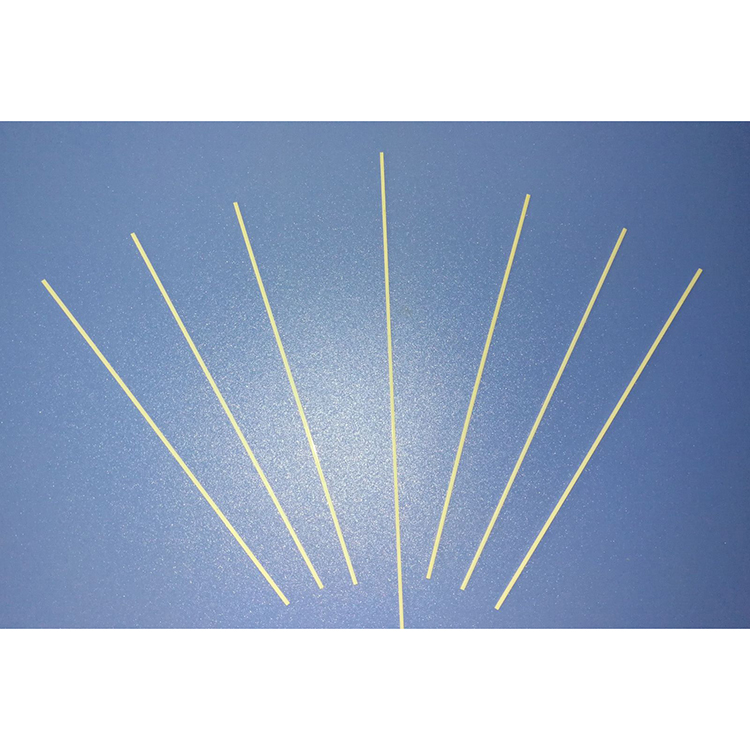
Technical Ceramics for Hydrogen and Fuel Cells
Technical ceramics for hydrogen and fuel cells may support insulation, seals, fixtures, porous or conductive ceramic elements, and high-temperature components. Identify the medium, temperature, pressure, electrical conditions, geometry, mating surfaces, material family, and acceptance criteria for a focused quotation discussion.
Discuss Your Ceramic Part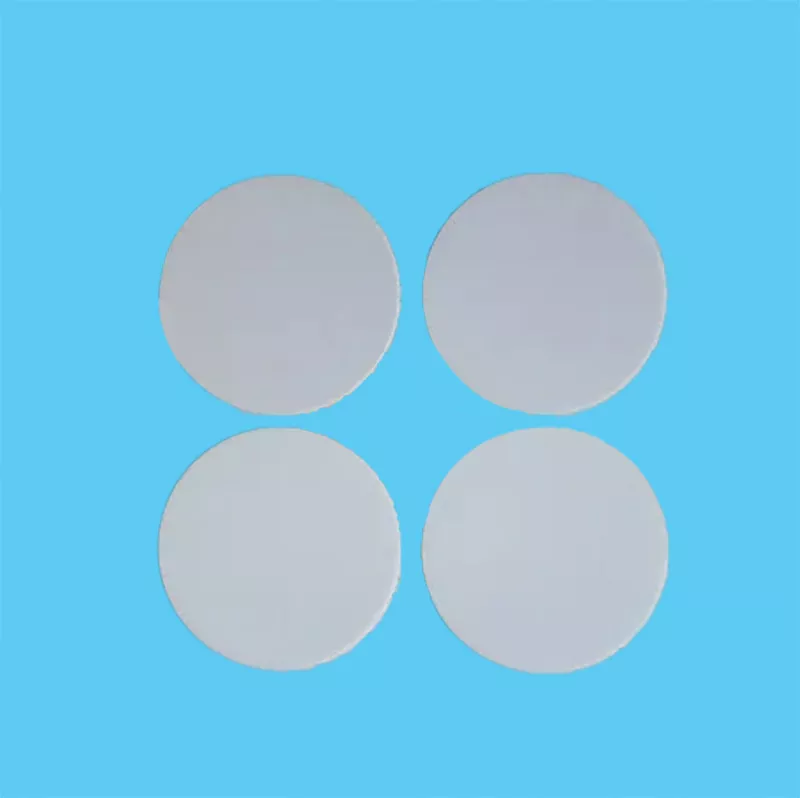
Technical Ceramics for Nuclear Energy
Technical ceramics for nuclear energy require application-specific consideration of temperature, radiation, chemistry, geometry, and inspection needs. Describe the component function, material designation if known, dimensions and tolerances, service conditions, documentation expectations, and approval requirements before treating availability as confirmed.
Discuss Your Ceramic Part
Technical Ceramics for Renewable Energy
Technical ceramics for renewable energy applications may include insulation, wear parts, thermal-management components, and precision supports for solar, wind, or energy-storage equipment. Explain the equipment function, loading, temperature, environment, geometry, quantity, and inspection expectations to define the sourcing requirement.
Discuss Your Ceramic Part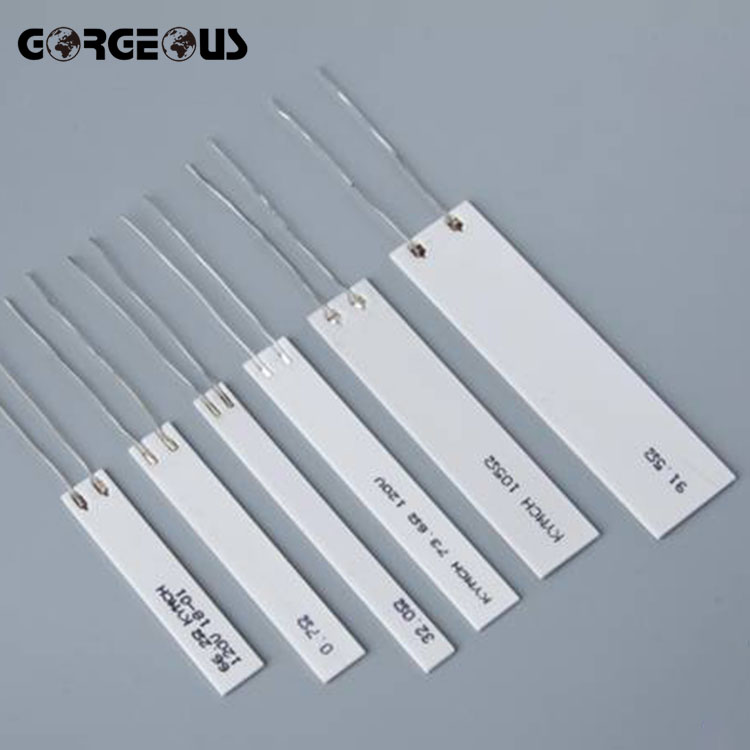
Technical Ceramics for Oil and Gas Equipment
Technical ceramics for oil and gas equipment may be considered for wear, insulation, corrosion resistance, sealing interfaces, and high-pressure service. Include the medium, pressure, temperature, geometry, mating surfaces, material preference, quantity, and acceptance criteria when requesting a project-specific quotation.
Discuss Your Ceramic Part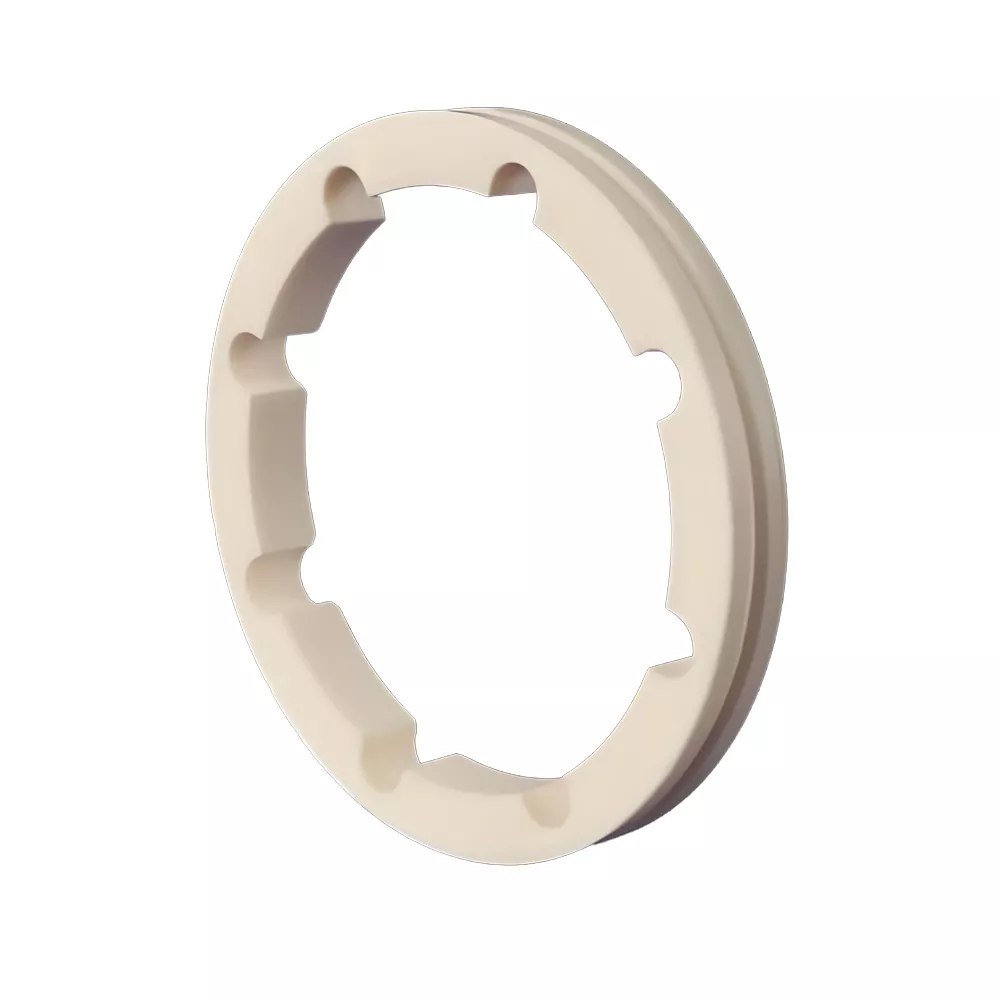
Technical Ceramics for Chemical Processing
Technical ceramics for chemical processing can support corrosion-resistant linings, tubes, crucibles, seals, insulators, and wear components. Identify the chemical environment, concentration, temperature, pressure, component geometry, surface requirements, material family, and documentation needed to evaluate suitability.
Discuss Your Ceramic Part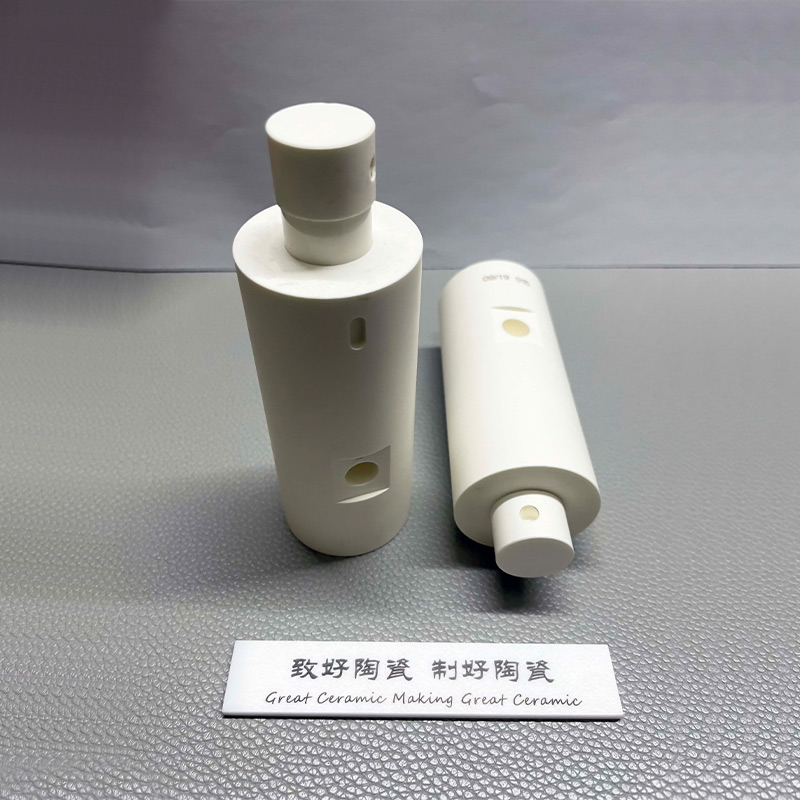
Technical Ceramics for Pumps and Valves
Technical ceramics for pumps and valves may be used in seals, seats, plungers, sleeves, bearings, insulators, and wear surfaces. Provide the fluid, pressure, temperature, speed, mating materials, dimensions, tolerances, material designation, and inspection requirements for a clearer inquiry.
Discuss Your Ceramic Part
Technical Ceramics for Industrial Heating
Technical ceramics for industrial heating can support heater insulation, tubes, setters, supports, shields, and high-temperature fixtures. Define the furnace atmosphere, operating temperature, thermal cycling, geometry, electrical requirements, surface condition, quantity, and acceptance criteria needed for quotation review.
Discuss Your Ceramic Part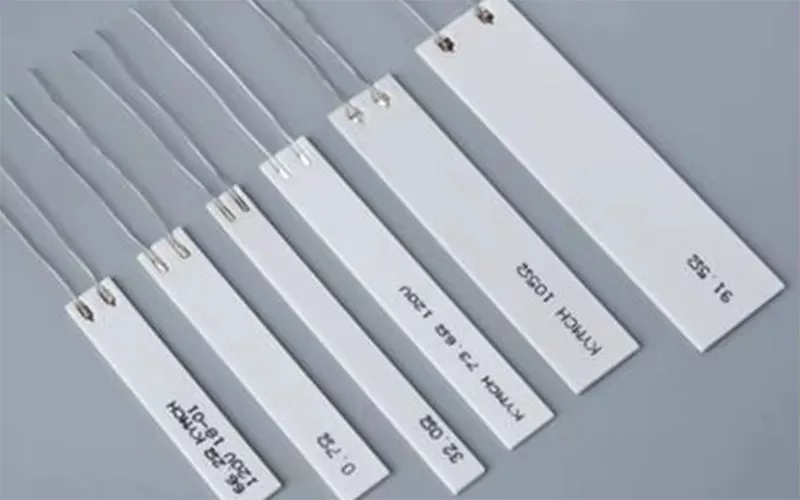
Technical Ceramics for Textile Machinery
Technical ceramics for textile machinery may be relevant to guides, eyelets, nozzles, wear inserts, rollers, and low-friction contact parts. Identify the fiber or process, speed, load, mating surfaces, geometry, surface finish, material preference, quantity, and inspection expectations.
Discuss Your Ceramic Part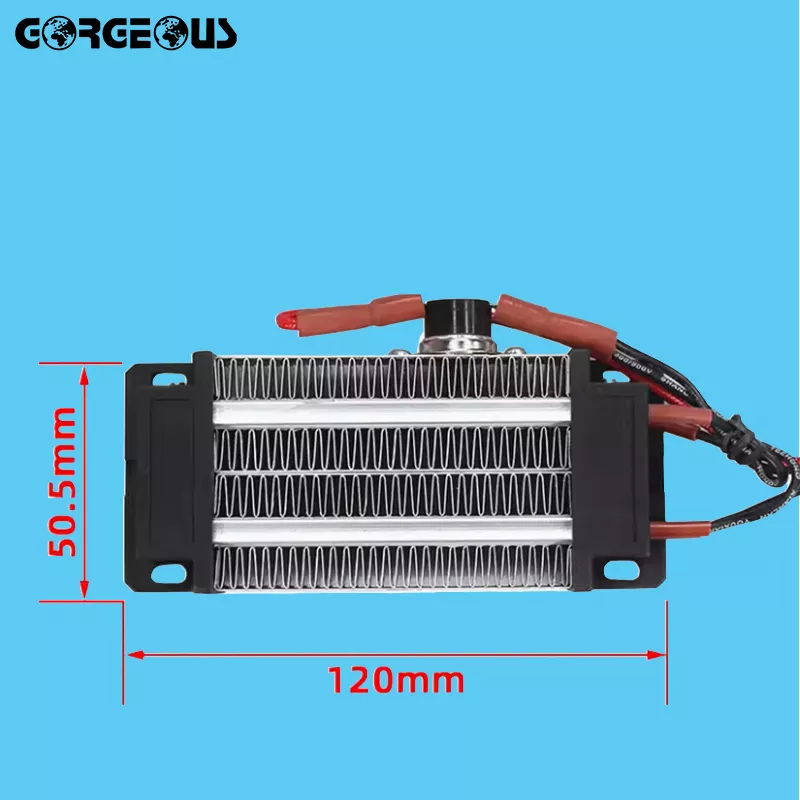
Technical Ceramics for Food Processing Equipment
Technical ceramics for food processing equipment may support wear-resistant guides, nozzles, liners, insulators, and corrosion-resistant contact components. Describe the process, cleaning conditions, temperature, fluid or product contact, geometry, surface requirements, material designation, and documentation needed for approval.
Discuss Your Ceramic Part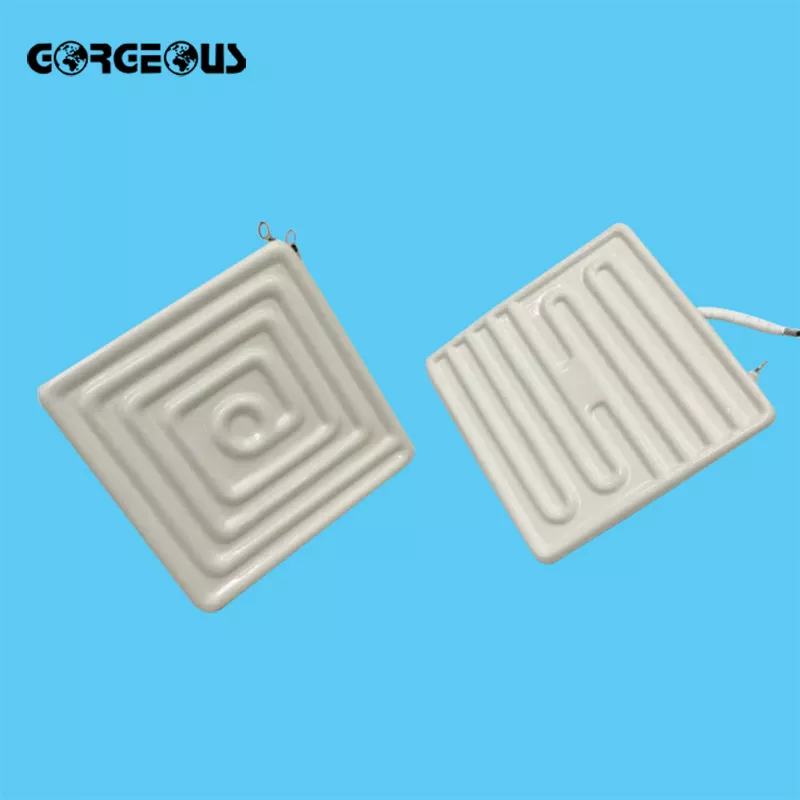
Technical Ceramics for Pharmaceutical Equipment
Technical ceramics for pharmaceutical equipment can be considered for cleanable wear parts, insulators, guides, liners, and process fixtures. Define product contact, cleaning or sterilization conditions, temperature, geometry, surface finish, material requirements, quantity, and documentation expectations for the intended equipment.
Discuss Your Ceramic Part
Technical Ceramics for Analytical Instruments
Technical ceramics for analytical instruments may support sample handling, insulation, wear control, thermal stability, and precision positioning. Provide the instrument function, dimensions, tolerances, temperature or chemical exposure, surface requirements, material preference, quantity, and inspection criteria for an informed sourcing discussion.
Discuss Your Ceramic Part
Technical Ceramics for Scientific Research Equipment
Technical ceramics for scientific research equipment may be suitable for custom fixtures, insulators, tubes, substrates, crucibles, and precision supports. A useful request includes the experiment conditions, material environment, temperature, geometry, tolerances, quantity, and acceptance requirements, with a current drawing where available.
Discuss Your Ceramic Part
Technical Ceramics for Robotics and Automation
Technical ceramics for robotics and automation can support grippers, guides, insulators, wear inserts, bearings, and precision end-effector components. Specify motion, load, speed, contact surfaces, geometry, tolerances, environmental conditions, material preference, and quantity so the component can be evaluated in context.
Discuss Your Ceramic Part
Technical Ceramics for Wear and Abrasion Equipment
Technical ceramics for wear and abrasion equipment may include liners, nozzles, sleeves, guides, plates, and replaceable inserts. Define the abrasive medium, particle size, impact or sliding conditions, temperature, geometry, mounting method, material family, and inspection criteria for a practical quotation request.
Discuss Your Ceramic Part
Technical Ceramics for Fluid Handling Systems
Technical ceramics for fluid handling systems can support tubes, liners, seals, valve parts, nozzles, and insulating components. Identify the fluid, pressure, temperature, flow conditions, sealing or mating surfaces, dimensions, tolerances, material designation, and acceptance requirements for project-specific review.
Discuss Your Ceramic Part
Technical Ceramics for High-Temperature Furnaces
Technical ceramics for high-temperature furnaces may include tubes, setters, plates, crucibles, supports, and insulation-related parts. State the maximum temperature, atmosphere, thermal cycling, load, geometry, surface condition, material preference, quantity, and inspection expectations to establish the required configuration.
Discuss Your Ceramic Part
Technical Ceramics for Precision Measurement Equipment
Technical ceramics for precision measurement equipment may support stable mounts, insulators, spacers, probes, guides, and wear-sensitive components. Provide the measurement function, dimensional tolerances, thermal environment, interfaces, surface requirements, material designation, quantity, and documentation needed to assess the part accurately.
Discuss Your Ceramic Part
Technical Ceramics for Defense and Security Systems
Technical ceramics for defense and security systems may involve electrical insulation, wear resistance, thermal exposure, sensing, and precision structural components. Describe the non-sensitive component requirement, operating environment, geometry, interfaces, material preference, quantity, and applicable inspection or documentation expectations for a controlled inquiry.
Discuss Your Ceramic PartCeramic Material Families for Defined Applications
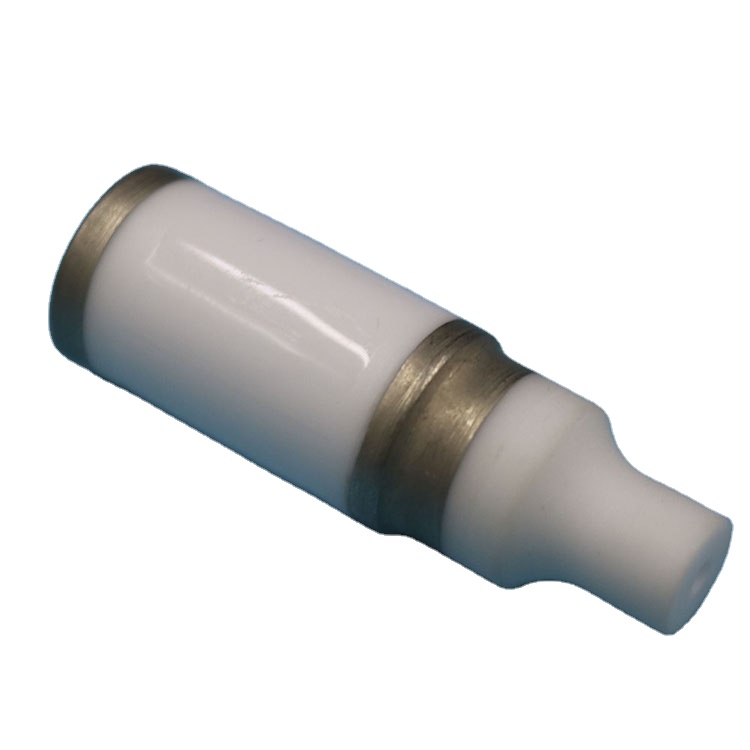
Alumina Ceramics
A widely considered oxide ceramic family for insulating, wear-related and structural components. Final suitability depends on the selected grade, geometry, surface finish, mating conditions and project-specific thermal, electrical or chemical requirements.
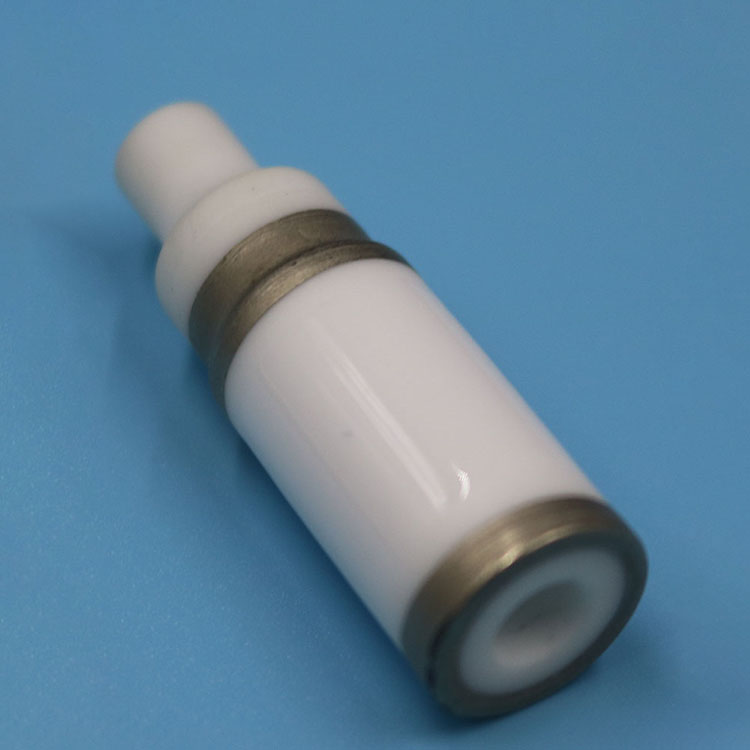
Zirconia Ceramics
An oxide ceramic family often evaluated for components requiring a balance of toughness, wear considerations and dimensional performance. Grade selection, geometry, surface condition and service environment must be confirmed for each application.

Silicon Nitride
A nitride ceramic family considered for demanding mechanical and thermal applications where material behavior, mating surfaces and operating conditions matter. Project discussions should confirm grade, dimensions, tolerances and required inspection documentation.

Silicon Carbide Ceramics
A carbide ceramic family commonly reviewed for wear, thermal and chemically demanding component requirements. The appropriate grade and processing route remain project-specific, with geometry, surface finish, interfaces and acceptance criteria defined from the drawing.
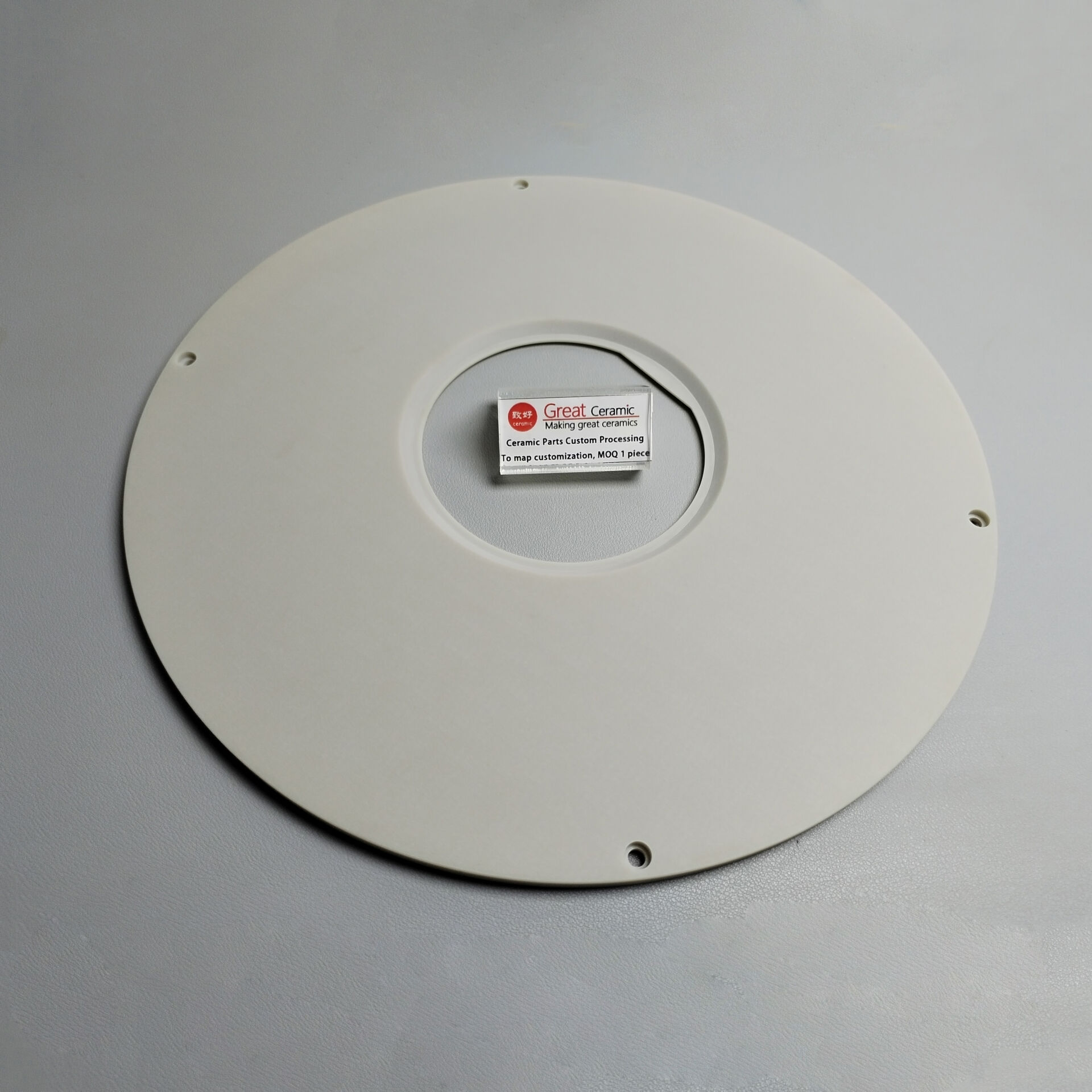
Aluminum Nitride
A specialty nitride material considered for ceramic substrates and components where thermal and electrical requirements are part of the specification. Confirm grade-specific properties, metallization or interfaces, dimensions and inspection expectations before quotation.
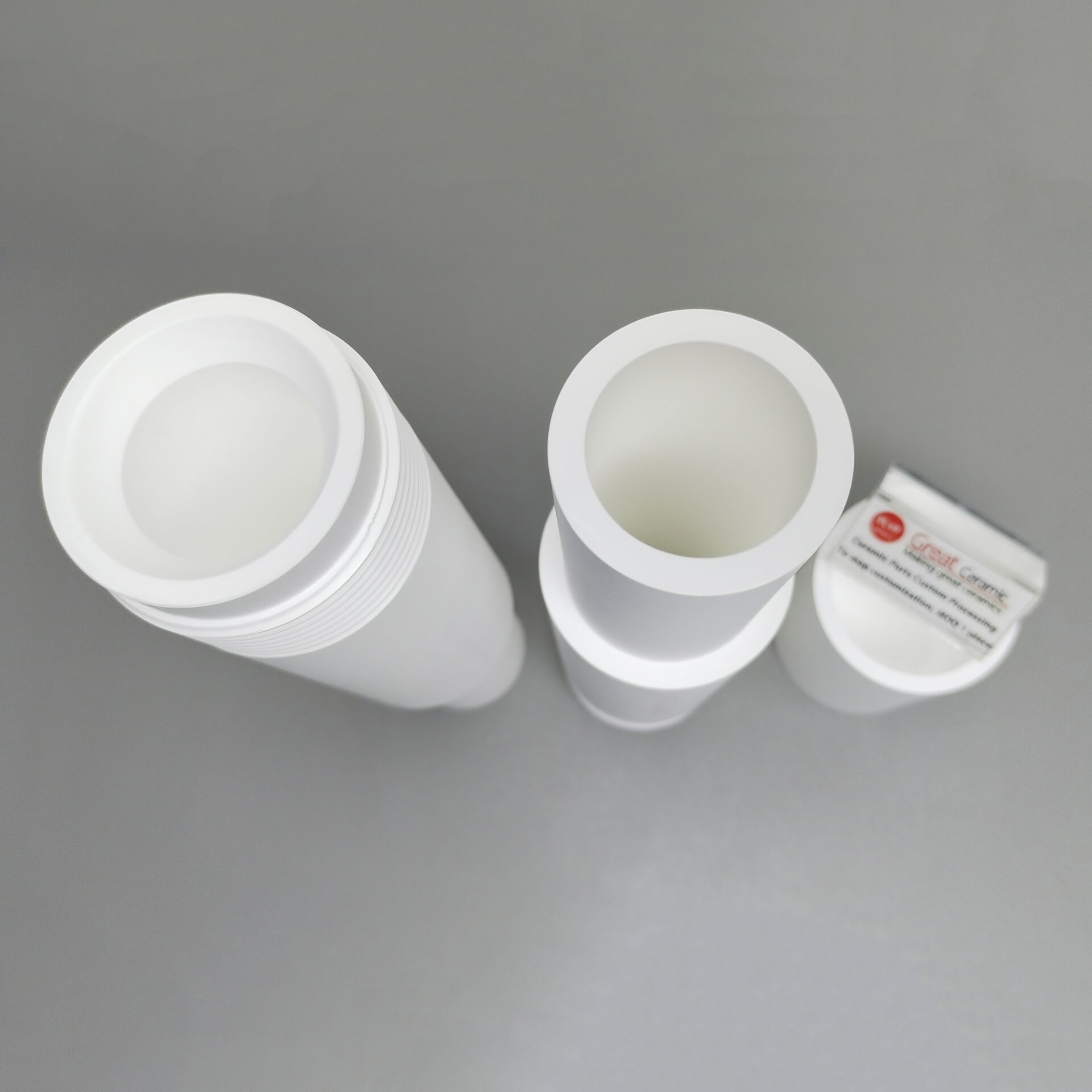
Boron Nitride
A specialty ceramic family evaluated for selected thermal, electrical and processing environments. Applicability depends on grade, shape, surface condition and service conditions, so Porcecore recommends reviewing the drawing and required acceptance criteria together.
Manufacturing Processes Reviewed Against the Part Requirement
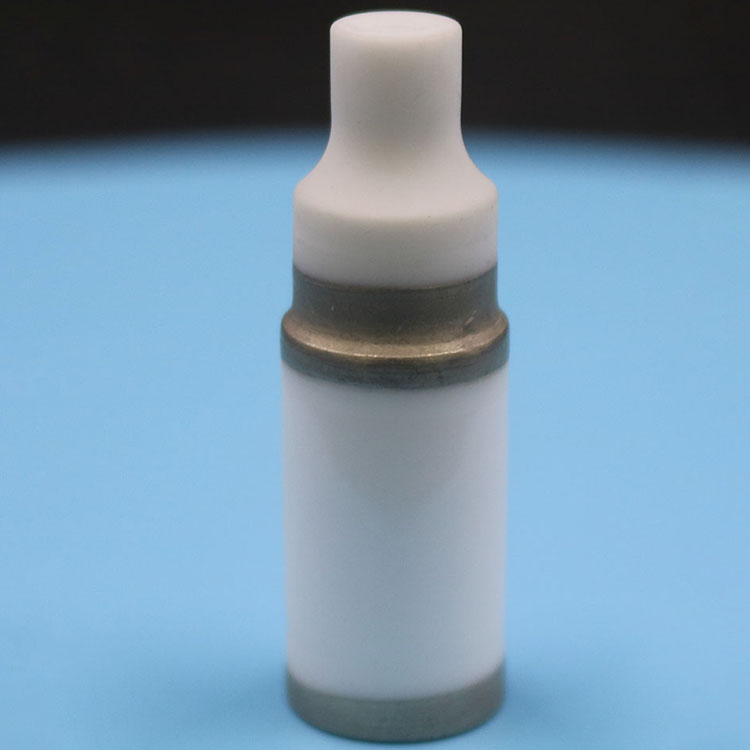
Forming and Shaping
Initial forming and shaping establish the component’s basic geometry before finishing. The suitable route depends on the ceramic family, dimensions, wall sections, production quantity and requirements identified in the drawing-led quotation.
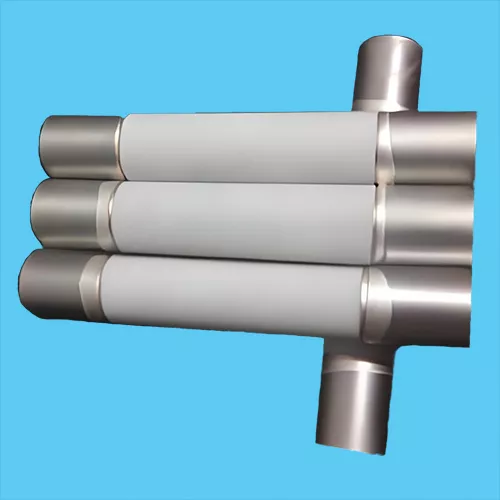
Precision Machining
Machining refines ceramic components toward specified dimensions, mating surfaces and functional features. Final feasibility depends on material behavior, geometry, tolerances and whether the requirement applies before or after firing or densification.
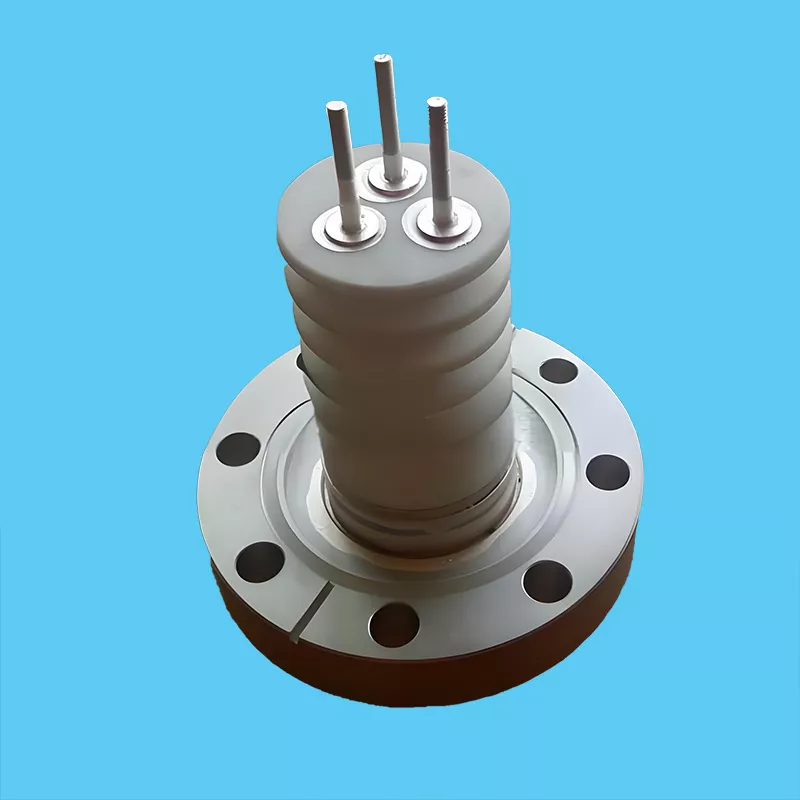
Grinding and Lapping
Grinding and lapping can refine critical dimensions, flatness and surface conditions where the application requires controlled interfaces. Availability and achievable results are reviewed against the material grade and project acceptance criteria.
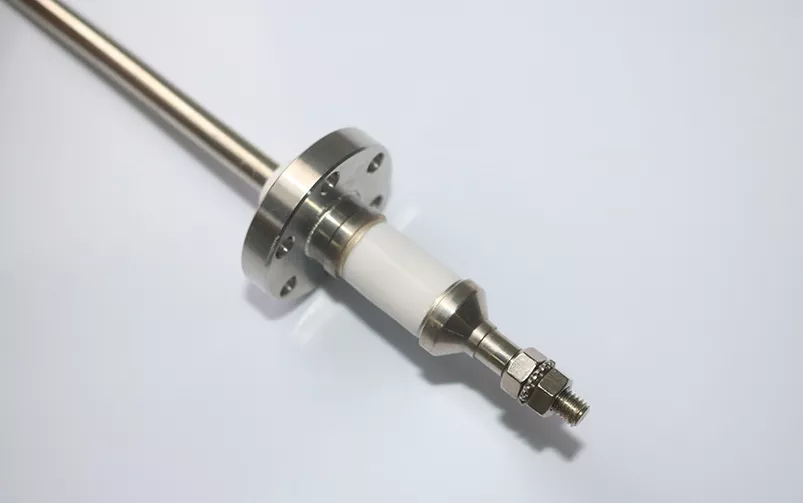
Polishing and Finishing
Polishing and related finishing steps can improve selected surfaces for optical, sealing, electrical or assembly-related requirements. The appropriate finish is confirmed from the drawing, service conditions and inspection expectations for the part.

Metallization and Assembly
Where a project requires an interface to another material or component, metallization, bonding or assembly may be considered during quotation. These options depend on the ceramic, joining design, operating environment and documentation requirements.
Interfaces, Finishes and Documentation for Ceramic Parts
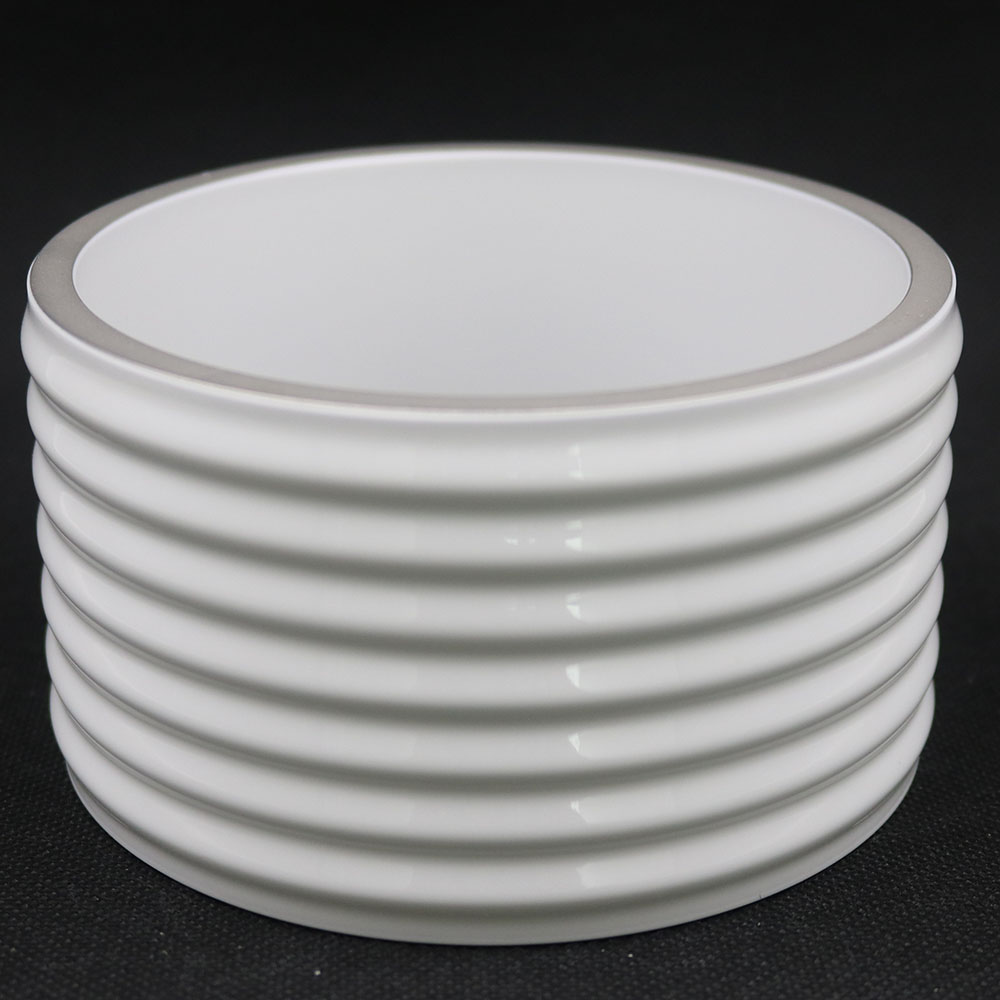
Mating Surfaces
Identify the ceramic surfaces that contact, locate or seal against another part. Include fit, finish, critical dimensions and assembly context so interface requirements can be reviewed with the drawing.

Joining Options
Describe whether the component must be bonded, metallized, clamped or integrated with another material. Joining needs depend on service conditions, geometry and downstream assembly requirements for each project.

Dimensional Features
Call out holes, slots, threads, shoulders, grooves and other features that affect installation or replacement. These details help distinguish essential geometry from preferences during quotation review.

Surface Requirements
Specify areas requiring polishing, lapping, coating or controlled surface condition when relevant. Surface expectations should be tied to the function of the part, mating component and inspection method.
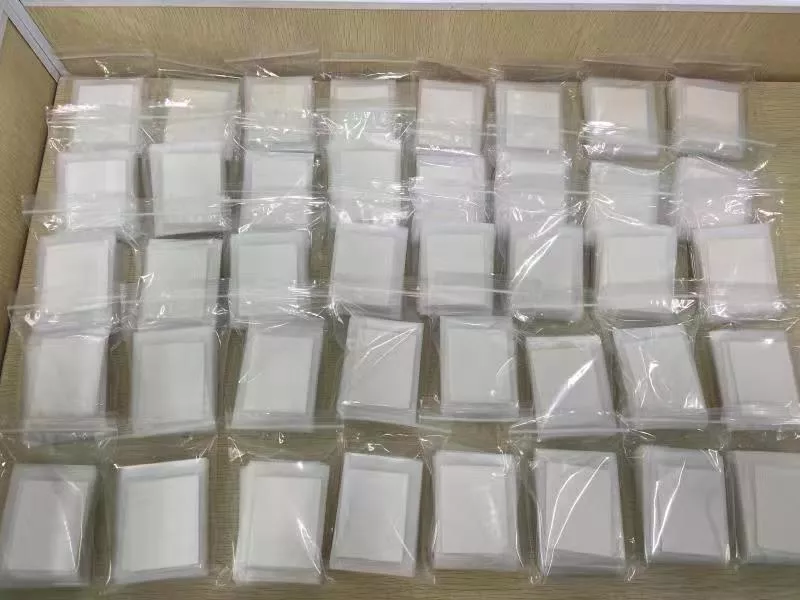
Project Documentation
Clarify the records needed for approval, such as drawings, material designations, inspection reports or acceptance criteria. Documentation expectations should be agreed with the individual inquiry and production order.
About Porcecore: Technical Ceramic Industry Solutions
Founded by Andy Yuan, Porcecore helps industrial procurement teams, engineers, equipment builders and ceramic distributors connect material choices with the part requirements behind them. Our technical ceramic industry solutions cover oxide, nitride, carbide and specialty ceramics, considered according to each project’s geometry, operating conditions and inspection expectations.
Porcecore begins with the component and the job it must perform. Tubes, rods, rings, substrates and other ceramic parts need more than a material name; mating surfaces, critical dimensions, tolerances and acceptance criteria belong in the same conversation. Our drawing-led communication model helps buyers clarify requirements before discussing quotation, production or approval.
What makes Porcecore different is a focus on clearer decisions before commitment. Send a current drawing revision, known material designation, quantity, service conditions and documentation needs to begin a practical project discussion. Contact info@zlrsmaterials.com or reach us by WhatsApp at +86 130 6482 5920.

Core Capabilities for Drawing-Led Ceramic Procurement
Clarify the Part Requirement
Porcecore starts with the component and the job it must perform. A useful inquiry connects the part form, mating surfaces, operating environment and intended use, giving procurement and engineering teams a clearer basis for discussing technical ceramic industry solutions.
- Define the component form and intended function
- Identify operating temperature, chemistry, load or wear conditions
- Separate essential requirements from preferred features
- Align procurement, engineering and project stakeholders

Navigate Material Families
Explore alumina, zirconia, silicon carbide, silicon nitride, aluminum nitride, boron nitride and other ceramic families as starting points for discussion. Material selection remains project-specific, with grade, geometry, process and service conditions confirmed against the actual requirement.
- Compare relevant oxide, nitride, carbide and specialty ceramics
- Connect material properties with application demands
- Treat product listings as inquiry starting points
- Confirm grade-specific suitability before commitment

Review Geometry and Interfaces
A drawing-led review focuses on the dimensions that determine assembly and performance. Tubes, rods, rings, substrates and other components may require attention to tolerances, mating surfaces, edge details and interfaces before a quotation can be meaningfully evaluated.
- Send the current drawing revision when available
- Highlight critical dimensions and assembly interfaces
- Identify surfaces that fit or contact another part
- Review geometry alongside the selected material family

Define Acceptance Criteria
Clear acceptance criteria help distinguish a preliminary inquiry from an agreed production order. Discuss inspection expectations, documentation, delivery and commercial terms for the individual project so the quotation conversation reflects what approval and use actually require.
- State dimensional tolerances and inspection expectations
- Specify required material or compliance documentation
- Identify testing, records or approval requirements
- Confirm delivery and commercial terms project by project

How Porcecore Approaches Ceramic Sourcing
See how Porcecore approaches ceramic sourcing through defined requirements, drawings, and project-specific confirmation.
← Swipe left or right to view →
Technical Ceramic Industry Solutions: Our Project Workflow
A clear path from part requirements and drawing review to material discussion, quotation, confirmation, inspection expectations, packing and shipping arrangements.
Define Part Requirements
Share the component type, current drawing revision, quantity, operating conditions, mating surfaces and acceptance criteria that shape the sourcing discussion.
Review Drawing Details
Porcecore reviews geometry, critical dimensions, tolerances, interfaces and documentation needs to identify open questions before material or pricing decisions.
Discuss Material Options
Compare suitable oxide, nitride, carbide or specialty ceramic families against the project’s service conditions, grade requirements and expected component function.
Build The Quotation
A drawing-led inquiry establishes the proposed grade, geometry, quantity, documentation basis and commercial assumptions for a focused quotation conversation.
Confirm Acceptance Basis
Before production, align the approved drawing revision, material designation, inspection expectations, required records, delivery terms and any project-specific conditions.
Arrange Packing And Shipping
Confirm packing preferences, shipment details and contact responsibilities so the ceramic components can move forward with the agreed project information.
Buyer Questions About Drawing-Led Ceramic Sourcing
A drawing-led process connects your component, material and operating requirements with a clearer quotation discussion.
Send Project Details
Send a drawing or application description and include material designation if known, quantity, service conditions, and acceptance criteria so Porcecore can frame the inquiry.
Clarify Part Requirements
Clarify critical geometry, mating surfaces, operating environment, tolerances, and documentation needs to separate essential requirements from preferences before quotation review.
Review Quotation Basis
Review the quotation basis, including project-specific grade, geometry, inspection expectations, documentation, delivery, and commercial terms requiring confirmation for the individual project.
Confirm Agreed Requirements
Confirm open questions and agreed requirements before production, then keep the drawing revision and acceptance criteria aligned through project approval.
The Complete Buyer’s Guide to Technical Ceramic Sourcing
Customer Projects in Technical Ceramic Industry Solutions
No verified customer quotation or documented numerical project outcome has been approved for publication yet. Porcecore is building this evidence base through drawing-led inquiries, project-specific requirements, and confirmed acceptance criteria.
Published feedback will be added when a customer-approved quotation and project record are available. Until then, buyers can request a discussion based on their drawing, material designation, operating conditions, quantity, and inspection requirements.
Porcecore does not present unverified testimonials as customer evidence. For a project-specific assessment, email the current drawing revision and acceptance criteria so the quotation conversation can address geometry, grade, documentation, and delivery requirements.
Technical Ceramic Industry Solutions Sourcing FAQ
Clear answers for drawing-led ceramic component inquiries, from material selection and sampling to commercial terms, shipping and project documentation.
How do technical ceramic industry solutions begin with a drawing?
Can Porcecore recommend a ceramic grade if our specification is incomplete?
What tolerances and functional surfaces should technical ceramic industry solutions address?
How are MOQ, sampling cost and lead time determined?
What payment and shipping information should we provide for technical ceramic industry solutions?
How does Porcecore handle inspection evidence and acceptance requirements?
Can technical ceramic industry solutions protect our drawings and project information?
What is the best next step for a technical ceramic industry solutions inquiry?
The Complete Buyer’s Guide to technical ceramic industry solutions
Use this decision framework to match materials, tolerances, manufacturing capabilities, and supplier controls to your application while avoiding specification gaps, hidden costs, qualification delays, and preventable quality risks.
1. What Are Technical Ceramic Industry Solutions?
com/en/high-tech-ceramics). Technical ceramic industry solutions therefore combine engineered materials, precision components, and manufacturing services for demanding applications—not decorative or traditional ceramics. Seven practical advantages often drive selection: hardness, thermal stability, chemical resistance, wear resistance, electrical insulation, low contamination, and dimensional precision. These properties matter when a tube, ring, substrate, seal, or other part must maintain function under heat, abrasion, corrosive media, voltage, or tight assembly constraints. Metals may be preferable for ductility and impact tolerance, while polymers can suit low-load, lightweight, or chemically specific parts; ceramics become stronger candidates when those materials soften, corrode, wear, or conduct electricity. Porcecore evaluates that choice from the part requirement, drawing, operating conditions, mating surfaces, and inspection criteria rather than from a material name alone.
2. Evolution of Technical Ceramic Industry Solutions
Early 20th-century industrial ceramics centered on refractory linings and electrical insulation, where heat resistance and dielectric behavior mattered most. com/en/high-tech-ceramics
1989 marked the founding of Advanced Ceramic Technology, reflecting the later shift toward application-specific materials such as silicon carbide and silicon nitride, electronic substrates, and precision components. com/advanced-ceramic-technology
Today, electronics, medical systems, mobility, energy, semiconductor equipment, and industrial machinery evaluate ceramics against defined operating conditions, interfaces, and inspection criteria. This history explains the breadth of technical ceramic industry solutions, but a supplier’s current material grades, dimensions, processes, and documentation still require project-specific confirmation.
3. Types of Technical Ceramic Industry Solutions
Six functional groups organize technical ceramic industry solutions by operating duty and part form. Suitability depends on the drawing, interfaces, service conditions, and acceptance criteria.
Wear And Structural Components
Alumina, zirconia, silicon carbide, and silicon nitride suit abrasive, loaded, or high-temperature duties.
Electrical Insulators And Substrates
Alumina and aluminum nitride support insulating spacers, feedthroughs, and electronic substrates.
Thermal-Management Parts
Aluminum nitride, silicon carbide, and boron nitride address heat spreading, thermal shock, or furnace exposure.
Ask: is conductivity, thermal expansion matching, or temperature cycling the controlling requirement?
Chemically Resistant Components
Silicon carbide, alumina, and selected specialty ceramics serve corrosive, reactive, or high-purity environments.
Ask: which chemicals, concentrations, temperatures, and cleaning methods will contact the part?
Semiconductor And Vacuum Hardware
Semiconductor fixtures, rings, tubes, and vacuum hardware prioritize purity, particle control, dimensional stability, and plasma resistance.
Medical Or Specialty Ceramics
Zirconia, alumina, and other specialty ceramics may serve biocompatible, sensing, optical, or precision applications.
4. Materials for Technical Ceramic Industry Solutions
Technical ceramic industry solutions depend on material family, which determines strength, toughness, hardness, thermal behavior, electrical response, chemical resistance, machinability, and part fit. Requirements must stay drawing-led.
| Material | Defining properties | Limitations | Common parts | Selection considerations |
|---|---|---|---|---|
| Alumina | Hard, insulating; moderate toughness | Brittle; thermal shock | Tubes, substrates | Wear and insulation |
| Zirconia | Tough, hard; low conductivity | Cost; aging risk | Rings, seals | Fracture resistance |
| Silicon carbide | Very hard; hot, inert | Brittle; difficult machining | Seals, tubes | Heat, wear, chemicals |
| Silicon nitride | Strong, tough; thermal shock | Grade-dependent oxidation | Bearings, rollers | Dynamic loads |
| Other: AlN/BN | Insulating, thermal | Lower toughness; process limits | Substrates, fixtures | Electrical or release |
Compare By Operating Requirement
Alumina suits insulating wear parts; zirconia favors toughness; silicon carbide favors heat, hardness, and corrosion resistance.
Include Electrical And Thermal Needs
Aluminum nitride supports electrical insulation with thermal conduction; boron nitride offers release behavior and insulation.
Confirm Grade And Process
Grades, tolerances, machinability, and performance must be confirmed against supplier datasheets and testing.
Material names alone do not establish a contractual specification.
5. Customization and Decoration Options
One current drawing should define geometry, tolerances, holes, threads, mating surfaces, and assembly features together.
| Technique | Primary Purpose | Buyer Confirmation |
|---|---|---|
| Metallization | Brazing or electrical interface | Layer system and adhesion |
| Coating | Wear, chemistry, or insulation | Thickness and compatibility |
| Glazing | Sealing or appearance where relevant | Coverage and service suitability |
Drawing-Led Geometry
One drawing revision should identify critical dimensions, datum references, edge radii, holes, threads, and inspection access. Shrinkage, machining allowances, and feasible radii must be considered before release.
Functional Surface Treatments
Three common additions are metallization, protective coatings, and glazing where the application permits. Metallization may support brazing or electrical interfaces; coatings address wear, chemistry, or insulation requirements.
Decoration And Assembly
Two categories should remain distinct: functional finishes affect joining or service performance, while decorative finishes affect appearance only. Assembly features such as locating steps, slots, bonded interfaces, or inserts belong on the drawing.
6. Key Construction Quality Elements
Powder preparation, forming, sintering, and finishing determine whether ceramic parts hold their intended geometry and function.
Process And Shrinkage Control
Four stages—powder preparation, forming, controlled sintering, and shrinkage compensation—can change density, warpage, and final dimensions. The forming method and sintering profile should be reviewed against geometry and service requirements.
Finishing And Inspection
Three finishing concerns—grinding, lapping, and edge integrity—directly affect mating, sealing, wear, and fracture risk. Specify critical surfaces, edge-break limits, flatness, parallelism, and surface roughness where function depends on them.
Inspection should state test methods, sampling expectations, and acceptance criteria for dimensions, roughness, cleanliness, and visible defects. Precision grinding and lapping are established advanced-ceramic processes (https://ceramicmachiningcompanies.com/advanced-ceramic-technology).
Traceability And Packaging
Lot numbers, inspection records, and material identification preserve traceability from powder batch through finished component. These records help engineering teams distinguish a general property from a grade-specific, inspected result. Packaging should protect edges and finished surfaces from contamination, impact, and moisture during handling.
7. How to Choose a Technical Ceramic Manufacturer
A four-part review links the ceramic material, part geometry, process route, and acceptance criteria.
Check Technical Capability
1 supplier review should confirm experience with the required ceramic family, forming route, green machining, sintering, grinding, lapping, and polishing. Ask which features and tolerances each process can repeatedly hold.
2 evidence categories matter: inspection equipment, quality-system documents, capacity by part family, realistic lead times, and documented change-control procedures. Treat phrases such as ‘high precision’ as prompts for measurable proof.
Issue A Complete RFQ
5 inputs make an RFQ actionable: current drawing revision, material or grade if known, annual and trial quantities, operating temperature and atmosphere, and mating-surface requirements.
Include qualification tests, inspection reports, certificates, packaging, sample quantity, approval gates, and requested delivery dates. Identify critical dimensions separately from preferred features.
Separate Proof From Claims
3 checks strengthen supplier comparison: request capability data for critical dimensions, sample inspection results, and named documentation deliverables. Verify whether values apply to your grade, geometry, and production route.
Before award, record quotation assumptions, permitted substitutions, drawing revision, notification timing for changes, escalation contacts, and communication cadence. A clear response reveals open questions early.
8. Common Mistakes Buyers Make
Nine recurring errors can turn a workable ceramic requirement into an unclear quotation or failed assembly.
Specify The Working Requirement
A material name alone omits thermal shock, fracture behavior, grade, geometry, and operating conditions. Ask: what load, temperature change, mating surface, and failure consequence must the part withstand?
Post-sinter dimensions and realistic tolerances must appear on the drawing. Confirm which dimensions control assembly and which tolerances are genuinely necessary.
Align Scope And Validation
Three quotation questions prevent false comparisons: are machining, inspection, documentation, packaging, and delivery included? Are acceptance criteria identical?
One prototype or representative sample can expose fit, thermal cycling, and handling risks before production commitment. Check mating materials and define the validation evidence required.
Plan Continuity Early
A supply checkpoint should cover approved material grade, drawing revision, inspection records, packaging method, and replacement-part traceability. Do not assume an illustrated product defines a contractual specification.
Ask how future orders will repeat the same requirements, quantities, and acceptance criteria. Record open questions before approving a production order.
9. Steps to Launch a Technical Ceramic Solution
A controlled launch connects the component’s job, failure risks, and acceptance criteria before material or supplier decisions are finalized.
Define Requirements And Risks
First, record load, temperature, chemistry, electrical exposure, interfaces, quantity, service life, and inspection needs. Link each requirement to a credible failure mode, such as fracture, wear, leakage, thermal shock, or dielectric breakdown.
Screen Materials And Design
Next, compare candidate oxide, nitride, carbide, or specialty ceramics against the failure modes and operating envelope. Convert the selected direction into a preliminary design covering geometry, mating surfaces, tolerances, finish, and joining details.
Engineering should approve the material rationale and drawing before manufacturability review.
Prototype, Test, And Qualify
A prototype or first article should verify dimensions, interfaces, material identity, and performance under representative conditions. Record test methods, samples, results, deviations, and corrective actions in a qualification report.
Release And Monitor Production
Before production release, approve the final drawing, specification, inspection plan, packaging requirements, purchase terms, and signed first-article results. Operations should receive the released work instructions and reaction plan.
10. Pricing and Cost of Technical Ceramic Solutions
1 quote should separate material grade, geometry, forming route, tooling, and expected sintering yield. These variables influence starting powder, mold investment, scrap exposure, and unit cost before machining begins. 2 machining stages can materially change cost when tolerances, surface finish, or complex mating features require grinding, lapping, polishing, or repeated inspection. Packaging requirements and documentation should also be priced explicitly. 3 quantity and lead time should be evaluated together for technical ceramic industry solutions.
| Cost Factor | Unit-Cost Implication | Setup or Tooling | Lead-Time Effect |
|---|---|---|---|
| Material grade | Specialty powders may raise material cost | Grade-specific process setup may apply | Material availability can extend schedule |
| Geometry and forming route | Complex shapes increase yield risk | Molds, fixtures, or setup may be required | Tooling fabrication adds front-end time |
| Machining and tolerances | Tight tolerances and finish add operations | Diamond tooling and inspection setup may apply | Additional processing and verification |
| Quantity and packaging | Larger lots can distribute setup cost | Repeat tooling may be reused | Low quantity or urgent delivery may increase cost |
Start Your Technical Ceramic Industry Solutions Discussion
Email a drawing or describe your component, operating environment and acceptance needs to begin a focused quotation discussion with Porcecore.